
Depletion of American Patriot Missile Stock by 65% After the Iran War Reveals the Fragility of Gulf Air Defense
 Ahmed Al-Rashid
65% Depletion of U.S. Patriot Missile Stockpile After Iran War Reveals Fragility of Gulf Air Defense
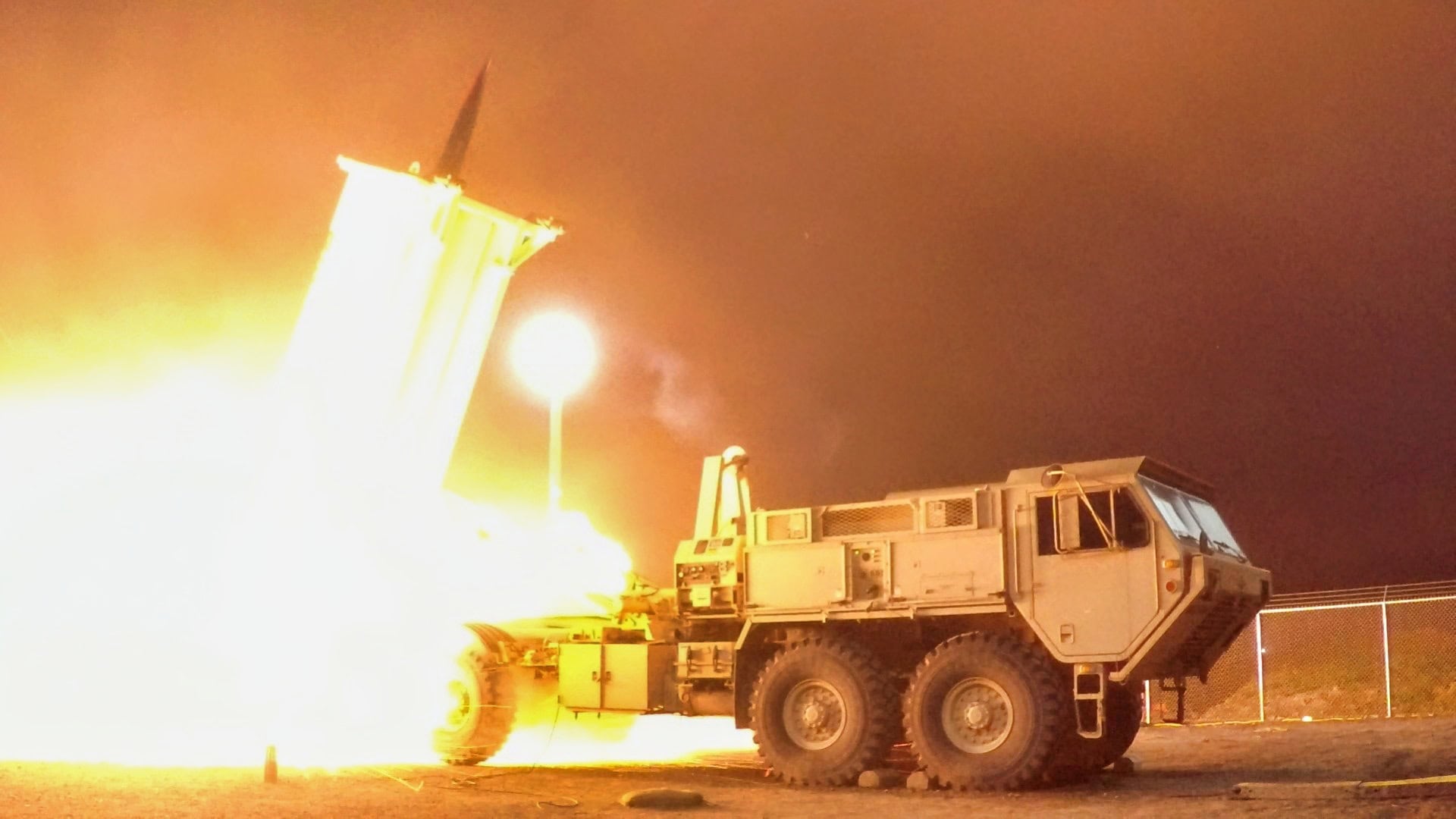
Just days before the signing of the Mecca Agreement for joint defense, the U.S. Department of Defense announced the largest contract in the history of interceptors: up to $58.6 billion to Lockheed Martin for the production of PAC-3 MSE Patriot missiles from fiscal year 2026 to 2032. However, despite its size, the contract highlights a more embarrassing reality revealed by estimates from the Center for Strategic and International Studies (CSIS): the U.S. military launched about two-thirds of its stockpile of Patriot interceptors during the Iran War, leaving it with fewer than a thousand missiles, while the stockpile of the THAAD system has decreased by 38% to between 234 and 278 missiles only.
These numbers are not merely an American internal affair, and any military personnel who has served in the region knows this immediately. The Gulf is the largest operator of Patriots in the world: Saudi Arabia, the UAE, Qatar, Kuwait, and Bahrain all operate Patriot batteries, with Saudi Arabia and the UAE adding THAAD systems. When Washington depletes its stock in a war that lasted five months, the shield protecting Riyadh, Doha, and Abu Dhabi is the same shield from which the missiles that intercepted Iranian ballistic missiles were launched. The same production line, the same warehouses, the same priority list.
War Numbers and the $58.6 Billion Contract
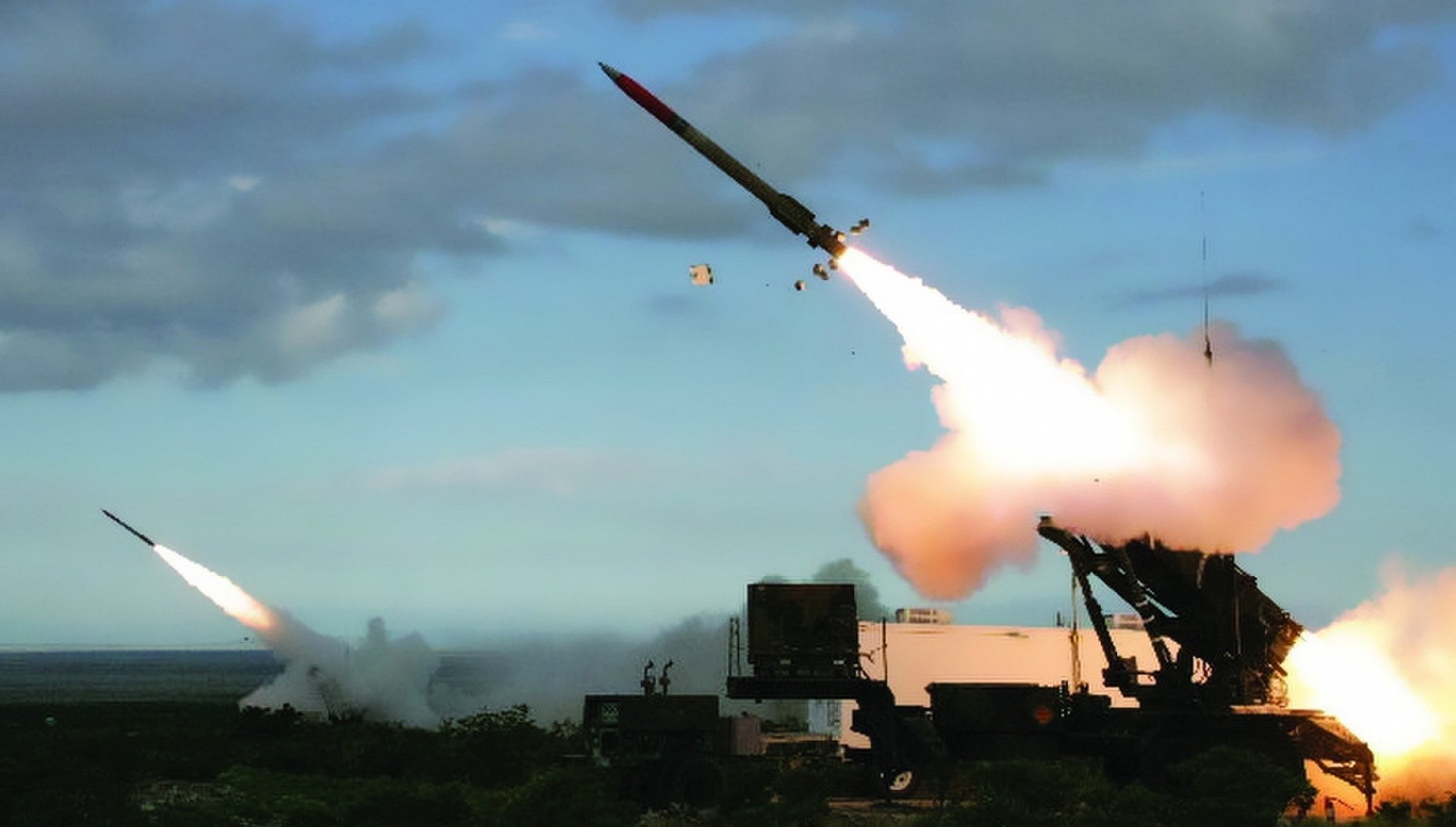
On July 30, Washington announced the conversion of a one-year deal worth $4.7 billion, signed in April, into a multi-year agreement valued at up to $58.6 billion, with Lockheed Martin's production capacity for PAC-3 MSE missiles expected to triple by the end of 2030 to reach 2,000 missiles annually, with an investment ranging from $8 to $9 billion in more than twenty U.S. facilities.
However, these numbers tell a different story when read slowly. Mark Cancian, a CSIS expert, states: "Producing a missile takes years. If you put money into the system today, you won't get a missile for three or four years, and sometimes five. What we are getting now are missiles funded since 2023." This means that the historic contract will not put a single additional missile in the hands of the Gulf soldier until nearly the end of this contract.
The Gulf Pays the Price First
Practically, the conclusion reached by CSIS is direct and harsh: "There are no good alternatives to Patriot and THAAD in ballistic missile defense." When stockpiles are low, users are forced to conserve missiles and intercept only the highest-value threats. The question that the report did not raise loudly is: when the United States shares its stockpile among its armies in Europe, Asia, and the Middle East, and between Ukraine, which is calling out the loudest, and its Gulf allies who have paid billions of dollars, who gets the last missile?
The Gulf states have the platforms, but they do not have the ammunition. This is the equation that Riyadh has tried to break repeatedly through decades of maintenance and joint production, but the missile factory remains in Camden, Arkansas, and the line prioritizes Washington first.
The Tehran Threat Coincides with the Gap
More dangerously than the numbers, Tehran has well understood the gap. On August 6, Reuters quoted a senior Iranian official stating that Tehran issued a clear warning to Gulf countries: if U.S. strikes on Iran continue, oil, electricity, and water facilities in Gulf countries will be targeted. Foreign Minister Abbas Araghchi spoke with his Saudi, Turkish, and Qatari counterparts and the Chief of Staff of the Pakistani Army, and the message was the same: "We are ready to respond, but a diplomatic solution is better than broader escalation and destruction in the region."
The Iranian official mentioned that they "still remember Saudi Aramco," referring to the September 2019 attack on Abqaiq and Khurais that temporarily halted more than half of the Kingdom's crude oil production. At that time, the systems were available and the missiles were sufficient. So what if the scenario repeats today, with a depleted stock and a production line that won't fill the gap for years?
The Incomplete Triangle
Any military personnel who has served in the region knows that air defense is a three-pronged structure: readiness × training × institution. The Gulf has lavishly purchased the first prong, partially built the second, but the third prong — the ability to sustain the system and supply its ammunition — remains contingent on external decisions. The gap revealed by the Iran War is not in the radar or in the missile itself, but in the supply chain that starts in Arkansas and ends in the Gulf desert.
"There are no good alternatives to Patriot and THAAD for defense against ballistic missiles" — Center for Strategic and International Studies (CSIS)
Riyadh and Abu Dhabi can request more batteries, pay more billions, and sign contracts with Europe in other directions. But all of that does not shorten the time. The missile that will intercept tomorrow's threat must have been funded at least three years ago, and that is a decision that the Gulf does not control.
Conclusion: Money Does Not Buy Time
Here lies the paradox that will continue to haunt Gulf air defense: the more Washington increases its production to cover its needs, the more likely it is that the priority given to the Gulf on the waiting list will diminish. The independence of the system does not mean independence of the ammunition, and the shield that the Gulf possesses today is, in fact, a long-term lease on an American production line. The structural contradiction between the desire for strategic independence and the reality of reliance on missiles made in Arkansas will remain open — unless the Gulf decides one day to build its own production line, no matter how much time and money it costs.
The U.S. Department of Defense announced a $58.6 billion contract with Lockheed Martin for the production of Patriot PAC-3 MSE missiles, as existing stockpiles have been significantly depleted. The Gulf states, including Saudi Arabia, are heavily reliant on these systems for defense, with less than 1000 Patriot missiles remaining. Iran has issued warnings to Gulf nations regarding potential attacks if U.S. military actions persist, highlighting the vulnerabilities in Gulf air defense capabilities.
- U.S. has depleted 65% of its Patriot missile stock during the Iran War.
- The U.S. awarded a $58.6 billion contract to Lockheed Martin for Patriot missile production.
- THAAD stock has decreased by 38%, leaving only 234 to 278 missiles.
- Gulf states rely heavily on U.S. missile systems for defense against threats.
- Iran has warned Gulf states of potential retaliation if U.S. strikes continue.