
Video: After 44 Years, Test-Firing of Intercontinental Ballistic Missile; Experts: Mobile Strike Capability Has Reached Combat Standards
Today, the "Dongfeng family" has established a combat power system that integrates both nuclear and conventional capabilities, with compatible models, range connections, and diverse strike effectiveness. The Rocket Force's self-improvement methods include not only realistic training exercises but also full-range test launches of intercontinental ballistic missiles.
Intercontinental missiles are the "keystone" of national strategic deterrence and are also a rarely used "trump card." Opportunities for full-range live-fire launches are even more scarce.
On September 25, 2024, the Rocket Force successfully launched an intercontinental ballistic missile carrying a training simulation warhead into the relevant high seas of the Pacific, with the missile accurately landing in the designated maritime area. This mission marks the first return to this maritime area since the full-range test of the Dongfeng-5 on May 18, 1980. For Zhao Jing, a launcher operator from a certain brigade of the Rocket Force, this was also his first real live-fire opportunity in his 22 years of service.
The environmental dangers and severe tests were unprecedented. The officers and soldiers not only had to endure high temperatures and humidity but also had to monitor equipment status continuously for 24 hours, collecting critical data.
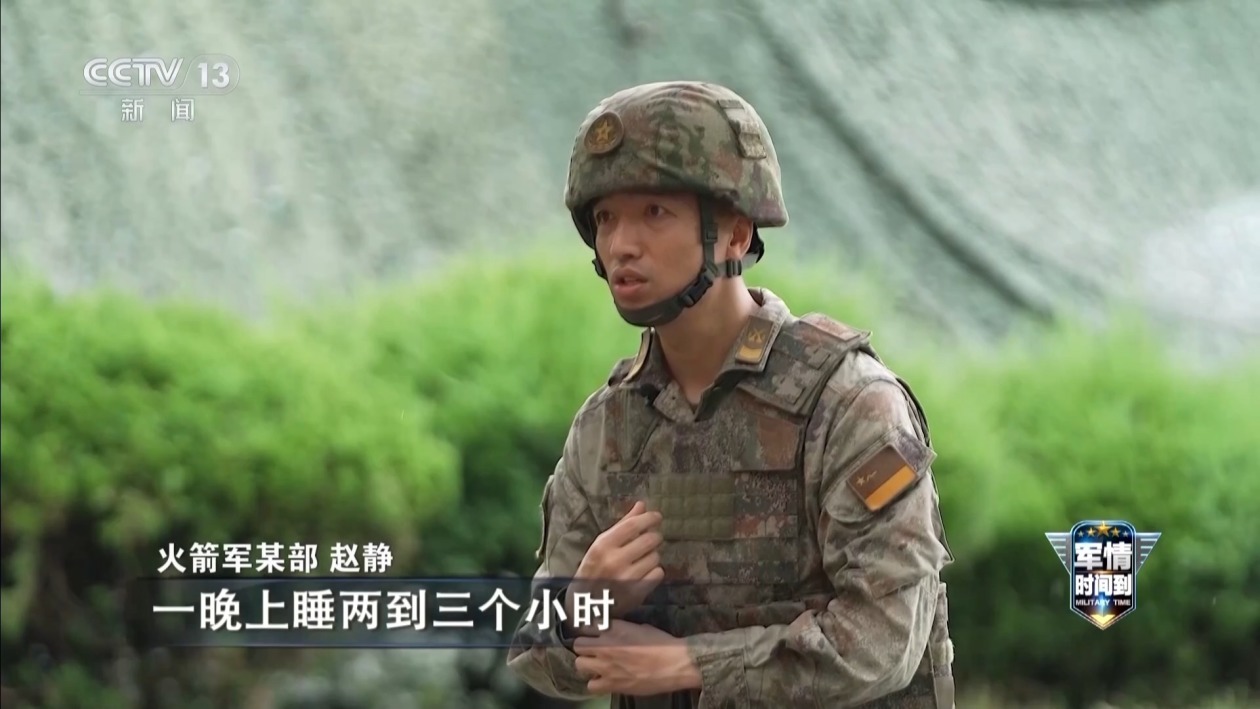
Zhao Jing from a certain unit of the Rocket Force: During that time, we often slept only two to three hours a night. Although we were sleep-deprived, our spirits were high, and our condition was excellent. During the actual testing, including status monitoring and standby preparation, we achieved zero errors and zero mistakes.
The continuous state of being fully ready not only subjected personnel to realistic training but also posed extreme challenges to equipment performance.
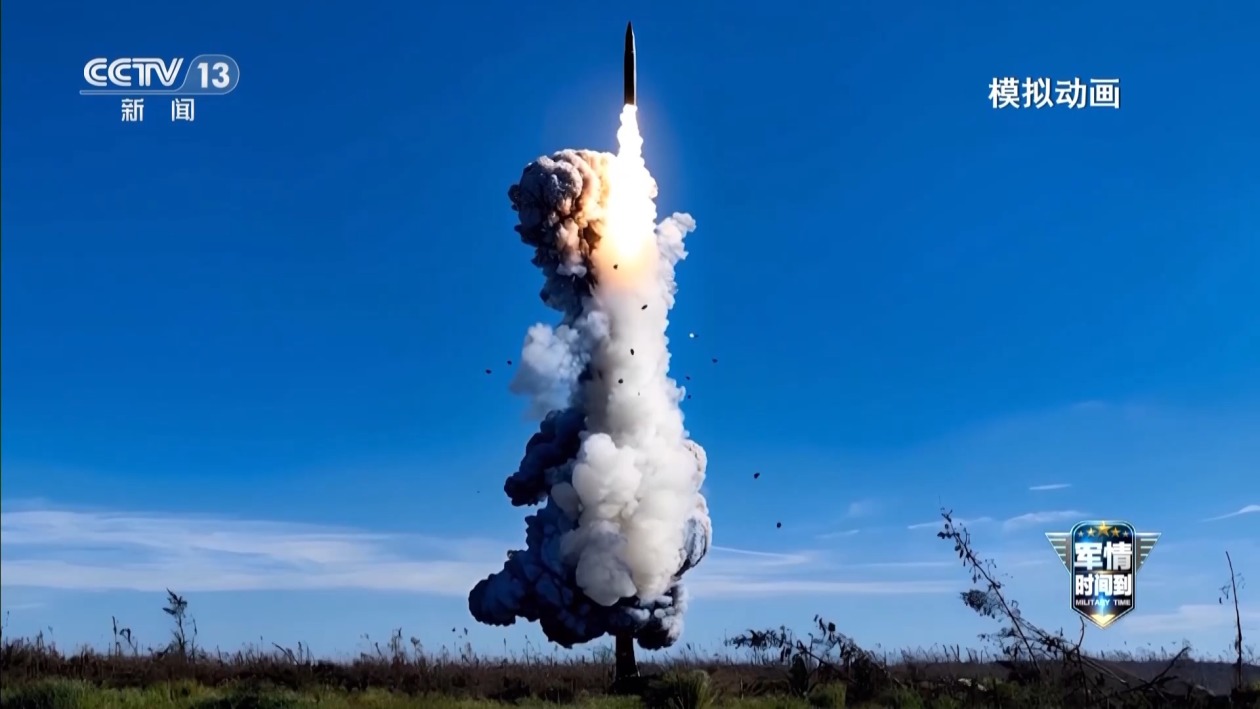
As the launch command was given, Zhao Jing calmly pressed the ignition button. Flames erupted, the long sword soared into the sky, and a tremendous roar shook the heavens and the earth. Watching the missile pierce the sky, at that moment, all the hardships, waiting, and torment transformed into the supreme glory of guarding the homeland.
Why was there a 44-year gap between the two test launches?
Military commentator Du Wenlong: The intercontinental weaponry, especially the nuclear weapon operational tools, undergoes long intervals of inspection for two main reasons.
First, the nation's heavy weaponry should not be easily revealed.
Second, this full-range strike operation has a series of high requirements for support, indicating that we have the capability for support and surveying in this area. Conducting a full-range operation is both a challenging and proud training process for the Rocket Force.
What can we infer from the photos released after the September 2024 test launch of the intercontinental ballistic missile?
Du Wenlong: First, the outdoor conditions indicate that we can launch intercontinental ballistic missiles under any terrain and weather conditions.
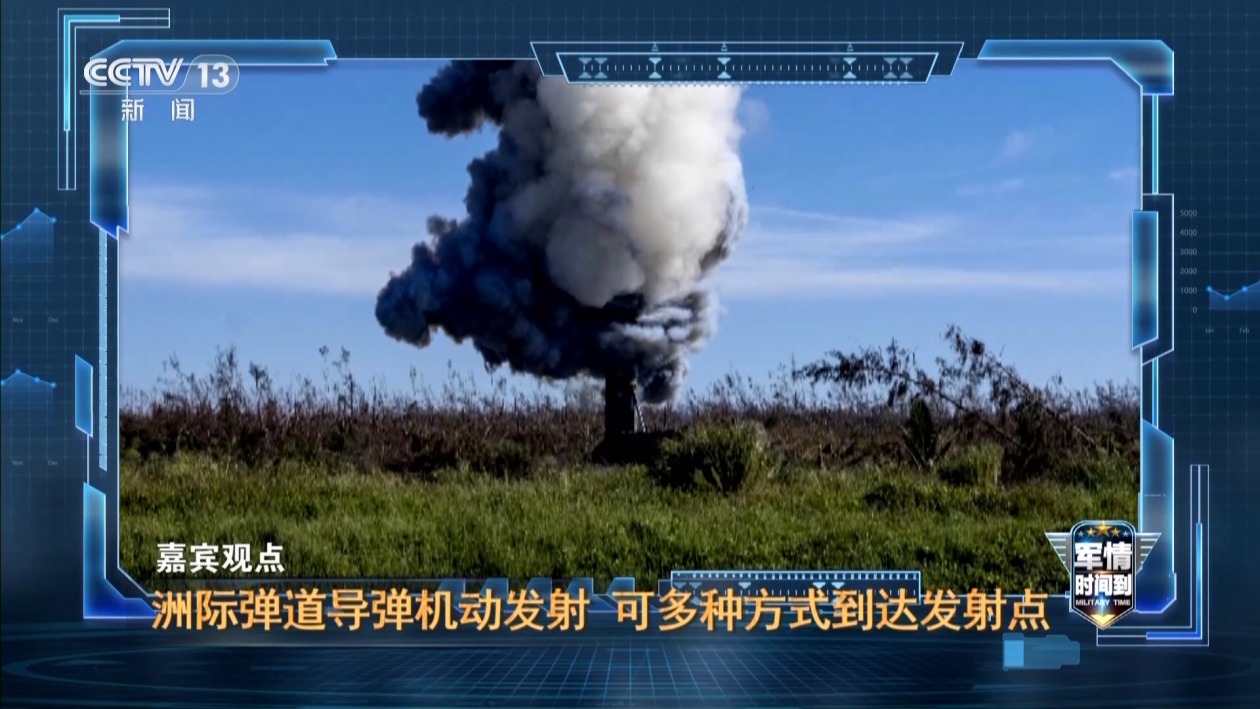
Second, the mobile launch indicates that a vehicle-mounted mobile method was used, rather than relying on fixed facilities for launch, demonstrating the ability to reach designated locations via roads, railways, and other mobile means to launch the missile and complete a series of combat tasks.
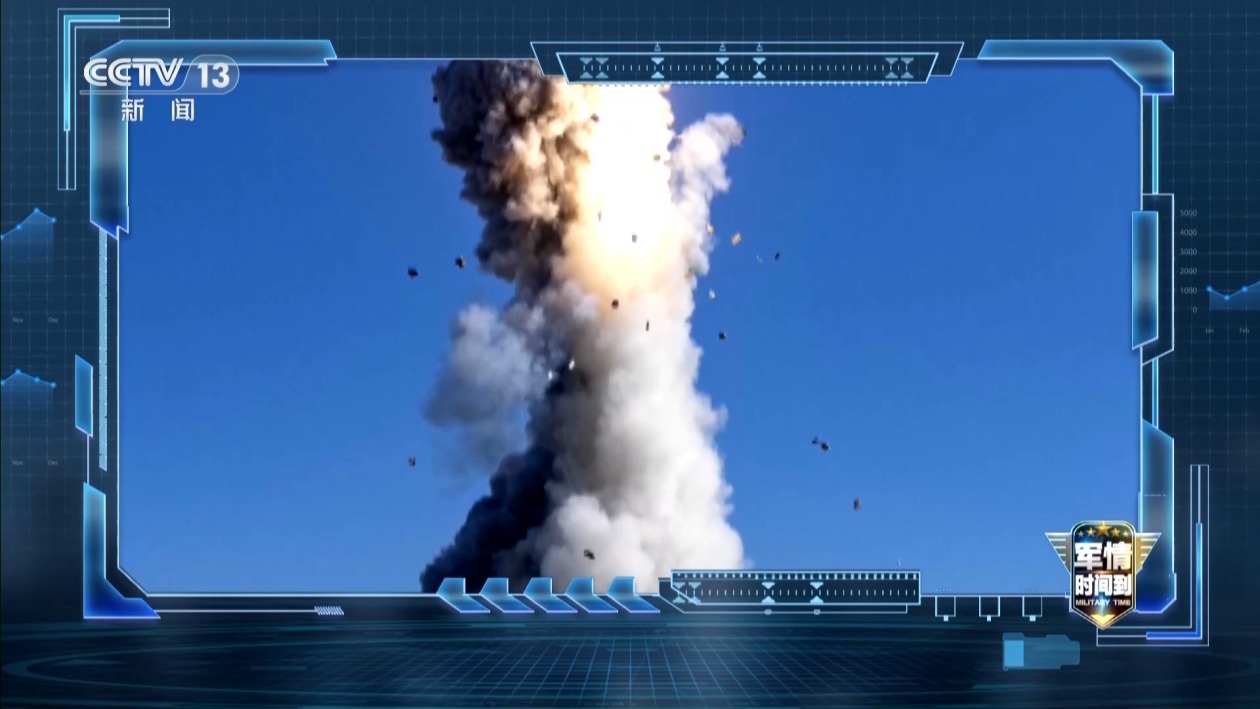
Third, the cold launch process shows that the colors of the smoke from the upper and lower sections are different, with the upper section being lighter and the lower section darker. Cold launch plays a particularly important role in protecting the launch device and ensuring personnel safety, indicating that the Rocket Force's mobile strike capability has reached combat standards.
Vehicle-mounted launchers have strong mobility; why do we still retain the method of launching from silos?
Du Wenlong: Silo-based launch is the most primitive method and was also the safest at the time, as the auxiliary facilities of the silo can quickly complete missile maintenance and enable rapid strikes upon receiving orders.
Additionally, silo-based missiles are generally larger and heavier, capable of forming a strong comprehensive destruction capability. During strategic deterrence strikes, land-based silo missiles still play a main role, so as technology advances, the response capability, protection capability, and strike level of silo-based missiles will continue to improve in tandem with other comprehensive factors.
The Rocket Force of the People's Liberation Army successfully launched an intercontinental ballistic missile (ICBM) on September 25, 2024, in the Pacific Ocean. This marked the first full-range test since 1980, showcasing advancements in missile technology and operational capabilities. The launch was conducted from a mobile platform, indicating enhanced mobility and flexibility in China's strategic deterrent forces.
- The Rocket Force successfully launched an ICBM on September 25, 2024.
- This was the first full-range test since May 18, 1980.
- The missile was launched from a mobile platform, demonstrating mobility and flexibility.
- The launch involved a training warhead and was conducted under challenging environmental conditions.
- The test indicates that China's mobile strike capabilities have reached operational standards.