
Video: From "Able to Fly" to "Good at Fighting" - Naval Aviation Troops Conduct Multi-Subject Real Combat Training
In order to hone the troops' all-time combat capabilities, a certain unit of the naval aviation in the Southern Theater Command has conducted cross-day-and-night flight training.
With the command of the flight commander, multiple helicopters slid out in succession and took off, heading to the designated airspace for various training exercises such as platform takeoffs and landings, and shipboard landings. The pilots flexibly adjusted the aircraft's altitude, and the crew closely coordinated to arrive at the target airspace on time. During the training, young pilots smoothly landed the helicopter within the platform marking circle, and then immediately flew to the target sea area for shipboard landing training. Despite the strong winds and waves on the sea surface, the pilots timely corrected the aircraft's attitude, successfully established the landing approach, and landed accurately under the guidance of the commander.
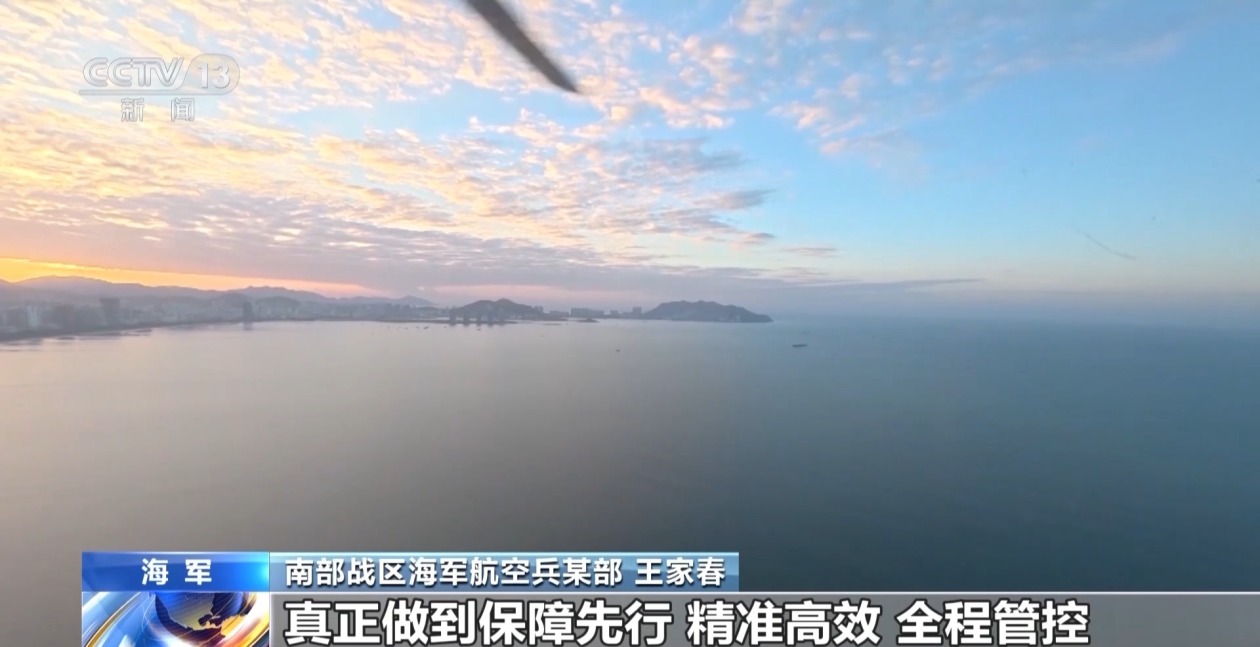
Wang Jiachun, a certain unit of the naval aviation in the Southern Theater Command: This cross-day-and-night flight training had a large time span, complex flight subjects, and variable weather conditions. To ensure the safe and efficient operation of the aircraft, we established a "combat-training integration" support plan, pushing the flight plan ahead into the support phase, truly achieving "support first, precision and efficiency, and full-process control."
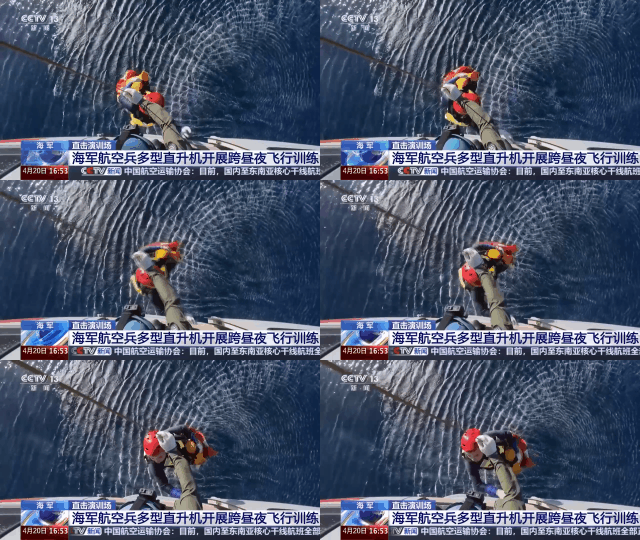
In another sea area, maritime search and rescue training is underway. The crew quickly located the "waterfall target," the pilot adjusted the course, precisely maneuvered in, and implemented a hover. The rescue personnel closely coordinated with the winch operator, descending from the cabin door to the sea surface, securing the "waterfall target," and hoisting it back into the cabin.
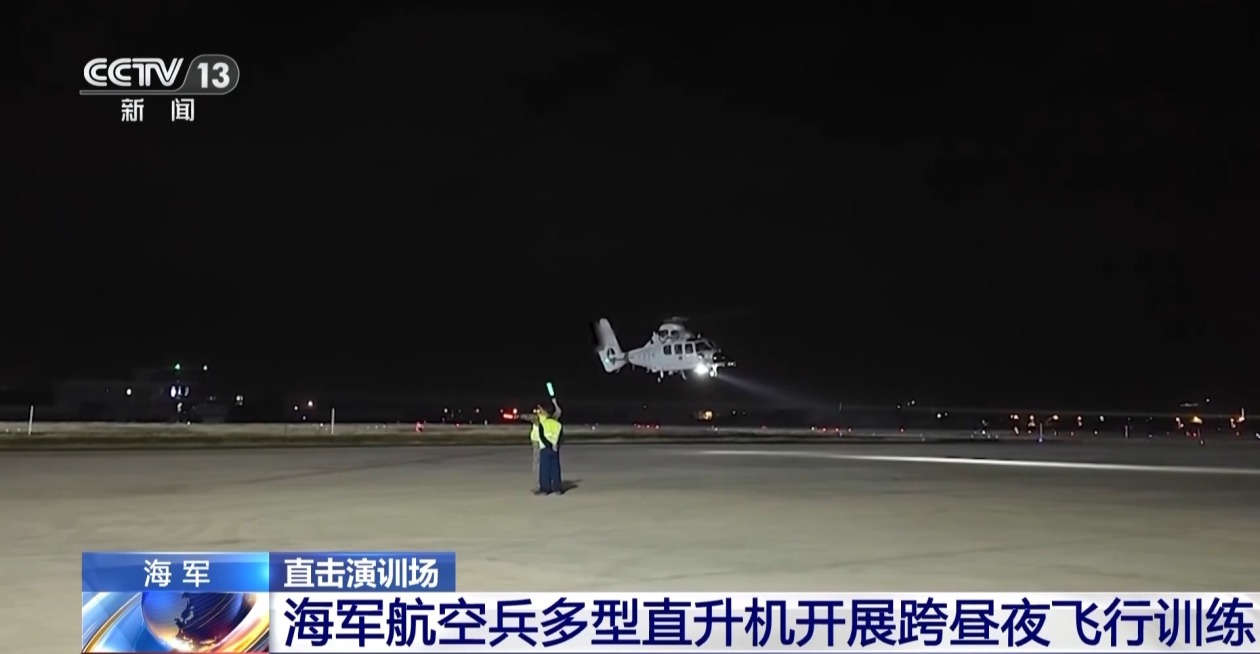
After the daytime training concluded, the aircraft returned one after another, and the maintenance personnel quickly conducted post-flight inspections and refueling. The pilots then conducted night flight training. As the ambient light diminished, the pilots adjusted the cockpit lighting. The low-light environment posed higher demands on the crew's psychological quality and operational skills, requiring them to overcome the effects of the dim environment and precisely control the aircraft, ensuring flight accuracy to the millisecond. Around 10 PM, as the last helicopter landed smoothly, the cross-day-and-night flight training concluded successfully.
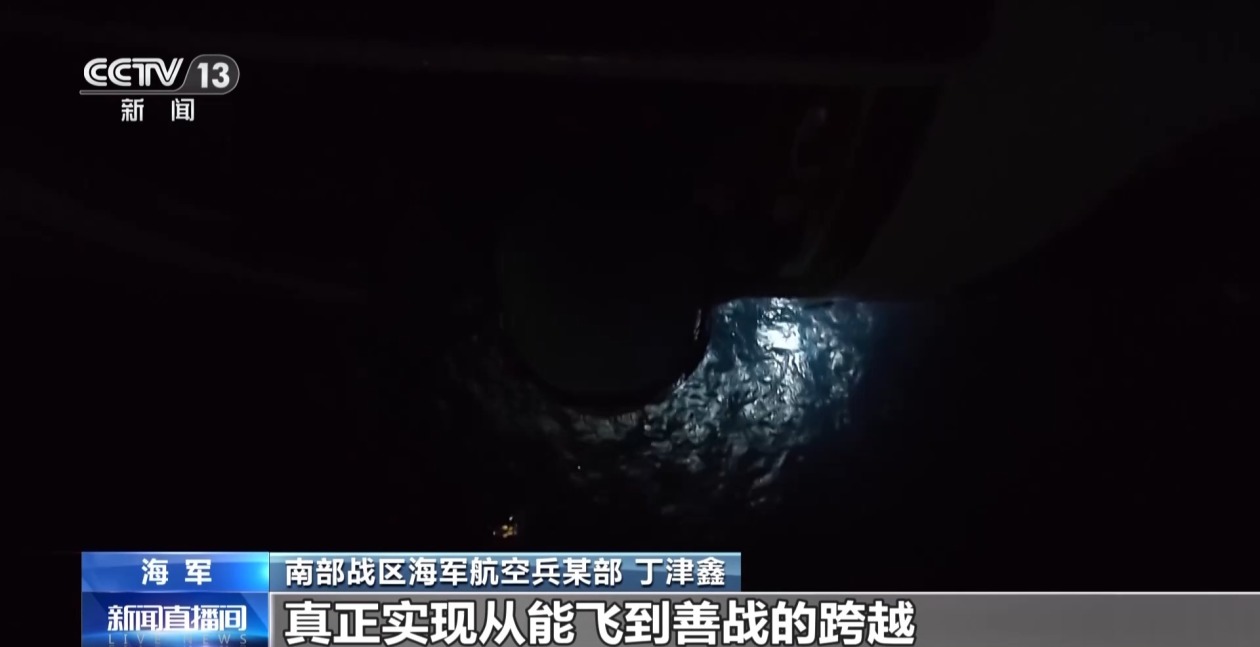
Ding Jinxin, a certain unit of the naval aviation in the Southern Theater Command: We aim at real combat, aligning with the combat capability generation cycle and the requirements of the new outline for realistic training, continuously conducting challenging training subjects such as shipboard landings and maritime search and rescue during cross-day-and-night flights, comprehensively testing the system's operational support and rapid response capabilities, truly achieving the leap from "able to fly" to "good at fighting."
Naval aviation conducts multi-subject flight training under complex weather conditions
In the Eastern Theater Command, a certain naval unit closely aligned with real combat, conducted flight training for platform takeoffs and landings, and ultra-low altitude under low weather conditions.
With the command from the control tower, various types of aircraft took off in the rain. Upon reaching the target airspace, each crew conducted multiple real combat training exercises such as large route takeoffs and landings, cloud penetration descents, and low-altitude maneuvers.
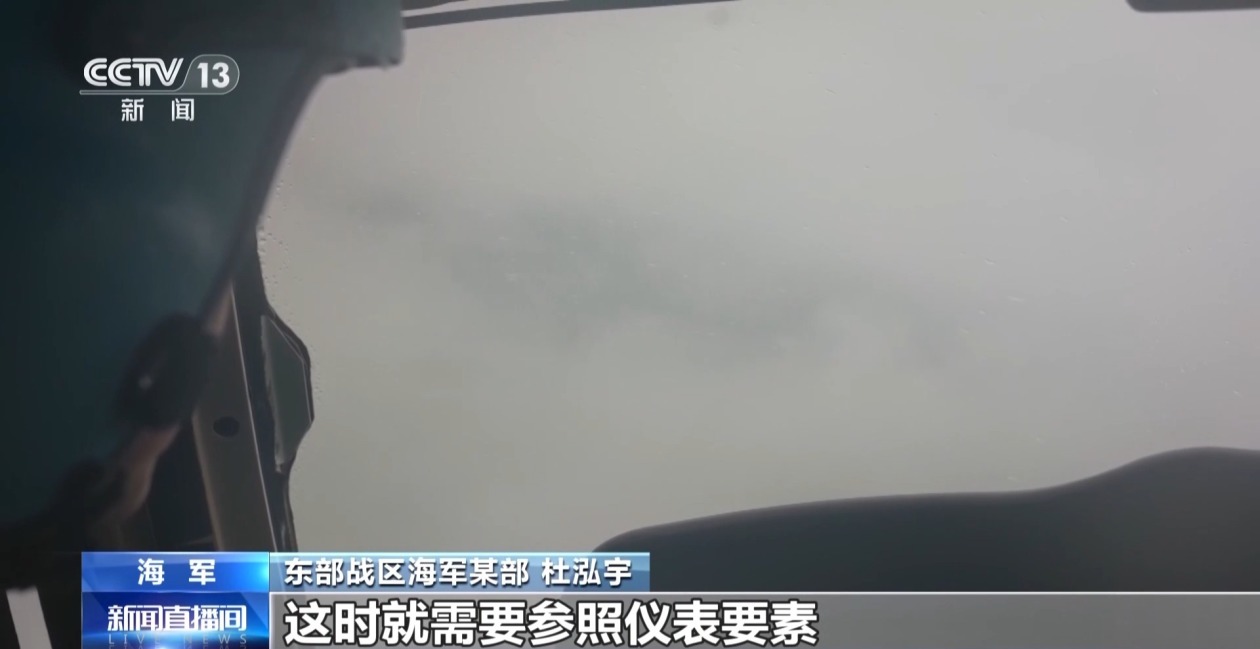
Du Hongyu, a certain unit of the naval aviation in the Eastern Theater Command: Today, the rain was heavy, severely obstructing our vision during flight, and after entering the clouds, the turbulence made it difficult to maintain the helicopter's state. At this time, it was necessary to refer to the instrument elements to maintain the flight attitude and prevent flight illusions.
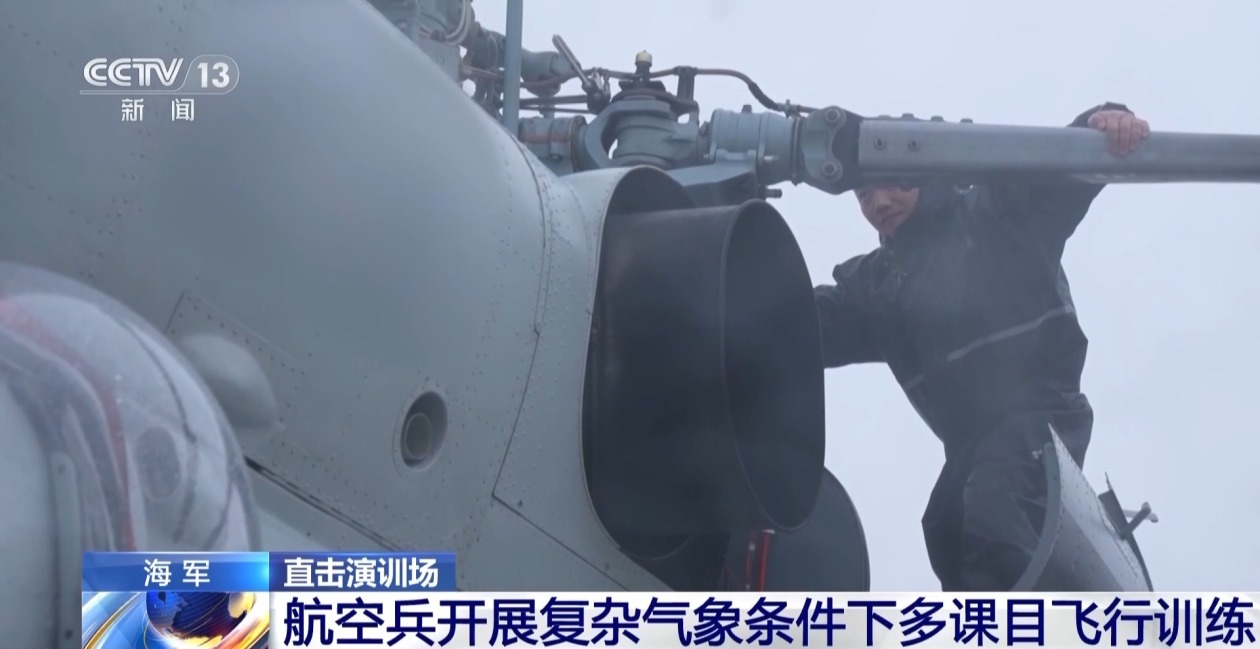
After completing the stage training subjects, the aircraft returned one after another, and the maintenance personnel quickly checked the aircraft and conducted refueling operations. The pilots took a brief rest before once again piloting the aircraft into the rain for subsequent training subjects. It is understood that this unit has scientifically formulated training plans based on recent weather characteristics, continuously increasing training on complex weather, nighttime, and low visibility at sea.
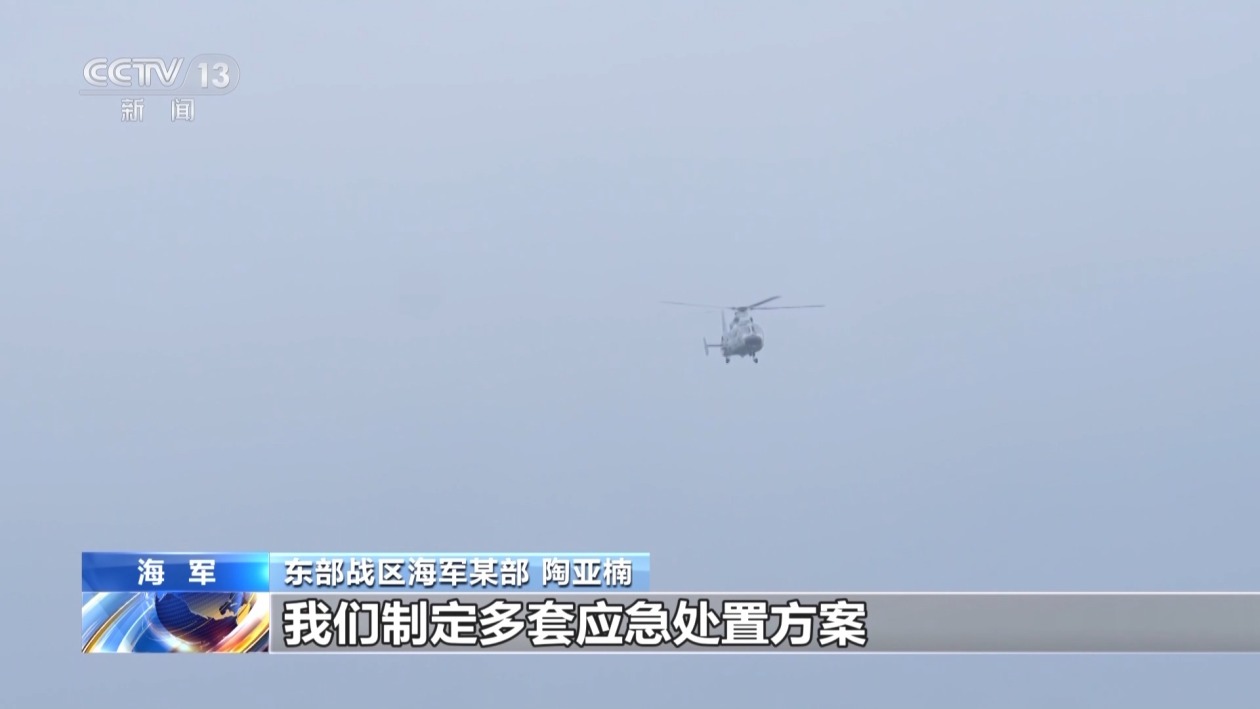
Tao Yanan, a certain unit of the naval aviation in the Eastern Theater Command: In response to possible situations such as course deviations under complex weather conditions, we have developed multiple emergency response plans, ensuring timely communication between air and ground, and fully guaranteeing flight safety.
The Naval Aviation Force of the Southern and Eastern Theater Commands conducted extensive day and night flight training exercises, including platform takeoffs, landings, and maritime search and rescue operations. Young pilots demonstrated their skills under challenging weather conditions, successfully completing complex maneuvers. Logistical support was prioritized to ensure the safety and efficiency of the operations, which involved multiple aircraft across different regions.
- Naval Aviation Force conducted day and night flight training exercises.
- Training included platform takeoffs, landings, and maritime search and rescue.
- Young pilots successfully completed complex maneuvers under challenging weather conditions.
- Multiple aircraft were involved in the training across different regions.
- Logistical support was emphasized to ensure safety and efficiency during operations.