
Video | Unveiling "Special Transfer": Ironclad Evidence of Japanese Militarism's "State Crimes"

Today marks the 95th anniversary of the "September 18 Incident." Let's visit the Evidence Exhibition Hall of the Japanese Army's Unit 731 in the Pingfang District of Harbin to learn about the "Special Transfer" archives.
The so-called "Special Transfer" refers to the heinous act during the Japanese invasion of China, where military and police agencies such as the Kwantung Garrison and others transferred captured anti-Japanese spies, patriots, and other individuals to Unit 731 for human experimentation without court trials. The "Special Transfer" system was an important channel for Unit 731 to systematically obtain live subjects for experiments.
"Missing for over fifty years"
How a name was retrieved from the archives
In the "Special Transfer" exhibition hall of the Evidence Exhibition Hall of the Japanese Army's Unit 731, there is a photo on display. The subject of the photo is Yuan Meizhen, the head of the Operations Department of the Northeast Anti-Japanese United Army's 7th Army, who is one of the cases of "Special Transfer" by the invading Japanese army.
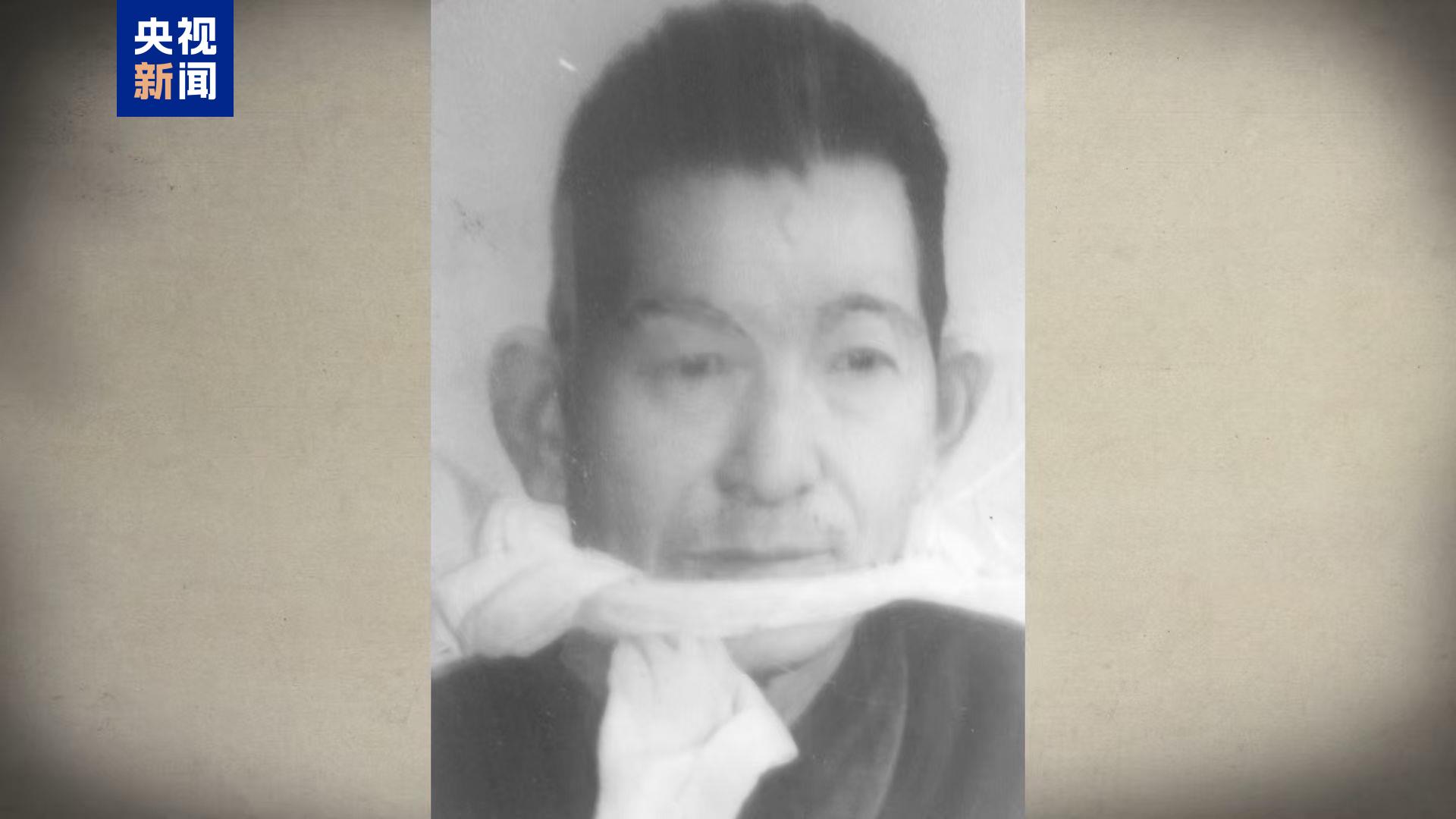
△ Photo of Yuan Meizhen displayed in the "Special Transfer" exhibition hall.
He once opened a restaurant called "Yuan's Restaurant" in Hulin, presenting himself as a restaurant owner, but in reality, he was an intelligence officer, frequently traveling between the China-Soviet border to deliver important intelligence to the Comintern. In 1941, Yuan Meizhen was arrested by the Hulin Garrison on charges of "communicating with Soviet spies" and subsequently went missing. It wasn't until over 50 years later, in 1997, that his name was discovered in two archived documents preserved in the Heilongjiang Provincial Archives.
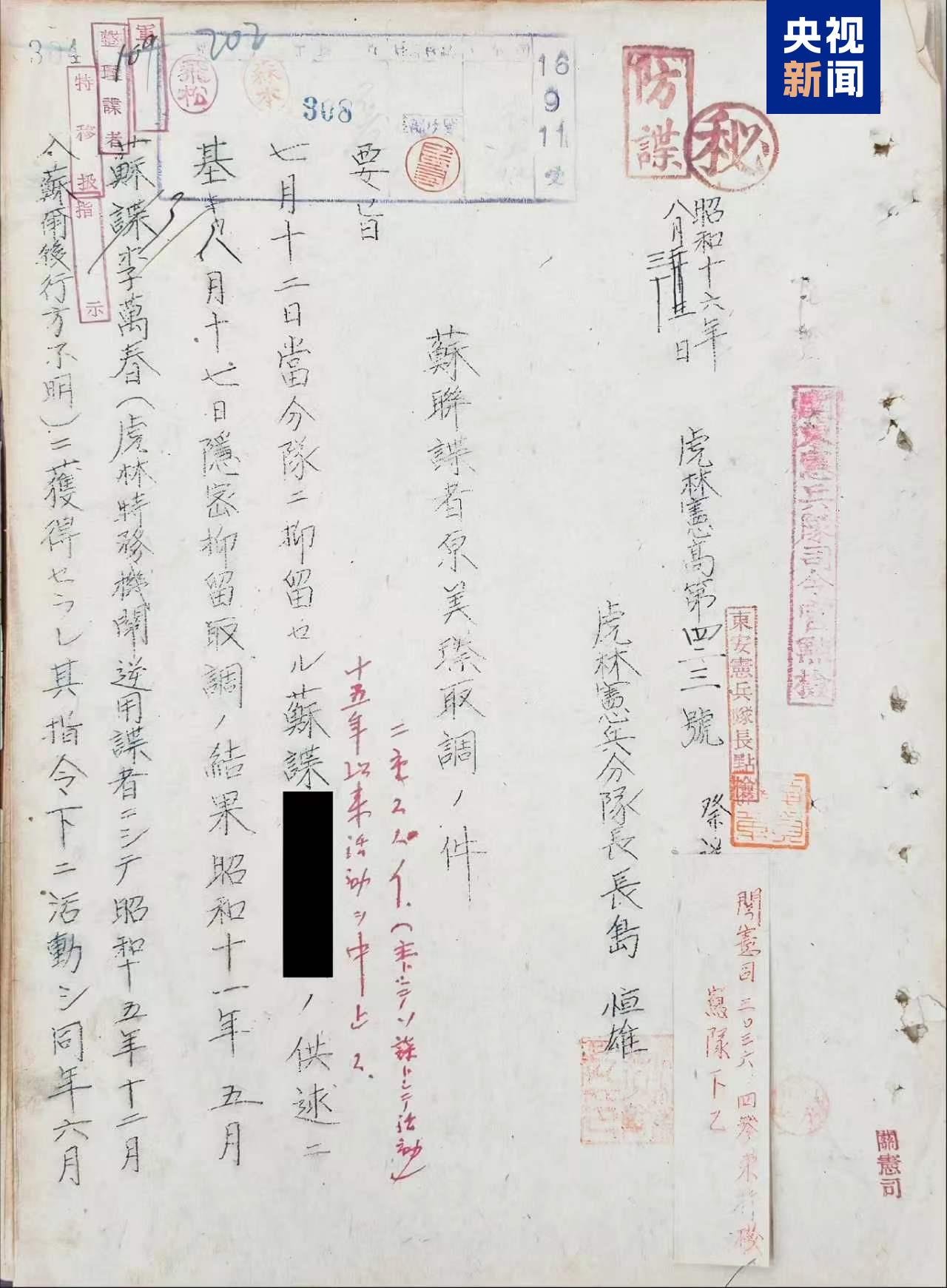
One document is an interrogation report submitted by the Hulin Garrison.
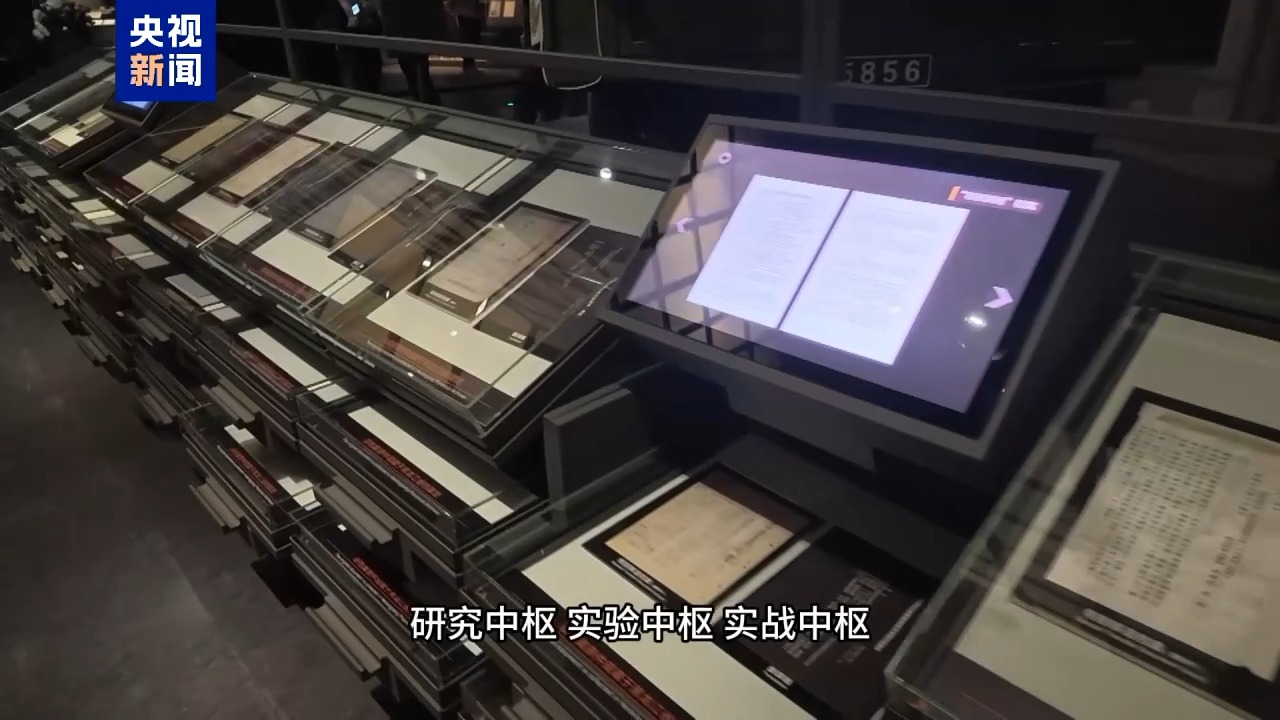
△ Staff member shows the original "Special Transfer" document to reporters.
Zhao Qian, Heilongjiang Provincial Archives Publicity and Education Department: The report begins by recording that Yuan Meizhen was secretly detained on August 17, 1941, after being secretly arrested on the streets of Hulin. The header of this report is stamped with a confidential seal, indicating that it is an internal secret report of the Kwantung Garrison, which includes the long strip seal of the commander of the Dong'an Garrison and the commander of the Kwantung Garrison, as well as a "Special Transfer" stamp, meaning this person was processed as a "Special Transfer."
Gong Wenjing, director of the International Research Center for Unit 731 Issues at the Harbin Academy of Social Sciences, introduced that "Special Transfer" is a specialized term primarily used to provide a stable source of human subjects for Unit 731's human experiments, mainly utilized between the Kwantung Garrison, the Police Department, the Security Department, and related intelligence agencies and Unit 731, making it a secretive term.
Jin Shicheng, director of the Publicity and Exhibition Department of the Evidence Exhibition Hall of Unit 731: The process of "Special Transfer" mainly includes arrest, interrogation, and the writing of an interrogation report, followed by the Kwantung Garrison issuing orders to transfer to Unit 731; once sent to Unit 731, the individuals were first detained in a special prison, then subjected to experiments and pathological dissections, with all those transferred ultimately dying in the laboratory or dissection room.
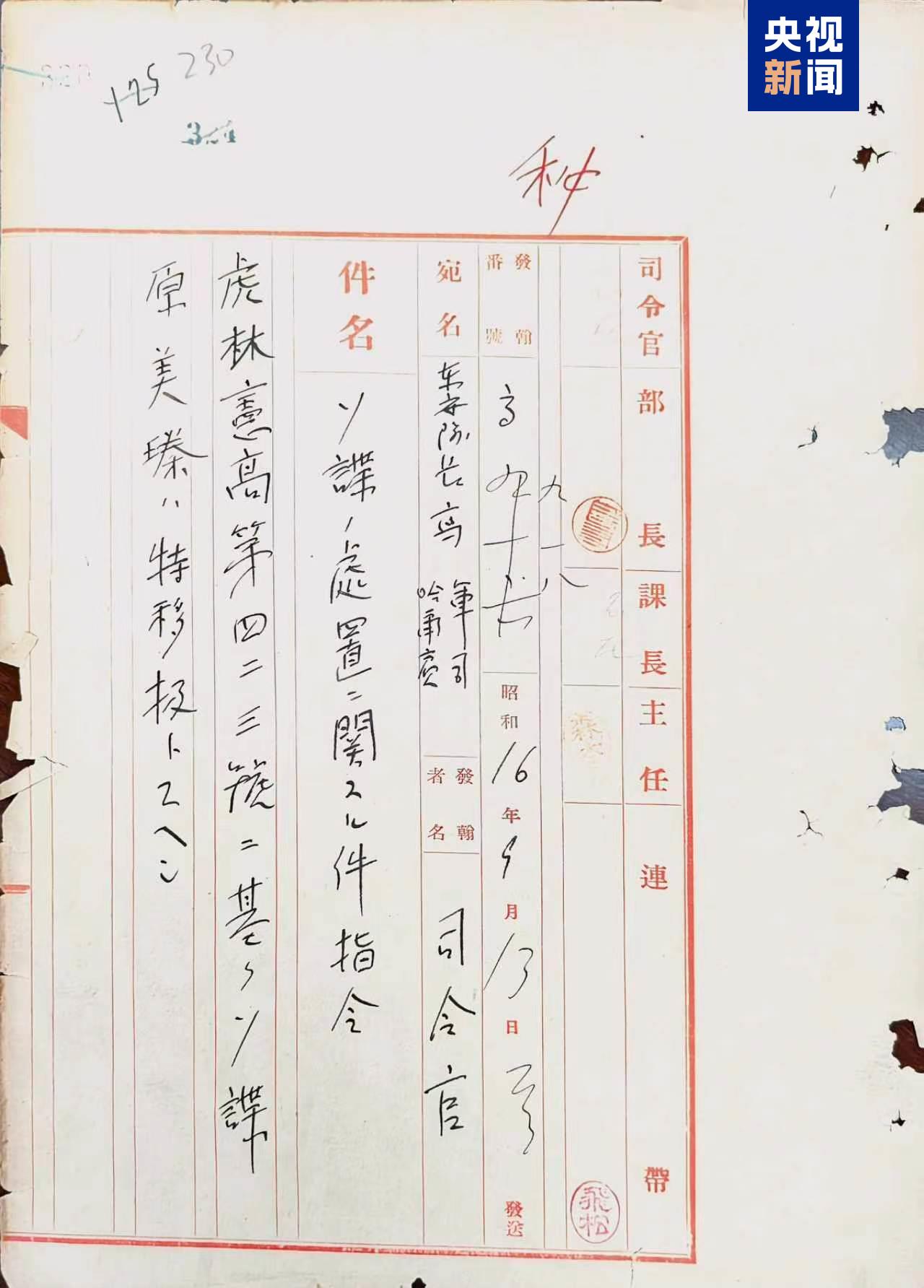
The other document is a secret telegram from the commander of the Kwantung Garrison to the commander of the Dong'an Garrison, which issued the following directive: based on report No. 423 from Hulin County, Yuan Meizhen should be processed as a "Special Transfer."
This directive proves that this individual was ultimately transferred to Unit 731.
The procedure of "Special Transfer," from arrest to interrogation to report formation, operated entirely within the Kwantung Garrison and was reported step by step to the command headquarters—Yuan Meizhen's name could be traced back due to the archival records left at each level.
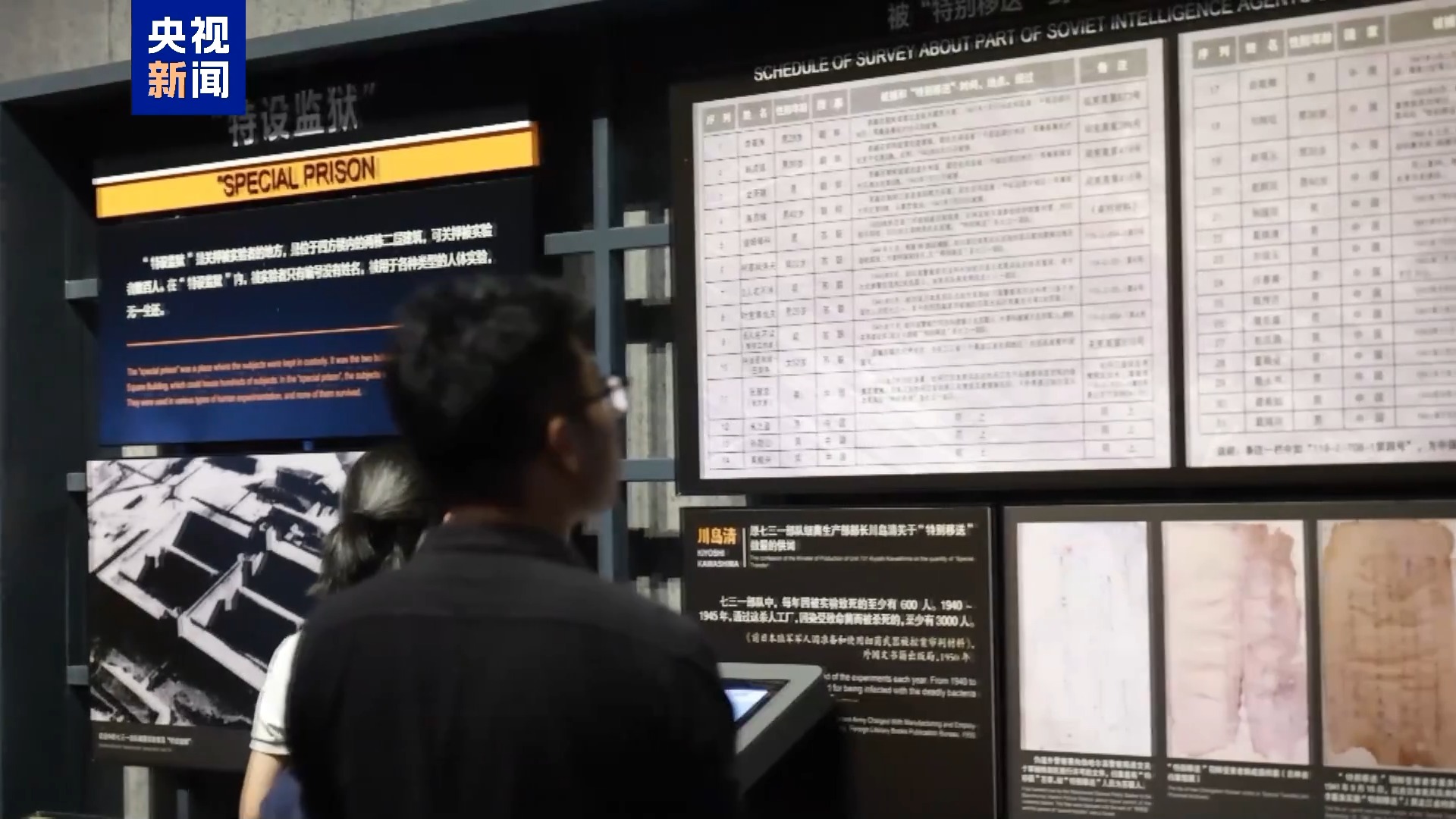
Only a portion of individuals like Yuan Meizhen left complete archives. According to data provided by the International Research Center for Unit 731 Issues at the Harbin Academy of Social Sciences, there are currently 1,556 individuals identified as having been "Specially Transferred" through archives, historical materials, and records from the Blagoveshchensk trial, many of whom provided intelligence for the Northeast Anti-Japanese United Army and the Comintern.
Procedures specifically for Unit 731's human experiments
From "Special Transfer" to state crime
Why is it called "Special Transfer"? Because it does not go through trial or relevant law enforcement agencies. The official interrogation procedures and identification procedures are clearly private actions. All documents regarding "Special Transfer" are stamped with the word "Secret," and some are marked "Confidential" or "Top Secret," indicating they are classified documents.
The Japanese Army's Unit 731 developed biological weapons and conducted biological warfare, which had a prerequisite—indoor experiments, which required human subjects. This is also the main reason why Unit 731 moved from Tokyo, Japan, to Harbin, China: capturing subjects for experiments in Harbin and other northeastern regions required processes and procedures.
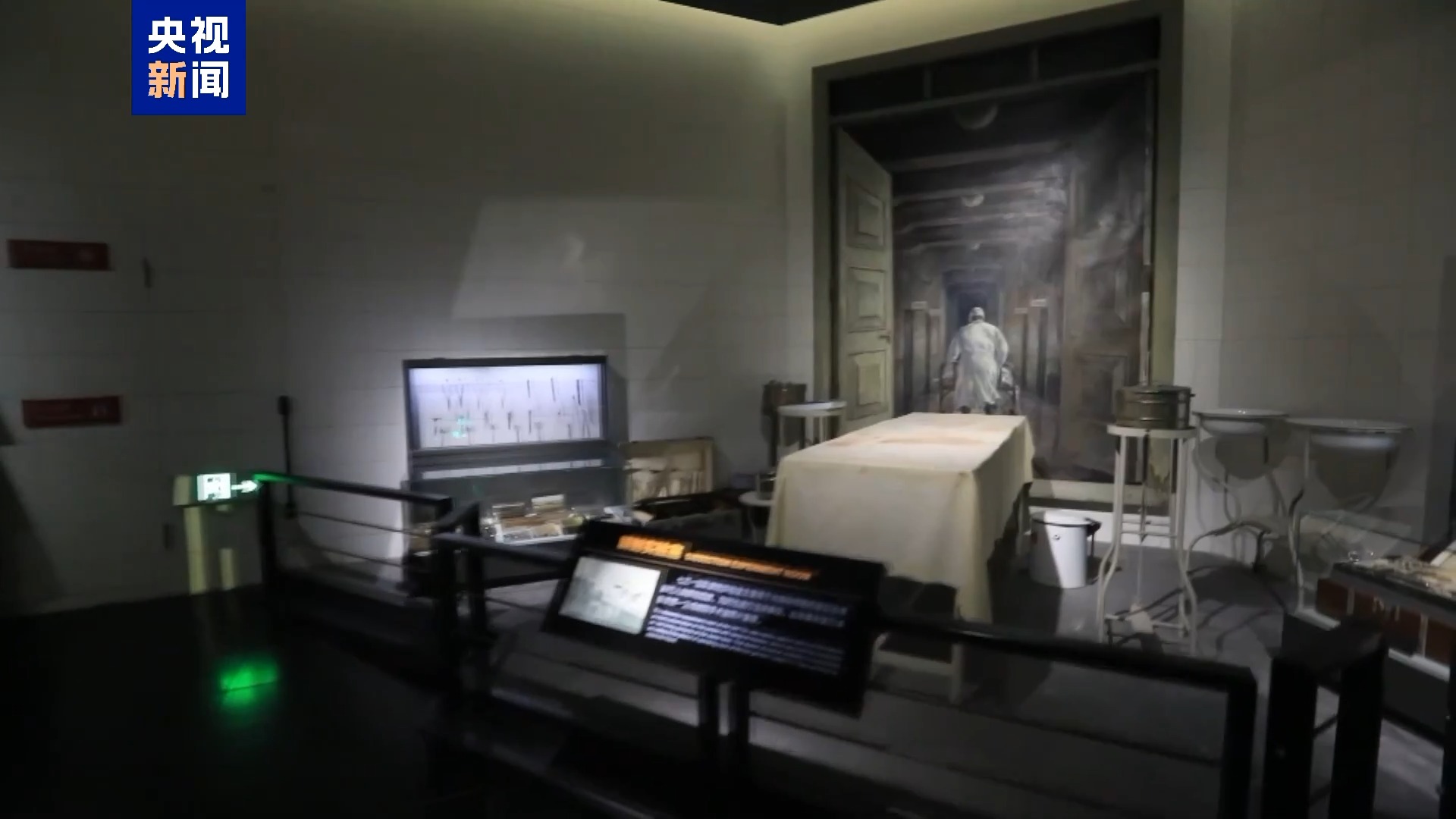
"Special Transfer" mainly addresses the source of human subjects for Unit 731's experiments and can be said to be a special plan specifically formulated for Unit 731's human experiments. Gong Wenjing explained that the criteria for identifying those who were "Specially Transferred" underwent two iterations:
The first was a circular issued in 1938 regarding "Special Transfer," which began to institutionalize and systematize the "Special Transfer" system;
Then, after five years of iteration, a more systematic document regarding the identity of "Specially Transferred" individuals was issued in 1943. This document shows that some anti-Japanese fighters, and even some civilians, referred to as all individuals with potential anti-Japanese capabilities, could be sent to Unit 731.
The basis for defining the scope was a document formulated by the Kwantung Garrison itself, not any legal statute.
Gong Wenjing, director of the International Research Center for Unit 731 Issues: Japan clearly knew that preparing and implementing human experiments served the strategic considerations of Japan's invasion of China and the use of biological warfare against the Soviet Union, and such actions themselves violate international conventions and international law. Japan can be said to be fully aware of this, which is why it took a series of actions to cover up and embellish its war crimes—hence the emergence of "Special Transfer."
Gong Wenjing stated that "Special Transfer" is a core link in the vast criminal network of Japan's biological warfare against China, connecting the research center, experimental center, and combat center, with all experimental results from human experiments conducted by Unit 731 stemming from those living lives. And where do these lives come from? They originate from the secretive, evil, and cruel "Special Transfer" system.
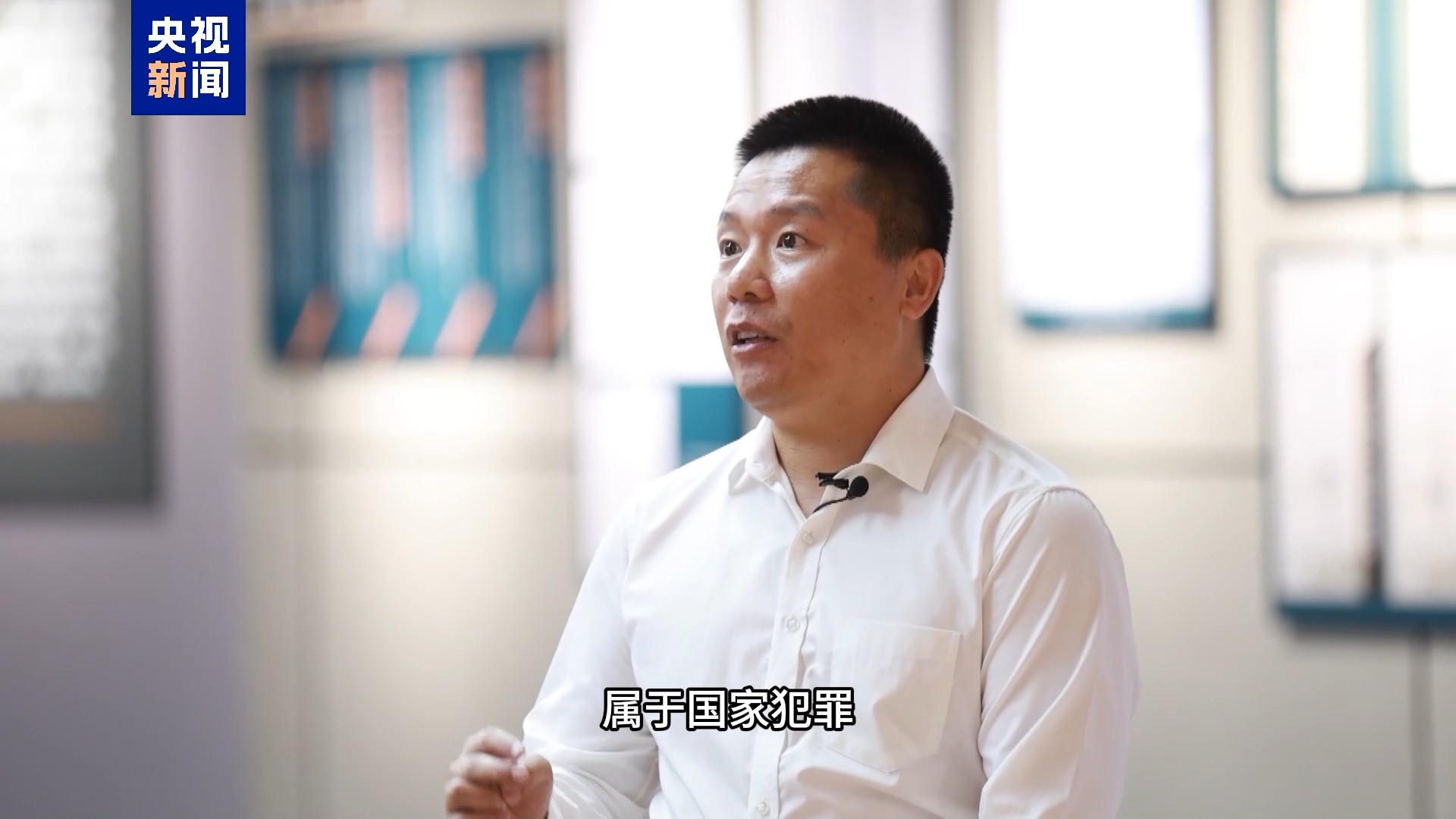
Jin Shicheng, director of the Publicity and Exhibition Department of the Evidence Exhibition Hall of Unit 731: Japan's biological warfare against China is not only a collective crime of the Japanese medical system but also a collective crime formed by the collaboration of the garrison system and the military system, characterized by being organized and systematic from top to bottom, constituting a state crime.
(Reported by Yang Yang, Wang Haiqiao, Zhang Gengsheng, Wu Yinong from the Central Radio and Television Station)
Unit 731 conducted secret transfers of 1556 individuals for human experimentation in Harbin during the Second Sino-Japanese War. This 'special transfer' system bypassed legal proceedings, allowing the Japanese military to systematically acquire subjects for inhumane experiments. The operations were documented through internal reports and are recognized as state crimes against humanity.
- Unit 731 conducted human experiments during the Second Sino-Japanese War.
- The 'special transfer' system was used to move individuals without trial.
- Over 1556 individuals were documented as victims of this system.
- The process involved secret arrests and transfers to Unit 731 for experimentation.
- The actions of Unit 731 are classified as state crimes against humanity.