
Volkswagen in talks to make Iron Dome parts at struggling German auto plant: report

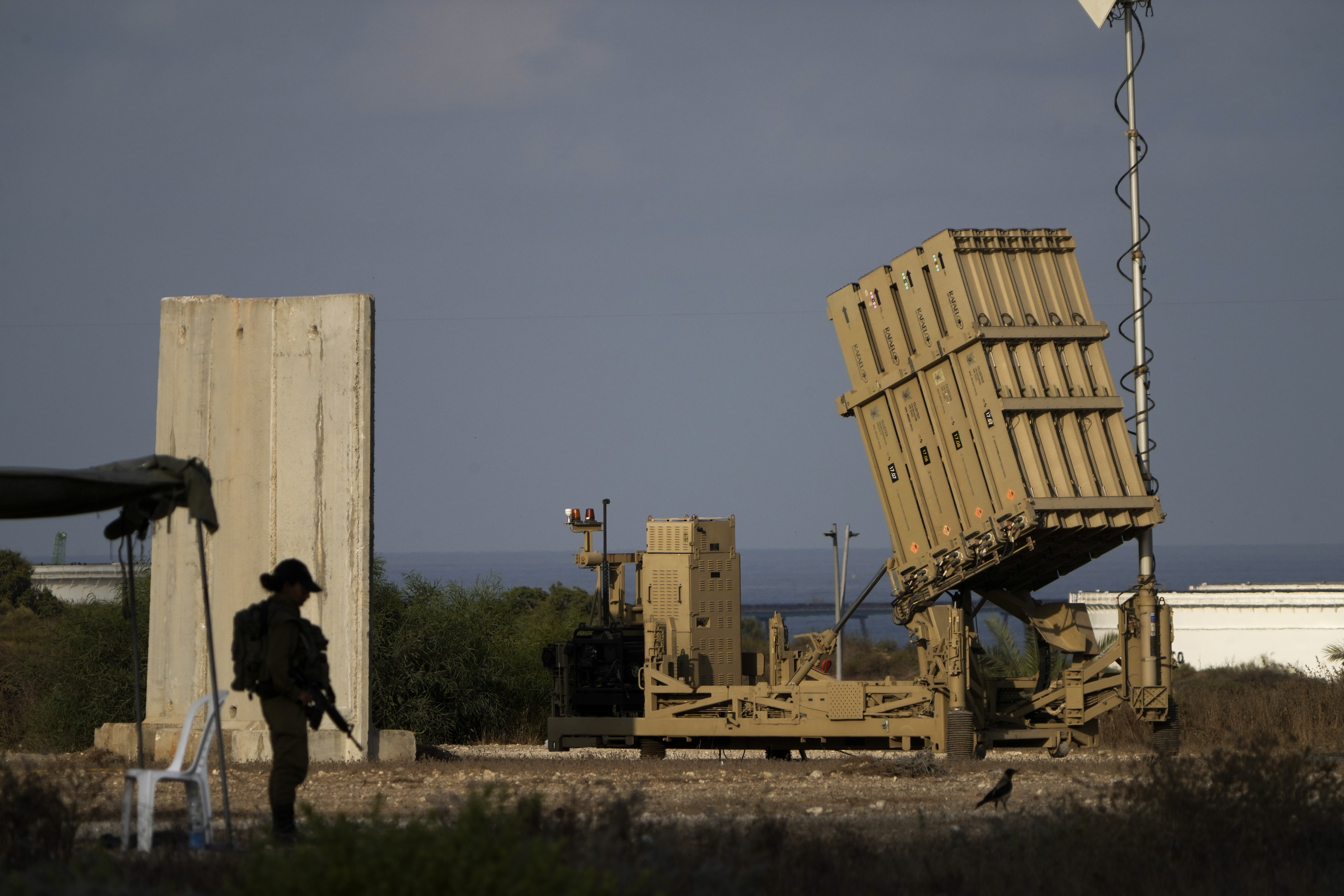
BERLIN — Volkswagen is in discussions with Israeli defense company Rafael Advanced Defence Systems to convert its factory in Osnabrück, Germany, into a production site for components of the Iron Dome air defense system, the Financial Times reported this week, citing multiple sources familiar with the plans.
The reported talks are one of the most dramatic signs yet of a structural shift underway in Germany’s automotive sector, which has struggled to stay competitive in the car industry and has increasingly reoriented itself toward manufacturing military gear.
The Federal Association of the German Security and Defence Industry last year proposed repurposing idle auto capacity for defense output, as Berlin began unlocking hundreds of billions of euros in new military spending under the country’s ambitious rearmament plans and the EU’s ReArm Europe framework.
French carmaker Renault to produce long-range drones for French forces
Several automotive manufacturers have begun to retool factories and retrain workers. Among them, Rheinmetall has already moved to convert two of its own automotive plants in Berlin and Neuss. VW’s reported discussions with Rafael would extend that logic to the civilian carmaker.
The Osnabrück plant employs around 2,300 workers and currently produces the T-Roc Cabriolet, a model being phased out by mid-2027. Oliver Blume, the company’s CEO, had announced a week earlier that VW would no longer produce any of its own cars at the Osnabrück plant starting next year.
Under a prospective deal, the facility would manufacture support components for the Iron Dome − heavy-duty transport trucks, launch units and power generators − rather than interceptor missiles, which Rafael plans to produce at a separate German facility. Regarding the jobs at the plant, an insider told the FT the goal was to “save everybody, maybe even to grow.”
The talks come as Volkswagen contends with its worst financial performance in nearly a decade. The group’s operating profit collapsed 53.5% in 2025 to €8.9 billion ($10.3 billion), and net profit fell 44% to €6.9 billion − the lowest since the “Dieselgate” scandal.
VW announced plans in March to cut 50,000 jobs in Germany by 2030, including at subsidiaries Audi and Porsche. Negotiations to sell the Osnabrück plant to Rheinmetall stalled, and the defense giant ultimately turned down the deal in mid-March.
No agreement about making Iron Dome components there has been finalized. The car maker said it is still examining options for the plant. The works council − which holds significant clout under German labor law − must approve any conversion, and its position is the pivotal variable. Production, if approved, could begin within 12 to 18 months.
Volkswagen is negotiating with Rafael Advanced Defence Systems to convert its Osnabrück factory into a site for producing components of the Iron Dome air defense system. The plant, which currently employs 2,300 workers, would manufacture support components rather than interceptor missiles. This move reflects a broader shift in Germany's automotive sector towards military production amid increased defense spending. Production could start within 12 to 18 months, pending approval from the works council.
- Volkswagen is in talks with Rafael to produce Iron Dome components in Osnabrück, Germany.
- The Osnabrück plant currently employs around 2,300 workers and produces the T-Roc Cabriolet.
- The facility would manufacture support components like transport trucks and power generators.
- Volkswagen plans to cut 50,000 jobs in Germany by 2030, including at subsidiaries Audi and Porsche.
- Production could begin within 12 to 18 months if approved.