
What are the advantages of the "Aerial Triangle" joint operations? Military experts analyze.
Recently, a certain brigade of the Army's 83rd Group Army organized a helicopter unit for cross-regional long-range maneuvering, conducting live-fire exercises with multiple helicopter models and munitions types in the vast northern desert, testing the air infiltration combat capabilities of the officers and soldiers from single aircraft penetration to formation coordination.
Cross-day-and-night live-fire exercises
Honing aerial combat skills
As the tower commander issued the order, various helicopter models such as the Z-19, Z-10, and Z-20 formed a tactical formation, taking off in sequence to infiltrate the target area at low altitude. Ahead, simulated enemy aircraft suddenly took off to intercept; the pilots quickly adjusted the flight attitude and altitude of their helicopters, relying on target information shared via data links to rapidly lock onto the target and accurately hit it with missiles.
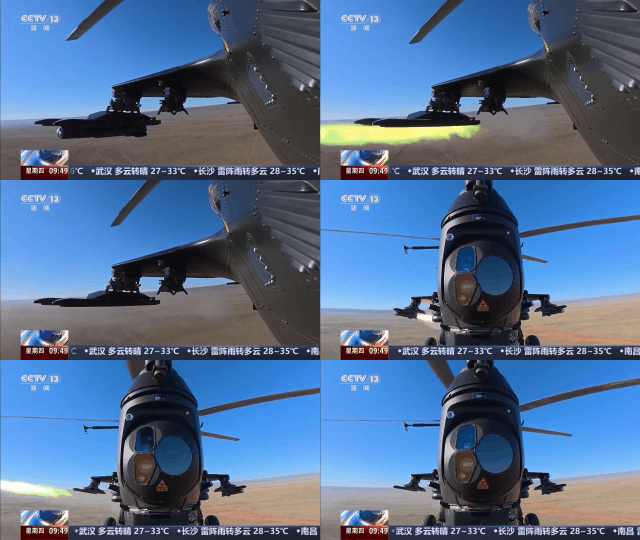
Brigade member Liu Chaobo from the 83rd Group Army: Before the training, we fully simulated the live-fire shooting process through mock exercises and sand table drills, which allowed me to master the entire shooting process proficiently. During this exercise, I quickly aimed and accurately hit the designated target.
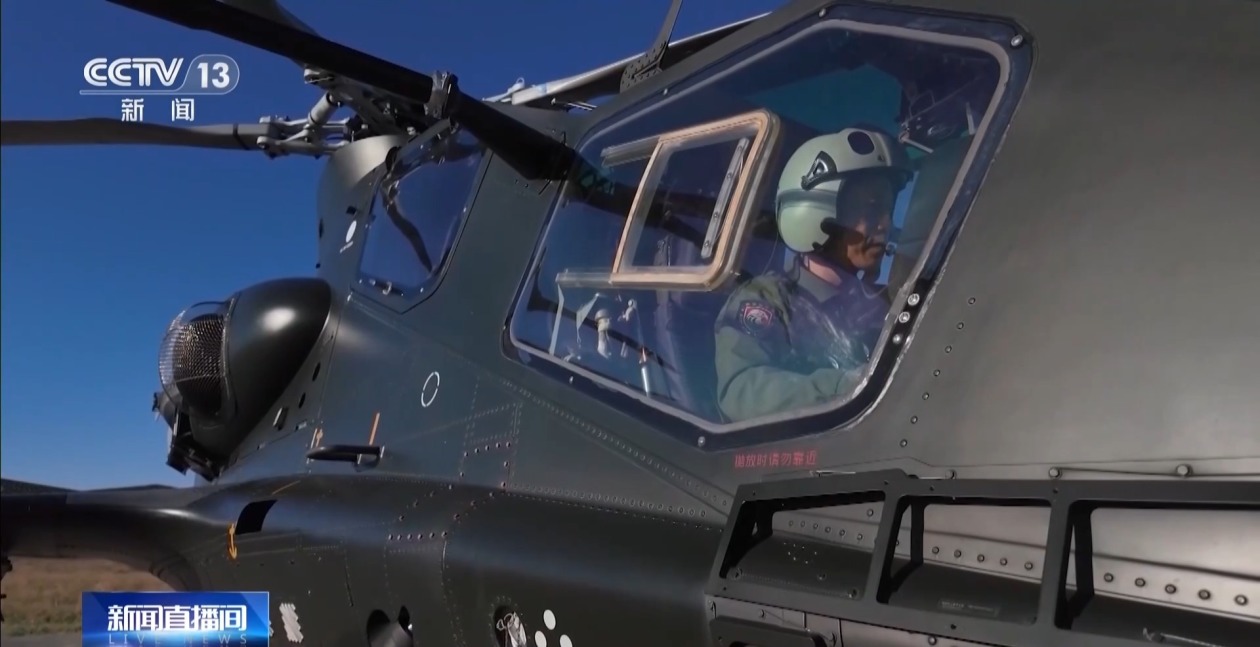
After the first round of shooting, the helicopters landed at a field airport, where maintenance personnel quickly inspected and maintained the aircraft and loaded ammunition, preparing for another sortie. As night fell, after completing rest and resupply, the helicopters swiftly launched an assault on the target area. At this time, simulated tank targets appeared, and the pilots quickly adjusted based on the reported situation, entering the shooting angle and using air-to-ground missiles for precise strikes.
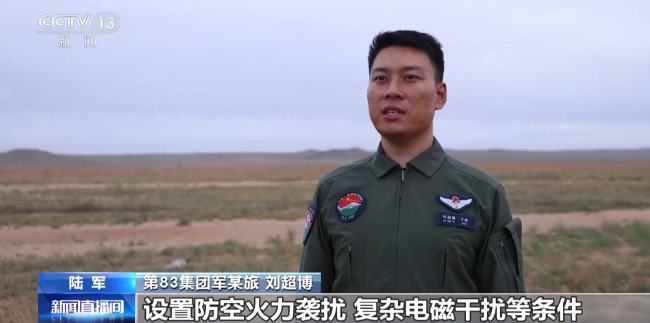
Brigade member Liu Chaobo from the 83rd Group Army: This live-fire exercise set conditions such as anti-aircraft fire interference and complex electromagnetic interference. Through real-time guidance from air-ground coordinators and damage assessment, the helicopters responded quickly with firepower, seamlessly integrating air and ground operations on the information link, successfully completing live-fire tests under combat conditions.
"Aerial Iron Triangle": Reconnaissance, Strike, and Delivery in One
During the exercise, multiple helicopter models such as the Z-10, Z-19, and Z-20 cooperated in combat, implementing joint strikes and establishing a complete operational chain of "reconnaissance-strike-delivery." From low-altitude infiltration to three-dimensional assaults, how do different models fulfill their roles? What tactical effectiveness will joint operations unleash?
Military commentator Zhang Xuefeng stated that the Z-19, Z-10, and Z-20 each have different functions.
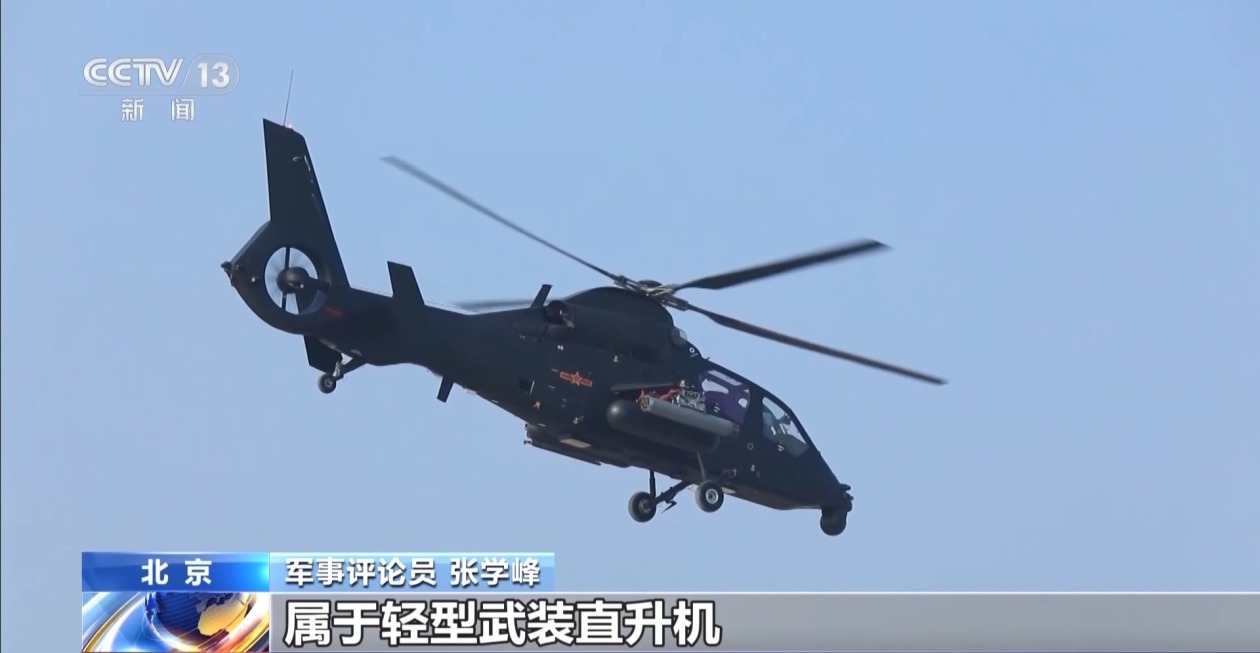
Z-19 is a light armed helicopter with a takeoff weight of about 4 tons. It plays the role of "airborne light cavalry," capable of providing fire support and undertaking forward reconnaissance and fire guidance missions.
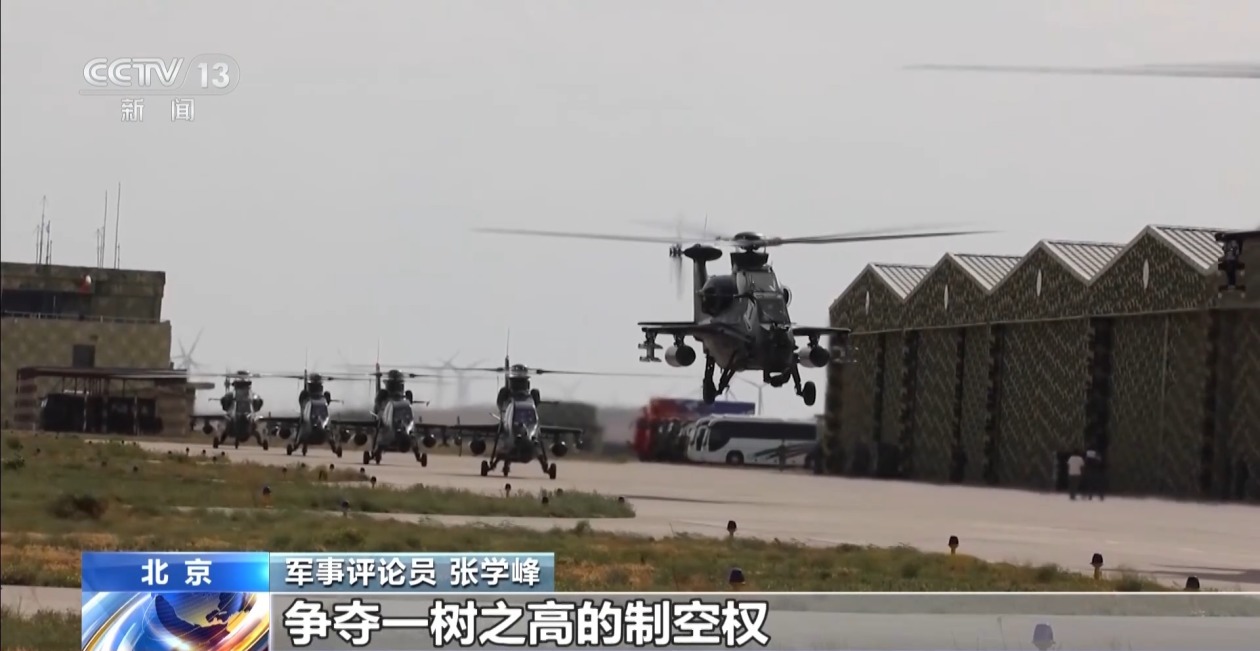
Z-10 is a fully domestically developed dedicated armed helicopter, primarily responsible for low-altitude infiltration, close air fire support, and executing anti-armor strike missions. It is a medium-sized armed helicopter in the 6-ton class, with stronger firepower and better protection, capable of more effectively suppressing and striking enemy ground targets, and can also carry and launch air-to-air missiles to contest air superiority.
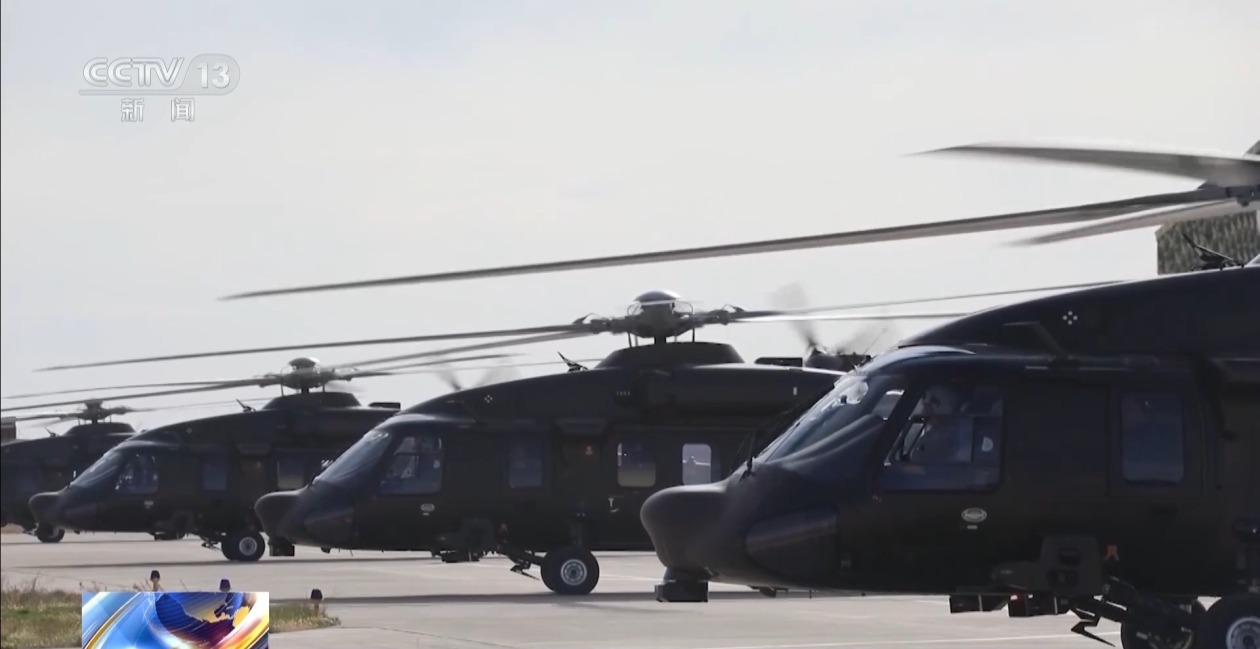
Z-20, as a 10-ton class utility helicopter, is mainly used for transporting assault troops for long-distance maneuvering and delivery. Additionally, the assault variant Z-20T, equipped with weapons and fire control systems, combines firepower assault and troop transport capabilities.
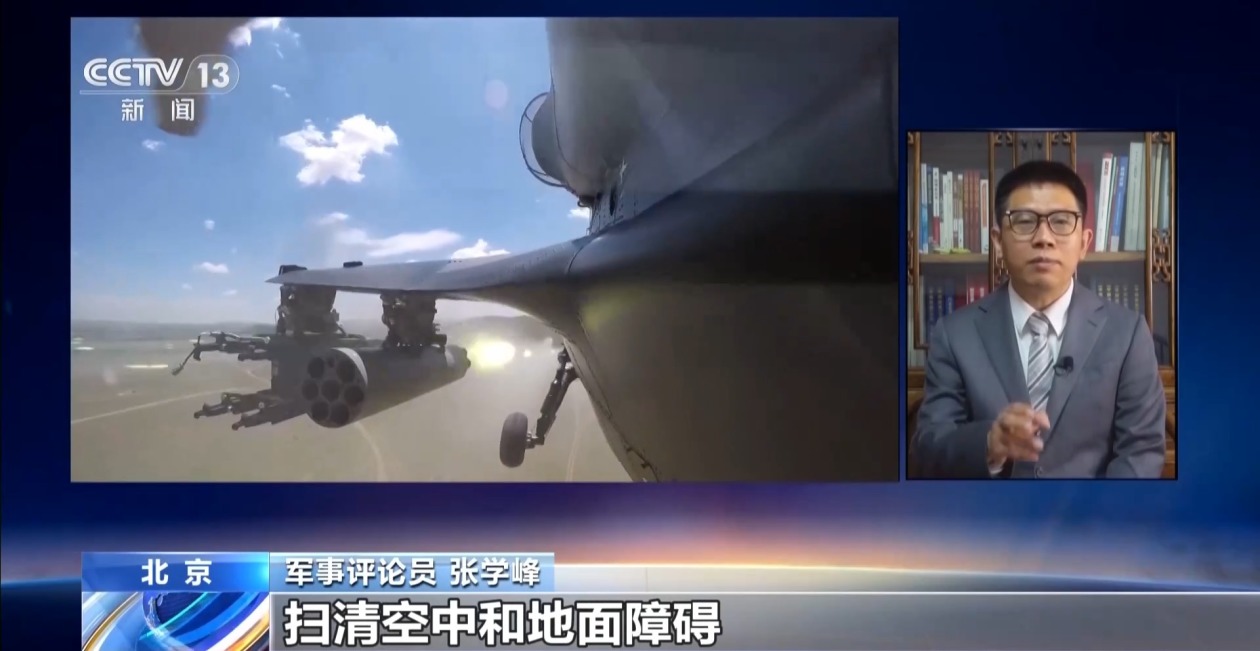
Military commentator Zhang Xuefeng: During combat, the Z-19 and Z-10 can escort the Z-20, clearing air and ground obstacles. The infantry carried by the Z-20 can also receive fire support from the Z-10 and Z-19 during ground operations, destroying enemy fire support points and armored vehicles, ensuring that ground forces efficiently complete their missions.
Cross-regional long-range maneuvering: Testing the all-domain operational capability of helicopter units
The cross-regional long-range maneuvering of helicopters not only tests their long-range endurance but also serves as a comprehensive assessment of the unit's command coordination, emergency response, and logistical support systems. It is a "whetstone" for the all-domain operational capability of helicopter units, let's take a look.
The advantage of helicopter operations compared to traditional ground combat forces lies in their fast mobility, strong obstacle-crossing capability, and significant effects in troop delivery and air assaults. During operations, they can leapfrog across contact lines to conduct direct attacks on critical targets.
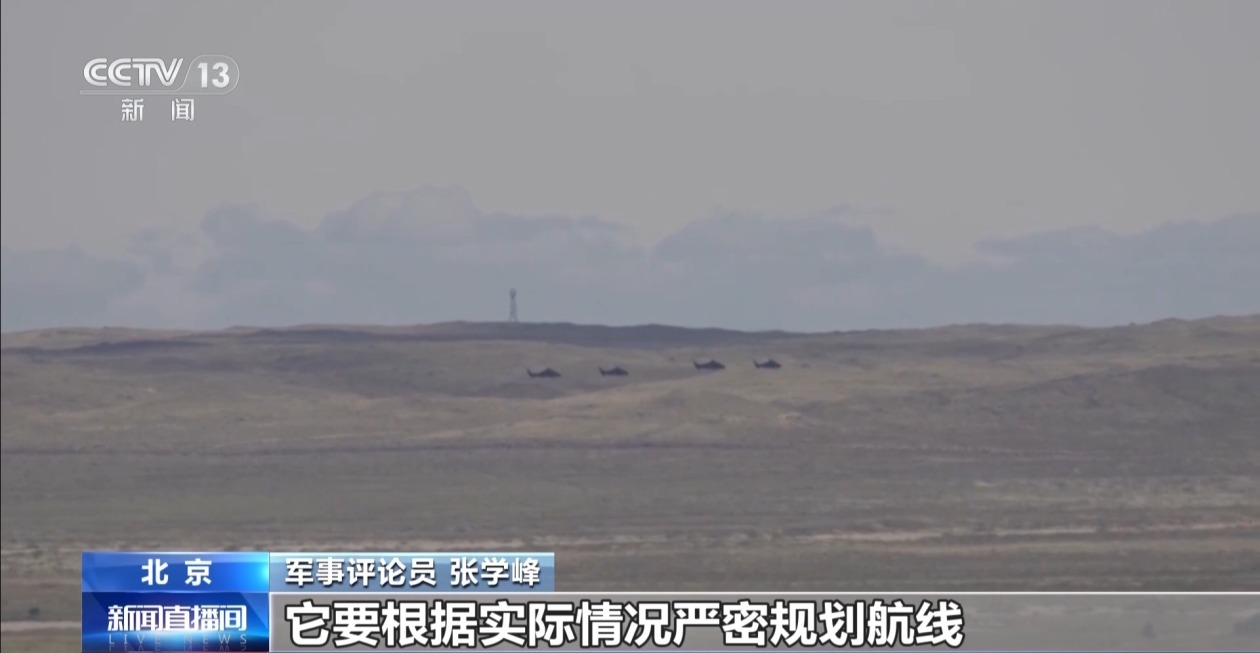
Military commentator Zhang Xuefeng: Helicopter operations require taking off from relatively safe and concealed airports in the rear, flying across regions to reach important areas of the enemy for fire strikes and troop delivery. This places high demands on the entire flight maneuver process, requiring continuous training to refine and maintain the necessary operational and coordination capabilities. This maneuver process is not simply flying from point A to point B; it must be meticulously planned based on actual conditions, usually designed according to terrain and features to avoid known enemy air defense systems. To enhance concealment during flight, ultra-low altitude flying is often employed, which is quite challenging.
In helicopter long-range maneuver exercises, conditions such as enemy air defense system ambushes and electromagnetic interference are often set to test the unit's emergency response capabilities.
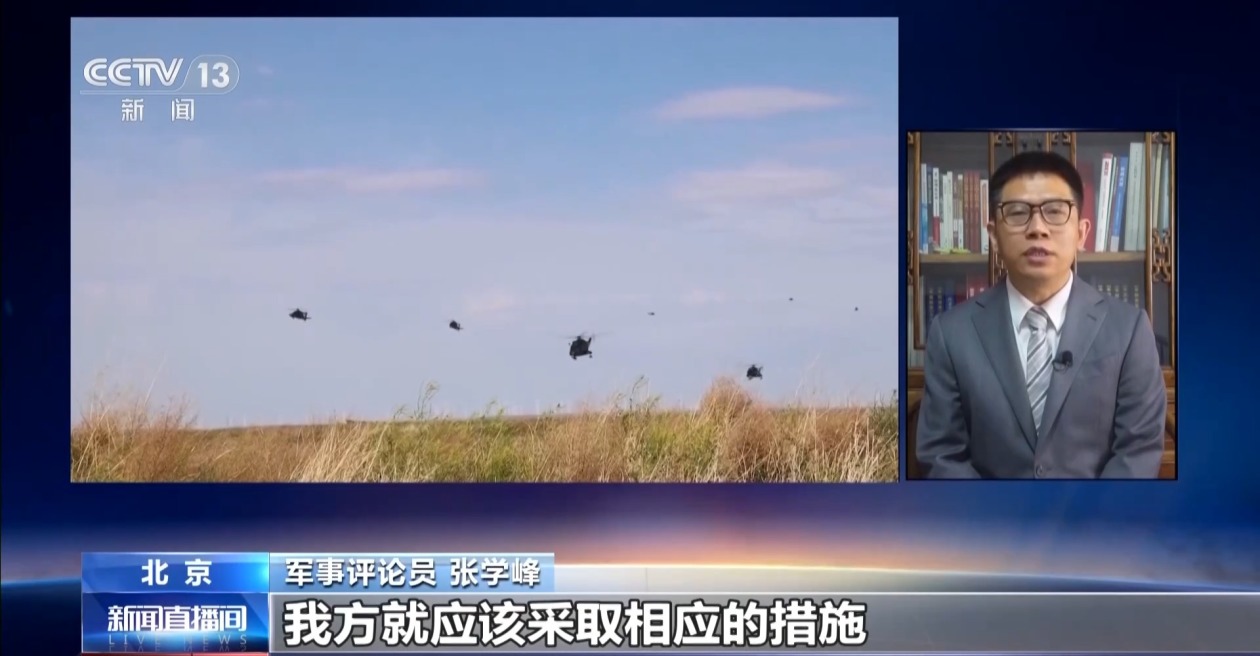
Military commentator Zhang Xuefeng: We should take corresponding measures to respond and counter, ensuring our safety while successfully completing the mission. Additionally, if the maneuver distance is considerable, it is necessary to consider establishing forward field airports to support the helicopters' subsequent operations and sustained combat capabilities.
Helicopter cross-day-and-night training: Honing all-weather operational capabilities
From dusk to dawn, helicopter units face multiple challenges such as visual adaptation, terrain recognition, and fatigue accumulation during cross-day-and-night continuous combat training. How to efficiently conduct training and hone all-weather operational capabilities?
Military commentator Zhang Xuefeng analyzes the challenges faced during cross-day-and-night strikes:
During the transition from day to night, the change in natural light is significant, making it easy to cause difficulties in visual adaptation, requiring pilots to frequently switch between visual and instrument flight modes.
Night flying can easily lead to flight illusions, especially during low and ultra-low altitude flights, where the difficulty of judging and recognizing terrain obstacles increases, posing risks. Attitude judgment relies entirely on instruments and night vision devices, with a very low margin for error.
Continuous cross-day-and-night operations can easily lead to fatigue, especially during the latter half of the night when crossing the low point of the human biological clock. Accumulated fatigue can reduce reaction speed, judgment ability, and attention, affecting operational precision and efficiency in handling unexpected situations.
To enhance the cross-day-and-night continuous operational capability, helicopter units must conduct targeted adaptive training, test equipment performance, optimize coordination processes, and forge all-weather combat skills.
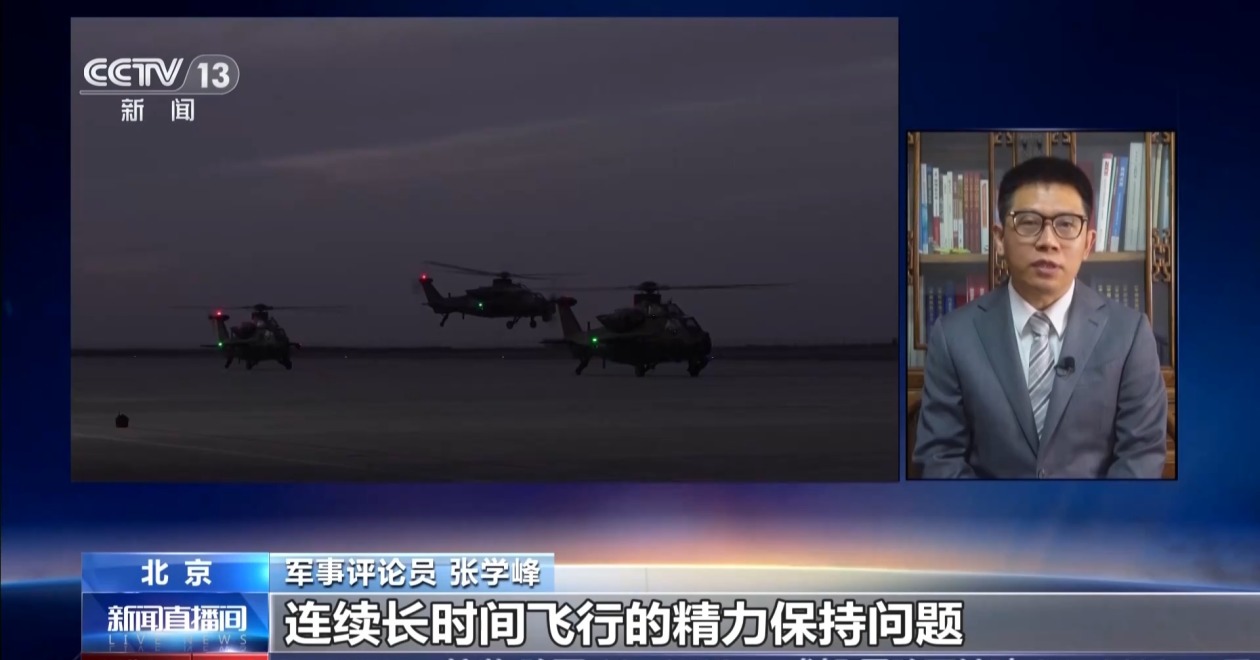
Zhang Xuefeng states that the first task is to effectively address the issue of maintaining energy during prolonged flights, which requires adjusting sleep patterns based on the characteristics of the mission, allowing pilots to maintain high energy levels throughout the flight and combat process, while also ensuring timely nutritional replenishment. Through long-term training, scientific methods can be explored to enhance pilots' physiological adjustment capabilities and master techniques and skills that suit them best.
The second task is to address the issues of night flying operations, especially during ultra-low altitude flights. Modern combat often unfolds at night to enhance surprise and survivability. Night ultra-low altitude flying and operations require equipping helicopter pilots with appropriate gear, such as terrain-following radar, forward-looking infrared systems, and night vision goggles; on the other hand, extensive training is needed to maintain skills, and training should be conducted in low-light and no-light environments based on different weather conditions. With technological advancements, long-term relevant training can also be conducted using flight simulators, but actual flying is indispensable.
The 83rd Group Army conducted cross-regional long-range maneuvers and live-fire exercises in the Northern Desert, utilizing Z-19, Z-10, and Z-20 helicopters. The exercises tested the units' capabilities in both day and night operations, focusing on rapid response and coordination under simulated combat conditions. This training aimed to enhance the overall combat readiness of the helicopter forces.
- The 83rd Group Army conducted live-fire exercises with multiple helicopter types.
- Helicopters Z-19, Z-10, and Z-20 were involved in coordinated operations.
- The exercises included both day and night operations to test all-weather capabilities.
- The training focused on rapid response and coordination under simulated combat conditions.
- The exercises aimed to enhance the overall combat readiness of the helicopter units.