
"While Increasing Troops, the U.S. Talks: Analysis Claims Negotiations with Iran are Actually a 'Vote-Buying' for Military Action"

In response to the ongoing pressure from the U.S. and its increased military deployment in the Middle East, Iranian political analysts point out that the U.S. negotiation strategy is essentially aimed at garnering domestic support and paving the way for subsequent actions.
Reporter Li Jiannan: At the time of the U.S.-Iran negotiations, the U.S. continues to exert pressure on Iran and gather military forces in the Middle East. Iranian political analyst Izadi points out that, in fact, historical experience shows that the U.S. is not genuinely trying to resolve issues through negotiations, because if negotiations succeed, the U.S. must make concessions to some extent, and these concessions would provide Iran with an opportunity to regroup. He stated that the U.S. goal is to overthrow the Iranian regime, so there is no reason to create such developmental space for Iran.
Iranian political analyst: The U.S. participates in negotiations to gain domestic support
Izadi believes that the reason the U.S. participates in negotiations is to gain domestic support, as U.S. lawmakers hold differing opinions on the Iran issue. Therefore, Trump can use the argument that "the U.S. participated in negotiations but did not achieve results" to garner sufficient support needed for military strikes.
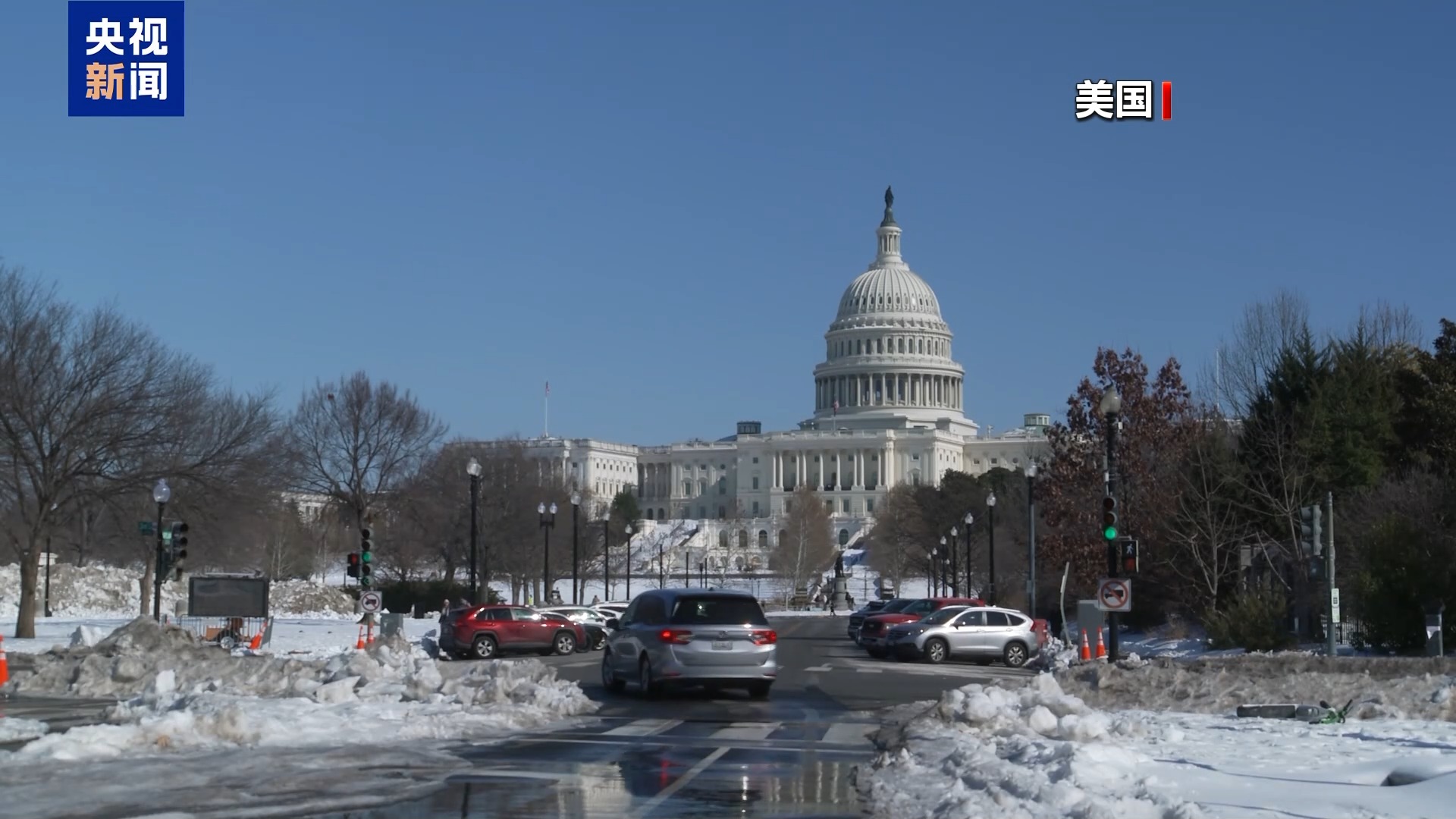
Additionally, Iranian political analyst Shams stated that the U.S. negotiations and military threats are not in conflict; the U.S. first creates an optimistic atmosphere and then releases positive signals. Subsequently, the U.S. gradually raises its demands and conditions, setting a deadline, claiming that if Iran accepts these conditions, everything will remain the same; if not, war will break out. This pattern has effectively become a common tactic for the U.S., especially under the Trump administration, in handling international and regional issues.
Iran has not abandoned the use of diplomacy and negotiations to resolve differences
From a series of recent statements and developments from Iran, it is evident that Iran has not abandoned the use of diplomacy and negotiations to resolve differences. On the other hand, various military preparations and readiness have not relaxed. Analysts point out that with the ongoing military confrontation between the U.S. and Iran, as well as Israel's involvement, the risk of conflict and war in the Middle East remains high.
The U.S. is increasing military pressure on Iran while engaging in negotiations to secure domestic support for potential military action. Iranian analysts suggest that the U.S. aims to create a favorable environment for military action by negotiating without genuine intent to resolve issues. Iran continues to prepare militarily while also pursuing diplomatic avenues, maintaining a high risk of conflict in the region.
- The U.S. is increasing military deployments in the Middle East while negotiating with Iran.
- U.S. negotiations are seen as a strategy to gain domestic support for potential military action.
- Iran continues to prepare militarily while also seeking diplomatic solutions to its differences with the U.S.
- The risk of conflict in the Middle East remains high due to ongoing military tensions and Israeli involvement.