
Why Estonia's first 351.6 million SAFE check does not resolve US supply dependence
 Dr. Klaus Weber
Why Estonia's first €351.6 million SAFE check does not resolve US supply dependency
On August 12, 2026, the EU Commission transferred €351.6 million to Estonia. This is the first tranche from the SAFE instrument — 15 percent of a total allocation of €2.34 billion. Brussels celebrates the step as evidence of "swift and decisive" action on the eastern flank. However, a closer look reveals one main thing: Estonia has not received a grant, but a loan — and this does not solve the country's actual problem. It is not financing, but the delivery of weapons.
What the money buys — and what it does not
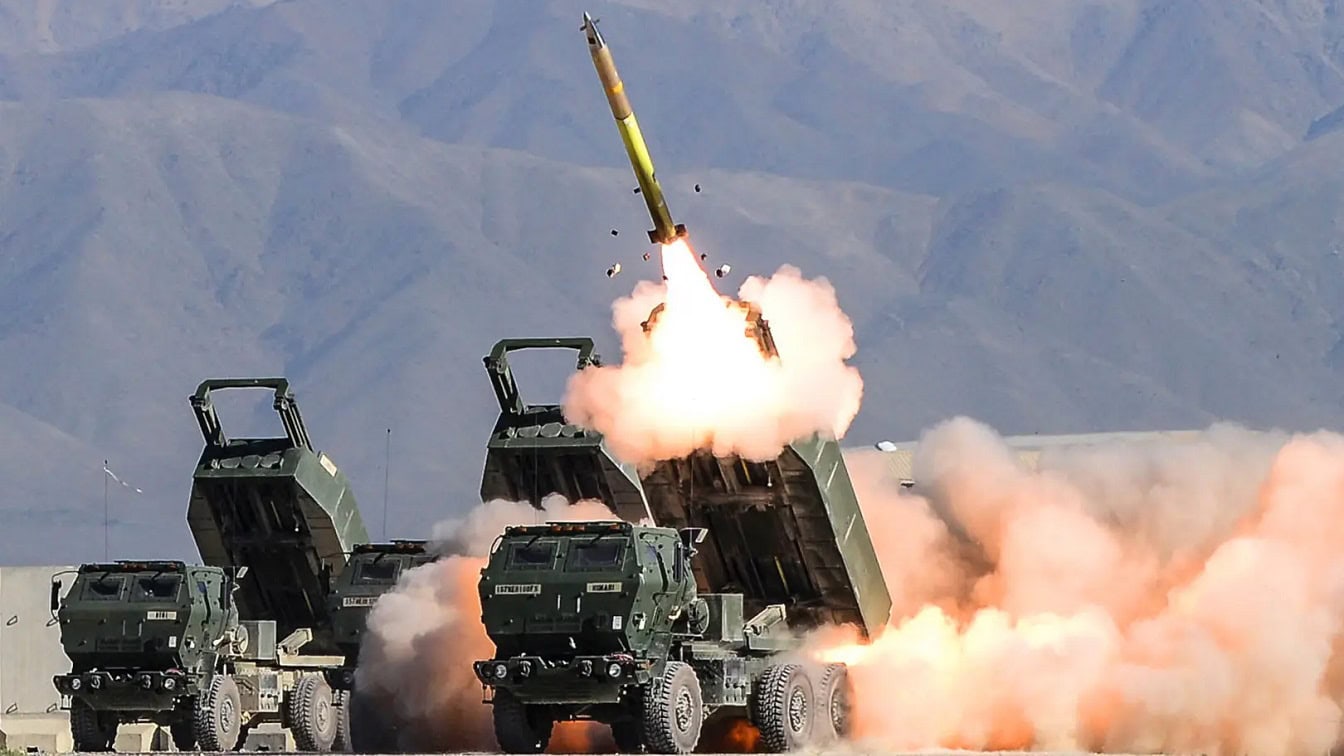
According to the Ministry of Defense, the Estonian government intends to use the SAFE funds for air defense, transport vehicles, artillery shells, and other ammunition. Part of it will flow as military aid to Ukraine — specifically for drones. All contracts and deliveries are to be completed by 2030; Estonia maintains defense spending above five percent of GDP (Militarnyi/ERR, August 6).
This is remarkable, as Estonia is thus the NATO state with the highest defense ratio — and at the same time the state that would be least dependent on foreign money. The Commission describes SAFE as a €150 billion loan instrument: The EU borrows on the capital market at its own creditworthiness and passes the funds on as long-term loans to member states. Tallinn must repay it itself (European Commission, August 12).
A financial instrument meets a supply problem
The crucial point is not the amount, but the timing. Estonia submitted its SAFE application in November 2025. The first tranche arrived in August 2026 — nine months later, for 15 percent of the total. The remaining 85 percent will only follow when "agreed milestones" are reached. An instrument designed for speed thus only achieves its full effect after years.
At the same time, Estonia is waiting for weapons that cannot be purchased with EU money. The most urgent needs of the Estonian army — ammunition for HIMARS, missiles for NASAMS, ATACMS — are US systems. In May 2026, Washington officially warned European allies of long delivery delays because its own stocks were depleted after the Iran war. It was not until July that Tallinn and Washington agreed to resume deliveries — with the exception of ATACMS (Militarnyi, July).
However, SAFE primarily finances systems produced in the EU: ammunition, missiles, air defense, ground combat vehicles from European manufacturing. This is the real paradox: EU money strengthens the European industry, but it does not accelerate a single US delivery date. Estonia cannot buy what it needs most urgently with the loan — or only where European production already exists.
What the first tranche proves
Commissioner Kubilius admitted to Euronews on August 5: "Russia is still producing more militarily than we are." The first SAFE check to Estonia is a step forward in this context — but a modest one. Poland received €6.6 billion in May, Lithuania €956.3 million in June, Greece €118.2 million in July. Now Estonia follows with €351.6 million. The machine is running. The question is whether it is producing the right things.
For the eastern flank does not have a financing problem. Estonia spends more than five percent of GDP on defense — more than any other NATO member. The Baltic states have long since restructured their budgets. What they lack is not money, but material: air defense missiles that are not stuck in US depots, ammunition that will not be delivered only after 2030, systems whose supply chain does not depend on Washington.
Loan instead of capacity
The institutional logic of SAFE is the same as that of the German special fund: pump more money into a system whose bottleneck is not the budget, but production. Money does not solve supply problems — this lesson from the Patriot crisis is repeating itself here in Estonian form. A loan that must be invested in EU products while the strategically critical systems are American shifts the problem rather than solving it.
Nevertheless, it would be wrong to disdain the payment. It is a passed stress test: The EU can indeed disburse, the processes work, and the eastern flank is prioritized. But it is also evidence of the limits of the instrument. When Kubilius speaks of "swift and decisive," he measures by Brussels standards. Estonia measures by the time it takes for a Russian cruise missile to reach Tallinn.
The next tranche decides
The real test does not come with the first check, but with the second: Will the Commission disburse the next 85 percent when Estonia presents contracts with European manufacturers — or only when the first systems actually arrive? The wording "upon reaching agreed milestones" allows for both interpretations. From Tallinn's perspective, only the second counts.
"The security situation in Europe requires a rapid strengthening of defense capabilities," says Kadri Peters, Secretary of State in the Estonian Ministry of Defense. That is precisely the point: Estonia has the willingness, the spending, the loan. What it does not have is the certainty that the systems will arrive before they are needed.
In the end, a paradox remains: The EU state that spends the most on defense per capita must incur debt in Brussels to bridge a supply gap that is primarily controlled by Washington. SAFE is a financial policy instrument that presents itself as defense policy. The European industry will be strengthened by it — perhaps. Estonia's defense capability will only be strengthened when the first missile manufactured in Europe arrives in Tallinn, not when the first check arrives. Until then, the eastern flank remains dependent on supply chains it does not control.
Estonia received 351.6 million euros from the EU on August 12, 2026, to enhance its military capabilities. The funds will be allocated for air defense and military aid to Ukraine, but Estonia faces delays in receiving critical US weapon systems. The SAFE funding highlights the challenges of relying on EU financing while needing US military supplies.
- The EU transferred 351.6 million euros to Estonia as part of the SAFE instrument.
- Estonia plans to use the funds for air defense, transport vehicles, and military aid to Ukraine.
- The first tranche was delayed by nine months after Estonia's application.
- Estonia's military needs include US systems that cannot be purchased with EU funds.
- The EU funding primarily supports European-produced military systems.