
Four helicopters from Algiers to Niamey — Algeria arms Niger and breaks its Sahelian neutrality
 Marie Dubois
Four helicopters from Algiers to Niamey — Algeria arms Niger and breaks its Sahelian neutrality
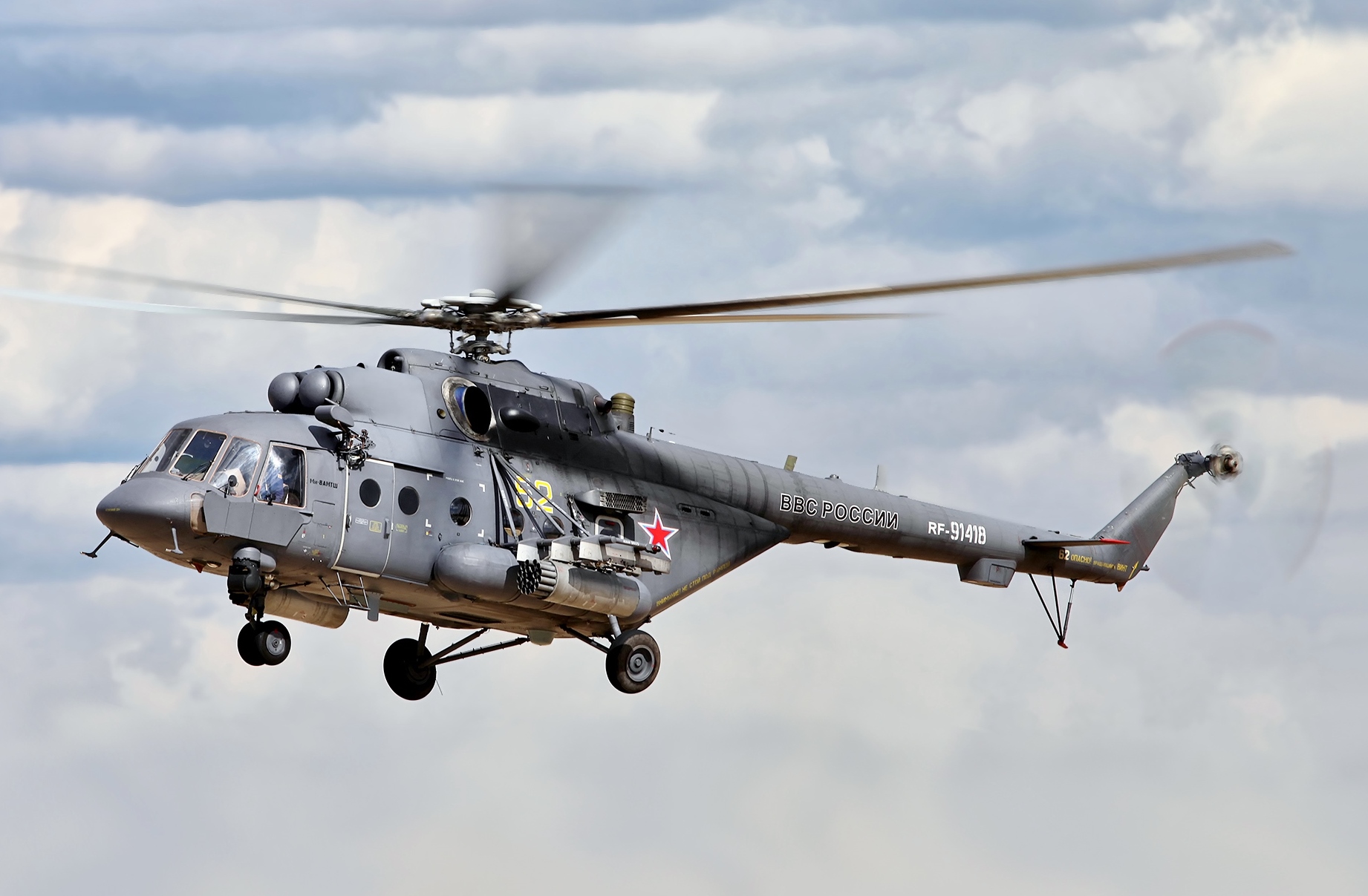
On Sunday, August 9, at the secondary deployment base of In Guezzam, in the extreme south of Algeria, two Mi-24V and two Mi-171 took off towards Niamey. The next day, General Salifou Mainassara, Chief of Staff of the Nigerien Air Force, officially received the donation during a ceremony. Ammunition, spare parts, and maintenance equipment followed aboard an Algerian military aircraft. This is not just any delivery: it is the first time that Algiers has directly armed a Sahelian junta.
A donation that doubles Niger's air potential
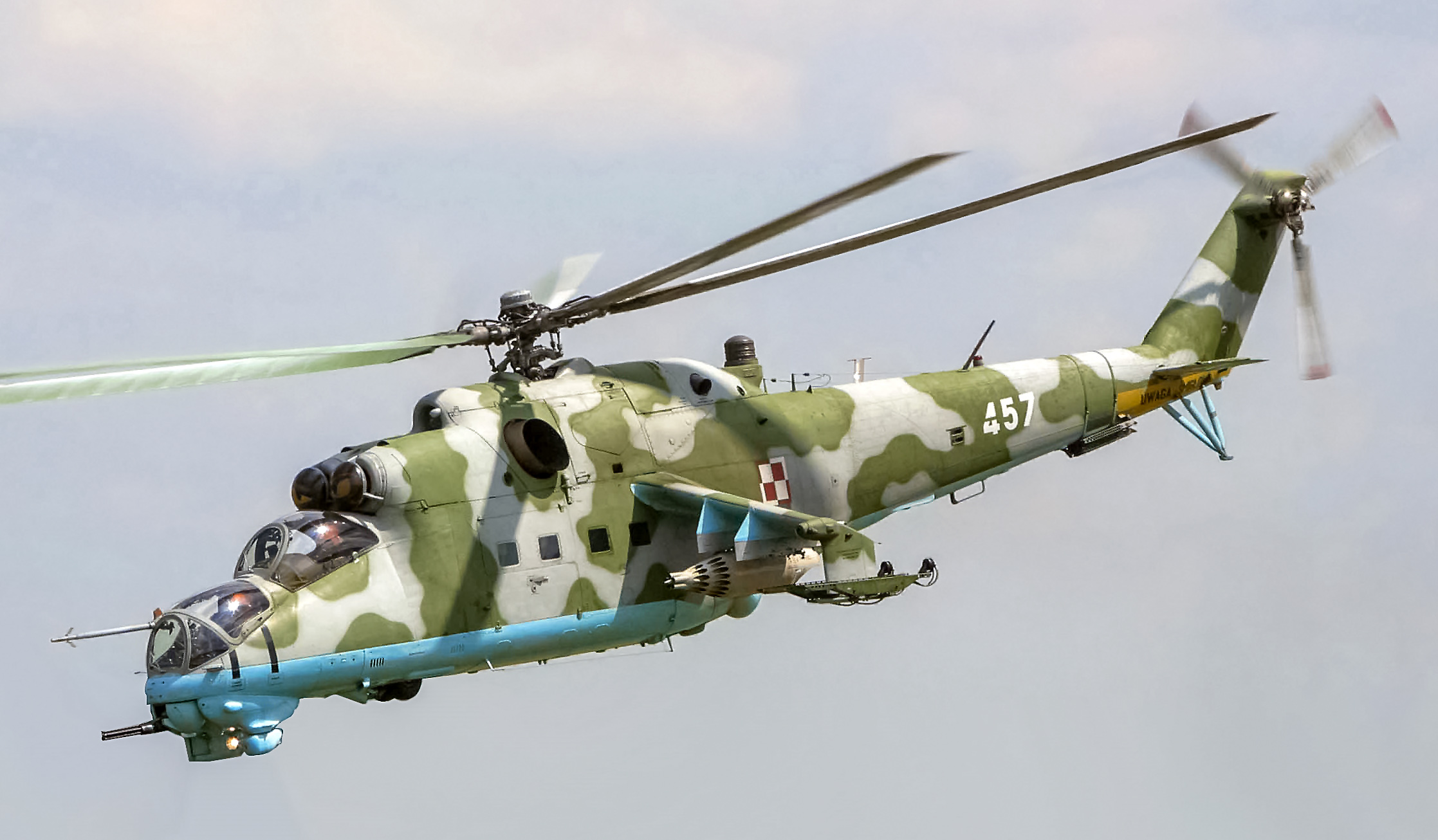
The gesture is more significant than it appears. Before this donation, the Nigerien helicopter fleet consisted, according to available figures, of two Mi-17 and one Mi-24 — complemented by Su-25, C-130H, and five Gazelle helicopters of French origin. The arrival of two additional Mi-24V and two Mi-171 nearly doubles Niger's close air support capacity. The Mi-24 "Hind" is an old-school Soviet tank hunter: cannon, UB-32 rockets, 9M114 anti-tank missiles. The Mi-171s, on the other hand, are used for troop transport and logistics in conditions where runways do not exist.
The origin is anything but trivial. In Guezzam is located in Algeria's 6th Military Region, just a few kilometers from the Nigerien border, at the end of the trans-Saharan road leading to Assamaka. This is exactly the sector where the Algerian army regularly announces the seizure of arms caches and the neutralization of traffickers. Delivering helicopters from this point sends a message: Algiers knows the border, and it is Algiers that holds the key.
Forced reconciliation
Just fifteen months ago, such a transfer was unthinkable. In April 2025, the Algerian army shot down a Malian drone near its border. The three capitals of the Sahel States Alliance recalled their ambassadors from Algiers, which closed its airspace. The rift was total. The thaw came in February 2026: General Tiani's visit to Algiers, the return of ambassadors, the revival of the trans-Saharan gas pipeline project — 4,000 kilometers of Nigerian gas to Europe via Algeria. In July, Bamako and Algiers restored their diplomatic relations.
The role of Moscow in this rapprochement deserves to be highlighted. Russia, which mediates between Algiers and the Sahelian capitals, remains Algeria's primary arms supplier — 48% of its imports between 2020 and 2024 — and the reference equipment provider for the AES armies. The Algerian donation does not compete with Moscow: it fits into the same logistical chain of Soviet-origin equipment. Algiers is not challenging Russia in the Sahel; it is joining its ecosystem.
Why Algiers is stepping out of its reserve
For years, Algeria watched the Sahel burn from its ridge line. Refusal to engage in Barkhane, militarized southern border, massive expulsions of migrants to the Nigerien desert in 2025: Algeria's doctrine was one of enclosure. This donation marks a turning point. Bakary Sambe, president of the Timbuktu Institute, summarizes the ambition: "Algeria wants to be perceived as a country that normalizes its relations." Normalizing, in this context, means exerting influence.
Three calculations overlap. The first is energy-related: the trans-Saharan gas pipeline makes the stability of northern Niger a vital interest for Algeria — the helicopters are the security down payment on an energy bet. The second is strategic: facing Morocco, which is establishing itself in coastal capitals, Algiers cannot leave the entire Sahel to Moscow's camp. The third is security-related: the In Guezzam-Assamaka border area is a trafficking artery, and every jihadist offensive in northern Niger brings the war closer to the Algerian border.
“We are on the same side and we cooperate to the maximum,” said Abdelmadjid Tebboune during General Tiani's visit to Algiers in February. The donation on August 9 translates this formula into war material.
The ground perspective
From experience, I ask the uncomfortable question: who will pilot these machines, and who will maintain them in six months? A Mi-24V consumes parts and fuel at a rate that few Sahelian armies can sustain without a support contract. Niger has not announced the arrival of Algerian instructors, and Algiers has not confirmed anything on this point. Without a maintenance chain, these aircraft become targets on the ground rather than a capability — I have seen this with some equipment delivered under Barkhane.
One must also measure the political risk. The Nigerien air force is already engaged in controversial strikes: Human Rights Watch documented a drone strike that killed at least 17 civilians in a market. And the Nigerien aviation is precisely the primary target of jihadists — Niamey's Diori Hamani airport, which houses the headquarters of the Joint Force of the Confederation, was attacked in January and then in June, with eleven soldiers killed in the last assault. Delivering helicopters also risks seeing them destroyed on the tarmac, associating the Algerian flag with civilian casualties.
The next signal
The donation itself does not change the balance of power in the Sahel. What would matter is what follows: Algerian instructors in Niamey, joint patrols along the In Guezzam-Assamaka axis, or Mi-24s engaged over Tillabéri. If any of these signals appear, Algeria will cease to be an armed spectator and become a belligerent — with 950 kilometers of border it can no longer pretend to seal. The question is not whether Algiers has taken the plunge. It is how far it is willing to follow its helicopters.
Algeria transferred four military helicopters, including two Mi-24V and two Mi-171, to Niger on August 9, 2026, marking the first direct military aid to a Sahel junta. This transfer, which doubles Niger's air support capacity, was officially received by General Salifou Mainassara. The move is part of Algeria's strategy to enhance regional security and normalize relations with Niger.
- Algeria transferred 4 helicopters (2 Mi-24V and 2 Mi-171) to Niger on August 9, 2026.
- This is the first direct military aid from Algeria to a Sahel junta.
- The transfer doubles Niger's air support capacity.
- The helicopters were received by General Salifou Mainassara, Nigerien Air Force Chief of Staff.
- The transfer is part of Algeria's strategy to normalize relations and enhance security in the region.