
Why the June Record of 7.2 Billion Euros Masks the Crisis of Ukraine Aid
 Dr. Klaus Weber
Why the June Record of 7.2 Billion Euros Masks the Crisis of Ukraine Aid
In June 2026, military aid amounting to 7.2 billion euros was allocated to Ukraine — the highest monthly figure since April 2024 and the third largest since the start of the war. Anyone who only reads this number might think that European support has finally gained momentum after the American withdrawal. The Kiel Institute for the World Economy, which updated the data from the Ukraine Support Tracker last week, tells a different story: This year, Kyiv is receiving an average of just over two billion euros per month — less than in any previous year since 2022. June was a statistical outlier, not a turning point.
A Loan That Beautifies the Statistics
The cause of the June spike is not a new influx of weapon deliveries, but an accounting transaction. The EU's Ukraine Support Loan — a loan program of 90 billion euros for the years 2026 and 2027 — allowed European institutions to allocate 4.3 billion euros in military aid alone in May and June. National commitments added to this: Germany 700 million euros, Denmark 600 million, the Netherlands 500 million.
One should not downplay the difference between commitment and delivery — the tracker measures allocations, not arrivals at the front. But even this generous benchmark shows the structural decline: Before the American payment halt in February 2025, the monthly average of military aid was 3.46 billion euros. Since then, it has been 2.94 billion. In 2026, the average will fall below the two billion mark.
More Donors, Less Money
The remarkable thing about this decline is that it is not due to a lack of willingness on the part of European governments. On the contrary: European contributions have increased — as a counterbalance to Washington, which has not financed direct deliveries since February 2025. This is precisely the paradox that the tracker makes visible: More donors, more summit resolutions, more solidarity rhetoric — and yet less money for Kyiv. The European increases have not been able to compensate for the loss of the American contribution; they have only partially replaced it.
Taro Nishikawa, project manager of the tracker, calls the rapid start of the Ukraine Support Loan a "positive signal" for Kyiv. This is diplomatically correct and strategically misleading at the same time. A loan is not a gift, and an allocation is not a capability. Those who cite the 90 billion euros as evidence of a "European turning point" overlook the fact that debts have never built factories — and neither have they built rockets.
“The USA remains a central supplier of systems like Patriot, for which Europe currently has only limited alternatives.” — Federico Mellace, senior analyst of the Ukraine Support Tracker
Where the European Money Flows
The second, structurally more concerning observation of the tracker relates to the use of funds: An increasing portion of European money is flowing back to the USA. Europe is increasingly procuring weapons from American manufacturers or depleting American stockpiles. In systems like Patriot, analyst Federico Mellace states, Europe "currently has only limited alternatives." Thus, the June record is partially an American economic stimulus program with a European label — a continuation of the pattern that runs through the entire war economy: Europe finances, America produces.
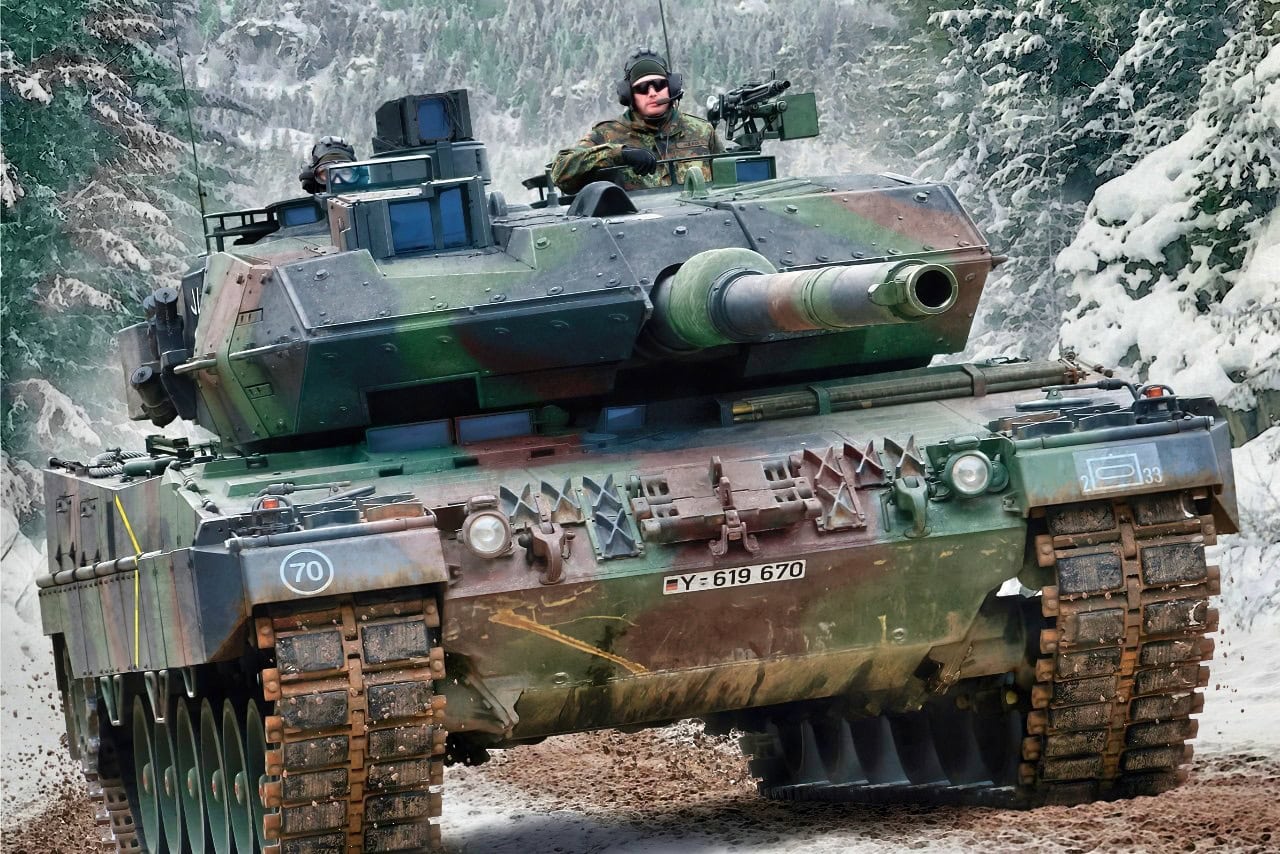
This is not a coincidence or malice, but simple industrial reality. European arms production has grown after four years of war, but it has not reached the areas where the needs lie: in air defense, ammunition, and spare parts. The tracker lists 900 tanks, 1,300 infantry fighting vehicles, 800 artillery systems, and 100 air defense systems of Western production since the start of the war — impressive numbers that obscure how much of this is worn out, destroyed, or long outdated.
What the Delivery Lists Reveal
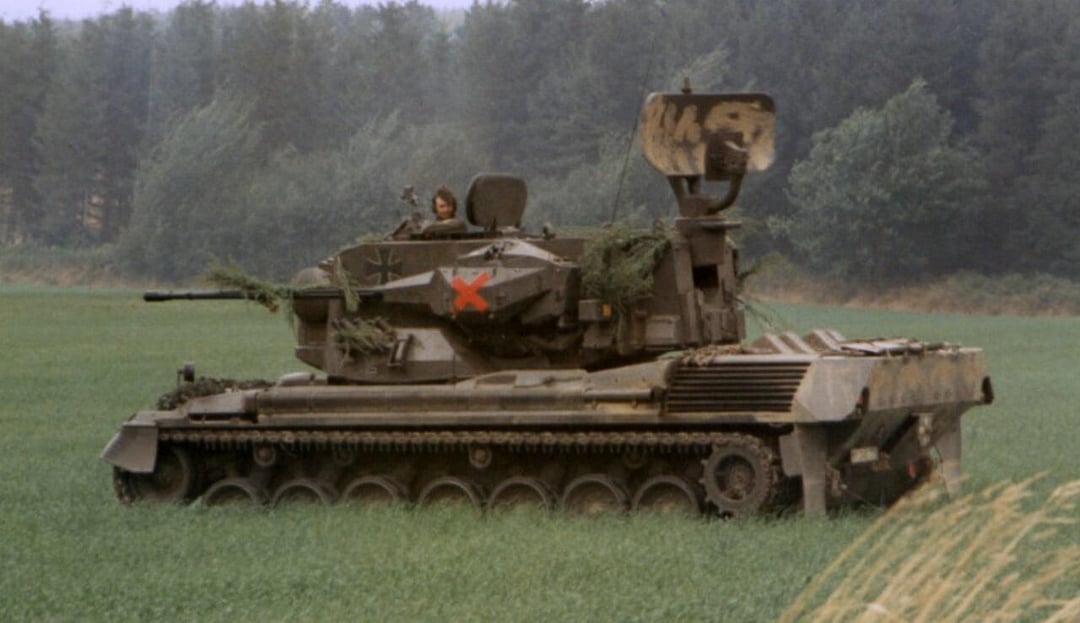
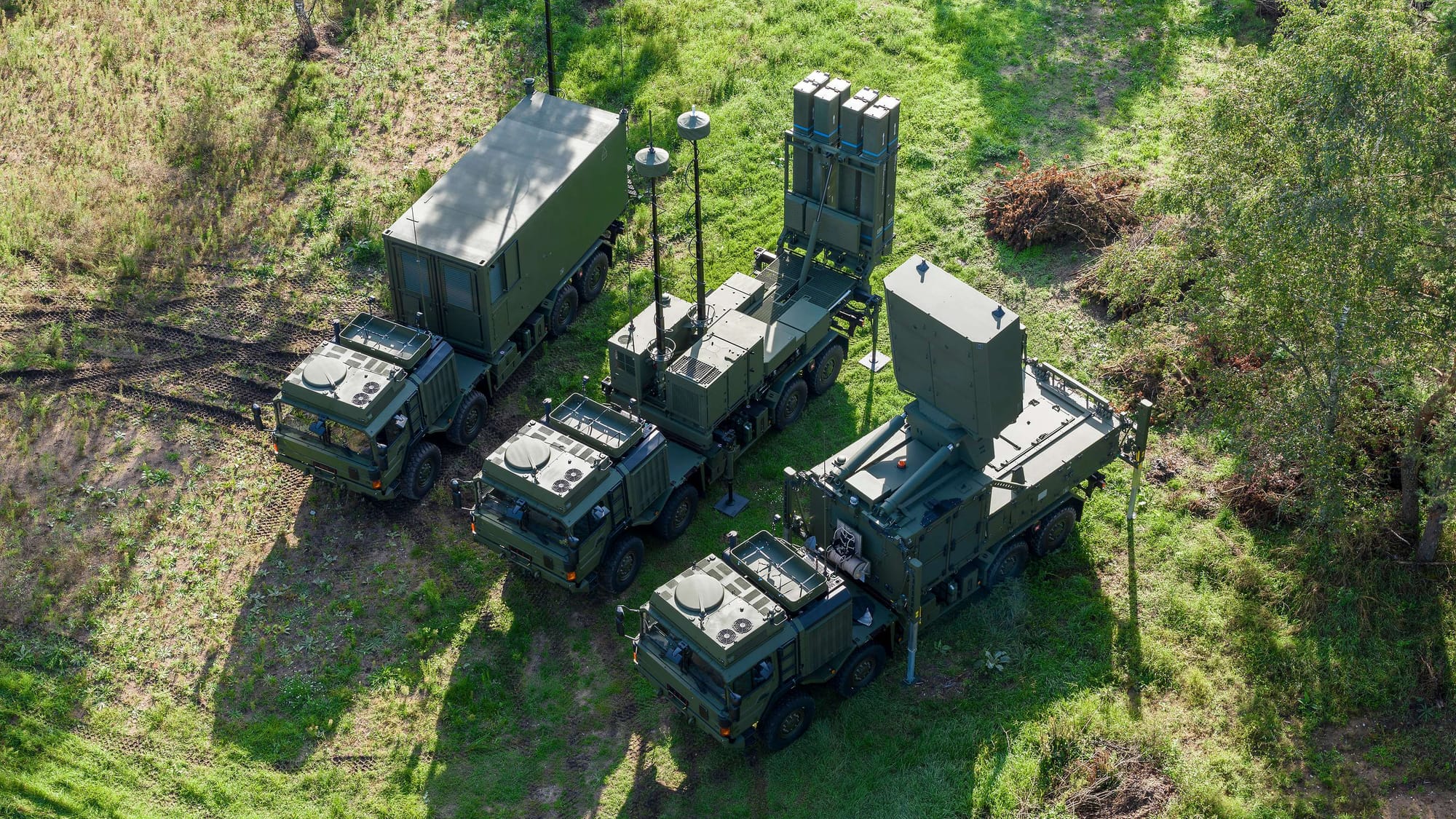
The cumulative delivery figures show how uneven the burden is distributed. Poland has delivered the most with 254 tanks, followed by the Netherlands (86), Germany (78), and Denmark (57). In artillery systems, the UK leads with 94 units, while the USA contributed 290 infantry fighting vehicles. Germany delivered 30 Gepard anti-aircraft tanks, two Patriot systems, and two IRIS-T systems — exactly the category in which Europe needs to replace America and where the gap remains the largest.
Additionally, there is a tactical shift that the tracker soberly documents: Surviving tanks are increasingly being used for indirect fire due to massive drone activity instead of their classic breakthrough role. This is one of the biggest military lessons of this war — and one of the most uncomfortable for all those who see tank procurement as the measure of all things.
The Paradox of the Outlier
June proves two things: that the EU is capable of quickly mobilizing large sums — and that these sums do not solve the actual problem. Kyiv's air defense network is under pressure, as the heavy Russian missile attacks in early August have shown; the production of interceptor missiles in Europe and America will not reach the level that the war already needs until the end of the decade. Money cannot bridge this time. Only orders can do that — and they are coming too late.
The real lesson of the June record is therefore an accounting one: Allocations are not deliveries, loans are not capabilities, and a single outlier month is not a strategy. The louder the European statistics shine, the clearer it becomes that Europe is responding to a production problem with financial instruments. Ukraine does not need record numbers — it needs consistency. And that, as the tracker shows, has not returned since the American withdrawal. More money in fewer months is a signal. It is just not the signal that Kyiv needs.
In June 2026, Ukraine received military aid totaling 7.2 billion euros, primarily due to a new EU loan program. However, the average monthly aid for the year is expected to drop below 2 billion euros, indicating a decline in support compared to previous years. European nations are increasing their contributions to offset the lack of U.S. funding, but much of this aid is being used to procure weapons from American manufacturers, highlighting a reliance on U.S. military production.
- Ukraine received military aid of 7.2 billion euros in June 2026, the highest since April 2024.
- The average monthly military aid for 2026 is projected to be below 2 billion euros.
- European contributions have increased to compensate for the U.S. withdrawal of direct funding since February 2025.
- A significant portion of European military aid is being used to purchase weapons from U.S. manufacturers.
- The report indicates a structural decline in military aid despite increased pledges from European nations.