
Kidal Under Bombs — The FAMa Operation Dougoukoloko Targets the JNIM-FLA Sanctuaries
 Marie Dubois
Kidal Under Bombs — the FAMa's Dougoukoloko Operation Targets JNIM-FLA Sanctuaries
On August 16, at 9:41 PM, Sukhoi aircraft from the FAMa struck the city of Kidal. The pilots targeted shelters of the JNIM-FLA coalition where, according to the Malian staff, "significant military equipment and logistical means" were stored. That same night, Tinzawatène and Talhandak, located a few dozen kilometers from the Algerian border, were bombed in turn.
This is new: never since the fall of the Kidal base on April 25 had the Malian army conducted strikes of such magnitude in the north. The city, a symbol of the lost reconquest, is becoming an aerial battlefield once again.
Three Days of Strikes, Two Fronts
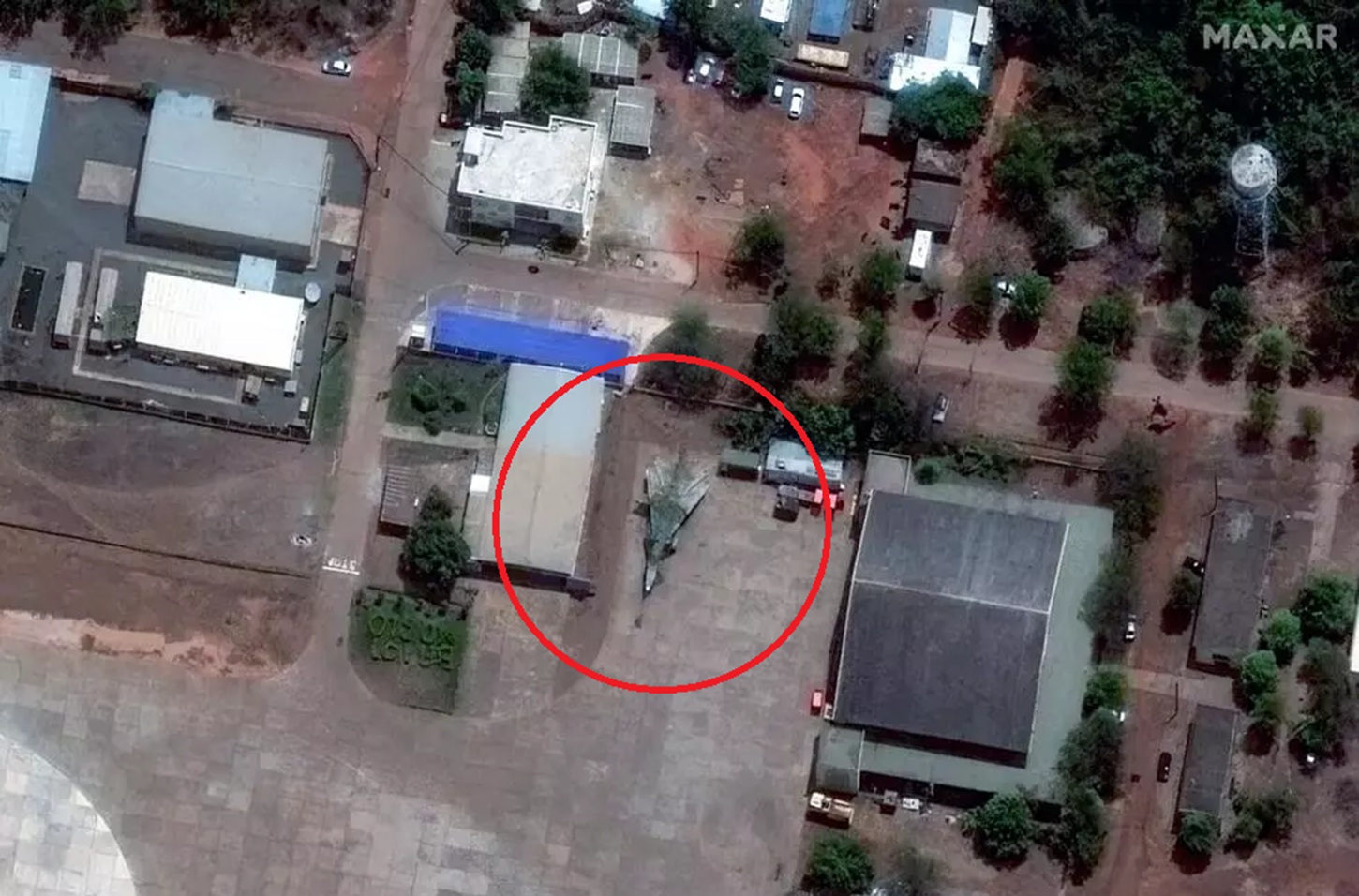
The statement from the general staff of the armed forces, published on August 16, details the operations carried out "over the last 48 hours" as part of the Dougoukoloko operation. In Kidal itself, intelligence allowed for the localization of shelters housing elements of the JNIM-FLA coalition. These positions were then "successfully engaged by the committed air vectors," according to the statement's wording.
Near Tinzawatène and Talhandak, several "enemy concentration points of strategic importance" were neutralized — "many" fighters were killed and equipment destroyed, without a quantified assessment. The day before, on August 15, the army had already struck gatherings of armed groups in the northeast of Sandaré, in the west of the country.
- August 16 — Kidal (city): shelters and depots of the JNIM-FLA coalition
- August 16 — Tinzawatène and Talhandak (Algerian border): enemy concentrations
- August 15 — Sandaré (west): gatherings of armed groups
Dougoukoloko, the Game-Changing Campaign
The Dougoukoloko operation did not start on August 16. Since the beginning of the month, the FAMa and the Africa Corps — the Russian expeditionary force in Mali — have eliminated several groups of the JNIM-FLA coalition in the regions of Mopti and Kidal. A video released by Sputnik Africa shows a coalition pick-up destroyed by a strike from the Africa Corps.
The main target, Tinzawatène, is not a coincidence. This border post with Algeria is one of the historical corridors for trans-Saharan trafficking — weapons, fuel, fighters. Controlling the area means cutting off one of the JNIM's logistical arteries to its northern sanctuaries.
The JNIM-FLA Coalition, an Unnatural Alliance That Holds
Since April 25, the alliance between JNIM, the Sahelian branch of Al-Qaeda, and the Azawad Liberation Front (FLA), a Tuareg independence movement founded in November 2024, has redefined the balance of the conflict. Coordinated across several localities, their attacks led to the fall of the Kidal base and the death of Defense Minister Sadio Camara in Kati.
This alliance between jihadists and independence fighters — two historical enemies — highlights the extent of the void left by the Malian state in the north. It complicates Bamako's response: striking JNIM sanctuaries also means hitting positions held by Tuaregs who claim a political project.
Aerial Warfare Does Not Reopen Roads
The strikes of Dougoukoloko must be read with caution. From experience, an air campaign without ground control destroys stocks, but it does not hold the ground. And while the Sukhois were striking Kidal, the noose was tightening elsewhere: since the summer of 2025, JNIM has imposed blockades on the western and southern routes, up to the outskirts of Bamako. Fuel convoys have been attacked since September 2025; in July 2026, a coordinated wave targeted military installations.
Nearly 95% of Malian fuel transits through the roads of Senegal and Côte d'Ivoire. By closing the RN1 and the routes of Kayes and Nioro du Sahel, JNIM is strangling the capital's economy without firing a shot. British travel advice, updated on July 10, 2026, still advises against all travel to Mali — bombings, kidnappings, cut-off roads.
"Bombing depots in Kidal is necessary, but it does not reopen the road to Kayes. The real battle of Dougoukoloko is being fought on the supply routes, not in the northern skies," analyzes a former officer of Operation Barkhane.
What the Strikes Do Not Say
The Malian staff does not provide any quantified assessment — "many terrorists neutralized," without specifics. No independent source has confirmed the extent of the destruction. This opacity has become the norm in Bamako, making it difficult to assess whether Dougoukoloko is a tactical victory or a war communication.
What is certain is the geography: Kidal, Tinzawatène, Talhandak in the north; Sandaré in the west. The FAMa are now striking on two fronts over 1,500 kilometers apart, with limited aviation and insufficient ground troops to hold the bombed areas.
The Next Step Will Be Ground-Based
The coming weeks will reveal whether Dougoukoloko is a real campaign or a series of spectacular strikes. The decisive test will not be Kidal — too remote, too difficult to hold — but the corridor between Gao and the Nigerien border, and the western routes that supply Bamako. If fuel continues to arrive and escorted convoys pass, the campaign will make sense. Otherwise, JNIM will have won once again without having to defend its depots.
One thing is certain: after months of defense, the Malian army has chosen to strike the sanctuaries. It remains to be seen if it can convert bombs into territorial control — a challenge that neither France, nor Wagner, nor the Africa Corps has succeeded in meeting before it.
FAMa conducted airstrikes on JNIM-FLA coalition sanctuaries in Kidal on August 16, following previous strikes on August 15 in Sandaré. The operations targeted enemy concentrations in Tinzawatène and Talhandak, aiming to disrupt JNIM's logistical routes. The campaign, named Dougoukoloko, represents a significant escalation in military activity in the region.
- FAMa conducted airstrikes on JNIM-FLA sanctuaries in Kidal on August 16.
- Airstrikes also targeted enemy concentrations near Tinzawatène and Talhandak.
- Previous strikes occurred on August 15 against armed group gatherings in Sandaré.
- The operation Dougoukoloko aims to disrupt JNIM's logistical routes.
- The report lacks specific casualty figures or independent confirmation of claims.