
Why the USA is Modernizing Soviet S-300 Missiles — The Admission of the Patriot Production Crisis
 Dr. Klaus Weber
Why the USA is Modernizing Soviet S-300 Missiles — The Admission of the Patriot Production Crisis
Before the war, the USA had about 2,330 Patriot interceptors. Today, according to retired US Colonel Robert Hamilton, president of the Delphi Global Research Center, there are only about 800 left — a reduction of almost two-thirds. The American annual production is around 600 missiles, and even the $58 billion program to increase production to 2,000 units per year will deliver the first batches no earlier than early 2029, fully by 2032. Against this backdrop, Hamilton reports on a joint US-Ukrainian project to modernize old S-300 missiles: 100 to 300 interceptors per year, operational by the end of 2026. Washington is not addressing its own production crisis with more Patriots, but with Soviet technology.
The Anatomy of a Production Crisis
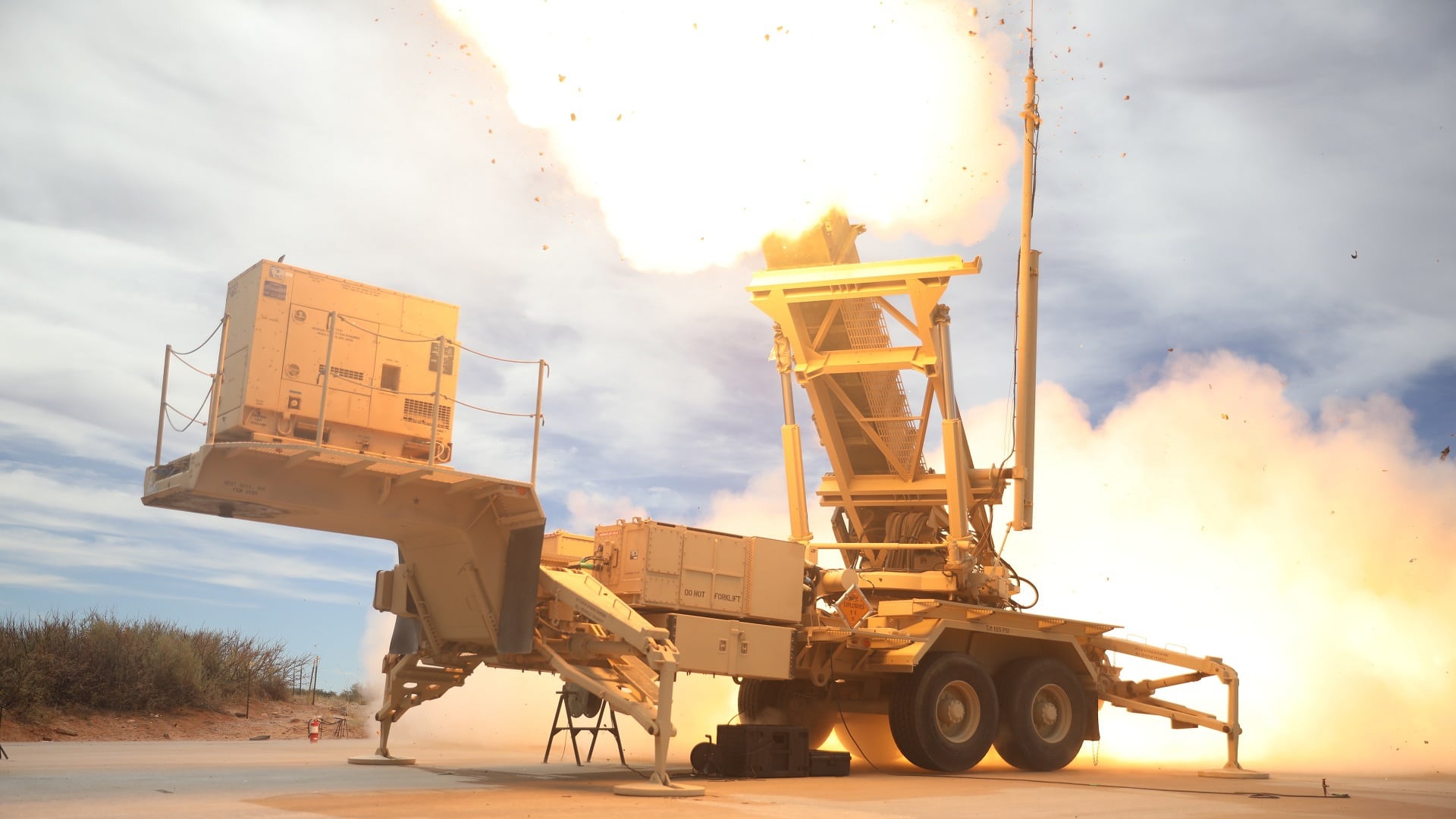
The figures that Hamilton presented on PBS News Hour describe a crisis that is not a funding crisis. The decline from 2,330 to 800 missiles has two causes: the Iran War, in which the USA defended its allies in the Gulf, and the Ukraine aid, which has brought only about 600 Patriot missiles to Kyiv since the beginning of the war. Particularly revealing is the efficiency difference: In the Gulf, forces consumed four to eight interceptors per intercepted ballistic missile, while the Ukrainian Air Force operates with a one-to-one ratio. The scarce resource is therefore deployed where it is most economically effective — and that is not the Gulf.
Washington has derived a priority order from this, which European partners feel painfully. The USA is preserving its remaining stocks for the Middle East and the Indo-Pacific and, according to Hamilton, is even withdrawing missiles that European partners have already purchased and paid for. Additionally, none of the three licensed producers of the Patriot — the USA, Germany, Japan — can close the gap in the short term. The production capacity is the bottleneck system of the entire alliance.
The S-300 Move — A Stopgap Solution with Symbolic Power
The Ukrainian Air Force has been operating S-300PS/PT/PMU and S-300V1 for decades. These very systems are now to be modernized together with the USA — with improved or newly developed guided missiles, produced in quantities of hundreds to several hundred per year. The project is expected to be operational by the end of 2026. It is a pragmatic response to an uncomfortable truth: The existing infrastructure, personnel, and maintenance chain already exist; modernization is faster than any new production line.
But is that enough? The honest answer is: no, not against the actual threat. The modernized S-300s are primarily intended to intercept cruise missiles and drones, thereby preserving the precious Patriot stocks for ballistic and hypersonic missiles. Against Iskander, Kinschal, or Zircon, the PAC-3 MSE remains the benchmark — and that will not be sufficient in the coming years. The program is therefore primarily an admission: The West cannot close its gap quickly enough, so it is reactivating its own past. Those who denied the production license for Patriot for decades and used ITAR controls as a strategic tool are now modernizing Soviet technology to buy time. The irony is unlikely to go unnoticed in Moscow.
What Europe Must Learn from This
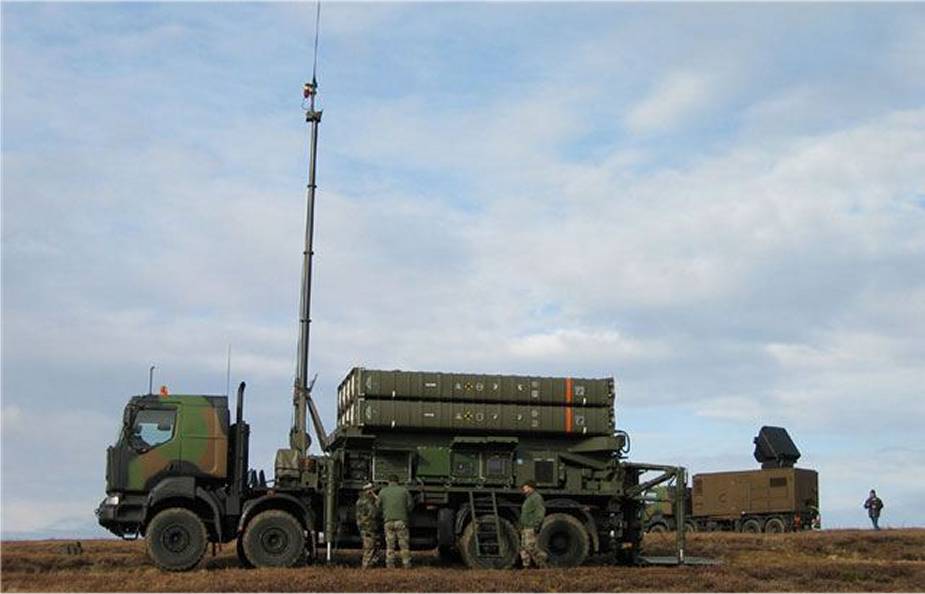
The alternatives that Hamilton names are telling. France wants to deliver two SAMP/T batteries, and Paris and Rome are planning more in the long term; the European project Freyja from Fire Point, which is based on the 48N6 family from S-300 and S-400, is expected to conduct its first interception tests no earlier than July 2027. Germany is relying on IRIS-T and future Patriot license production. The pattern is the same everywhere: Europe is waiting for American decisions or developing systems that are years away from operational readiness.
The EU programs SAFE and EDIP do not solve the quantity problem because they mobilize money, not production. While Brussels negotiates financing instruments, Washington is modernizing Soviet systems together with Kyiv — a process that turns the transatlantic division of labor on its head: The European ally is expected to pay more while the American partner manages its own industrial capacity as a bottleneck. Those who plan to ramp up Patriot production to 2,000 units per year only by 2032 are trying to fight the war of 2026 with the means of 1986 — and are paying the price in the currency of the past.
“The West does not have a funding problem, but a production problem — and it is addressing it by modernizing those systems it once claimed to overcome.”
A Paradox to Conclude
NATO is upgrading its air defense with Soviet technology while its own industry will not deliver in significant quantities until 2029. This is militarily pragmatic and institutionally devastating at the same time: Every modernized S-300 missile confirms that the Western production base cannot keep pace with the threat. The decision in Washington to reactivate the very weapon systems of the adversary is the most precise diagnosis of the turning point we have received so far — more money has never replaced a factory that does not exist.
The U.S. is modernizing Soviet S-300 missiles in collaboration with Ukraine due to a significant reduction in its Patriot missile stock, which has decreased from 2,330 to 800. This modernization project aims to produce 100 to 300 S-300 interceptors annually, with operational readiness expected by the end of 2026. The U.S. is prioritizing its remaining missile stocks for other regions, highlighting a production crisis in its defense capabilities.
- The U.S. has reduced its Patriot interceptors from 2,330 to 800.
- The U.S. plans to modernize 100 to 300 S-300 interceptors per year with Ukraine.
- The modernization project is expected to be operational by the end of 2026.
- The U.S. is prioritizing its remaining missile stocks for the Middle East and Indo-Pacific regions.
- European partners are facing delays in their own defense production capabilities.