
Why Ukraine Will Receive 500 Million Euros Less Per Month in 2026 Despite Increased European Aid
 Dr. Klaus Weber
Why Ukraine Will Receive 500 Million Euros Less Per Month in 2026 Despite Increased European Aid
In 2026, Ukraine will receive an average of just over two billion euros in military aid per month — about 500 million less than the average of previous years. This is revealed by a new evaluation of the Ukraine Support Tracker from the Kiel Institute for the World Economy (IfW), published this week. The paradox behind this: Europe has increased its deliveries, yet the overall flow is shrinking. The reason is no secret — American arms deliveries have come to a halt under President Donald Trump. And this is where the real problem begins, which goes beyond any accounting.
The Tracker's Numbers
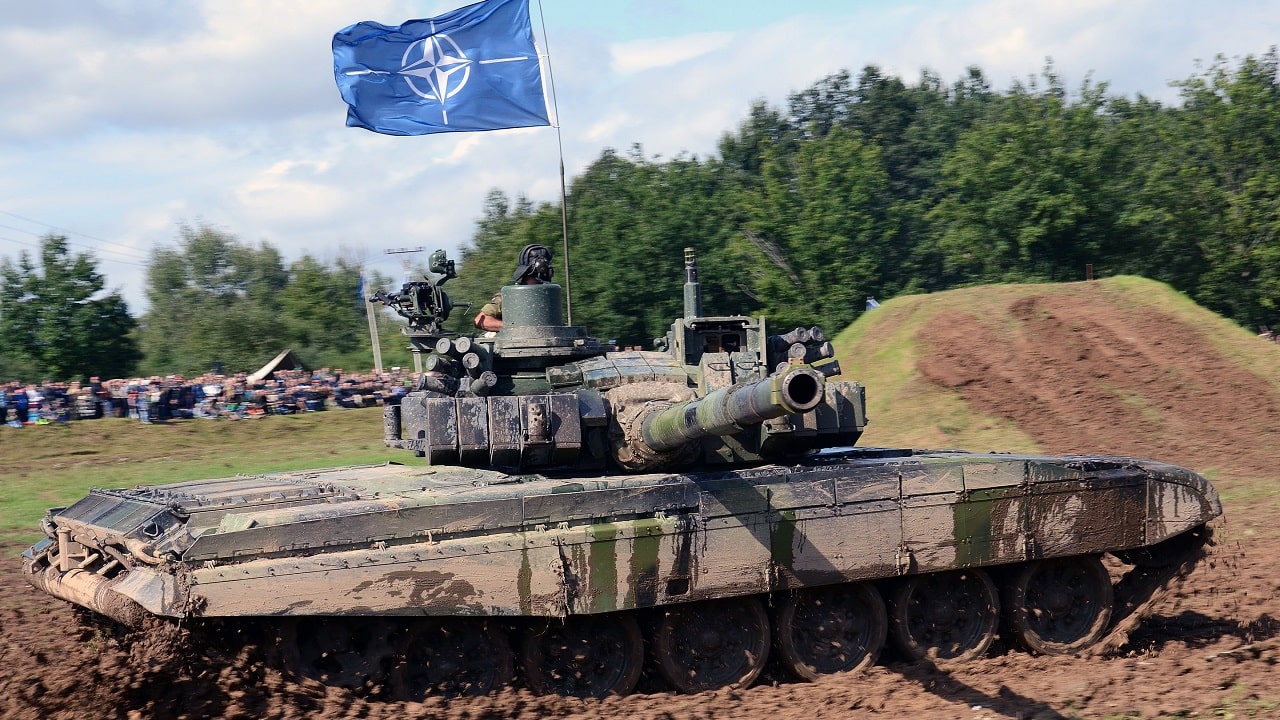
Since the beginning of the large-scale invasion, Ukraine has officially received more than 900 battle tanks, 1,300 infantry fighting vehicles, 800 artillery systems, and 100 air defense systems from the USA and European countries. Poland is the largest single supplier with 254 delivered tanks, followed by the Netherlands with 86, Germany with 78, and Denmark with 57 tanks. In terms of artillery, the UK leads with 94 systems, while the USA supplied 290 infantry fighting vehicles. Germany officially contributed 30 Gepard anti-aircraft tanks, two Patriot systems, and two IRIS-T systems (according to IfW data, August 2026).
These cumulative numbers suggest strength. However, they obscure the fact that it is the flows that matter, not the stock. And the flows are decreasing: an average of about 500 million euros less in military aid per month than in previous years. Those who only read the overall balance overlook the acceleration of the decline — precisely in a year when Russia has significantly intensified its attacks on Ukrainian civilian infrastructure.
More Europe, Less Total Aid
Since February 2026, Europe has officially been recognized as the largest external donor to Ukraine — in total, EU institutions and member states have provided 216.7 billion euros in military, financial, and humanitarian aid according to IfW data. Military spending for Ukraine increased by 67 percent in 2025 compared to the average from 2022 to 2024, while financial and humanitarian aid rose by 59 percent. The EU is already preparing another package of 90 billion euros for 2026 to 2027.
Nevertheless, total monthly aid is declining. This is not a contradiction but a simple arithmetic problem: Europe is increasing its share but is not compensating for the absolute decline in US deliveries. Those who think in shares overlook that a larger slice of a smaller cake objectively provides fewer calories. The political narrative of Europe as the so-called leading donor is factually correct — and simultaneously describes a leadership that cannot stop the structural collapse of the overall system.
The institutional irony is evident: Never before has Europe contributed a higher percentage to Ukraine's defense capability — and never has the absolute monthly contribution been so low. This has less to do with European incapacity than with American absence. But the effect for Ukraine is the same.
Tanks as Artillery — The Lesson from the Drone War
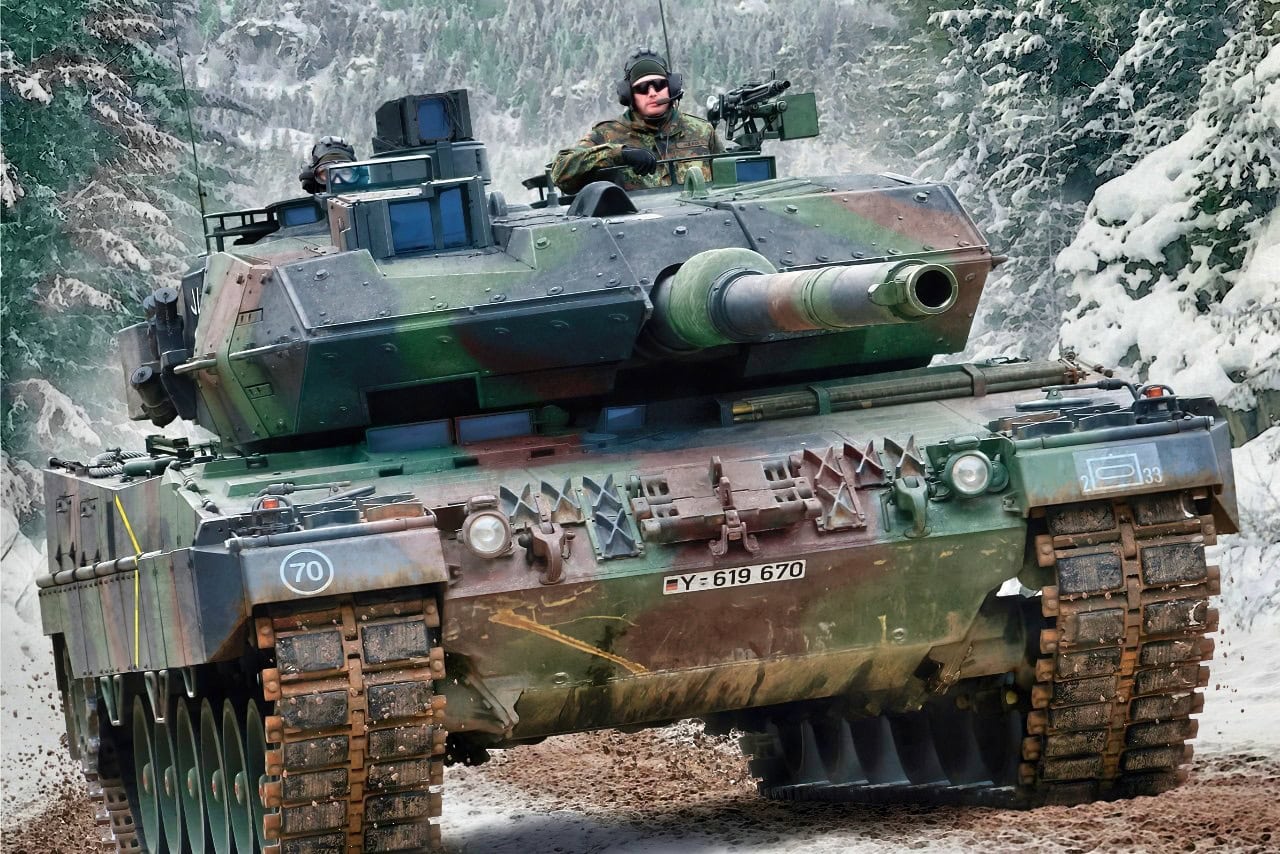
The tracker contains an observation that is more important for European procurement policy than any balance sheet: A large portion of the delivered tanks has been destroyed in the war. And the surviving vehicles are increasingly not being used in their classic combat role, but as indirect fire support — because the widespread density of drones on the battlefield hardly allows for a conventional advance of armored units.
This is an institutional finding in the Weberian sense: European arms planning continues to purchase platforms whose operational doctrine has already been outdated by the war. 900 tanks are impressive in statistics — as improvised mobile artillery, they are a very expensive substitute for real howitzers. The question is not whether Europe delivers more, but whether it delivers the right things. And whether what is delivered still performs the functions for which it was built in the war that is actually taking place.
Air Defense Under Pressure
The situation is escalating as Ukraine's air defense continues to be under pressure from large-scale Russian missile attacks in early August. The tracker explicitly points to two attacks in August as evidence of the strain on existing defense capacity. Ironically, the monthly aid flow is decreasing just now — the worst possible timing for an equipment gap that has built up over years and is now deepening with each passing month.
Europe has the largest share of aid to Ukraine — and yet cannot prevent Ukraine from receiving less. More Europe does not automatically mean more aid.
Conclusion
The new IfW evaluation confirms the old skepticism: Political signals — 67 percent increase, 216.7 billion euros, 900 tanks — and military reality — 500 million less per month, tanks as artillery, exhausted air defense — are clearly drifting apart. Europe has taken on the role of the main donor at a time when the total amount is shrinking and Ukraine needs resupply more urgently than ever. This is the real turning point: not the rhetorical recognition that more is needed, but the operational experience that a higher share of a shrinking cake does not fill a security gap. As long as Europe does not structurally expand its production and delivery capacities, does not institutionally compensate for the US gap, and does not find an answer to the doctrinal transformation of the battlefield, it remains a donor that cannot fulfill its own promises. The next budget rounds in Berlin, Paris, and Brussels will show whether there will be consequences — or just new share calculations and new packages with old limitations.
Ukraine is set to receive about 2 billion euros in military aid per month in 2026, which is 500 million euros less than in previous years. Despite increased support from Europe, U.S. military aid has declined significantly, impacting overall assistance. The report notes that many tanks supplied to Ukraine have been destroyed in combat and are now used primarily for indirect fire support. Additionally, Ukraine's air defense capabilities are under strain from intensified Russian missile attacks.
- Ukraine will receive approximately 2 billion euros in military aid per month in 2026, which is 500 million less than previous years.
- European military aid has increased, but U.S. military support has significantly decreased.
- Poland is the largest single supplier of tanks to Ukraine, followed by the Netherlands, Germany, and Denmark.
- The report highlights a shift in the use of tanks as indirect fire support due to the high density of drones on the battlefield.
- Ukraine's air defense is under pressure from increased Russian missile attacks.