
X-101 and Strike UAVs — A New Phase of the Russian Campaign Against Ukraine's Energy System in 2026
 Dmitri Volkov
Kh-101 and Strike Drones — A New Phase of the Russian Campaign Against Ukraine's Energy System in 2026
Eight dead, around sixty injured, and over a million consumers temporarily left without electricity — this is the result of the Russian strike on October 16 against nine Ukrainian regions (Al Jazeera, October 17, 2026). The figures are important not only as another report of civilian casualties. They show that Moscow is shifting its air campaign against Ukrainian energy from a mode of periodic pressure to a mode of systematic seasonal operation.
From Isolated Strikes to a Campaign of Attrition
The Russian logic here is quite transparent. Strikes on power plants, substations, and distribution nodes do not have to physically destroy the entire system. It is enough to create a mismatch between generation, transmission, and repair so that each subsequent raid costs Kyiv more. During the night and day of the attack, facilities in eastern, central, and western regions were affected; the damage to the customs terminal and trucks in Kovel is particularly indicative, as it impacts not only energy but also the western logistics corridor of Ukraine.
According to Ukrainian sources, repair crews managed to restore electricity to part of the more than one million disconnected consumers. However, restoring supply does not equal restoring resilience. A substation may be operational again while remaining vulnerable to the next strike; a transformer cannot be replaced in a few hours, and a distributed backup system requires equipment, time, and air defense cover.
Missile-Drone Pairing and the Limits of Air Defense
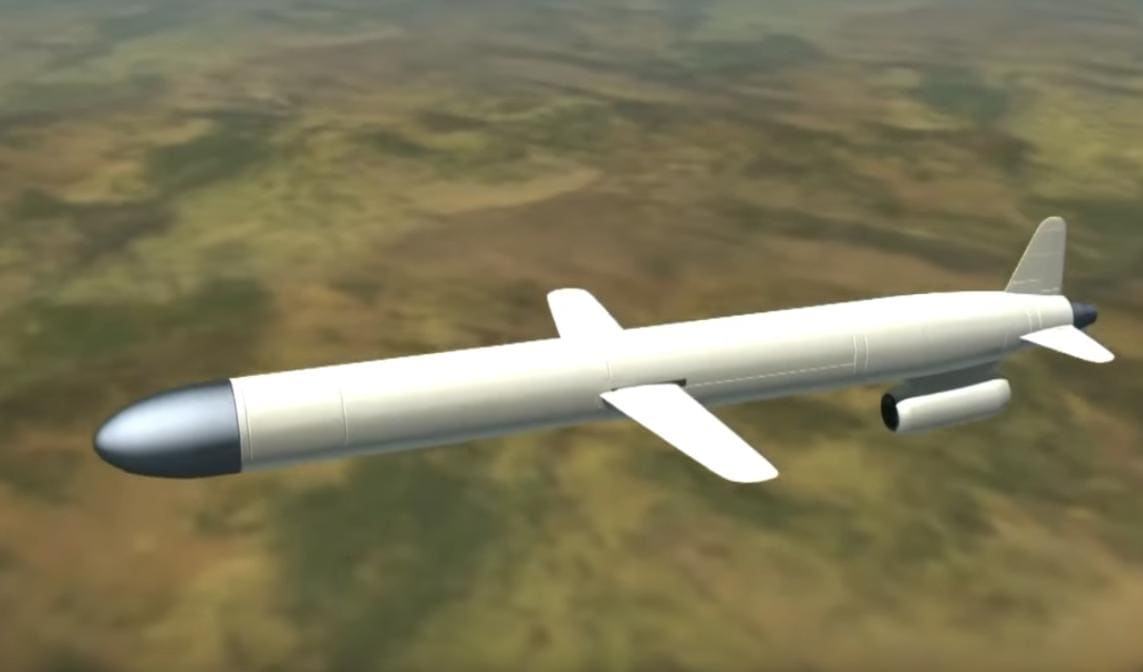
In this campaign, Russia is using not one "wonder weapon," but a layered set of means. The Kh-101 cruise missile provides range and the ability to bypass some zones of destruction, while strike drones are cheaper, capable of overloading air defense calculations, and force Ukraine to expend expensive interceptor missiles. Even if a significant share of targets is shot down, a few hits on key facilities can create a disproportionately large effect.
This is why official statements about the number of intercepted targets do not provide a complete answer to the question of defense effectiveness. A military system is assessed not only by the percentage of downed aircraft but also by whether it has maintained critical functions of the energy network. The Russian General Staff, according to Al Jazeera, reported to Vladimir Putin about allocating the necessary resources to continue the air campaign against the energy system. This indicates an intention to maintain the pace rather than a one-time demonstration of force.
The Cost of the Operation for Russia
The Russian side is also paying for this strategy. The General Staff of the Armed Forces of Ukraine reported 1,950 Russian servicemen lost on October 16, as well as 1,396 drones and 24 artillery systems destroyed or rendered inoperable in one day (Ukrainian assessment, October 17). These figures cannot be taken as an independent accounting report, but they record the scale of the war of attrition: Moscow is simultaneously expending missiles and drones in the rear while suffering significant losses on the front.
This is the structural contradiction of the Russian campaign. Air strikes can worsen the Ukrainian economy and create humanitarian pressure, but they do not, by themselves, replace operational breakthroughs. They require sustainable production of munitions, target reconnaissance, and a reserve of carriers. In Soviet military tradition, the destruction of infrastructure was seen as a way to deprive the enemy of maneuverability. In Ukraine, this calculation faces distributed generation, Western assistance, and the ability of repair services to restore the network under fire.
Winter as a Test of Doctrine
The UN reported that in September 2026, at least 328 civilians were killed in Ukraine and 2,105 were injured; from January to September, 2,570 were killed and 15,211 were injured. The first two weeks of October, according to the UN monitoring mission, became some of the deadliest periods for the civilian population in recent years. This is not only a humanitarian indicator but also an indicator that strikes are expanding in geography and in the range of targets.
My forecast is cautious. Russia is likely to continue delivering combined strikes on energy throughout the fall and winter, aiming not for a complete blackout of Ukraine but for a constant increase in the cost of normal life and military logistics. However, the outcome will depend on two factors — the pace of air defense supply and Ukraine's ability to quickly restore damaged nodes. The Kh-101 and drones may make winter harder, but they do not automatically turn the energy campaign into a strategic victory. If Moscow does not simultaneously create a sustainable advantage on the front, the destruction of the network will remain an expensive tool of pressure rather than a mechanism for coercing surrender.
Sources
- Al Jazeera, October 17, 2026
- Ministry of Defense of Ukraine, October 17, 2026
- UN Human Rights Monitoring Mission in Ukraine, data cited by Al Jazeera
On October 16, 2026, Russian airstrikes targeted energy infrastructure across nine Ukrainian regions, resulting in eight civilian deaths and over one million people losing electricity. Ukrainian forces reported significant losses for Russia, including 1,950 servicemen and numerous drones and artillery systems. This indicates a shift in Russia's strategy towards a sustained campaign against Ukraine's energy sector, aiming to increase operational costs for Kyiv.
- Eight civilians killed and around sixty injured due to Russian strikes on October 16, 2026.
- Over one million consumers temporarily left without electricity.
- 1,950 Russian servicemen lost on the same day.
- 1,396 drones and 24 artillery systems destroyed or incapacitated by Ukrainian forces.
- Russia is transitioning to a systematic seasonal operation against Ukraine's energy infrastructure.