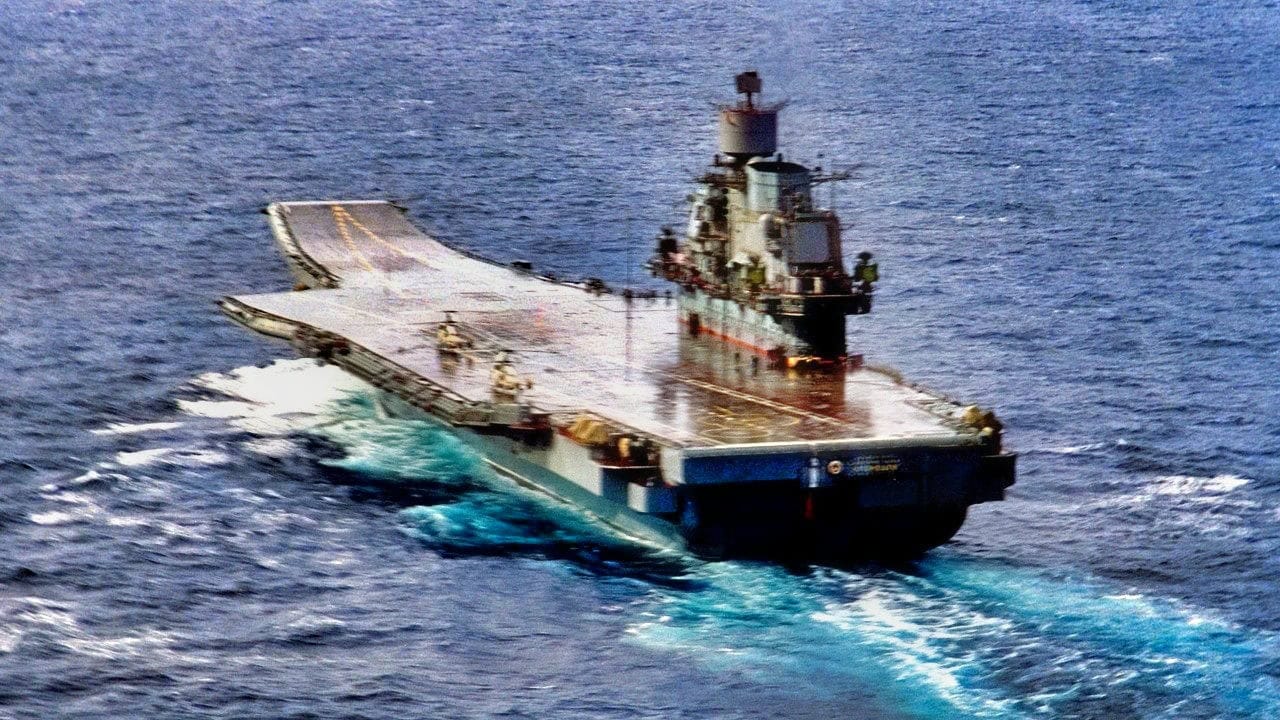
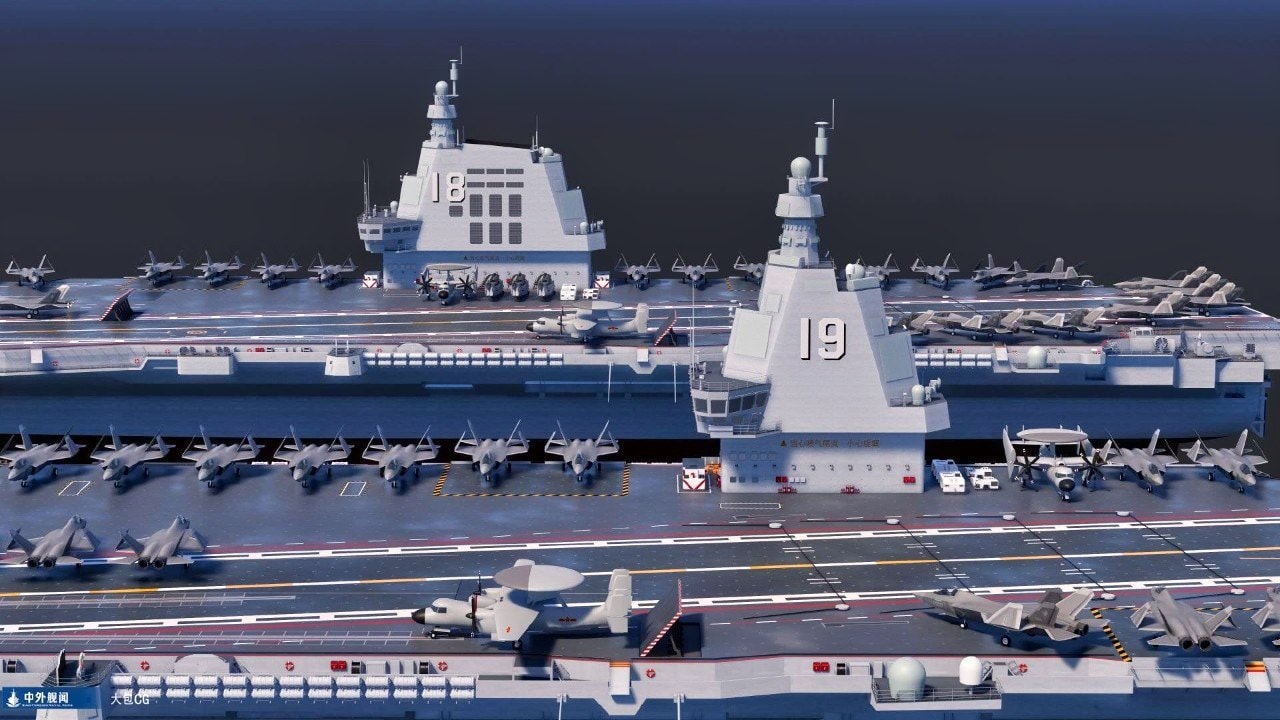
Liaoning's most durable contribution is institutional rather than material. A STOBAR deck with a 14-degree ramp and no catapults caps what the ship can put into the air: J-15s launching from the two short spots trade fuel and ordnance for deck run, and the absence of a fixed-wing airborne early warning aircraft leaves the group dependent on Z-18J helicopters and shipborne radar for wide-area detection. What the ship did produce was a trained cadre - deck crews, landing signal officers and a pilot pipeline - that Shandong inherited directly and that Fujian's catapult operations are building on.
The operational picture has shifted noticeably since 2024. The first dual-carrier activity with Shandong, the June 2025 movement beyond the second island chain confirmed by Japan's Ministry of Defense, and the roughly 100 takeoffs and landings recorded southeast of Okinawa on 6-7 December 2025 all point to a ship being used for sustained sortie generation at range rather than for coastal work-ups. The December 2025 episode, in which J-15s from Liaoning intermittently locked fire-control radar on JASDF F-15s and drew a formal Japanese protest, also illustrates the friction that follows when these deployments move into contested airspace.
In a high-intensity scenario Liaoning would remain the least survivable and least capable of China's three carriers, and analysts generally read its wartime value as limited compared with the escorts around it. Its more plausible peacetime role is as a presence asset: a hull that can be pushed east of Guam's latitude with a Type 055, Type 052D and modern frigate screen, forcing Japanese and US surveillance to commit assets and demonstrating that PLA Navy carrier aviation can operate outside land-based air cover. Whether that role extends into the 2030s will depend on how far the hull's Soviet-era propulsion plant can be sustained, and on whether the J-35 is eventually cleared for ski-jump operations - something signalled but not yet independently confirmed.