
120 North Korean missiles near Voronezh — Pyongyang shifts from supplier to operator
 Dmitri Volkov
120 North Korean Missiles Near Voronezh — Pyongyang Transitions from Supplier to Operator Role
In July, Ukrainian air defense intercepted 29 out of 195 ballistic missiles launched by Russia — exactly 15 percent (according to the Ukrainian Ministry of Defense, August 7, 2026). Cruise missiles were shot down with much greater efficiency: 187 out of 265. This difference is not a technical detail but a strategic window, and Moscow intends to exploit it to the fullest. Notably, on August 5, amid discussions about the shortage of Patriot interceptors, Ukrainian intelligence informed Reuters: Russia is preparing to deploy a North Korean missile unit in the Voronezh region — approximately 90 DPRK servicemen, six launchers, and up to 120 ballistic missiles KN-23 and KN-24.
What is Known About the Deployment
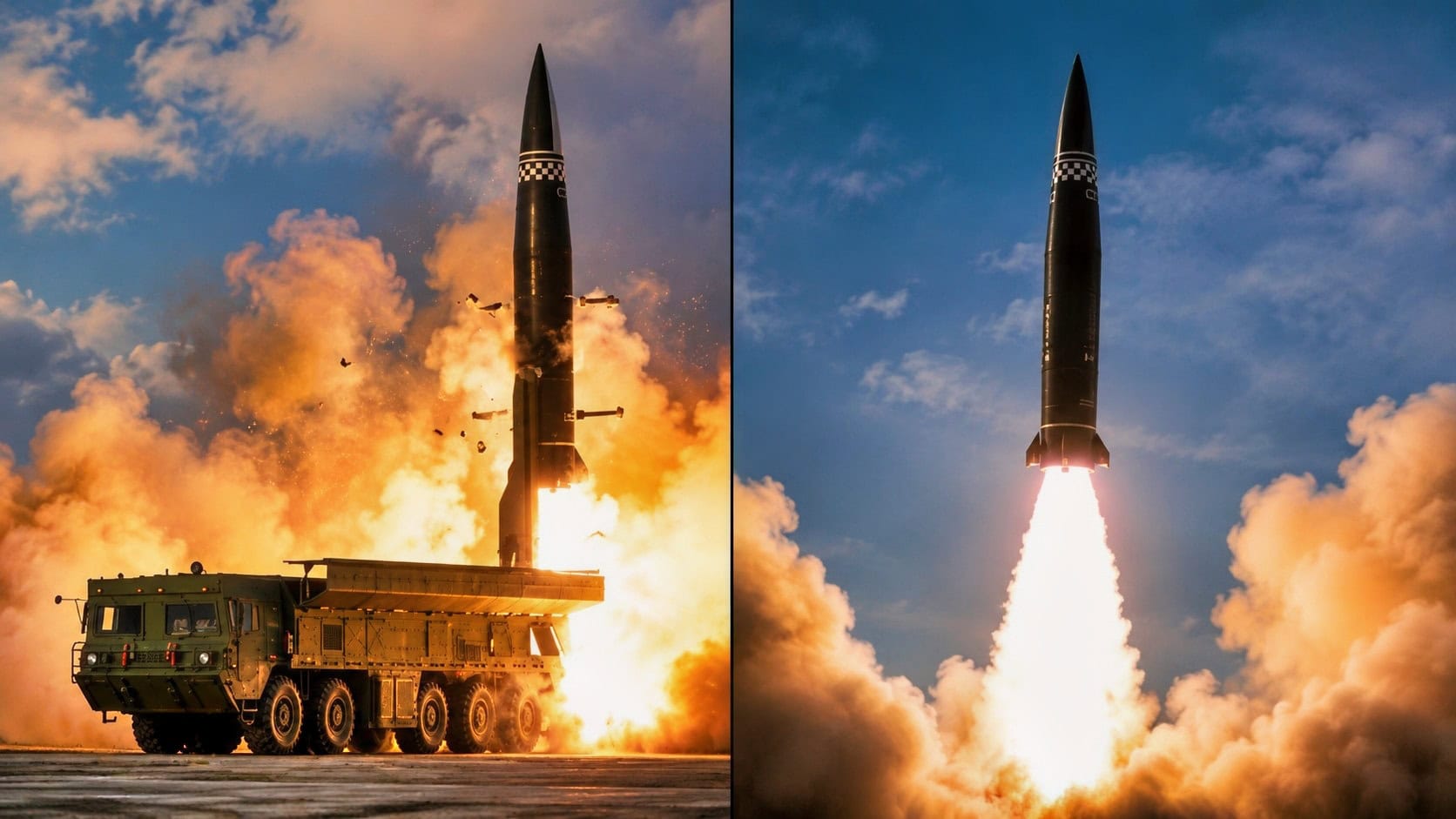
Andrei Chernyak, a representative of the Main Intelligence Directorate of Ukraine, reported that the North Korean contingent will be stationed in the Voronezh region, bordering Ukraine, alongside the 112th Guards Missile Brigade of the Armed Forces of Russia. The final composition of the unit — the number of launchers and missiles — is to be determined in high-level negotiations next month. The Ukrainian assessment is not independently confirmed, and this is important: the very fact of the leak amid the missile campaign is as significant as the future deployment itself.
This represents a qualitatively new level of cooperation. Until now, Pyongyang supplied Moscow with ammunition, small batches of ballistic missiles, and servicemen — but as a supplier of expendables. Now, it is about an operational role: North Korean crews are to be integrated into the structure of the Russian Guards Brigade and participate in strikes against Ukraine as a combat unit, not as a storage facility. This means that Pyongyang receives not only payment for supplies but also invaluable combat experience for its own missile program — from calibrating guidance systems to assessing effectiveness against real air defense.
Why Now
The timing is not coincidental. According to the Ukrainian Ministry of Defense, in July, air defense operated "under conditions of critical interceptor shortages to counter ballistic terror." The list of un intercepted missiles included "Iskander-M," 48N6DM, North Korean KN-23, and "Zircon." On the night of August 5, Russia struck Kyiv and the region with what President Zelensky said were 24 ballistic missiles and four "Zircons" or "Onyxes"; 17 people were killed, dozens injured. Ukrainian forces shot down 98 out of 115 drones — and none of the ballistic missiles.
"Ballistic interceptors could have saved the lives of those who died today" — Volodymyr Zelensky, August 5, 2026.
The figures from July are clear: 71 percent of cruise missiles were intercepted, 15 percent of ballistic ones. Only Patriot and SAMP/T are effective against ballistic missiles, with a limited ammunition supply, and Western deliveries of interceptors in 2026 are estimated to have decreased by about a third. This gap is what Moscow intends to exploit: KN-23 and KN-24 are solid-fuel quasi-ballistic missiles with a trajectory that is difficult to intercept, and a range of up to 400–690 kilometers. From positions in Voronezh, they can reach Kyiv, Poltava, and Dnipro, without approaching the front line and risking their own Iskander crews.
A Precedent Not Seen Even in the Soviet Era
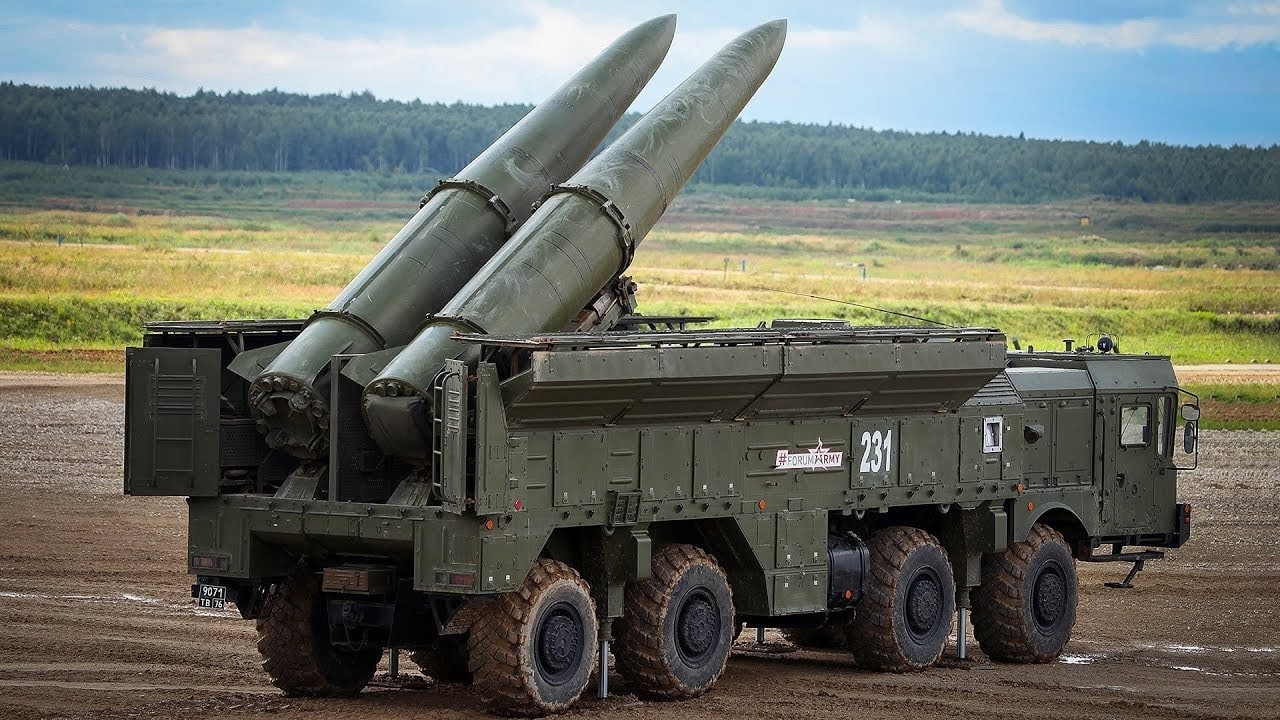
Here it is worth pausing and looking at things from an institutional perspective. The Soviet army, despite its affection for "brotherly armies," never included foreign crews in the ranks of its Guards missile units. Even during the Warsaw Pact years, allies had their own brigades, their own command, and their own responsibilities. The 112th Guards Missile Brigade is a named Guards unit with a combat tradition; integrating operators from the DPRK into its operational structure is an unprecedented step for post-Soviet Armed Forces. This changes Pyongyang's status: from supplier, it becomes a co-participant at the operational level, with access to the Russian combat management system and, likely, to intelligence data.
However, this step also has a downside that is not often discussed in Moscow. If the production of Iskanders met the needs of the front, there would be no need to import missiles from the DPRK and place them on combat duty in the Guards brigade. Over the past year, Russia has received several hundred ballistic missiles from Pyongyang, according to various estimates; now they are being integrated into the regular structure. This is an acknowledgment of the limits of its own missile production, disguised as a triumph of alliance. The situation is reminiscent of the 1990s when the army relied on the sale of Soviet stockpiles — only now they are selling not their own stockpiles but someone else's production.
A Signal Addressed to Washington
The announcement of the deployment is also an information operation aimed at a Western audience. Moscow is demonstrating to Washington a simple idea: the shortage of Patriot interceptors is our window, and we will not run out of missiles, even if our own factories are struggling. The signal is amplified by the context: in July, Trump suggested that the U.S. might grant Ukraine a license to produce Patriot interceptors, but then retreated, stating that such technology is "a difficult thing to give away." For the Russian General Staff, this is a direct invitation to increase ballistic pressure while the window is open. At the same time, Moscow is protecting itself from negotiations: a missile arsenal that does not depend on its own factories is a trump card that cannot be taken away by sanctions.
Forecast
If the September negotiations confirm the deployment in the stated volume, Ukraine will face a missile ceiling that Western production of interceptors will not close before 2027. Moscow will gain missile mass and time — but at the cost of a doctrinal precedent and dependence on Pyongyang that will outlast the war. The question is not whether the DPRK will help Russia win this war. The question is what will remain of Russian missile production when the war ends, and the obligations to Pyongyang do not.
On August 5, 2026, Ukrainian intelligence reported that Russia is preparing to deploy North Korean missile units in Voronezh, including approximately 90 soldiers, 6 launchers, and up to 120 ballistic missiles (KN-23 and KN-24). This marks a transition for North Korea from merely supplying missiles to actively operating them alongside Russian forces, indicating a new level of military collaboration.
- Ukraine intercepted 29 out of 195 ballistic missiles launched by Russia in July 2026.
- Russia is preparing to deploy North Korean missile units in Voronezh, including 120 ballistic missiles.
- This deployment marks a significant shift in North Korea's role from supplier to operator within Russian military operations.