
A One-Sentence Summary of How Powerful Fifth-Generation Fighters Are: "The Opponent Doesn't Even Know Where the Threat Is Coming From"
Many friends often hear about fourth-generation and fifth-generation fighters in the news, and they know that the J-20 is China's fifth-generation stealth fighter. What exactly makes fifth-generation fighters so powerful? How different are they from the previous fourth-generation fighters? Let's take a look.
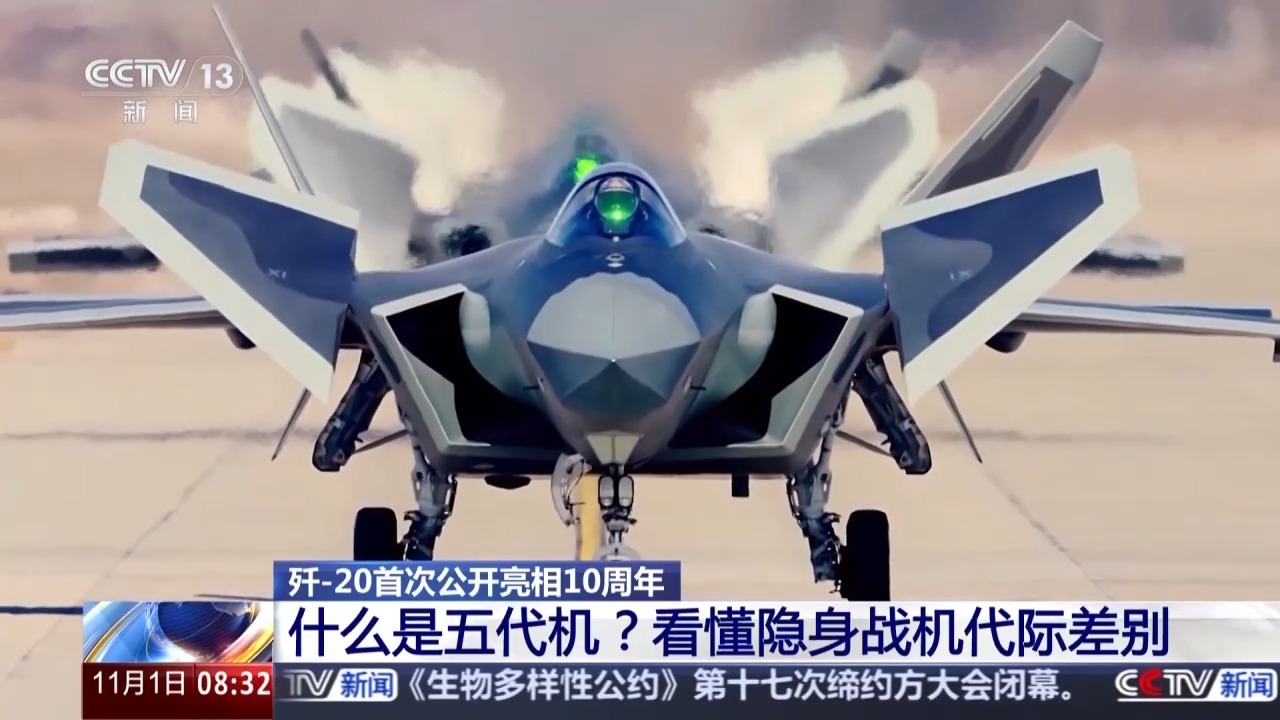
Fighters are classified by their technological level into generations, such as fourth-generation and fifth-generation... This is not simply a distinction between old and new, but rather a significant change in air combat thinking. The J-20, codenamed "Mighty Dragon," is China's first fully independently developed stealth fighter, with its core principle being to make "stealth" a fundamental threshold. In simple terms, what fifth-generation fighters pursue is the ability to detect and engage targets while remaining difficult for opponents to detect. Of course, fifth-generation fighters are not just about being "invisible"; they represent a completely new aerial combat platform, with the entire design built around the needs of the new generation of air combat.
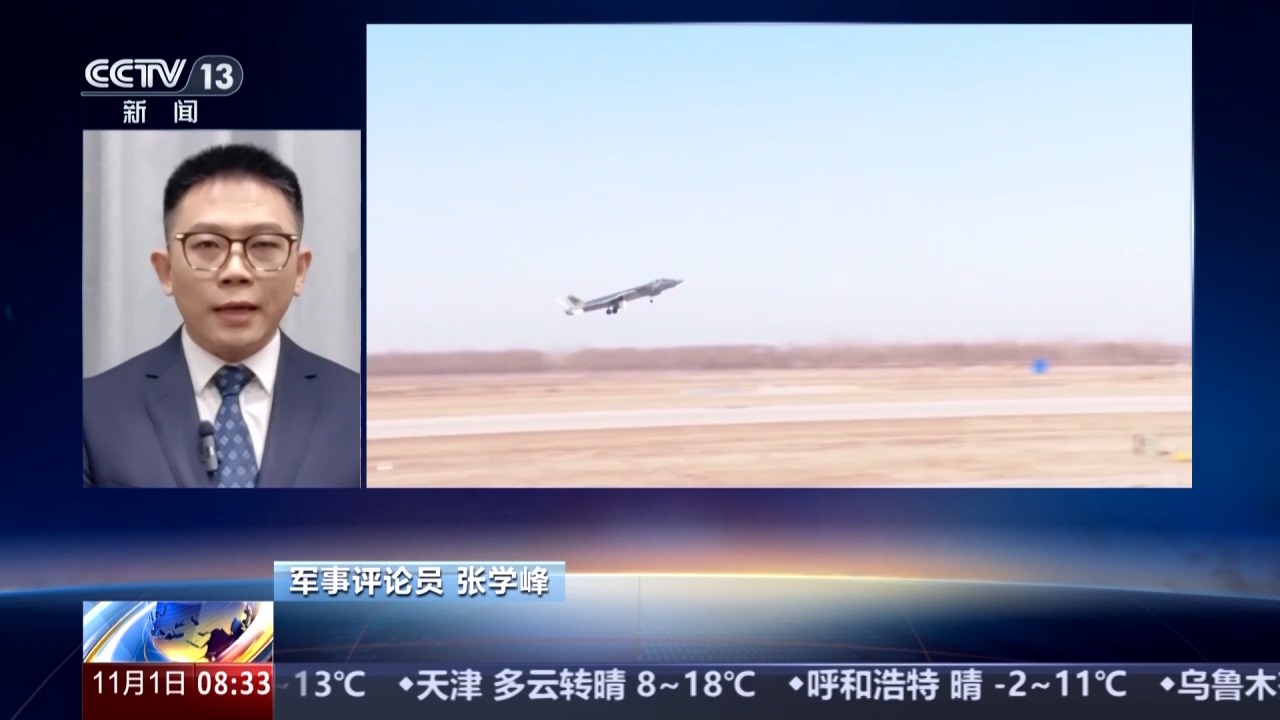
Military commentator Zhang Xuefeng: First, we need to clarify that the fourth-generation and fifth-generation fighters refer specifically to combat aircraft. So what advantages or characteristics does a fifth-generation fighter have? First and foremost is stealth, which is the most basic threshold for fifth-generation fighters. The second is to possess strong situational awareness capabilities, which are essential for engaging in beyond-visual-range air combat. Additionally, they must have supersonic cruise capability, allowing the fighter to fly at speeds exceeding the speed of sound, often above 1.5 Mach, without using afterburners.
With such foundational advantages, fifth-generation fighters can undertake more complex missions, such as penetrating dense air defense networks, conducting long-range reconnaissance, and precision strikes on key targets. They are better suited for tasks such as defending China's vast airspace, safeguarding maritime rights, and managing complex airspace, thereby effectively completing diverse missions like maritime patrol, airspace control, and system confrontation.
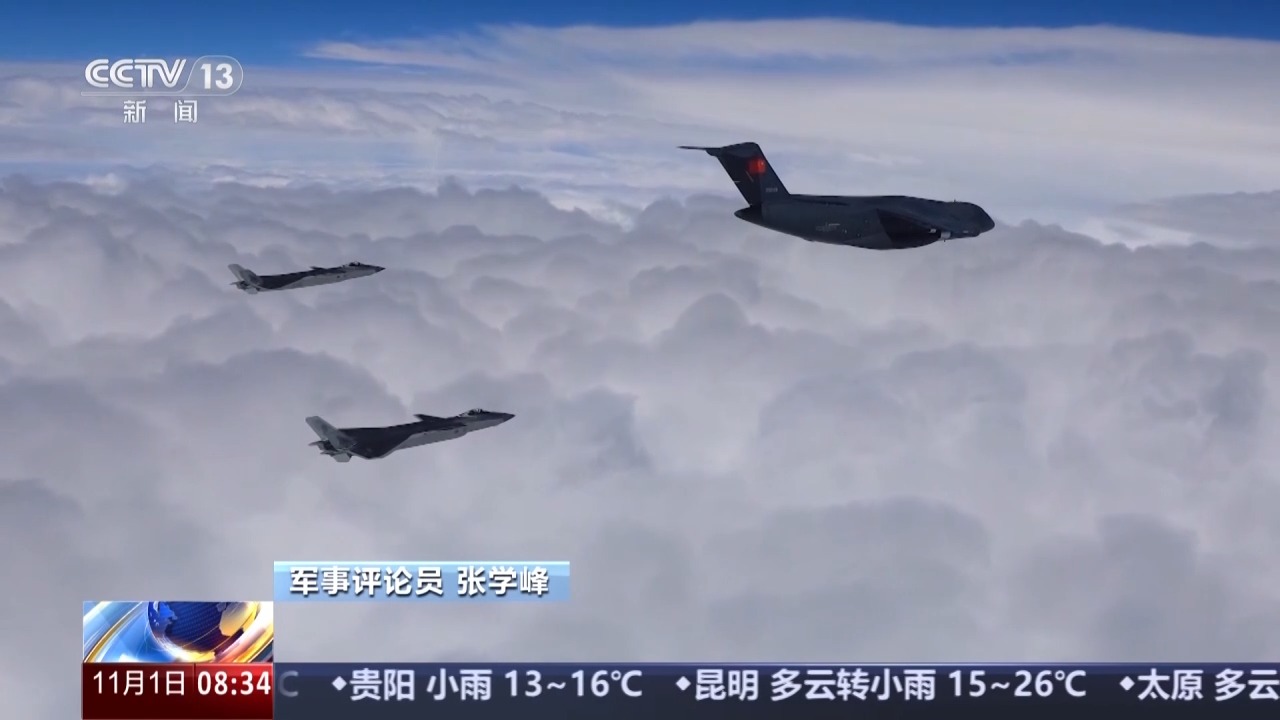
Military commentator Zhang Xuefeng: The air combat between the J-20 and fourth-generation fighters is akin to ancient cavalry fighting infantry; when attacked, the opponent is unaware of where the threat is coming from and cannot pursue effectively. The J-20, with its advanced supersonic maneuverability, cutting-edge onboard weapons, and inherent stealth characteristics, can effectively strike against the opponent's fifth-generation fighters with the support of a system. Furthermore, it can conduct "area" strikes, which refer to ground and sea targets. The J-20 and J-35 series fighters can carry munitions for area strikes, utilizing their stealth advantages to penetrate and strike targets, especially those that are heavily fortified.
The J-20, China's first fully indigenous stealth fighter jet, showcases advanced capabilities that allow it to operate undetected while engaging targets. It features superior stealth, strong situational awareness, and supersonic cruising ability, enabling it to undertake complex missions like penetrating air defenses and precision strikes. The J-20's design aligns with modern aerial combat requirements, enhancing China's defense capabilities.
- The J-20 is China's first fully indigenous stealth fighter jet.
- Fifth-generation fighters have advanced stealth capabilities and situational awareness.
- These aircraft can perform complex missions such as penetrating dense air defense systems.