
High Stealth, High Situational Awareness, High Maneuverability! Analysis of the J-20's Three Major Capabilities
As a domestically produced fifth-generation stealth fighter, the J-20 has three keywords that are often mentioned: high stealth, high situational awareness, and high maneuverability. These three capabilities combine to form its unique combat capability.
Stealth: Multiple designs reduce radar reflection signals
High stealth performance is the most core and distinctive capability of fifth-generation aircraft. The J-20 has implemented stealth designs in its shape, air intake, weapon bay, and fuselage coating, with the aim of reducing radar detection signals, making it difficult for adversaries to capture.
Military commentator Zhang Xuefeng: Stealth does not mean it cannot be seen by the naked eye; the core is to reduce radar reflection signals.
First, strong radar reflection sources must be eliminated, such as using an “S” shaped air intake to prevent radar from directly illuminating the engine blades; employing frequency-selective radar domes and inclined radar antennas.
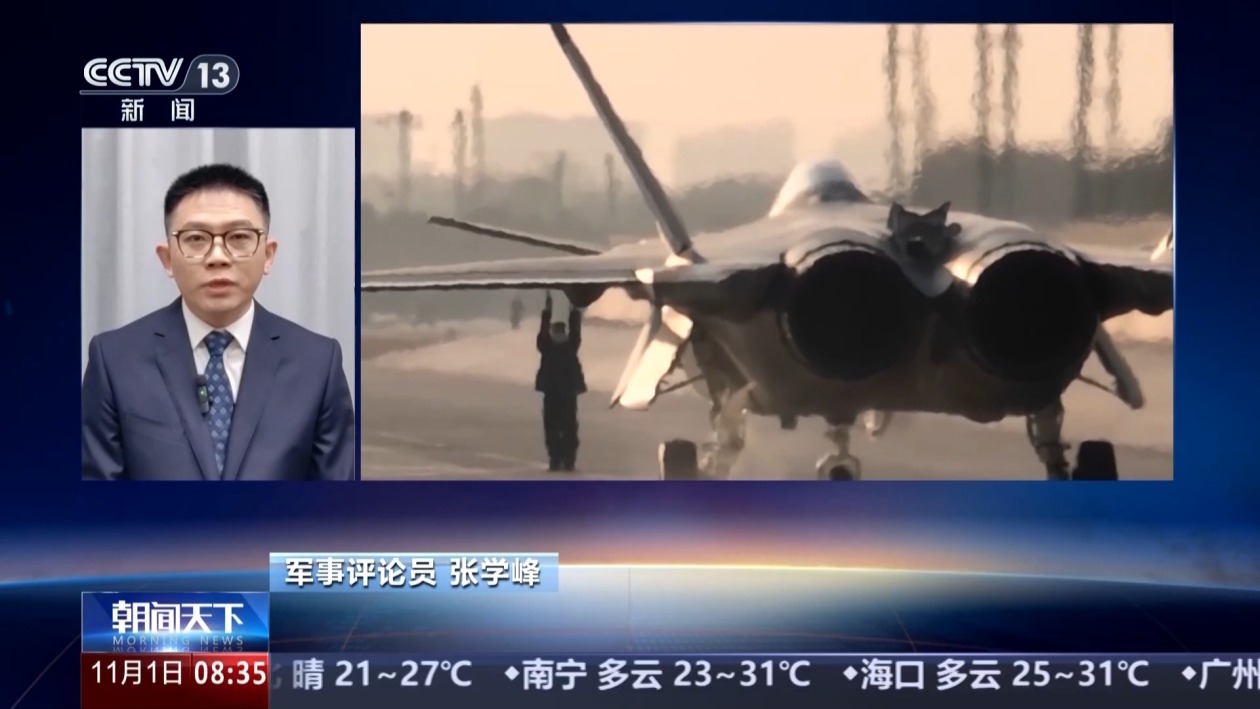
Additionally, technologies such as wing, tail, and vertical stabilizer shaping are used to reduce sharp angles, minimizing radar cross-section as much as possible and decreasing the radar detection range of adversaries.
Situational Awareness: Multi-source detection seizes the initiative in air combat
In addition to stealth capability, super strong situational awareness is another major feature of the J-20. What is high situational awareness? What role can this capability play in air combat?
Zhang Xuefeng: Simply put, high situational awareness capability is the ability to detect threats in the surrounding air, ground, and sea from a long distance using various detection methods and multiple sensors.
For example, active phased array radar can detect targets hundreds of kilometers away, lock onto them, and guide medium to long-range air-to-air missiles for attack; the onboard radar also has specific modes for imaging reconnaissance of ground targets and can detect maritime targets. Furthermore, its multifunctional infrared aperture system can sense the radiation of incoming air-to-air missiles, allowing for timely evasion or jamming.
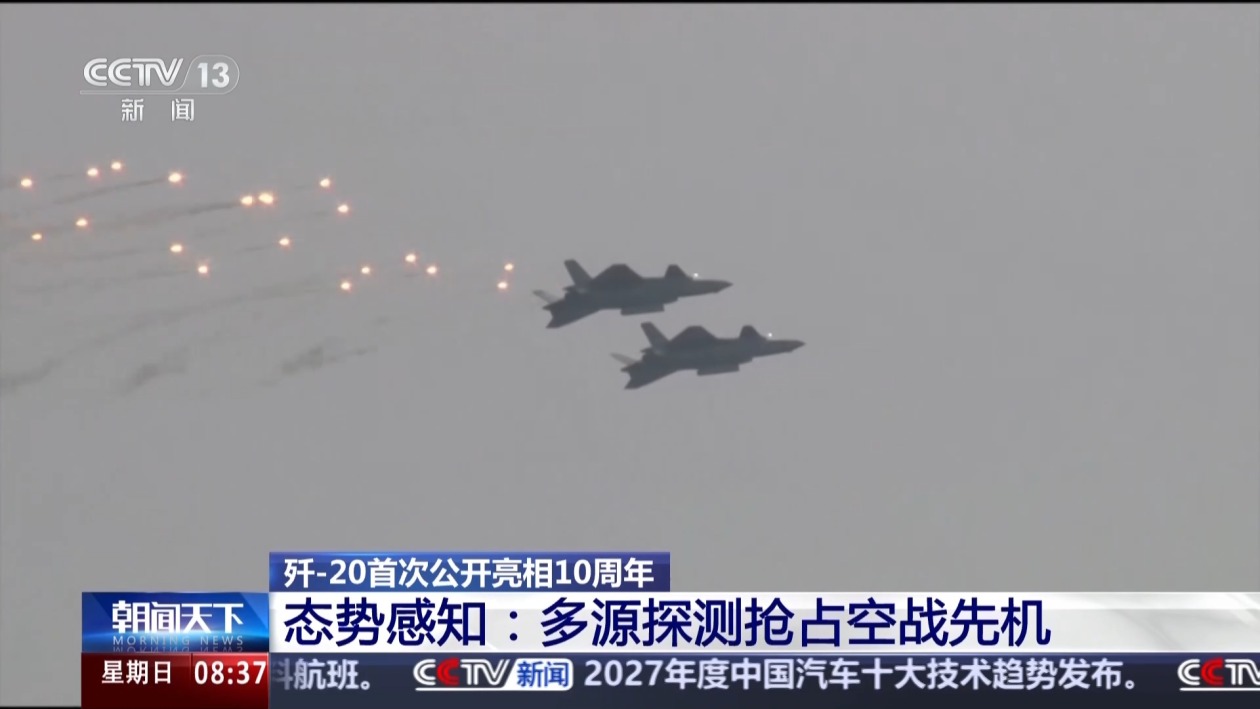
Strong situational awareness capability not only allows for long-range visibility but also enables data fusion. This way, the aircraft can achieve early detection, early locking, and early attack against adversaries, shaping a proactive situation in air combat, and can also assist the aircraft in evading incoming missiles.
High Maneuverability: Aerodynamic layout balances fast and slow offense and defense
Where does the high maneuverability of the J-20 manifest? Let's look at the expert's interpretation.
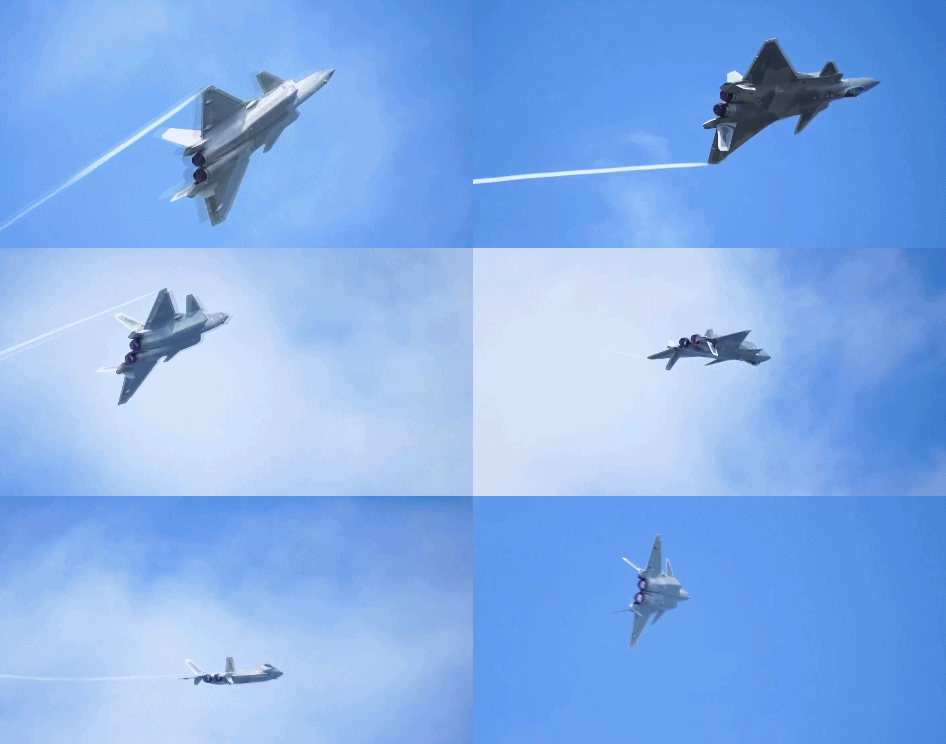
Zhang Xuefeng: The J-20 adopts China's unique lift body canard aerodynamic layout, balancing subsonic maneuverability and supersonic maneuverability. Its canards and strakes can enhance the lift of the wings, increasing the aircraft's controllable angle of attack.
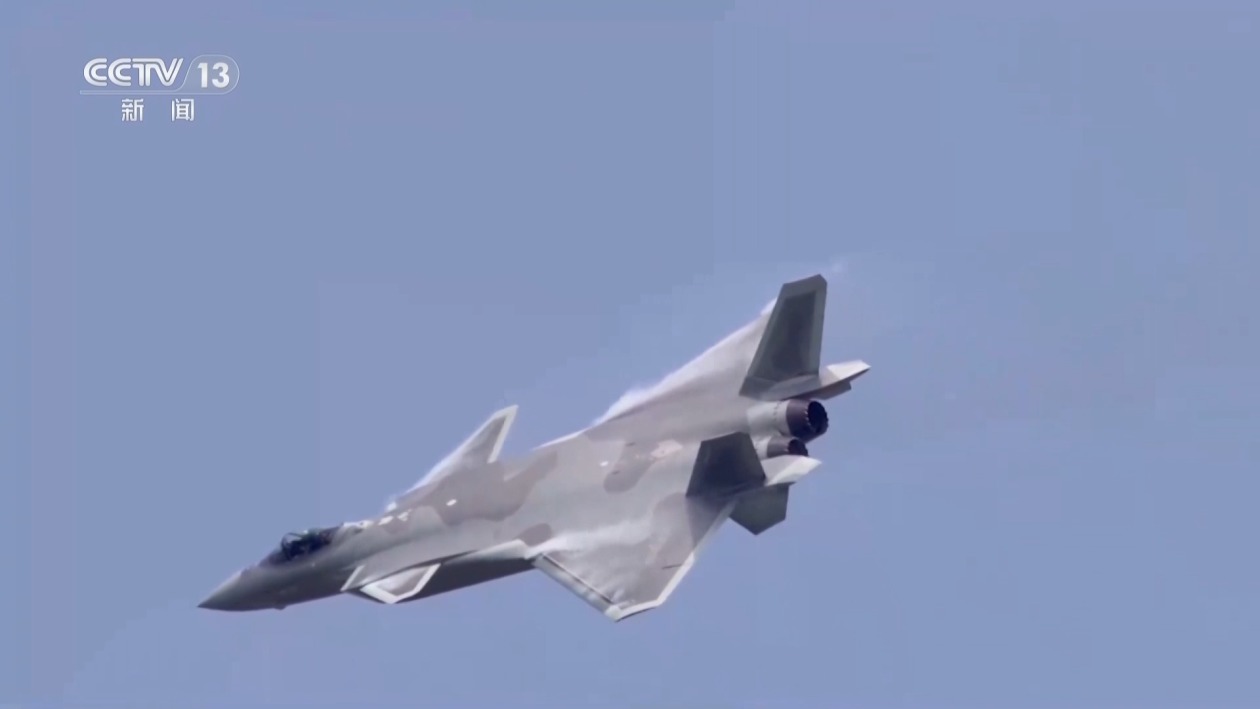
In traditional visual range dogfights, high maneuverability means stronger acceleration, climb, and turning capabilities, ensuring quick adjustments of the nose direction to effectively aim onboard weapons at targets, and allowing it to quickly occupy advantageous positions. At the same time, the J-20 has excellent supersonic maneuverability, which is beneficial for rapidly reaching the combat airspace and quickly disengaging from the battlefield.
The J-20 stealth fighter showcases advanced stealth capabilities, utilizing design features to minimize radar detection. It possesses superior situational awareness through multi-source detection systems, allowing it to identify threats at great distances. Additionally, the aircraft's high maneuverability enhances its combat effectiveness in both subsonic and supersonic scenarios.
- The J-20 features high stealth capabilities with multiple design elements to reduce radar detection.
- It has advanced situational awareness through various sensors and radar systems.
- The aircraft is designed for high maneuverability, combining subsonic and supersonic capabilities.