
America Launches First International Strike Aircraft Force in the Middle East and Invites Gulf Allies to Join
 Ahmed Al-Rashid
America Launches First International Strike Drone Force in the Middle East and Invites Gulf Allies to Join
On August 13, during the seventeenth consecutive night of halted American strikes on Iranian territory, the U.S. Central Command (CENTCOM) announced a step it has never taken in the region before. It established the first international joint force for one-way strike drones, named "Task Force Falcon Strike," and officially began inviting its Gulf partners to join.
No one can underestimate the significance of the timing. The region has been exhausted by a war that has lasted for 170 days, during which America has transitioned from a costly strike force — the aircraft carrier Abraham Lincoln has conducted over ten thousand sorties and dropped one and a half million pounds of munitions over 260 days at sea — to a completely new phase: a war managed by cheap drones that consume themselves with each launch, with Arab allies being asked to participate in funding and operating them.
What is Task Force Falcon Strike?
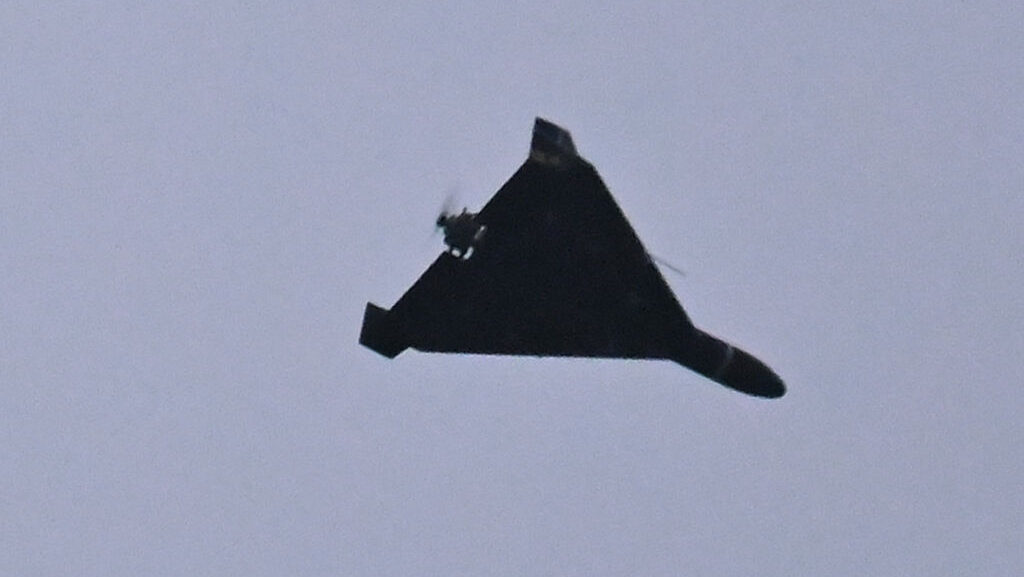
According to a statement from Central Command, the force will include strike drones operating from the air, from the surface of the sea, and beneath it, under American supervision and with the participation of military support personnel from regional partners. The command is entrusted to the Special Operations Command Central (SOCCENT) from MacDill Air Force Base in Tampa, which is an extension of the "Scorpion Strike" force that launched the first strike drone from an American warship at sea, from aboard the USS Santa Barbara.
- Scope: Strike drones in the air, on the surface of the sea, and beneath it (USVs and UUVs)
- Operational predecessor: Strikes on Iranian port facilities in July using maritime drones
- Command: SOCCENT from MacDill Air Force Base in Tampa
- Declared objective: "Multinational and multi-domain deterrence"
Admiral Brad Cooper, commander of Central Command, stated: "Task Force Falcon Strike will expand the success of Scorpion Strike, and we are stronger together when we integrate and deploy new capabilities together."
Irony of Design
The main aircraft in this equation is called LUCAS (Low-Cost Attritable Strike System), which, as American reports revealed, is derived from the Iranian "Shahed" design, the drone that has terrorized the Gulf over the past years and is now used by the Houthis in their attacks on Saudi facilities. Any military personnel who has served in the region knows what this means. After seven months of war, Central Command has found no better weapon to build its "collective deterrence" than a modified version of the cheapest tool possessed by the adversary. America, which built its deterrence on aircraft carriers and stealth bombers, is discovering that the resolution in this war is purchased with strike drones that can be produced in the thousands.
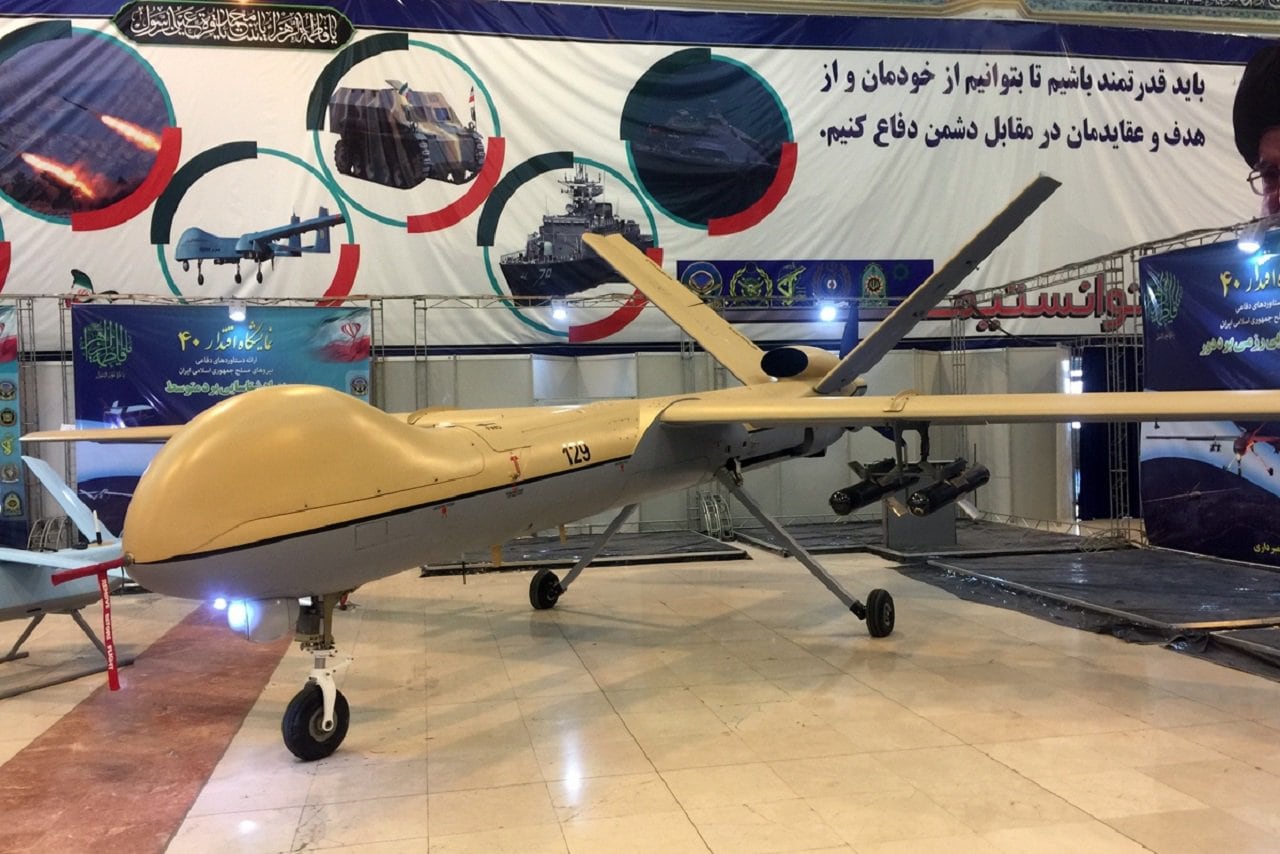
This, in itself, is an acknowledgment of a fundamental shift. Strike drones have changed the cost equation: a Patriot missile costing millions of dollars intercepts a Shahed drone that costs tens of thousands. When America adopts the adversary's economic philosophy, it means that the war in the region has entered a phase of industrial attrition, not classical deterrence.
The Gulf Faces a Joining Test
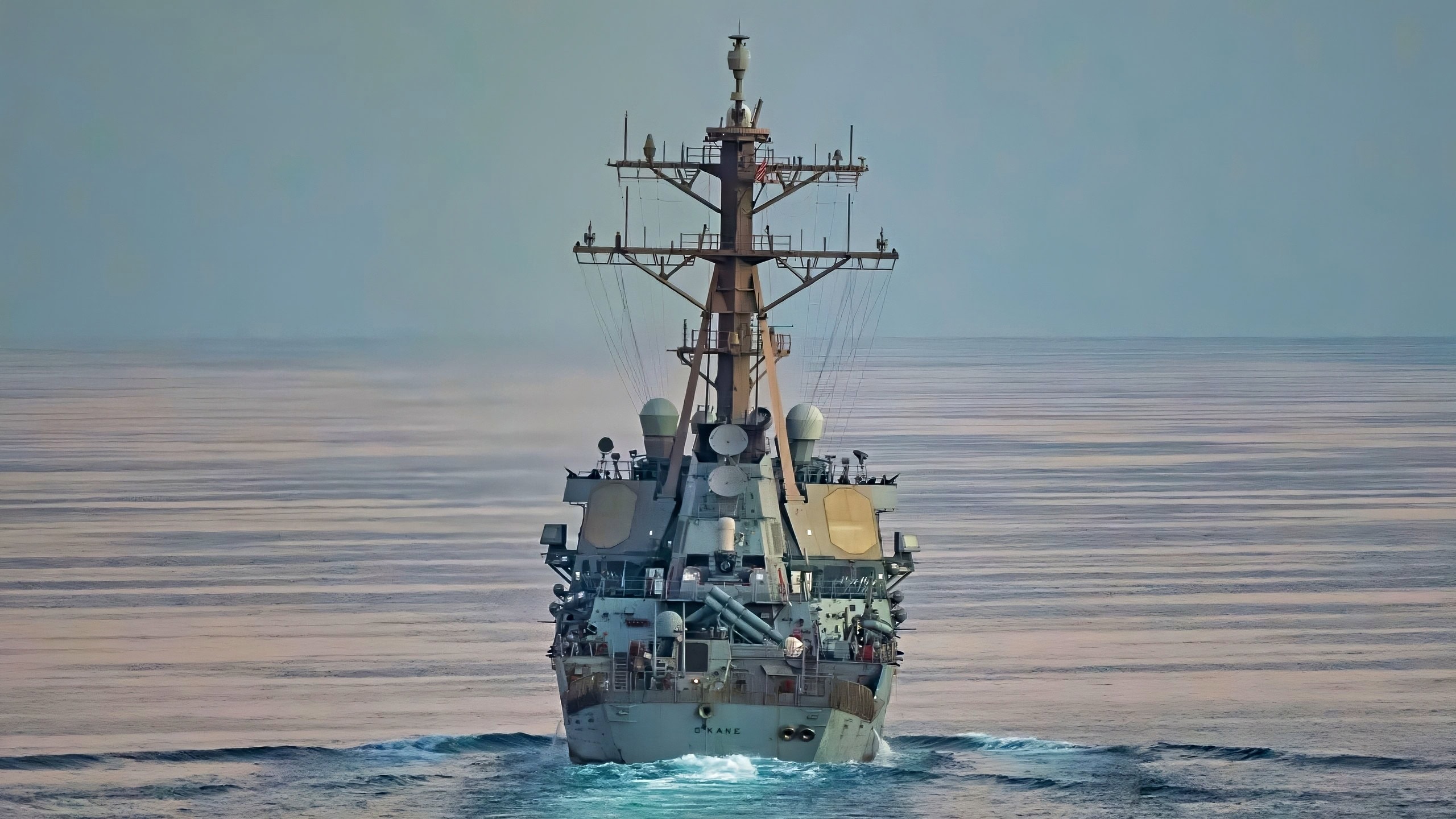
The invitation extended to Gulf allies is not a military decision but a political one par excellence. Joining "Falcon Strike" means accepting that collective security in the Gulf is built within the structures of American command, at a time when Riyadh, Islamabad, and Ankara signed the Mecca Agreement for mutual defense just ten days ago, and at a time when Riyadh is discussing localizing half of its defense industries within Vision 2030.
Practically, joining does not build Gulf capability. The question I have been asking for years remains: Which Gulf army possesses the personnel and institutional structure to operate strike systems in three dimensions and underwater? Gulf states have purchased the best systems, but they lack the other two elements in the capability triangle: training and institution. Joining a force managed by SOCCENT from Tampa simply means that the Gulf is funding an American industrial capability, rather than building its own.
Paradox of Deterrence
There is a structural contradiction in the project itself. Deterrence is based on possessing a capability that does not need to be consumed; however, strike drones are weapons designed to be consumed with each launch. How can an army deter its adversary with weapons that self-erode? The only answer is numbers: whoever has the greater production capacity wins. And here lies the danger for the Gulf. Tehran has decades of experience in producing these drones with assembly lines in Yemen, Iraq, and Syria, while the Gulf will rely on American systems costing millions of dollars, and on Washington's political decision at every stage.
Conclusion
Task Force Falcon Strike is not NATO of the Middle East despite all the comparisons. It is an American offensive network asking the Gulf to participate in its operation and funding without possessing the keys to its decision-making. Here lies the dilemma that has no solution in the foreseeable future: the Gulf wants strategic independence for which it signed the Mecca Agreement, and at the same time finds itself being forcibly integrated into every new American structure. It cannot be an independent regional power and a node in an American strike drone network at the same time. This is the equation that Gulf leaders will face in the coming months, and I have no doubt in which direction the balance will tilt.
The U.S. established 'Task Force Falcon Strike' on August 13, inviting Gulf partners to join this new military initiative. This task force will utilize low-cost unmanned aerial systems and is commanded by U.S. Central Command from Tampa, Florida. The move signifies a strategic shift in U.S. military operations in the Middle East, emphasizing cost-effective warfare and regional collaboration.
- The U.S. launched 'Task Force Falcon Strike' on August 13.
- The task force will utilize low-cost unmanned aerial systems.
- Gulf partners are invited to join and fund the operations.
- The command will be based in Tampa, Florida, under SOCCENT.
- The initiative reflects a shift in U.S. military strategy in the region.