
Army finds ‘several systematic failures’ contributed to DC helicopter crash
Source: Task & Purpose
Loading...ConfirmedCredibility: 81%
Report Content
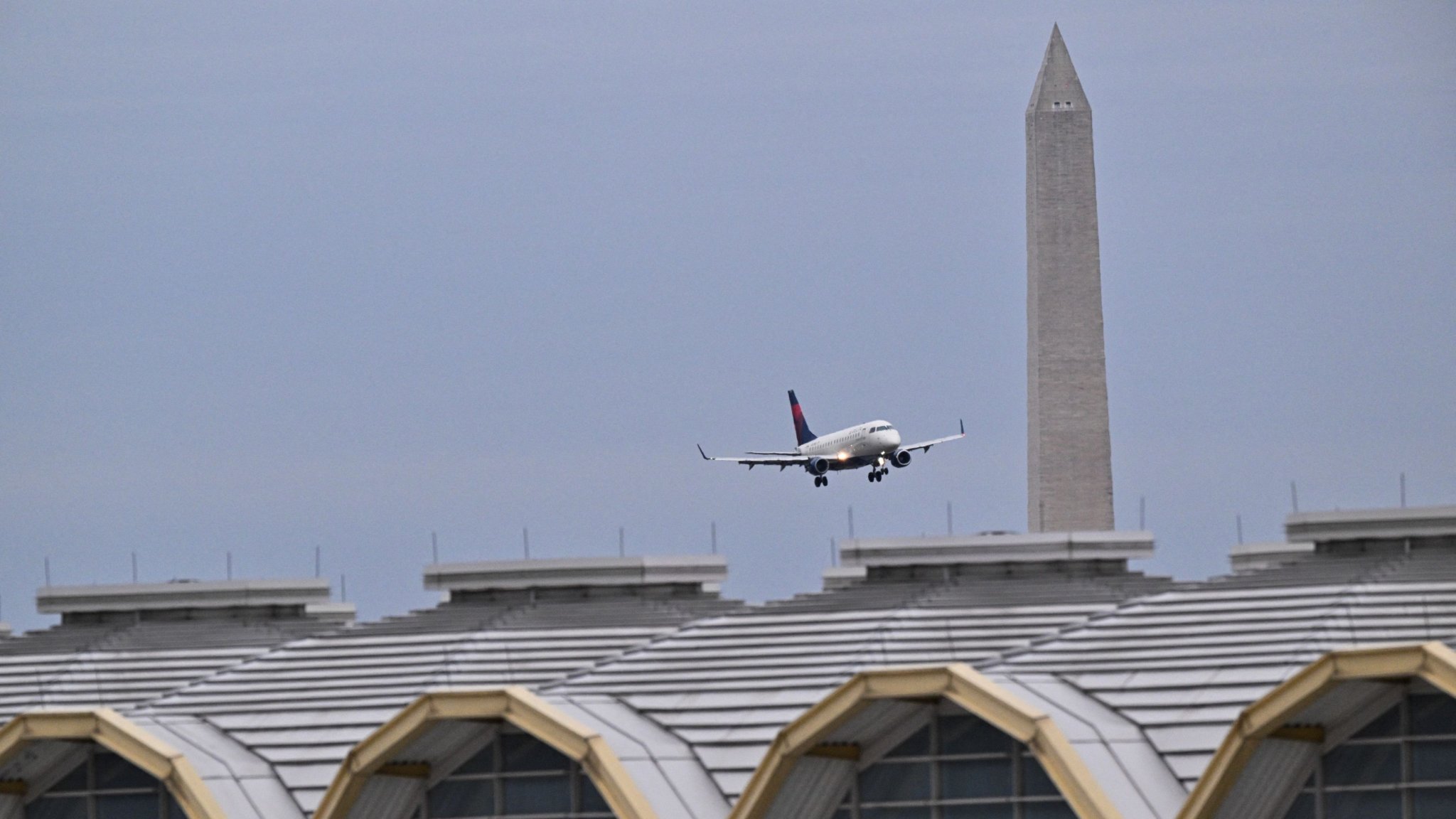
A number of “systematic failures” contributed to the Jan. 29, 2025 crash between an Army UH-60L Black Hawk and a commercial jet over the Potomac River, the Army said.
Last week, the service released its report on the deadly mid-air collision that killed three soldiers on board the Army helicopter and 64 people on an American Airlines plane flying into Washington, D.C., from Wichita, Kansas. According to the Army’s findings, the crew was qualified for the flight, but several environmental issues and communication failures played a role in the incident.
The report, finished in May but released on Oct. 8, found that broken radio communications, bad weather and conditions, as well as instrument errors, contributed to the collision. The UH-60L Black Hawk helicopter, flying under the call sign “Priority Air Transport 25” or “PAT 25,” was on a training flight. It was assigned to the 12th Aviation Battalion.
The “most salient contributing factor,” the report found, was two broken radio transmissions. As a result, the PAT 25 crew didn’t receive communications from the air traffic controller at Ronald Reagan Washington National Airport, including incoming civilian air traffic. Those transmissions “could have enabled them to positively identify” the civilian plane and “maintain visual separation,” the Army noted.
The report looked at several background factors, including helicopter maintenance and crew training. The Army found that the soldiers operating the UH-60L were “current, qualified, and trained to fly their assigned mission,” and the helicopter itself had no mechanical flaws. However, according to the report, turbulence as well as bright lights around Washington hurt the helicopter’s navigation. The crew was flying using night vision goggles, which further limited their field of view. The helicopter’s barometric altimeter had an error, showing the crew that the Black Hawk was flying at an altitude lower than it actually was.
“Dense urban lighting and the merging of aircraft lights with the terrain, coupled with PAT 25 using [night vision goggles] and [the American Airlines plane] flying unaided, prevented the crews from positively identifying each other,” the Army findings say.
The crew of PAT 25 was also not using the Automatic Dependent Surveillance-Broadcast system or ADS-B, which can transmit specific locations to other aircraft.
The Army’s report echoes many of the findings from the National Transportation Safety Board’s January 2026 report on the crash, which found long-running issues with close calls in the area, as well as overworked air traffic controllers. The Army’s own findings noted poor reporting systems on near misses from local aviation partners.
The Army recommended greater training requirements for operating in the Washington and Baltimore areas, as well as better night vision goggles for Army aviation teams. According to the Army, it has taken several steps since the crash to improve air safety, including inspections of Army helicopters and testing of various Black Hawk models for any active or potential errors with altitude instrumentation.
The post Army finds ‘several systematic failures’ contributed to DC helicopter crash appeared first on Task & Purpose.
Classification
Region
North America
Analytical Domain
Operational
Primary Category / Secondary Categories
Casualties & Losses / Military Operations
Subcategory
Civilian Impact
SALUTE Report
Size
3 soldiers, 64 civilians
Activity
mid-air collision
Location
Potomac River · Washington, D.C.
Unit
12th Aviation Battalion, U.S. Army
Time
January 29, 2025
Equipment
UH-60L Black Hawkcommercial jet
Summary
The Army's UH-60L Black Hawk helicopter collided with a commercial jet over the Potomac River on January 29, 2025, resulting in 67 fatalities. The investigation revealed systematic failures, including broken radio communications and environmental challenges, which hindered the crew's ability to identify the civilian aircraft. The Army has since recommended improved training and equipment to enhance air safety in urban areas.
Key Facts
- The crash occurred on January 29, 2025, involving an Army UH-60L Black Hawk and a commercial jet.
- The incident resulted in the deaths of 3 soldiers and 64 civilians.
- Systematic failures, including broken radio communications and environmental issues, contributed to the crash.