
Behind the Activities of 49 Military Aircraft in the Taiwan Strait in 2026: PLA Air and Naval Pressure Shifts to Normalized Coordination
 Li Minghui
Behind the Activities of 49 Military Aircraft in the Taiwan Strait in 2026: PLA Air and Naval Pressure Shifts to Normalized Coordination
On November 10, Taiwan reported that in the past 24 hours, 49 PLA military aircraft, 6 warships, and 6 civilian vessels were detected, among which 31 aircraft crossed the so-called median line of the strait. The daily numbers alone do not constitute evidence of a large-scale exercise, but when combined with the trend of the PLA transforming its activities in the Taiwan Strait from periodic displays to continuous duty in recent years, the focus of observation has shifted: the issue is no longer how many aircraft are present on a given day, but whether these aircraft, vessels, and shore-based forces can form a stable reconnaissance, suppression, and control network in a shorter time frame.
49 Sorties Do Not Equal 49 Offensive Sorties
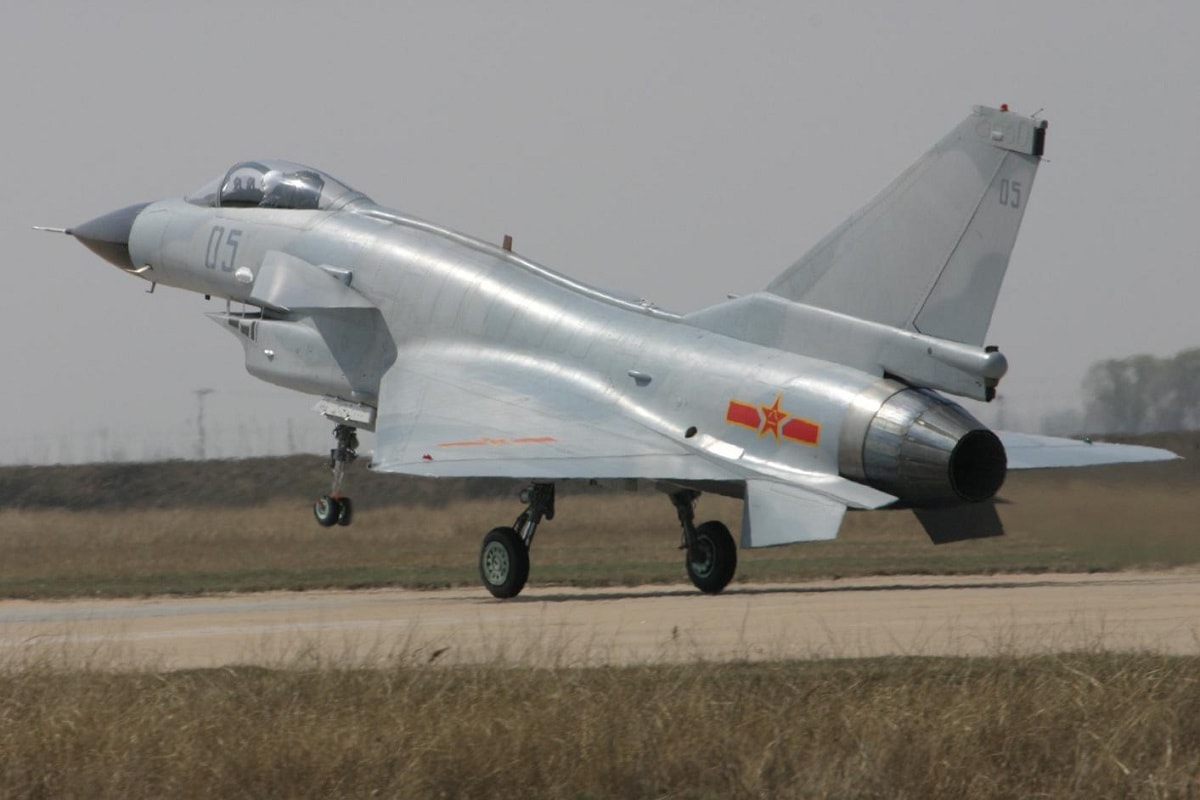
The daily reports from Taiwan typically aggregate different aircraft types, flight paths, and missions, so the 49 sorties cannot be directly interpreted as 49 aircraft preparing to attack simultaneously. The mission nature of J-10s, J-16s, drones, and special support aircraft may vary significantly. What is truly valuable is the combination: the sorties crossing the median line reflect the directional nature of aerial activities, while the number of vessels indicates whether the PLA is simultaneously maintaining a maritime presence. The simultaneous appearance of aerial and maritime data is a better test of the joint command efficiency of the Eastern Theater than merely increasing the number of fighter jets.
Shifting from Peak Exercises to Low-Cost Consumption
Daily monitoring by Taiwan's defense department shows that the PLA does not need to conduct large-scale exercises like "Joint Sword" every day; it can maintain pressure through rotating forces. For the PLA, this model is less costly than continuously assembling large formations, yet it forces the Taiwanese Air Force to constantly scramble aircraft, activate radar, and maintain air and sea surveillance. Recent reports from the South China Morning Post and Taiwanese media have repeatedly mentioned that activities around the Taiwan Strait exhibit characteristics of continuity and decentralization. Its military effect is akin to changing a single exam into daily quizzes; the individual impact may be small, but it will continuously deplete the opponent's maintenance cycles and personnel attention.
The Key Shortcoming is Support, Not Platforms
What is most worth observing about the PLA currently is not how many J-16s can still be added, but whether it can convert high-frequency operations into repeatable readiness processes. Aircraft require engine life management, ammunition replenishment, data link maintenance, and pilot rotation; vessels need supplies, repairs, and shared target information with shore-based aviation. If these aspects do not expand synchronously, the 49 sorties may just be a one-time statistical peak. Conversely, if the Eastern Theater can stably maintain aerial patrols, maritime escorts, and standby long-range firepower, Taiwan's early warning and decision-making systems will face a continuously compressed reaction window.
The author believes that the outside world easily interprets daily sorties as a "threat thermometer," but overlooks that it is more like a bill for industrial and organizational capabilities. For the PLA to normalize pressure, it must pay the real costs of training, maintenance, and logistics; Taiwan, on the other hand, needs to transition its interception and surveillance resources from temporary emergency responses to sustainable duty. There is still insufficient public information to conclude whether these actions have formed fixed groupings, and one should not draw conclusions based solely on a single day's numbers.
What Else to Watch For
The next steps should focus on three signals: whether there are more mixed formations of drones and manned aircraft, whether vessels maintain continuous activity in the eastern part of Taiwan and the Bashi Channel, and whether the PLA publicly clarifies more specific support and command nodes. What truly changes the military balance in the Taiwan Strait may not be a single breach of the median line, but whether the PLA can sustain such actions continuously for 30 days, 90 days, or even longer.
References
- Taiwan's "Ministry of National Defense" report on PLA activities around the Taiwan Strait on November 10, 2026
- South China Morning Post China Military thematic report, November 2026
- Global Military, PLA Air Activity Around Taiwan Halved in 2026, but Its Warships Never Left, https://www.globalmilitary.net/news/pla-air-activity-around-taiwan-halved-in-2026/
- HiWars image source record, China-Taiwan-Tensions.jpg
On November 10, 2026, the People's Liberation Army (PLA) conducted increased military operations in the Taiwan Strait, with 49 aircraft and 6 warships detected, including 31 aircraft crossing the median line. This shift indicates a transition from large-scale exercises to a continuous military presence, aimed at maintaining pressure on Taiwan's defenses. The PLA's activities reflect a strategy of low-cost operations to compel Taiwan to respond regularly.
- 49 PLA aircraft and 6 warships were detected in the Taiwan Strait over 24 hours.
- 31 aircraft crossed the median line, indicating increased military pressure.
- The PLA is shifting from large-scale exercises to continuous presence and low-cost operations.
- The focus is on maintaining a stable reconnaissance and suppression network.
- The report suggests a need for Taiwan to adapt its defense posture to ongoing PLA activities.