
Bell Textron creates Ukraine subsidiary for helicopter support
Bell Textron Inc. said Friday it has set up a subsidiary in Ukraine and is preparing to open a dedicated office, laying the groundwork for a long-term partnership with the country’s defense industry.
The new unit, Bell Textron Ukraine, will act as the company’s base for work inside the country. While a final office location has not been announced, the subsidiary is expected to coordinate projects tied to helicopter assembly, maintenance, and repair, areas that have taken on added urgency as Ukraine expands its domestic defense capabilities.
The step formalizes Bell’s presence in Ukraine and builds on earlier agreements with Ukrainian government institutions aimed at deeper industrial cooperation. Those discussions began last year and have focused on how U.S.-made aircraft could be supported locally if introduced into service.
“This is a meaningful step toward building a practical, mutually beneficial cooperation with the Ukraine defense and industrial base,” said Jeffrey Schloesser, senior vice president of Strategic Pursuits at Bell. “Bell is committed to establishing a presence in Ukraine to promote collaboration and long-term growth.”
The current move follows Letters of Intent signed in October 2025 between Bell Textron, Ukraine’s Ministry of Economy, Ecology and Agriculture, and UkraineInvest. The agreements set out a framework to explore industrial cooperation linked to a potential purchase of Bell helicopters through the Foreign Military Sales process.
Under that pathway, Bell would work with the United States Department of War to supply aircraft to Ukraine’s Armed Forces if a formal procurement decision is made. No contract for aircraft has been announced.
For now, the focus is on building the infrastructure that would support such a program. Bell Textron Ukraine is expected to handle coordination between the company and Ukrainian partners, including state agencies and defense firms, while preparing for possible future production and sustainment work.
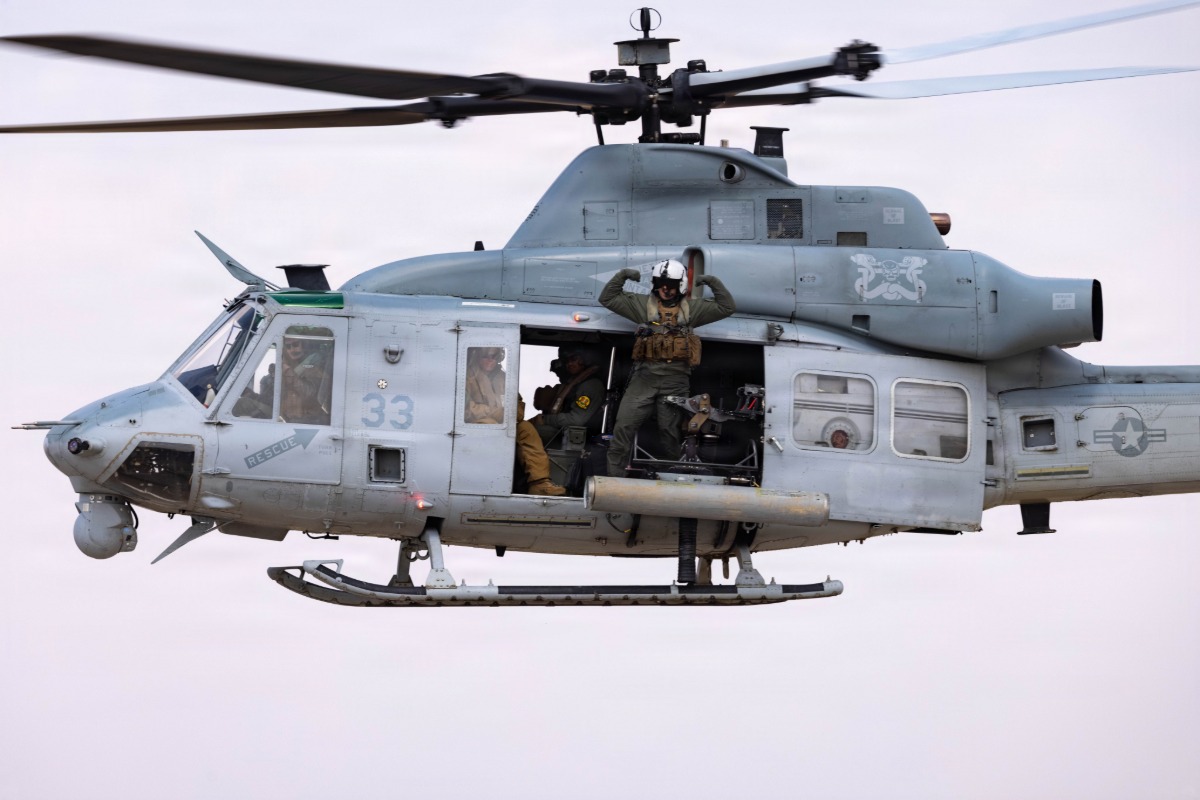
Bell’s portfolio includes the H-1 family of helicopters, particularly the AH-1Z Viper attack helicopter and the UH-1Y Venom utility helicopter. The company has pointed to these aircraft as potential candidates for Ukraine, noting that they are built to operate together and share about 85 percent of their parts.
That common design can simplify logistics and maintenance, reducing the number of spare parts required and easing the burden on crews responsible for keeping aircraft operational. For a military operating under wartime conditions, the ability to maintain and repair equipment inside the country can directly affect how quickly aircraft return to service.
The AH-1Z Viper is used for close air support and armed escort missions, equipped with a cannon and a range of munitions for engaging ground targets. The UH-1Y Venom serves as a multi-role platform, carrying troops, evacuating casualties, and supporting logistics. Together, they provide a mix of firepower and mobility in coordinated operations.
Bell’s decision to establish a local presence aligns with Ukraine’s broader effort to expand its defense-industrial base. Since the start of the war, Kyiv has pushed to bring more maintenance, repair, and production work onto its own territory, reducing reliance on facilities abroad and shortening repair timelines.
The October agreements marked an early stage in that effort, outlining how cooperation could develop if Ukraine proceeds with acquiring H-1 helicopters. The creation of Bell Textron Ukraine indicates that planning has moved beyond initial discussions and into the setup phase needed to support long-term operations.
“We are proud to announce this agreement, and the potential to supply these incredible aircraft to Ukraine,” Schloesser said when the Letters of Intent were signed. “This initiative has been in development for some time, and we look forward to bringing it to completion.”
Ukraine continues to look for ways to modernize its aviation fleet, much of which is based on older Soviet-era designs. Helicopters remain central to battlefield operations, from moving troops to evacuating the wounded and supporting ground forces.
Establishing a local hub for assembly and maintenance does not confirm a helicopter purchase, but it gives Bell a foothold in Ukraine and positions the company to move quickly if a deal is finalized.
Content preview only. Full article available at source. View Full Article
Bell Textron established a subsidiary in Ukraine to support helicopter assembly, maintenance, and repair. This move formalizes their presence and aims to enhance cooperation with Ukraine's defense industry. The subsidiary will coordinate projects and prepare for potential procurement of Bell helicopters, including the AH-1Z Viper and UH-1Y Venom, as Ukraine seeks to modernize its aviation capabilities.
- Bell Textron established a subsidiary in Ukraine for helicopter support.
- The subsidiary will coordinate projects related to helicopter assembly, maintenance, and repair.
- Bell's presence in Ukraine is part of a long-term partnership with the defense industry.
- The focus is on building infrastructure to support potential helicopter procurement.
- Bell's helicopters, including the AH-1Z Viper and UH-1Y Venom, are potential candidates for Ukraine.