
China conducted an intercontinental missile test after a 44-year gap, details revealed
This year marks the 60th anniversary of the establishment of China's Strategic Missile Forces.
This strategic force, born in the Gobi Desert,
started from scratch and dedicated itself to building a shield,
achieving a leap from nothing to something, from weak to strong,
and from a single model to a combination of nuclear and conventional capabilities,
realizing a leapfrog development.
It has solidified the strategic security foundation of the Republic.
Two whistles, three assessments
The repeatedly backup team has finally realized its dream.
Intercontinental missiles are the "ballast" of national strategic deterrence and the "trump card" and "last resort" for defending national sovereignty. On September 25, 2024, at 8:44 AM, the People's Liberation Army Rocket Force successfully launched an intercontinental ballistic missile carrying a training simulation warhead into the relevant high seas of the Pacific Ocean, accurately landing in the designated maritime area. This marks the first time in 44 years that China has launched an intercontinental ballistic missile into the Pacific.
Opportunities for live-fire launches of intercontinental missiles across their full range are rare. Senior Sergeant Zhao Jing from a certain brigade of the Rocket Force was a witness to this launch mission.
On the training ground, Zhao Jing was conducting regular training with his comrades. The two whistles he carried with him were particularly eye-catching.
Why does the Rocket Force's launch operator have backup whistles? Zhao Jing explained, "Different models of whistles produce different sounds. In long-distance command, special, and emergency situations, we will emit sharp sounds, and using a different whistle is more effective."
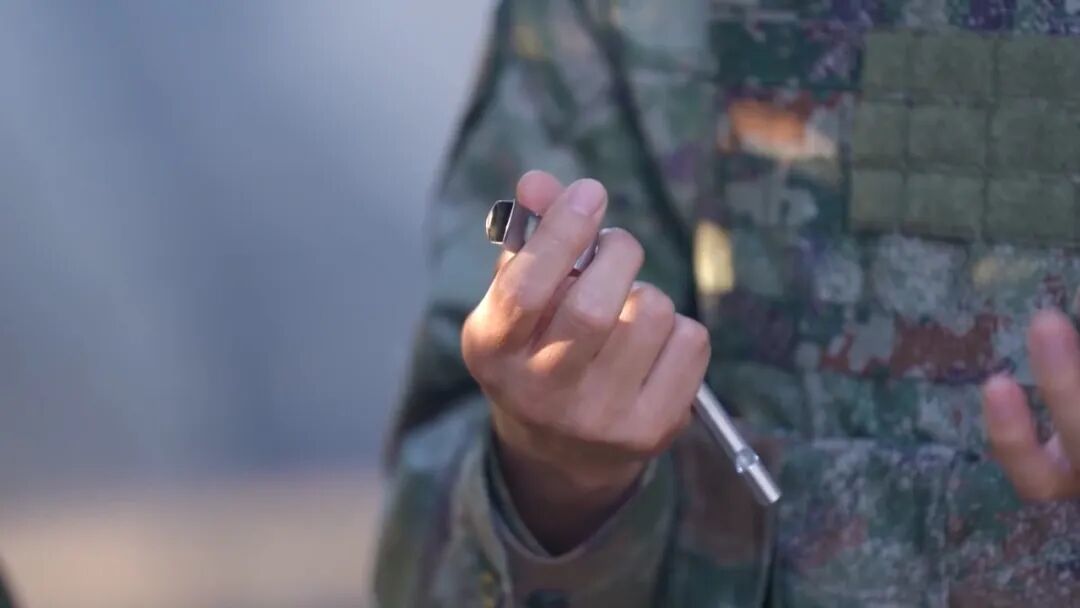
During the execution of the 2024 mission, both whistles were used. Zhao Jing said, "That year we had to move a considerable distance, and the road conditions were quite complex, facing many special and unexpected situations. It was during that mission that we assigned two whistles to one launch operator, and then dealt with the corresponding situations accordingly."
The launch shocked the world, but few people know that the successful completion of the mission was achieved by a team that had repeatedly prepared backups.
Zhao Jing said that they went through three rounds of assessments before finally selecting the launch platform for the live-fire mission. "In the first round of assessments, we ranked second, and many comrades from brother units asked if we would be backing up again this year. In practical exercises, we took first place in individual items, but overall we were still second after the first two rounds. The opportunity was so close to us, and we did not give up. In the end, we turned the tide with an absolute advantage and secured first place."
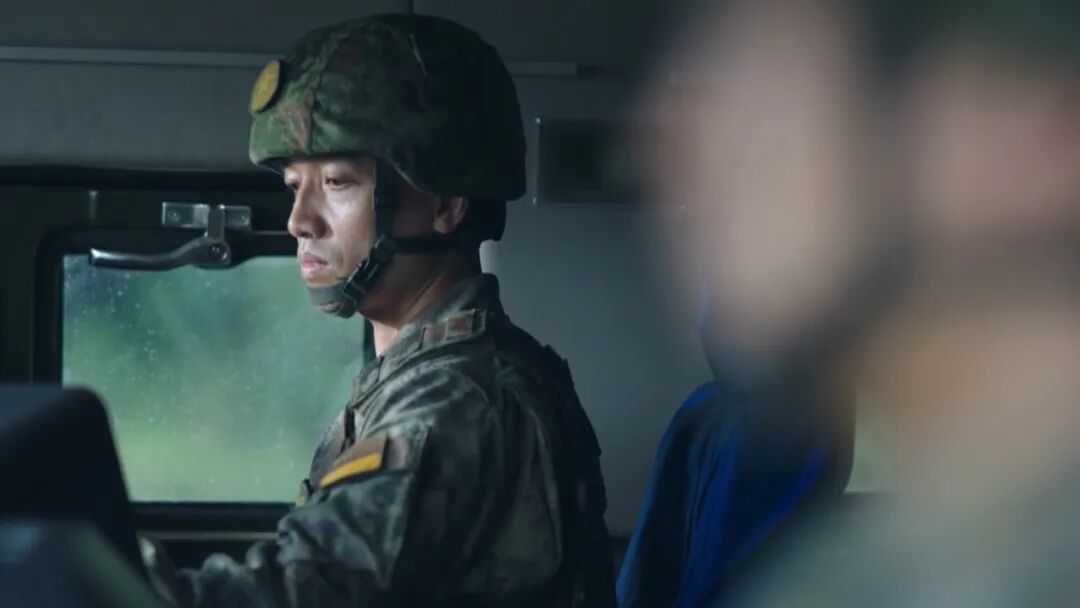
After day and night of honing their skills, they finally welcomed their moment of glory on September 25, 2024!
What is it like to launch an intercontinental missile? Zhao Jing said, "When we actually sat on the launch vehicle, there was no tension; everyone was very relaxed. When we saw the launch tube rise, we felt there was no problem! Practice has proven that we completed this live-fire launch mission on time, without a second to spare."
Testing intercontinental missiles after 44 years
On-site photos convey three key messages
This photo was released after the test launch of the intercontinental ballistic missile in September 2024. What can be seen from this photo? Military commentator Du Wenlong provided an interpretation:
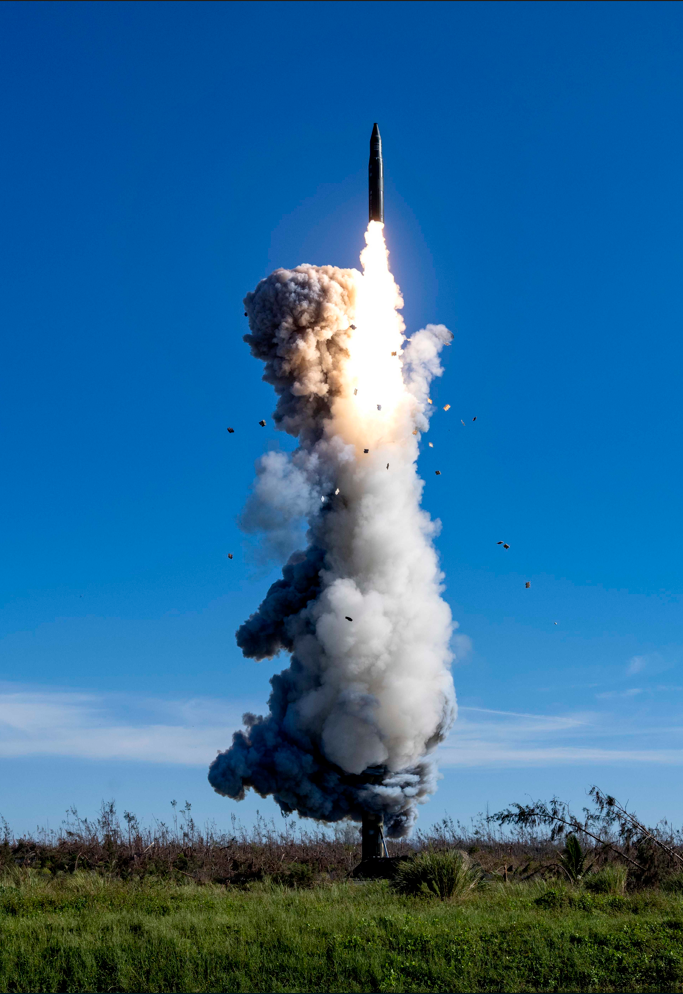
First, the outdoor conditions indicate that we can launch intercontinental ballistic missiles in any terrain and weather conditions.
Second, the mobile launch shows that a vehicle-mounted mobile method was used, rather than relying on fixed facilities for launch, indicating that we can reach designated locations via roads, railways, and other mobile means to launch missiles and complete a series of combat tasks.
Third, the cold launch process shows that the colors of the smoke from the upper and lower sections are different, with the upper section being lighter and the lower section darker. Cold launch is particularly important for protecting the launch device and ensuring personnel safety, indicating that the Rocket Force's mobile strike capability has reached combat readiness standards.
Source: People's Daily WeChat, compiled from CCTV Military, CCTV-7 "Noon National Defense Military," CCTV-13 "Military Situation Time."
On September 25, 2024, the People's Liberation Army Rocket Force successfully launched an intercontinental ballistic missile carrying a training simulation warhead into the Pacific Ocean. This marked the first such launch in 44 years, demonstrating advanced mobile launch capabilities and operational readiness under diverse conditions. The missile accurately landed in the designated maritime area, showcasing China's strategic deterrence capabilities.
- China successfully launched an intercontinental ballistic missile on September 25, 2024.
- This is the first launch of an intercontinental ballistic missile towards the Pacific Ocean in 44 years.
- The missile was equipped with a training simulation warhead and landed in a designated maritime area.
- The launch demonstrated the ability to operate under various terrain and weather conditions.
- The People's Liberation Army Rocket Force utilized mobile launch capabilities for the operation.