

Summary and Key Points: A Defense Intelligence Agency report published a 2024 satellite photo of China’s Shenlong spaceplane in orbit with its payload doors open. Shenlong resembles the X-37B but carries a substantially longer wing chord.
China’s X-37B: A Threat to the US Military?
Space has become a new domain for great-power competition. As one of the most important regions for military operations, space is now the ultimate strategic high ground where the United States, China, and Russia are vying for control.
It’s not only about using space for strategic purposes.
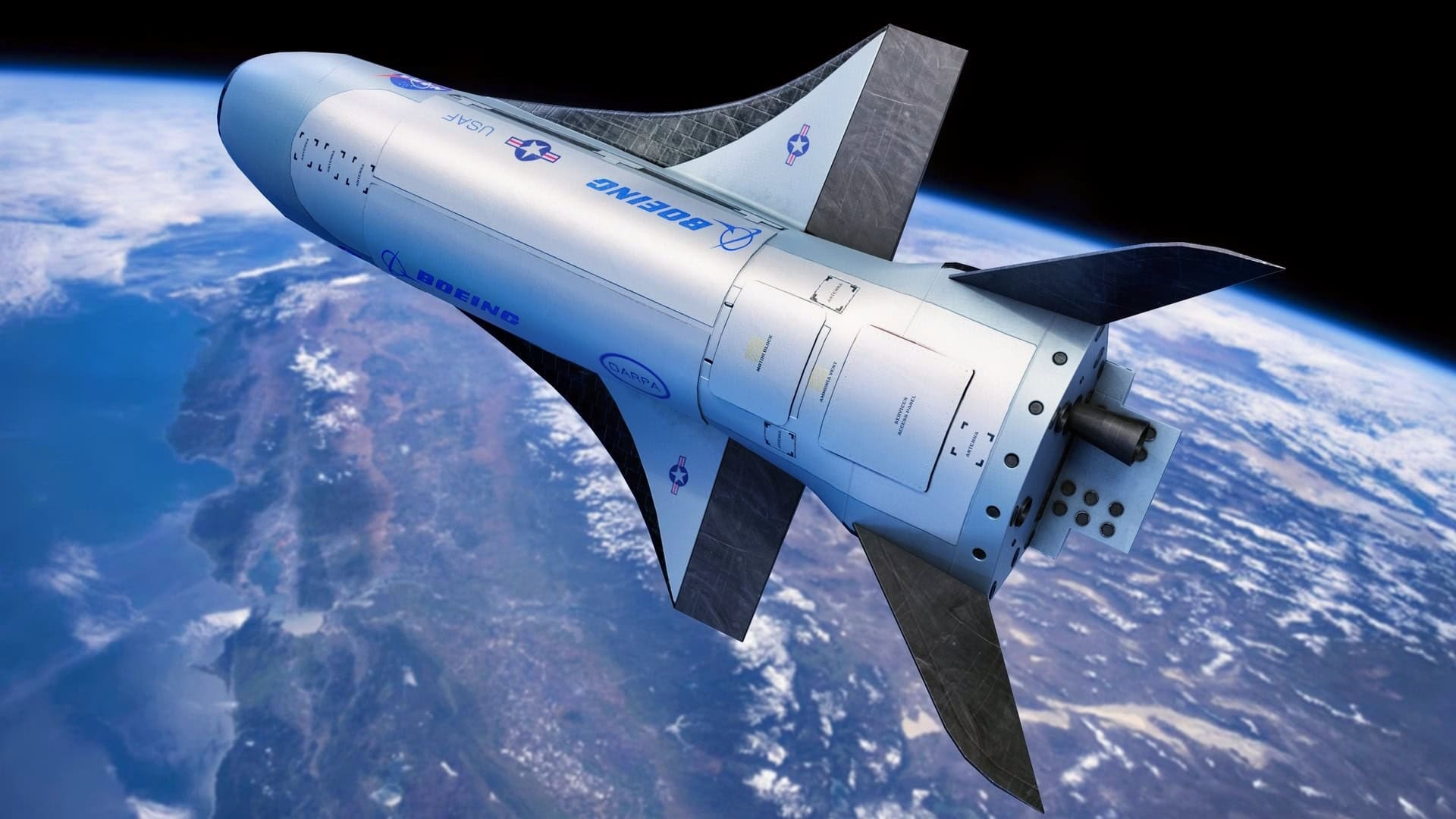
X-37B NASA Image. Image Credit: Creative Commons.
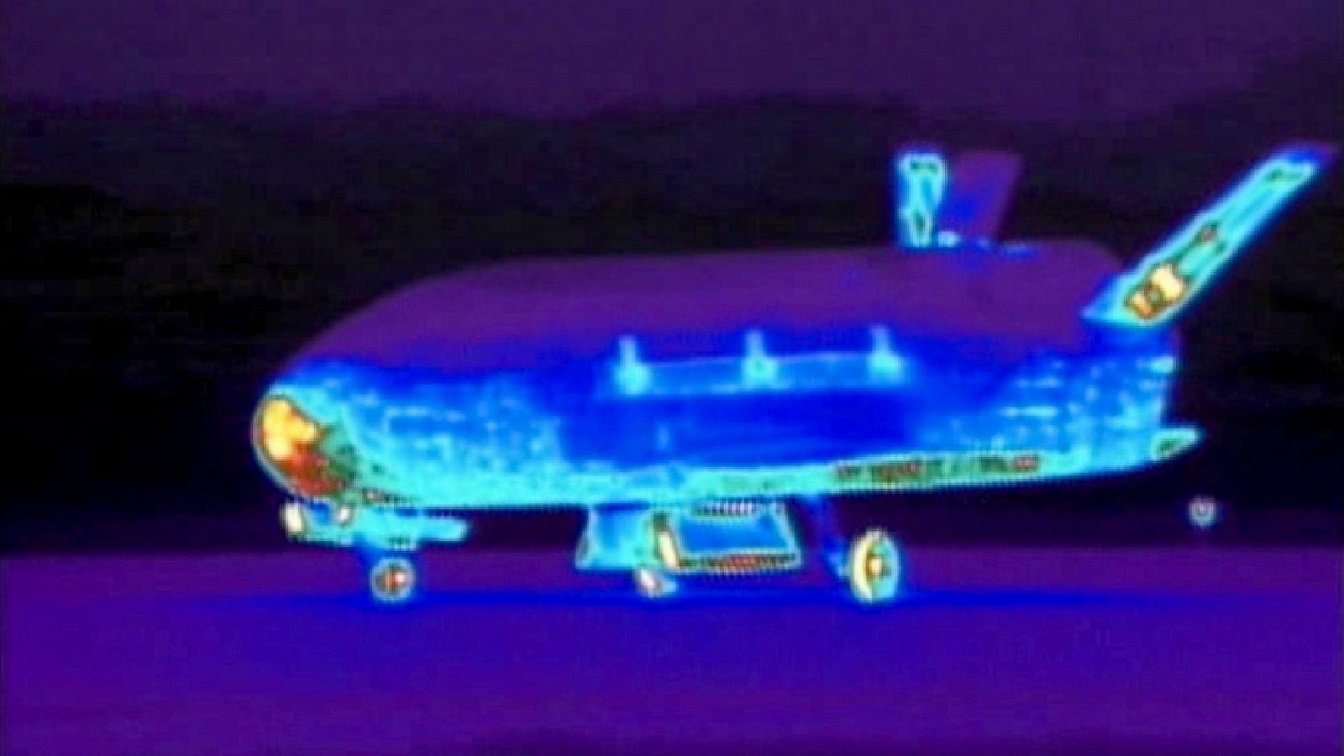
X-37B. Image Credit: NASA YouTube/Screenshot.
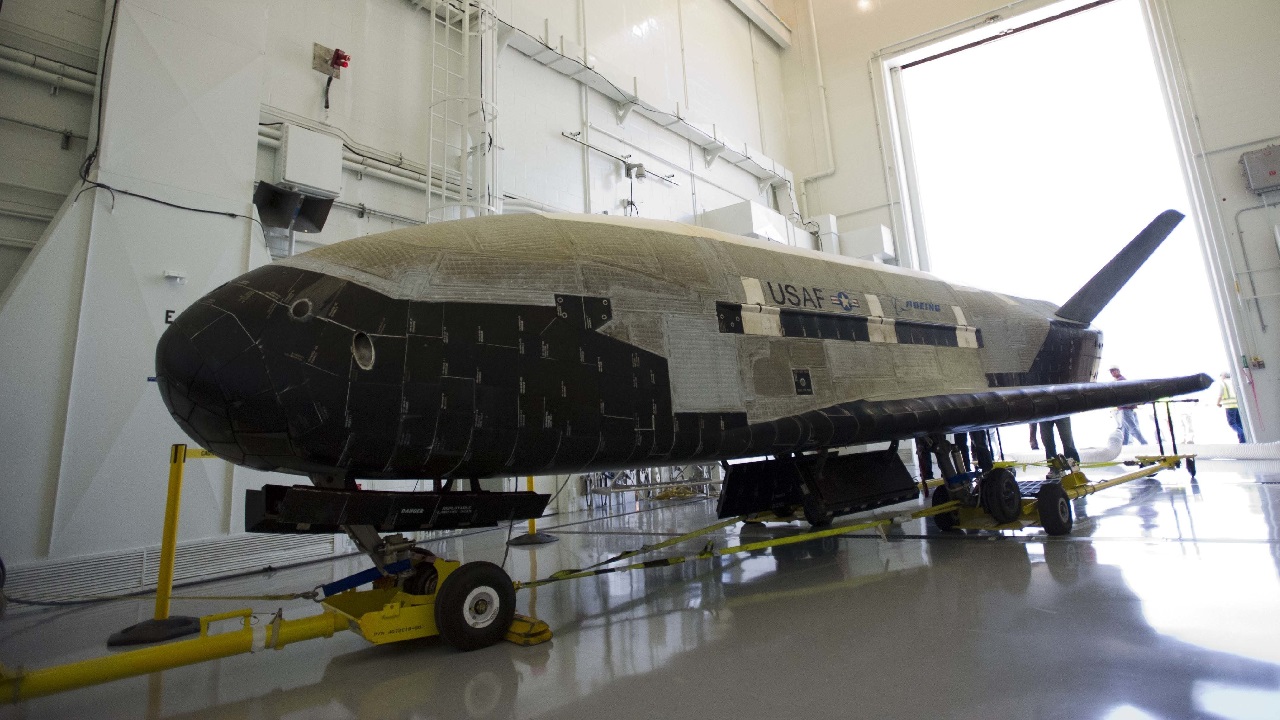
The X-37B Orbital Test Vehicle (OTV), the Air Force’s unmanned, reusable space plane, landed at Vandenberg Air Force Base at 5:48 a.m. (PDT) June 16. OTV-2, which launched from Cape Canaveral Air Force Station, Fla., March 5, 2011, conducted on-orbit experiments for 469 days during its mission. The X-37B is the newest and most advanced re-entry spacecraft. Managed by the Air Force Rapid Capabilities Office, the X-37B program performs risk reduction, experimentation and concept of operations development for reusable space vehicle technologies. (photo credit: Boeing)
It is also about denying rivals access to space during a geopolitical crisis on Earth.
That is the basis of much of what these three military powers have focused on: denying space.
This strategy is known as “counterspace.”
Russia and China in particular have developed an arsenal of weapons to use against the United States’ otherwise vulnerable key satellites.
The Americans, too, have begun developing more sophisticated ways to defend their vital yet vulnerable satellites in orbit and better threaten Chinese and Russian space systems.
One platform the Pentagon developed was an unmanned reusable spaceplane known as the X-37B. This system has set many impressive records.
China’s Capabilities
No one quite knows what the United States military uses the X-37B for.
The X-37B is expected to be used to surveil enemy satellite constellations, observe sensitive enemy sites on Earth below, and likely conduct counterspace attacks. A recent photograph published by the private satellite company Maxar Technologies (now known as Vantor), however, shows how other nations, China, are catching up to the Americans.
In that photo, a satellite spotted China’s experimental reusable spaceplane, the Shenlong. That high-resolution photograph was then released to the public.
It recently appeared in the Defense Intelligence Agency’s Challenges to Security in Space 2026 report. The photo was snapped in 2024.
The DIA did not confirm that the Chinese vehicle in question was the Shenlong, but the Chinese are widely known to have at least one unmanned, reusable spaceplane called Shenlong.
The photo shows the Chinese spaceplane as a spacecraft with twin vertical stabilizers, an internal payload bay, and solar arrays extending from a rear structure.
Like the X-37B, the Shenlong resembles NASA’s old space shuttles (only a miniature version of them).
The spaceplane’s payload doors are open in the photo, exposing the central compartment used to carry equipment or smaller orbital payloads.
Shenlong’s underside appears to have the same conventional tricycle landing-gear arrangement as the X-37B.
X-37B vs. Shenlong
Interestingly, The War Zone reports a visible difference between the Shenlong’s wings and those of the X-37B.
The online defense publication notes that the Chinese spacecraft has a substantially longer wing chord than its American counterpart.
Beijing has performed at least four orbital missions involving its Shenlong spaceplane since September 2020.
On the first mission, China launched the spaceplane from the Jiuquan Satellite Launch Center and brought it back to Earth two days later.
It was a proof-of-concept mission. Two years later, in August 2022, the Chinese launched the spaceplane and kept it in orbit for 276 days.
Another mission followed in December 2023 and lasted 268 days before returning to China.
Preparing for a Space Pearl Harbor
Indeed, the Chinese spaceplane is believed to have deployed many smaller objects.
No one is quite certain what those smaller objects were.
But one can be assured that it has to do with counterspace warfare.
Either the Chinese were testing whether they could seed Earth’s orbits with smaller satellites designed to attack nearby satellites, or China deployed active co-orbital satellites to lay the groundwork for an inevitable “space Pearl Harbor.”
On February 7 of this year, China again launched Shenlong into orbit, where it has remained operational ever since.
On its latest mission to the ultimate strategic high ground, Shenlong launched a secondary object into orbit.
At the very least, China seems to be preparing its military to wage, and win, a space war.
According to the DIA report, China has two main spaceplane models, the Shenlong and the Tengyun.
While the former resembles the X-37B, the latter differs.
In 2016, the China Aerospace Science and Industry Corporation unveiled the Tengyun.
This system appears designed around a two-stage-to-orbit method. Tengyun uses an atmospheric carrier aircraft to help launch an orbital vehicle.
Here’s the thing, though: the program’s status remains unclear.
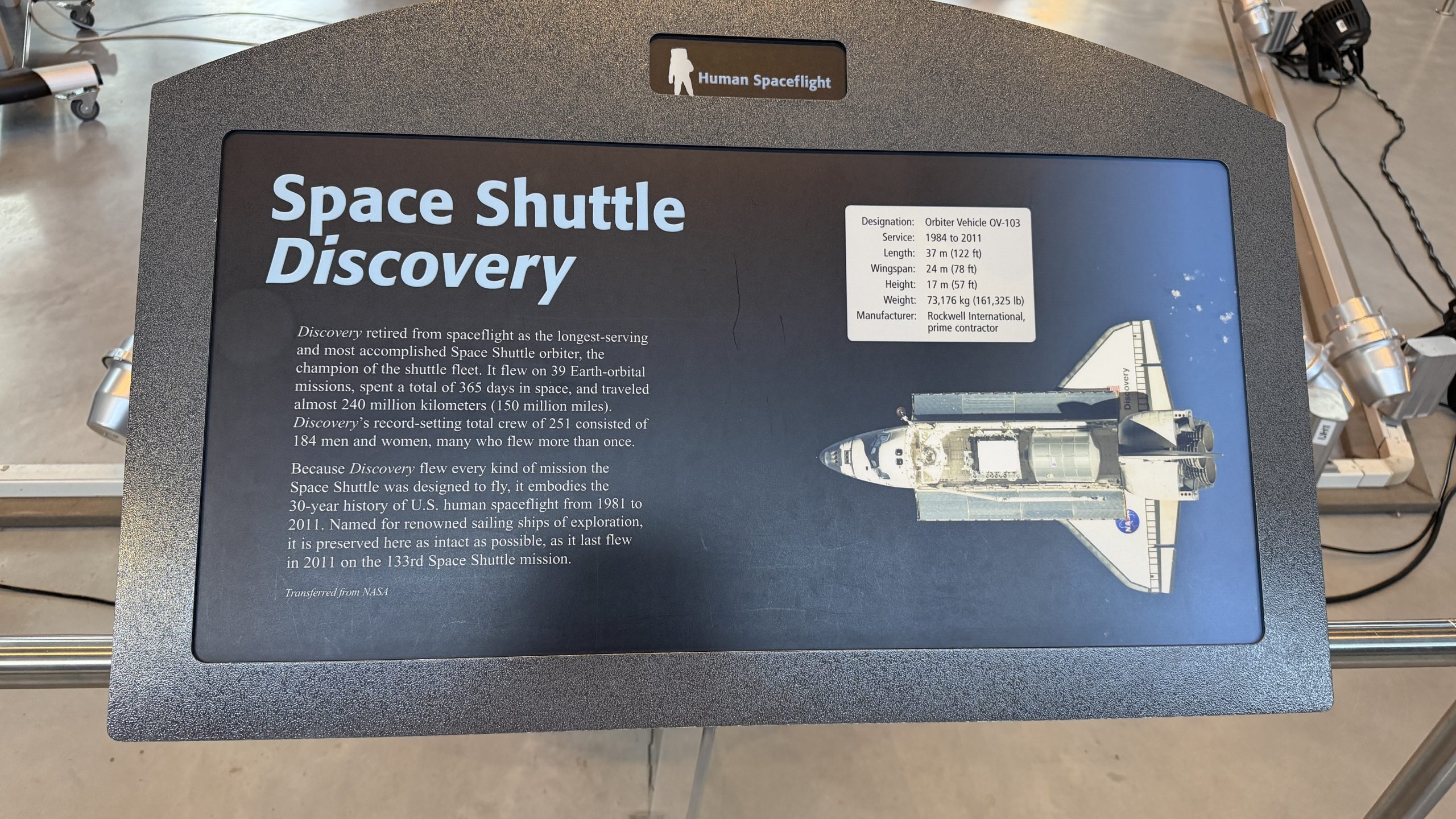
NASA Space Shuttle at the Smithsonian 19FortFive Space Shuttle Photo Shoot.
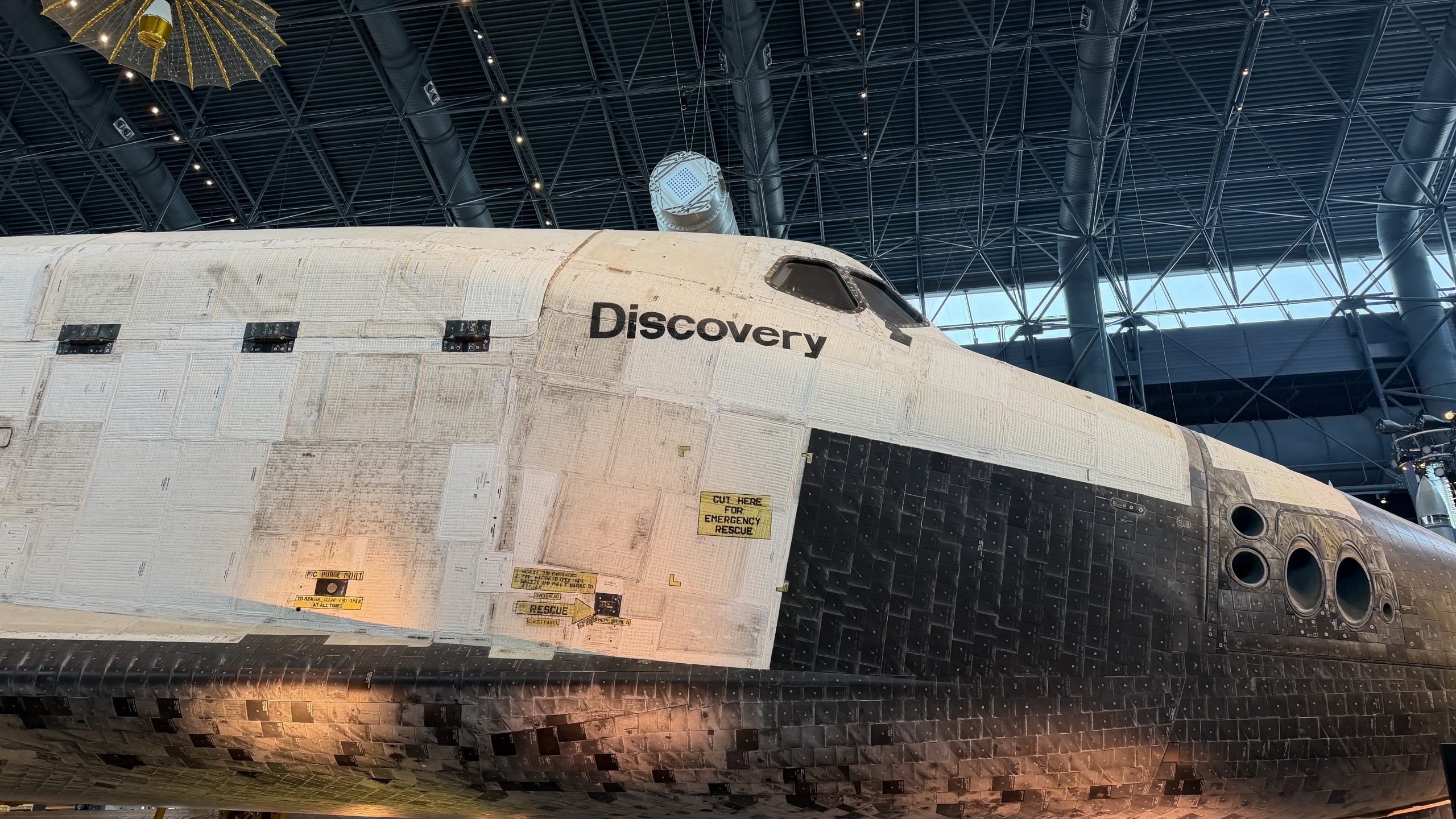
NASA Space Shuttle at the Smithsonian 19FortFive Space Shuttle Photo Shoot.
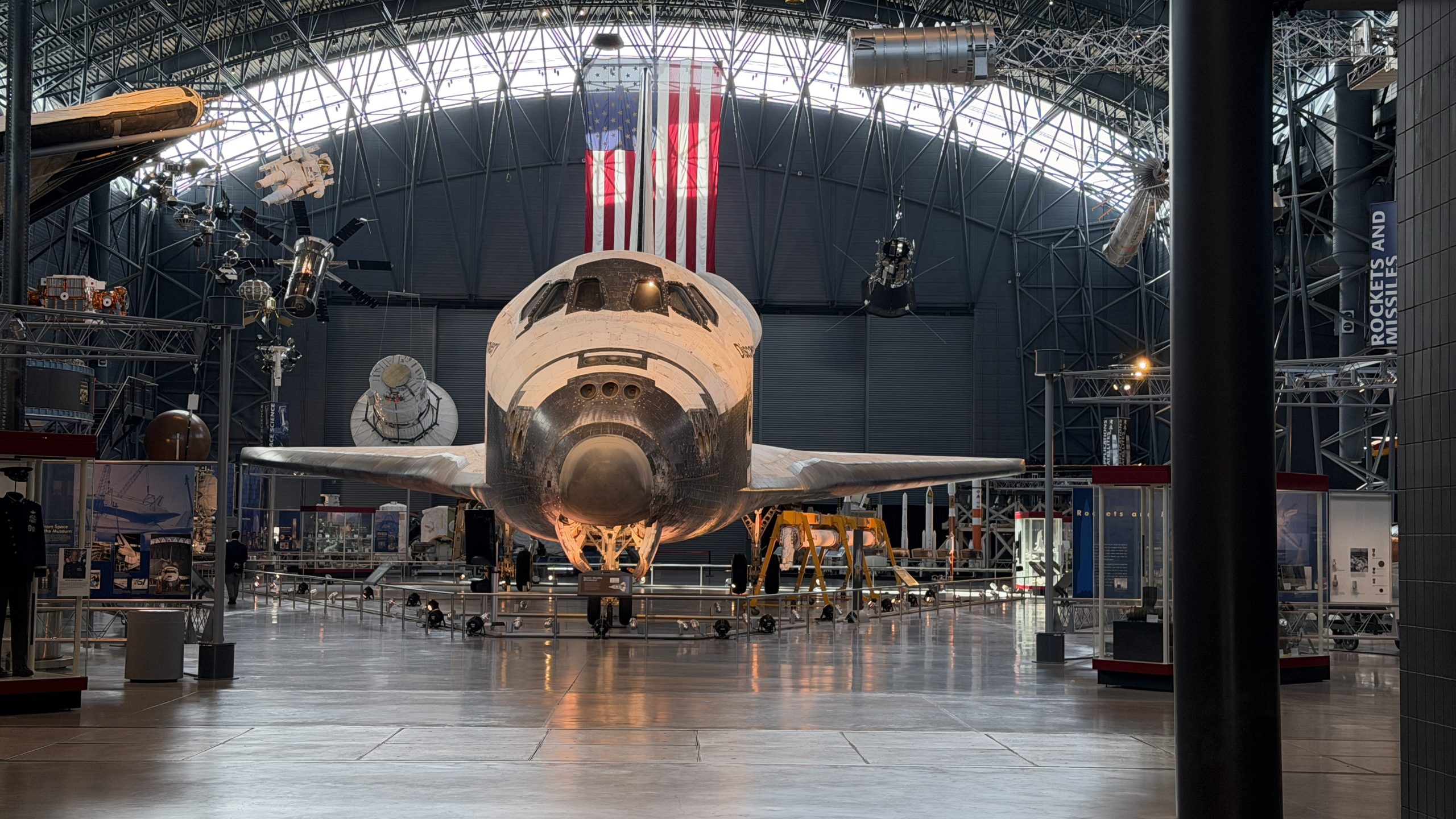
NASA Space Shuttle at the Smithsonian 19FortFive Space Shuttle Photo Shoot.
It was supposed to be tested in 2025, but no further information has been made available.
Beyond that, Beijing is developing another reusable spaceplane, the Haolong cargo spaceplane, to support China’s modular Tiangong space station currently in orbit.
A new space race is clearly underway, and it is much more complex than the Cold War space race that dominated the Era.
Back then, the Americans and Soviets were struggling to earn prestige points in the ideological Cold War.
The USSR wanted to be the first in space at everything.
The Americans and Soviets wanted to reach the Moon before the other side. Satellites were still in their infancy, as were space stations.
Now, the space race is about denying access and projecting power.
Scale vs. Precision
Space has become another geopolitical domain for great state competition.
China is playing hard, and Beijing has the industrial scale to rapidly develop what it took the Americans years, if not decades, to build.
Sure, the US X-37B has performed longer-lasting orbits and broken all manner of records.
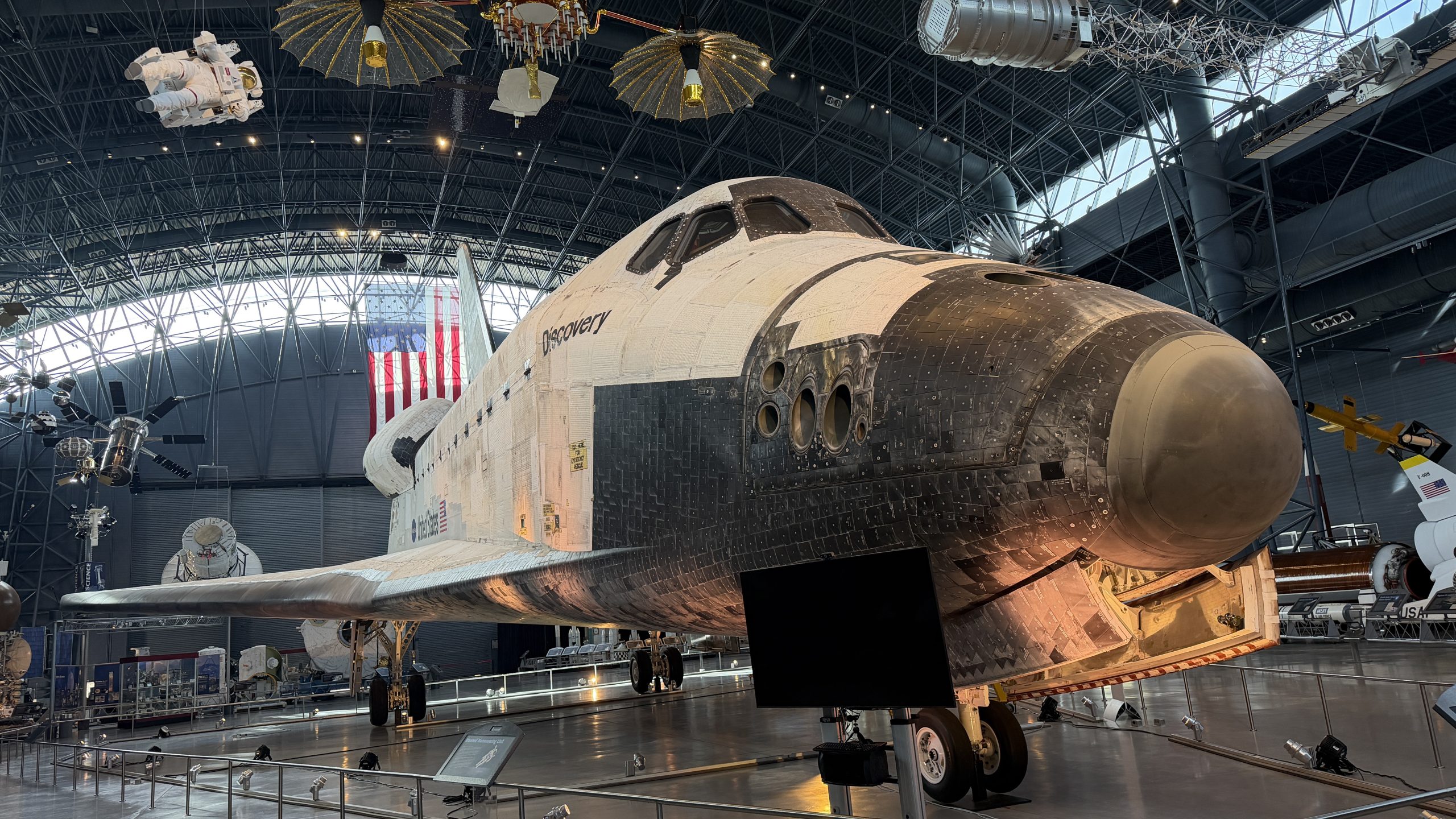
NASA Space Shuttle at the Smithsonian 19FortFive Space Shuttle Photo Shoot.
But the Chinese are catching up.
Right now, they’ve got systems on hand that could do immense damage to the American position in orbit.
About the Author: Brandon J. Weichert
Brandon J. Weichert is the Senior National Security Editor at 19FortyFive.com. He also manages The Weichert Brief on Substack. Weichert is the co-host for The Mario Nawfal Show on Twitter/X. He is the author of four bestselling national security books, most recently A Disaster of Our Own Making: How the West Lost Ukraine (Encounter Books). His next book, Fortress Americas: A New Monroe Doctrine (Tucker Carlson Books), is due out December 8. Follow him via Twitter/X @WeTheBrandon.