
Déby spares Success Masra — N'Djamena opens the political space before the Lake Chad test
 Marie Dubois
Déby Grants Pardon to Succès Masra — N'Djamena Opens the Political Space Before the Lake Chad Test
N'Djamena, Friday, August 14. Two decrees signed the same morning at the presidency. The first pardons nine opponents, including Succès Masra, the former prime minister sentenced to twenty years in prison for his alleged role in the intercommunal conflict in Mandakaou, in the south of the country. The second grants a partial sentence reduction to common law prisoners across the territory.
The presidency took care to specify the scope of the gesture: “The pardon does not eliminate civil responsibilities, which remain prosecutable.” This is not an amnesty. The nine beneficiaries — Masra and eight leaders of the opposition coalition GCAP, sentenced to eight years for organizing an unauthorized demonstration — could still be prosecuted. The regime releases, but keeps control.
A Central Opponent, a Political Sentence
Masra is not an ordinary opponent. Former prime minister of the transition between January and May 2024, he claims to have beaten Mahamat Idriss Déby in the presidential election of May 2024 — official results place him second. Since then, he has been calling for democratic reforms. His party boycotted the legislative elections of December 2024, denouncing the transparency of the process.
Arrested in May 2025, he was convicted for “incitement to hatred and violence” on social media in connection with the Mandakaou conflict, one of those wars between farmers and herders that ignite southern Chad — at least 42 dead according to the authorities. An audio recording from May 2023, where he called for taking a stand, weighed heavily in the case. His lawyers speak of statements taken out of context. Local human rights organizations noted that the clashes occurred without direct intervention from the former head of government.
Why Now
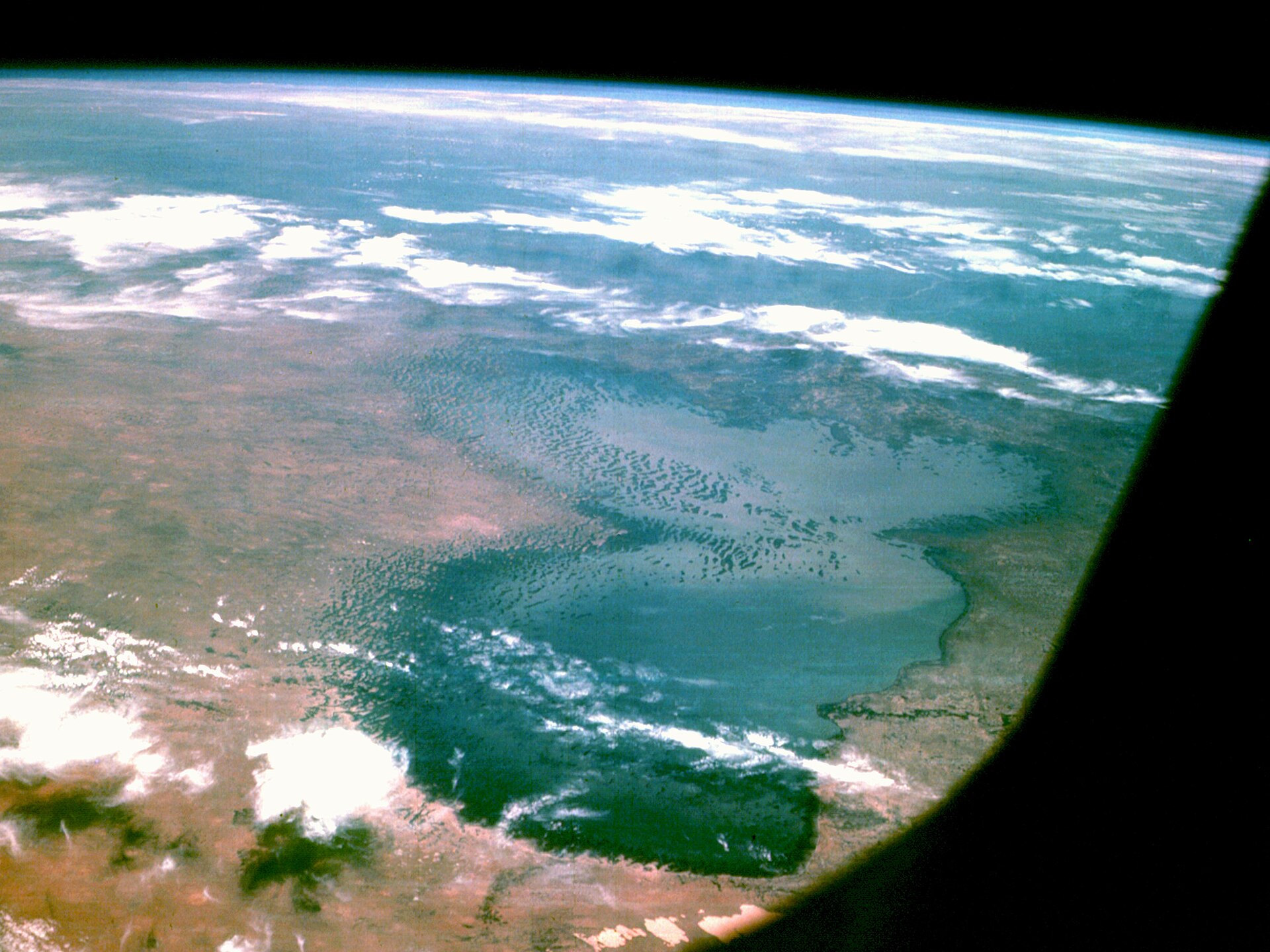
The timing says more than the statement. The gesture comes four days after Déby announced his intention to pardon “several convicts” in the name of national unity, peace, and reconciliation. It also comes three months after the attack in Barka Tolorom, on the Chadian shore of Lake Chad, where Boko Haram killed at least 23 soldiers during the night of May 4 to 5. The president had promised to pursue “until the total eradication of the threat.”
On the ground, the link is direct. The Mandakaou conflict and the agro-pastoral tensions in the south are the second war of Chad, one that disperses already meager units. The islands and marshes of the lake harbor Boko Haram and its rival branch ISWAP, which compete for waterways. A regime that wants to concentrate its forces on this front cannot allow a political rebellion to smolder in the rear.
The Pardon Has Limits
The second decree is equally revealing: the collective sentence reduction explicitly excludes those convicted of terrorism, rape, and drug trafficking. “Terrorists” remain in prison. Political opponents are released. The line is clear — politics can be negotiated, jihad cannot be discussed.
“A new page. Let’s write it together,” reacted Masra's party, Les Transformateurs, on Facebook. The RNDT-Le Réveil, another opposition party, sees it as “an encouraging signal that should pave the way for a broader dynamic of political openness.”
One must remain cautious about the extent of the opening. Chad remains a family regime — the Débys have held the country for over three decades. The pardon does not change the balance of power or the fate of the dozens of remaining political prisoners. And Masra, who experienced exile in Cameroon in 2022 before returning as prime minister, has not said whether he will renounce contesting the 2024 results.
What This Changes on Lake Chad
The difference with the AES juntas — Mali, Burkina Faso, Niger — is striking. Bamako, Ouagadougou, and Niamey have dissolved parties, banned NGOs, and locked down the political space while relying on Russia. N'Djamena, on the other hand, refuses the Africa Corps and has reopened limited military cooperation with Paris since April 2026, eighteen months after the departure of the last French soldiers. Déby’s model is the opposite of Goïta’s: to control by opening, not by closing.
Operationally, this strategy has a cost. Every soldier deployed to the south to secure the roads of Mandakaou is a soldier who is not patrolling the shores of the lake. If the pardon calms the south, it returns command of forces to the front that really matters. If it fails, it will have cost only two decrees.
What to Watch For
Three signals in the coming weeks. First, the effective release of Masra and his return to the political scene — the presidential election of 2029 is already being prepared, and his party boycotted the previous legislative cycle. Next, the lake front: Boko Haram and ISWAP regularly test the garrisons after political transitions, as in October 2024, when an attack killed about forty soldiers and triggered a personal counter-offensive from Déby. Finally, the extent of the French return: if cooperation goes beyond logistics, the regional balance changes.
Masra's pardon does not resolve anything by itself. But it removes a thorn from the rear at a time when the country concentrates its forces at the water's edge. The real question is not whether Masra will be released — it is what the Chadian army will do with the released units. It is there, on the shore, that this decision will be judged.
On August 14, 2026, the Chadian government granted amnesty to nine political prisoners, including former Prime Minister Succès Masra, while emphasizing that civil responsibilities remain. This move aims to manage political dissent as the government focuses military efforts on combating Boko Haram in the Lake Chad region. Despite the amnesty, the political landscape remains tightly controlled, with ongoing tensions and a cautious approach to political reforms.
- Succès Masra and eight opposition members were granted amnesty by the Chadian government.
- The amnesty is not an amnesty in the legal sense, as civil responsibilities remain.
- The Chadian government aims to focus military efforts on the Lake Chad region against Boko Haram.
- The political landscape remains tightly controlled despite the release of opposition figures.
- The Chadian government has reopened limited military cooperation with France.