
Defense Minister Koizumi's Visit to India Launches Joint Development of Unicorn Integrated Mast, First Deployment of F-2 Fighter Aircraft
 Tanaka Takashi
Defense Minister Koizumi's Visit to India Marks the Launch of Joint Development of UNICORN Integrated Mast and the First Deployment of F-2 Fighter Jets
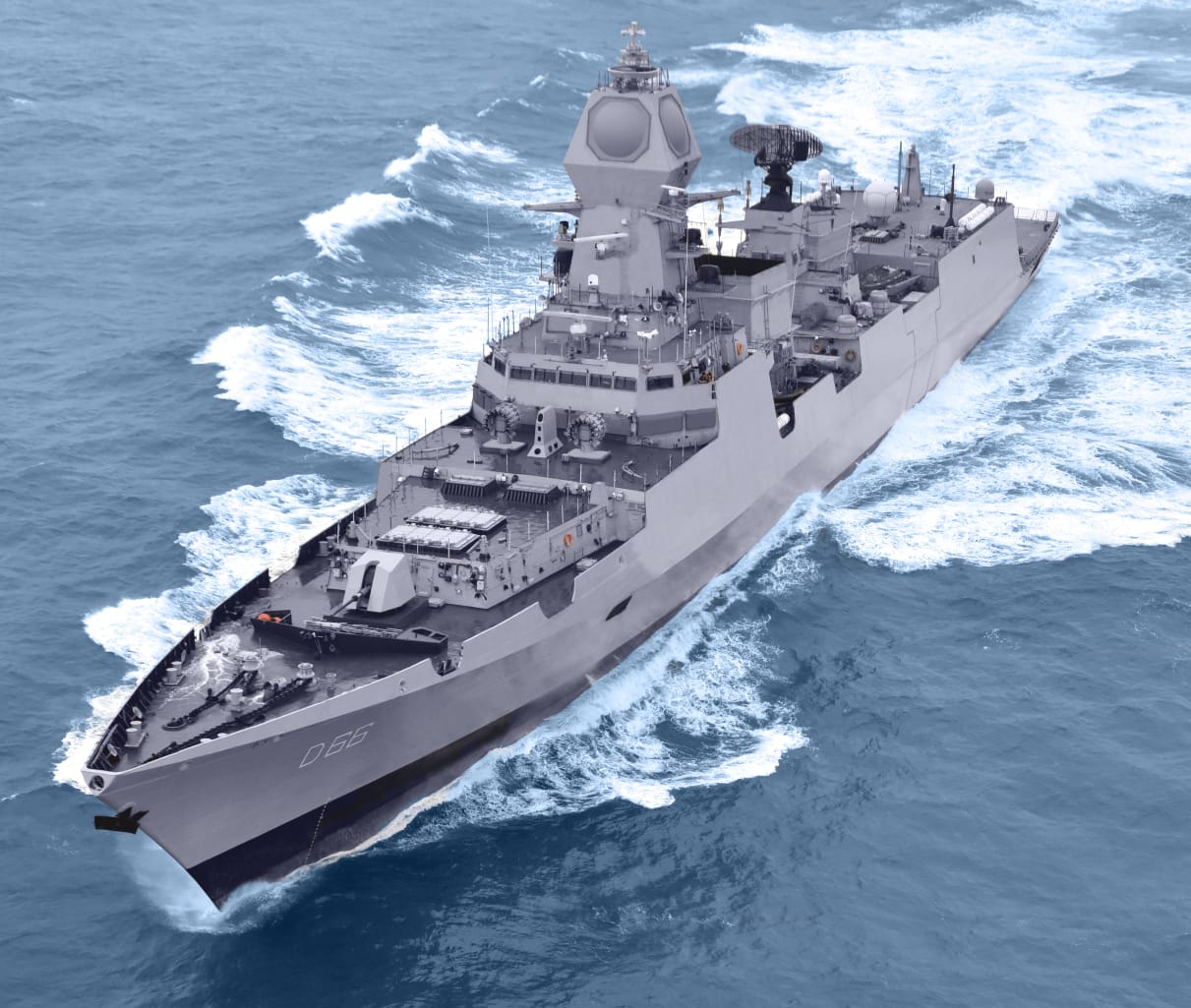
[New Delhi] On August 20, Defense Minister Shinjiro Koizumi held talks with Defense Minister Rajnath Singh. The day before, on the 19th, he visited the Western Naval Command in Mumbai, where he met with the Chief of Naval Staff and inspected the destroyer INS Chennai. Japan-India defense cooperation has entered an unprecedented phase of "joint development."
First Joint Development of Defense Equipment between Japan and India
The focus is on the UNICORN integrated mast. This system, to be installed on the Mogami-class destroyers, integrates communication, surveillance, and electronic warfare functions into a single mast, enhancing stealth capabilities. Japan will provide the design and core technologies, while India's Bharat Electronics Limited (BEL) will be responsible for manufacturing and integration. This marks the first joint development of defense equipment between Japan and India, which was agreed in principle during the summit meeting in July.
Deployment of F-2 Fighter Jets to India
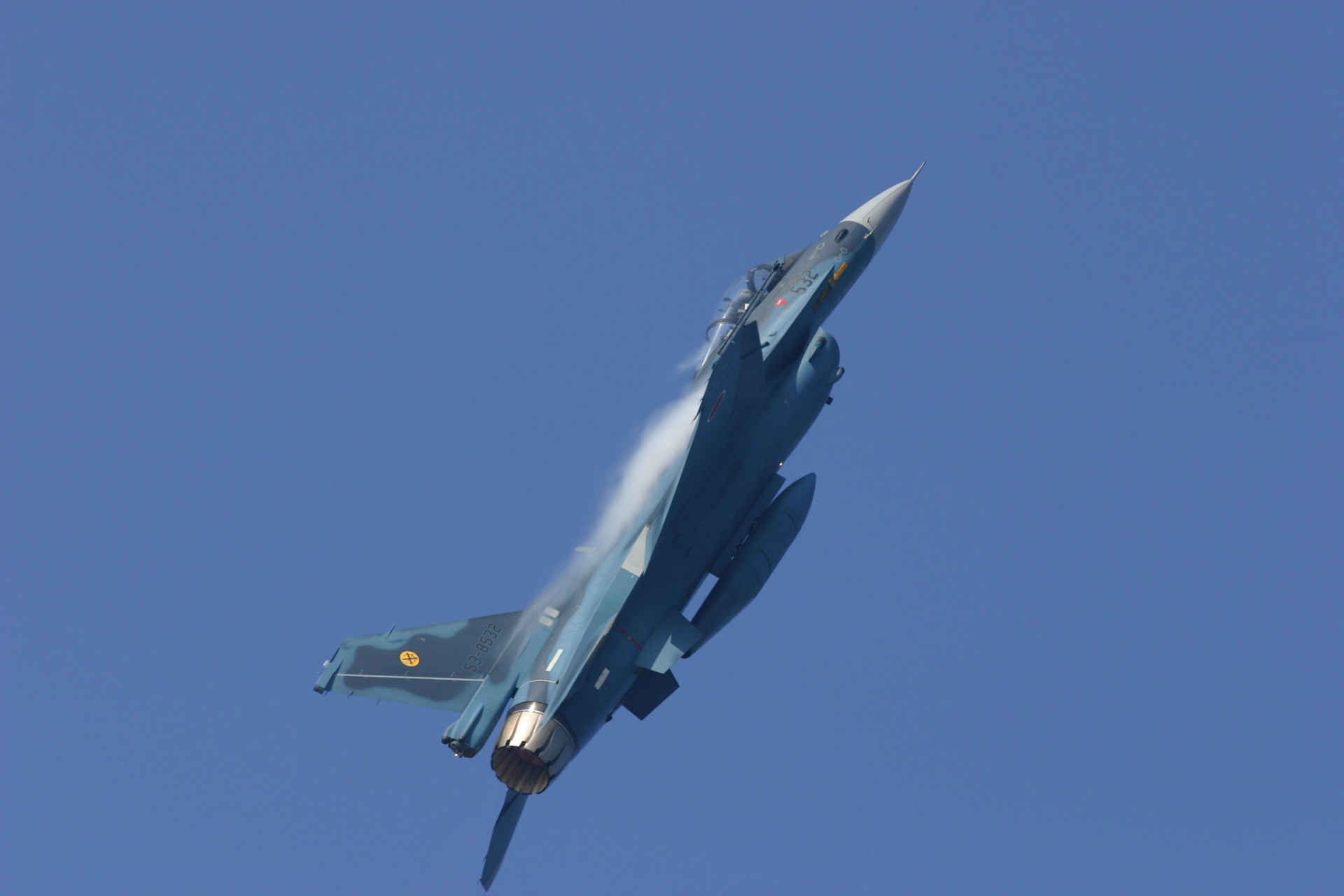
Another new initiative is the deployment of the Air Self-Defense Force's F-2 to India. This will be the first time they participate in joint training. India has refrained from introducing the F-35 due to restrictions on technology transfer and a preference for domestic aircraft, leading to speculation that the F-2 may become a point of interest. Cooperation on drones for base protection was also reportedly discussed.
Background of Reevaluating Dependence on the U.S.
The backdrop of this movement is the exposure of the limits of U.S. production capacity and stockpiles due to the wars in Ukraine and the Middle East. Japan plans to revise its three principles on the transfer of defense equipment in April 2026, significantly expanding exports. The target for private investment in India has been set at 10 trillion yen (approximately 63 billion dollars).
"It can no longer be assumed that a single external great power will supply technology, capital, and weapons in times of crisis" — this recognition is becoming common among security officials in Asia.
Strategic Significance and Remaining Challenges
What Tanaka highlights is that UNICORN is a "joint development" rather than an "export." Japan will share design information of equipment identical to that of the Self-Defense Forces for the first time with a non-allied country. The Indian side seeks not just a purchase but technology absorption under the "Make in India" initiative, and Japan is also advancing diversification of supply chains in line with its defense capability development plan, which states that the Self-Defense Forces will bear the primary responsibility for invasion response by fiscal year 2027. However, even after the revision, restrictions on third-country transfers remain. Considering that over 60% of the Indian Navy's equipment is of Russian origin, a "technical dual nationality" situation may arise where Japanese sensors and Russian systems coexist on the same vessel.
The true test will come when India eventually considers exporting this mast to a third country. The revision of the principles has opened a door, but how far that door will open is still unknown. As the trend of diminishing U.S.-Japan alliance and the expansion of Japan-India cooperation progress simultaneously, Japan's defense equipment policy is facing an unprecedented series of "choices."
Japanese Defense Minister Kono Shinjiro met with Indian Defense Minister Rajnath Singh in New Delhi on August 20 to initiate joint development of the UNICORN integrated mast and deploy F-2 fighter jets for joint training. This marks a significant step in Japan-India defense cooperation, focusing on technology transfer and enhanced military capabilities.
- Japanese Defense Minister Kono Shinjiro visited India for talks with Defense Minister Rajnath Singh.
- Joint development of the UNICORN integrated mast has commenced, enhancing stealth capabilities.
- F-2 fighter jets are being deployed to India for the first time for joint training exercises.
- Japan aims to diversify its defense supply chain in response to geopolitical tensions.
- India is prioritizing technology absorption over simple procurement in defense collaborations.