
Dual Ships Set Sail, Collaboratively Sharpening Skills — A Glimpse into the Multi-Subject Training of a Naval Unit's Vessels
Dual Ships at Sea, Coordinated Sword Training
—— A glimpse into the multi-subject training of a naval task force
■ Li Fengxiang, Special Correspondent for PLA Daily, Wu Di, Photography Report
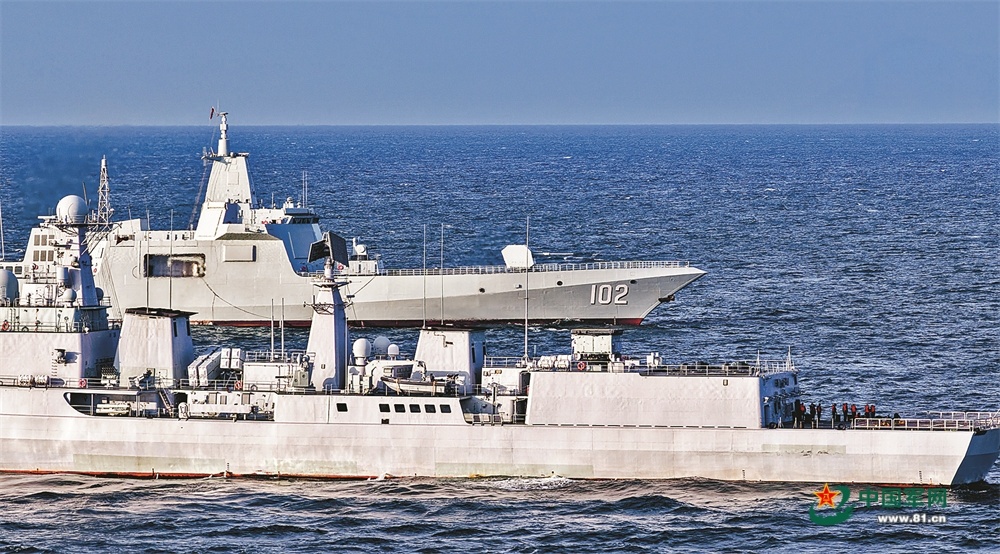
Dual ship coordinated training.
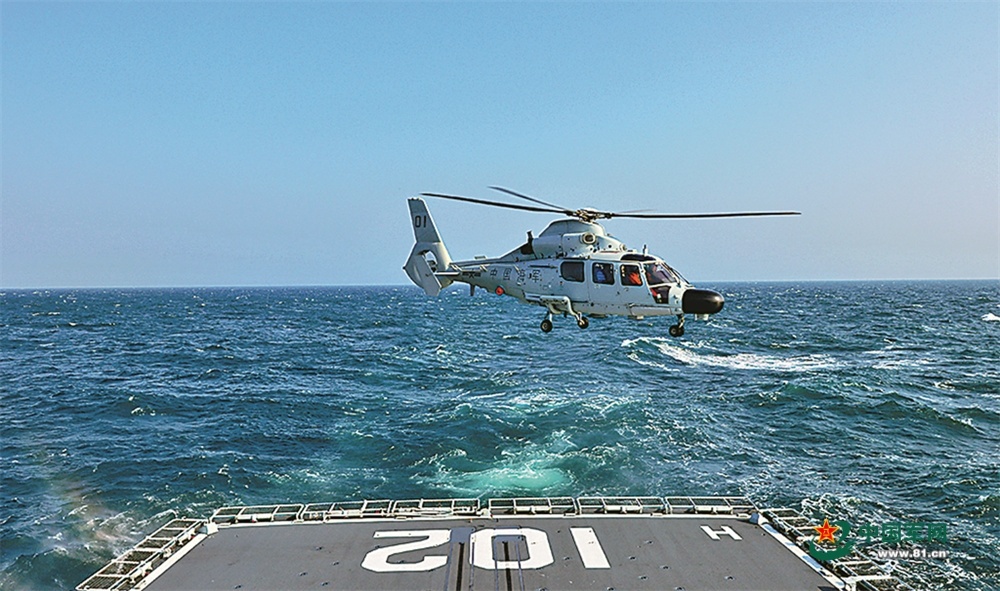
Shipborne helicopter taking off.
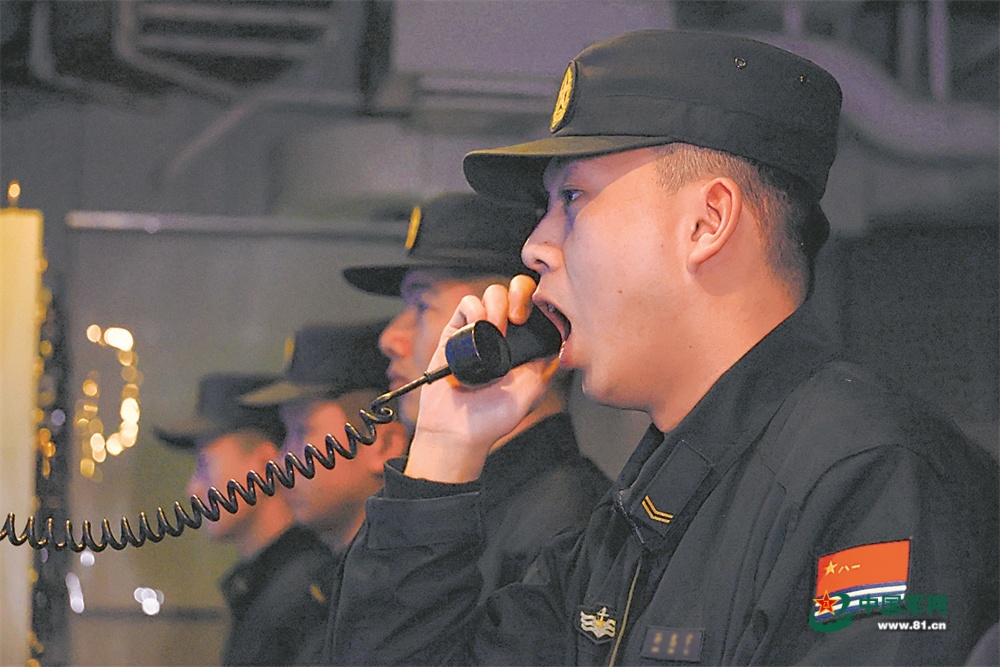
Conveying combat orders.
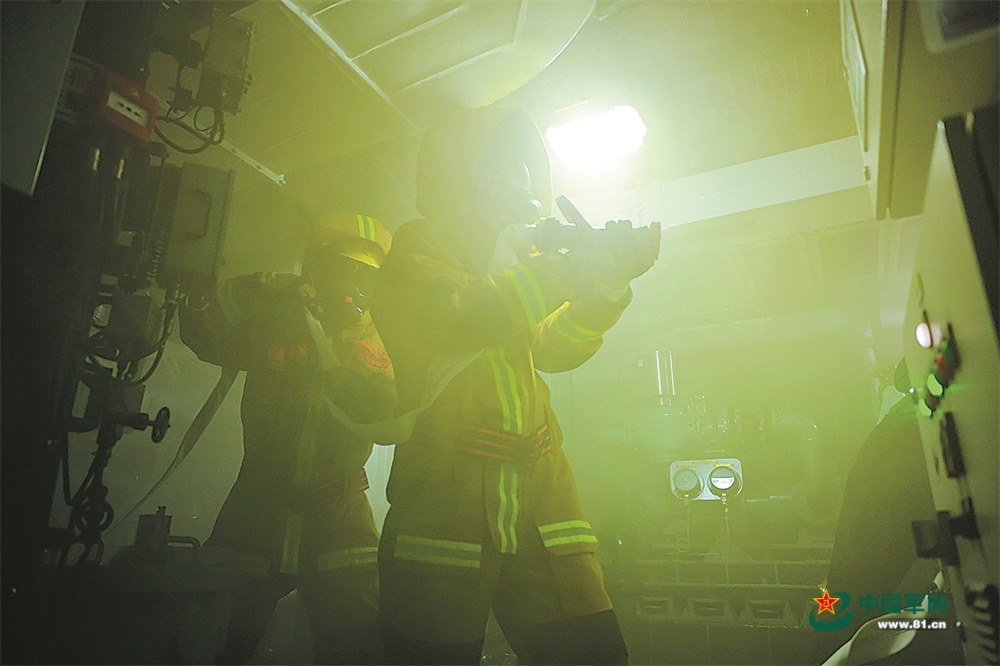
Conducting damage control training.
In the early morning, the whistle sounded. The naval destroyer task force, including the Lhasa and Shijiazhuang ships, cast off and set sail to a certain sea area to conduct multi-subject realistic training, including boarding inspections and off-ship support for other vessels, honing the officers and soldiers' capabilities in coordinated operations and emergency response.
“A friendly ship is on fire, your ship is ordered to proceed for rescue!” The crew of the Lhasa responded immediately, activating the emergency response mechanism and swiftly maneuvering towards the target sea area. En route, the officers and soldiers comprehensively utilized optical and radar means to conduct an all-around search for the "damaged" Shijiazhuang ship. After locking onto the target, the Lhasa quickly approached and accurately occupied the firefighting position.
“Off-ship support for damage control deployment!” At the command, the damage control team from the Lhasa quickly boarded two small boats and rushed to assist the "damaged" vessel. The officers and soldiers coordinated seamlessly and operated skillfully. After efficient collaboration between the crews of both ships, the "fire" was successfully extinguished.
The next morning, alarms once again pierced the air and sea, as a coordinated anti-submarine combat operation between ships and aircraft suddenly commenced. The Lhasa was the first to detect a suspicious underwater target, and the shipborne helicopter immediately took off to search for the submarine. The Shijiazhuang quickly occupied a favorable attack position, preparing to strike the target. The two ships shared battlefield information in real-time and soon locked onto the target. The attack order was given, and torpedoes were launched, accurately destroying the target.
With the alarm lifted and the smoke cleared, the two ships formed a formation and continued to forge ahead into the depths of the ocean, embarking on a new round of formation maneuver training...
Lhasa and Shijiazhuang destroyers of the Chinese Navy conducted joint training exercises at sea, focusing on damage control and anti-submarine warfare. The exercises included a simulated fire emergency response and the deployment of helicopters for underwater threat detection. Personnel demonstrated effective coordination and operational readiness during these drills.
- Lhasa and Shijiazhuang destroyers conducted joint training exercises at sea.
- The exercises included damage control and anti-submarine warfare.
- Lhasa destroyer responded to a simulated fire emergency on Shijiazhuang destroyer.
- Helicopters were deployed for anti-submarine operations.
- The training aimed to enhance coordination and emergency response capabilities.