
EU changes its oil strategy in 2026 and discovers military fuel reserves as a NATO gap
 Dr. Klaus Weber
EU Changes Its Oil Strategy in 2026 and Discovers Military Fuel Reserves as a NATO Gap
The European Union is for the first time visibly treating military fuel as part of its oil and supply security. This is politically significant, but militarily it is not yet a breakthrough. An army can only operate as long as its logistics function. A Leopard 2 does not need a political declaration for strategic autonomy, but diesel; a Eurofighter does not need a new industrial initiative, but reliably available aviation fuel. It is precisely this banal fact that regularly undermines Europe's defense debate.
The New Focus of the EU
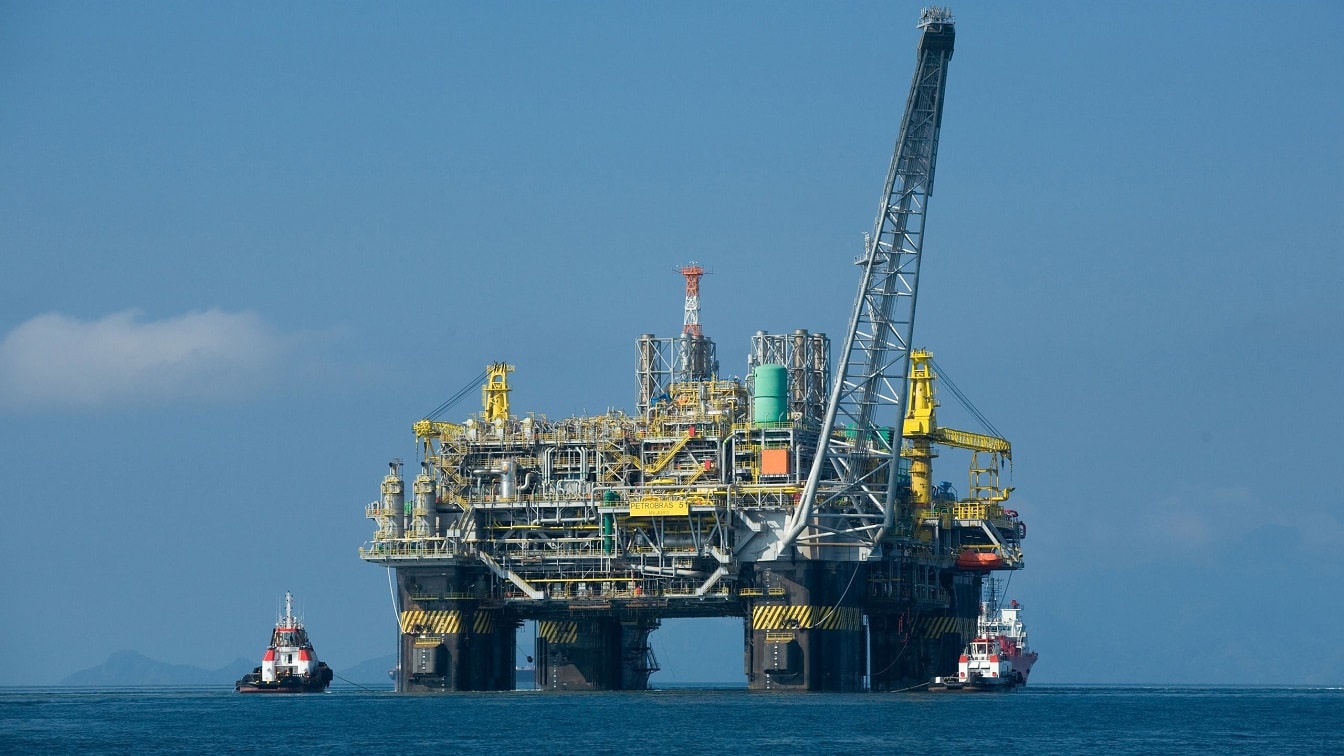
According to a report by Euronews on November 20, 2026, the new European oil security strategy is explicitly set to consider the needs of the armed forces. Until now, European logic has primarily been civilian: mandatory reserves, crisis stocks, and maintaining transportation. For a prolonged NATO conflict, this definition is insufficient. Military demand is not identical to civilian demand. It is regionally concentrated, time-critical, and reliant on standardized fuel qualities.
The strategic question is therefore not only whether Europe possesses enough crude oil. What is crucial is whether refineries, storage facilities, pipelines, ports, and military distribution centers can all function simultaneously in a crisis. A reserve in the national energy register is not yet an available refueling capacity on the eastern flank. Here lies the difference between stock and operational availability — between accounting and operational capability.
Why the NATO Gap is Bigger than a Missing Barrel of Oil
A NATO report, which Politico reported on November 13, warned of a potential shortage of aviation fuel in a larger war. This warning is strategically plausible. Europe's air forces are growing with F-35s, Eurofighters, and Rafales, but the supporting infrastructure is not growing at the same pace. More platforms mean more consumption, more spare parts movements, and a greater dependence on tanker aircraft and forward storage.
The vulnerability lies in the chain. Refineries can be affected by outages, cyberattacks, or political bottlenecks. Ports and rail lines are visible military targets. Pipelines are efficient but not automatically redundant. Tank trucks are flexible but require drivers, protection, and intact roads. Those who only calculate nominal capacity underestimate the wear and tear in conflict. The bottleneck does not occur at the beginning of the supply chain, but where fuel must reach the airfield or combat unit under threat.
European Autonomy Begins with Standardization
The European Defence Agency and the EU Institute for Security Studies have repeatedly pointed out energy, military mobility, and operational sustainability in recent months. This leads to an uncomfortable priority: the EU needs fewer new strategy papers and more common technical standards.
- common minimum requirements for military fuel reserves and their actual usability;
- compatible refueling and handling technology between national armed forces;
- protected storage within reach of NATO's eastern flank;
- regular exercises that test not only troops but the entire fuel chain;
- contractually secured refinery and transport capacities for crisis situations.
This sounds less spectacular than a new fighter jet program. However, it is strategically more important. A European defense project whose units cannot be refueled together is institutional integration without military effect. PESCO can create cooperation formats; it cannot protect a pipeline or conjure up a missing reserve.
The Political Price of Dependence
The new strategy also reveals a political contradiction. The EU speaks of strategic autonomy while its energy supply, military mobility, and partially its air defense continue to depend on American capabilities. Washington will welcome European investments in reserves because they improve burden-sharing. However, burden-sharing is not the same as autonomy. Europe can pay more and still remain dependent on reconnaissance, air refueling, or strategic transport.
Germany must also face this reality. The Bundeswehr can politically prioritize its brigade in Lithuania; however, it cannot replace national stockpiles with European operational planning alone. The military value of Germany's special fund will be measured by whether it keeps ammunition, spare parts, and fuel available for weeks — not by how many projects are listed in the budget appendices.
“Allocations are not deliveries, reserves are not sustainability, and strategic autonomy is not a press release.”
Conclusion
That Brussels includes military fuel in the oil security strategy is a necessary step. Initially, it is not more than that. The EU thus acknowledges a problem that NATO planners and logisticians have long known: Europe's defense can fail due to infrastructure before it fails at the front.
The real test follows in the implementation. Will member states finance common reserves even though their immediate national benefit is hard to see? Will they treat refineries and storage as military infrastructure without making every facility a target? And will NATO actually integrate European planning into its operational logic? Europe has learned to increase defense spending. Now it must learn to generate endurance from it. More oil policy can close the military gap — but only if it is not again recorded as a political intention.
Sources
- Euronews.com, “EU puts military fuel needs at heart of new oil security strategy,” November 20, 2026.
- POLITICO Europe, “Europe risks running short of jet fuel in a major war, NATO study says,” November 13, 2026.
- European Union Institute for Security Studies, “The lifeblood of the military: The energy transition and operational capacity,” June 25, 2025.
- The Hague Centre for Strategic Studies, “Securing European Military Fuels in a Tense Security Environment,” April 22, 2025.
The EU is revising its oil strategy to prioritize military fuel needs, recognizing the importance of logistics for operational capability. This change, reported in November 2026, highlights concerns over potential jet fuel shortages in future conflicts and the reliance on American military capabilities. The EU aims to establish standardized military fuel reserves and improve infrastructure to address these challenges.
- The EU is incorporating military fuel needs into its oil security strategy.
- There is a warning of potential jet fuel shortages in a major conflict.
- The EU's military mobility and air defense depend on American capabilities.
- The report emphasizes the need for standardized military fuel reserves and infrastructure.
- The EU acknowledges the NATO gap in military fuel supply.