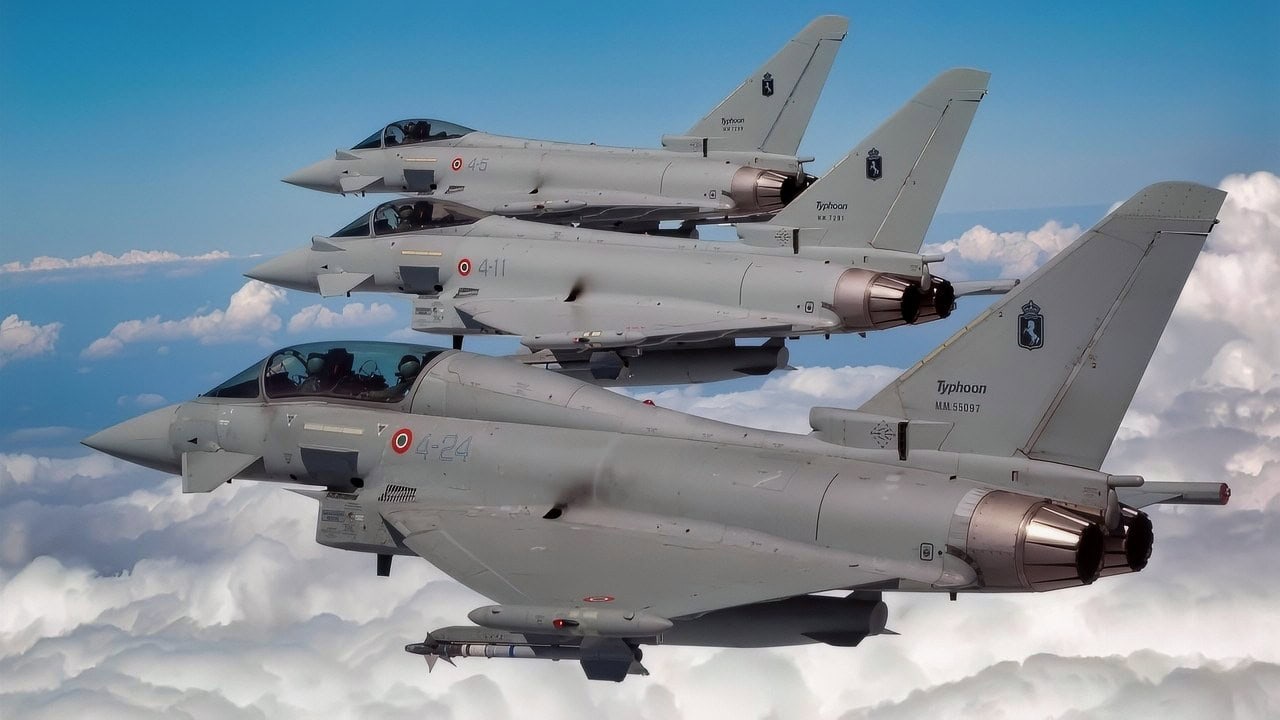
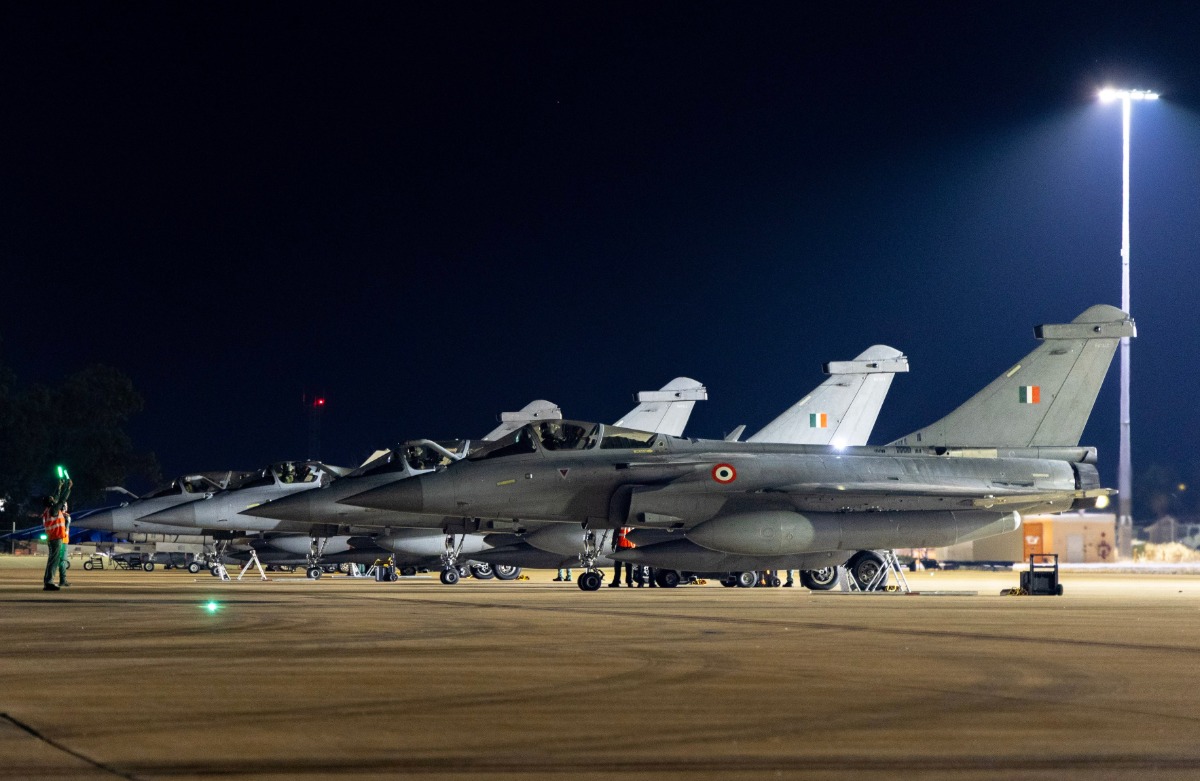
The Typhoon is Europe's largest collaborative combat-aircraft program, binding the industrial bases of the UK, Germany, Italy and Spain through Eurofighter GmbH and the Eurojet engine consortium. That four-nation structure has delivered scale — several hundred aircraft across nine operators — but it also means export decisions and upgrade priorities require consensus, as illustrated by Germany's multi-year block on further Saudi sales that was only reportedly lifted in early 2024.
The fleet's relevance now rests on sensor and electronic-warfare modernization rather than airframe change. Kuwait and Qatar introduced the first ECRS Mk0 AESA radars, Germany and Spain's Tranche 4 aircraft carry the ECRS Mk1, and the UK is funding the more ambitious ECRS Mk2, which adds electronic-attack functionality and flew for the first time in September 2024 with production sets expected from about 2028. These upgrades are intended to keep the Typhoon credible alongside fifth-generation types in high-end air defence, though it remains a non-stealthy 4.5-generation design.
Operationally, the Typhoon is the backbone of Quick Reaction Alert and NATO air-policing coverage from Iceland to the Black Sea and of Gulf operators' air defence. With fresh Middle East interest and a reported Turkish order, the program appears set to bridge European partner air forces to the next-generation GCAP and FCAS programs into the 2040s, sustaining production lines and skills those successor efforts depend on.