

The quest for Europe’s sixth-generation warplane continues. The Future Combat Air Systems (FCAS) program involves Germany, France, and Spain, while the Global Combat Air Program (GCAP) involves Japan, Britain, and Italy.
But shakeups are already happening.
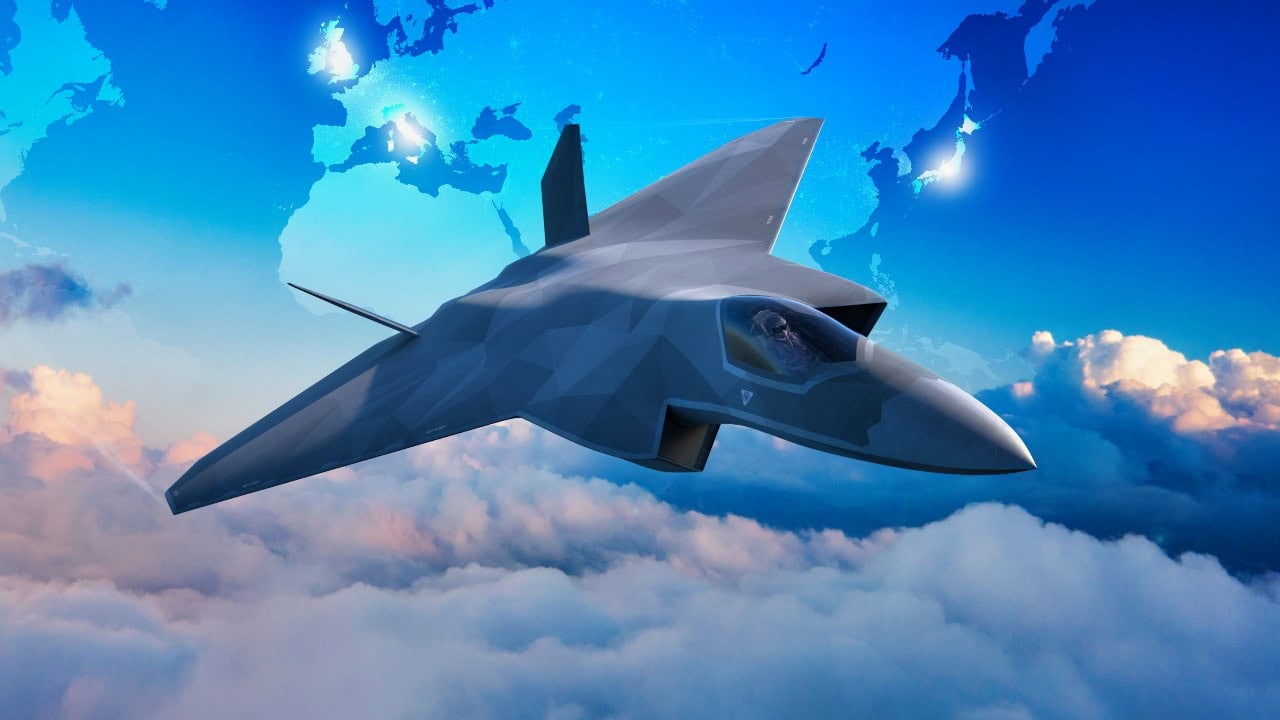
GCAP. Image Credit: Industry Handout.
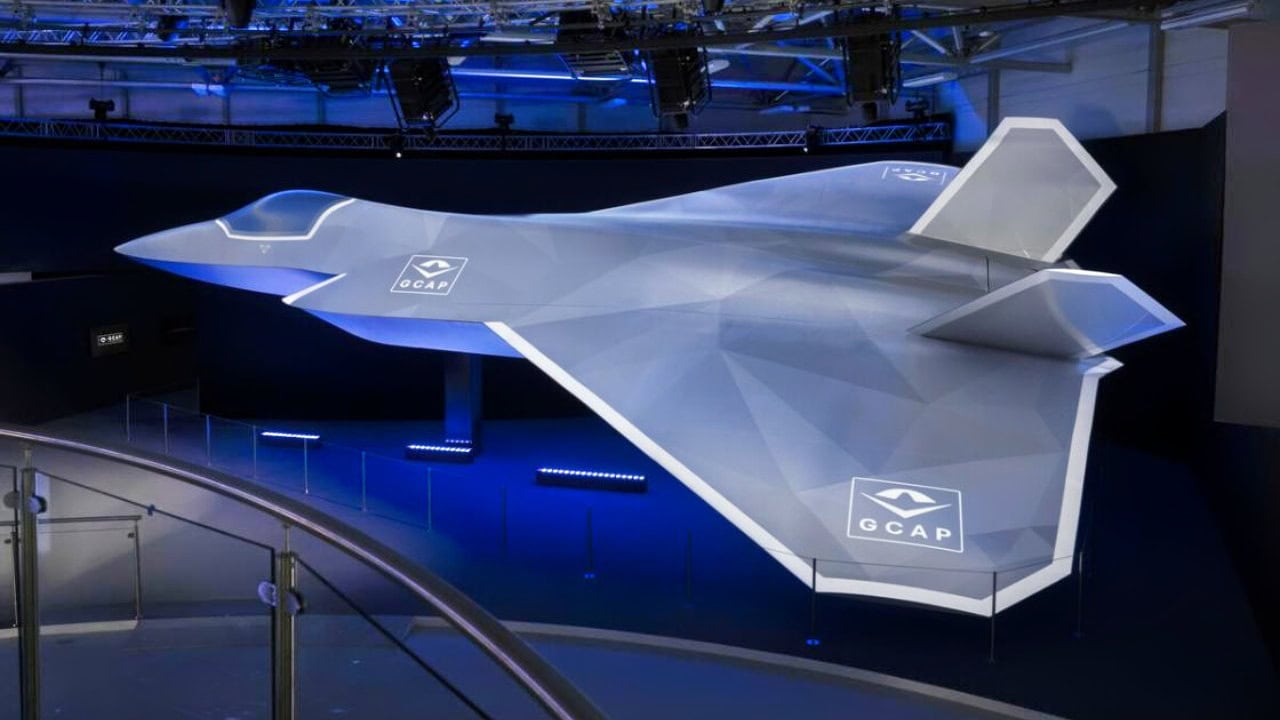
GCAP 6th Generation Fighter
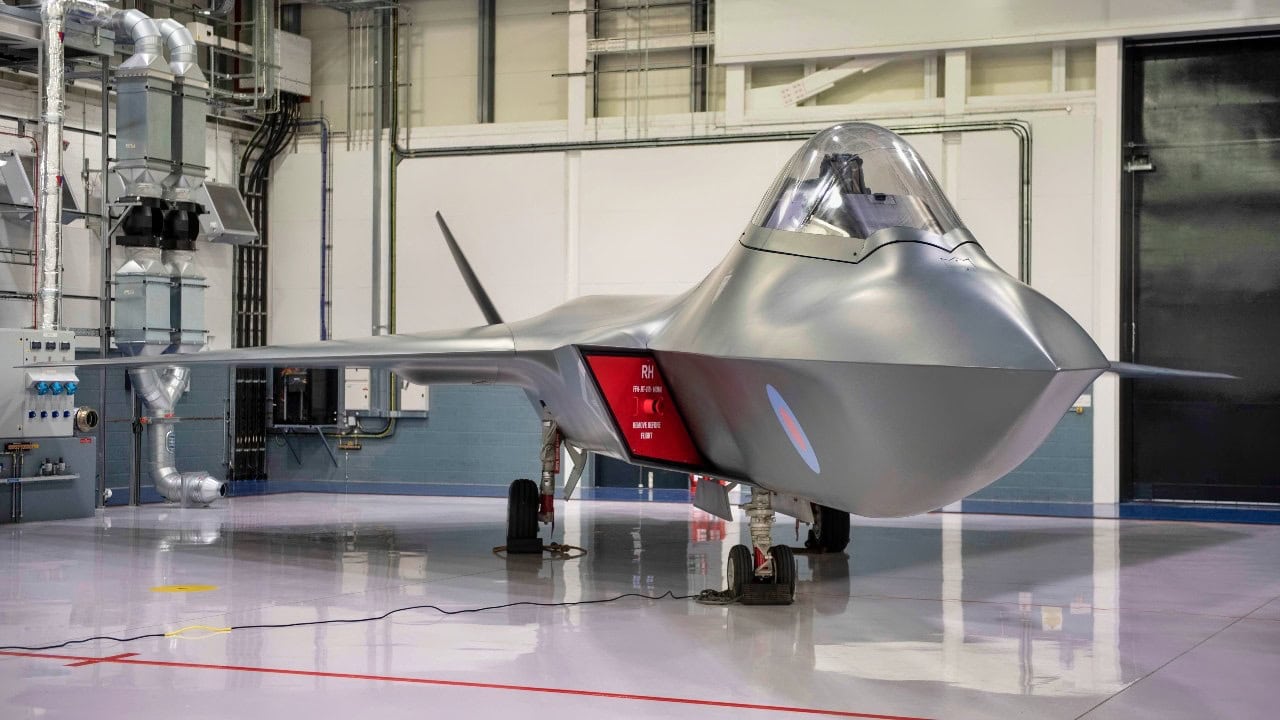
Image of the UK’s concept model for the next generation jet fighter “Tempest”, which was unveiled by Defence Secretary, at Farnborough International Air Show back in 2018.
Germany is contemplating joining the GCAP, and Canada has already become an observer of the ongoing GCAP.
In December 2022, the GCAP was the United Kingdom’s, Japan’s, and Italy’s attempt to create an operational next-generation combat warplane by 2035.
It was meant to replace Britain’s Eurofighter Typhoon and Japan’s Mitsubishi F-2 fighters (while giving Italy an advanced combat capability).
German Interest
But now, with Germany’s push for rearmament, German Chancellor Friedrich Merz confirmed that his government was analyzing whether Germany could also participate in the GCAP.
Merz discussed the prospect with Japanese leaders during a recent visit to Tokyo. Berlin’s problem is that the original GCAP players were already so far along in industrial development.
Germany’s interest in the GCAP stems from the collapse of its involvement with France on the Future Combat Air System (FCAS).
This competing sixth-generation warplane program once included France, Germany, and Spain.
France’s Dassault Aviation and Germany’s Airbus ran into significant disagreements over which party would lead the industrial effort, who would control intellectual property (IP), and which side would develop which specific parts of the aircraft.
But if Germany joined GCAP, its firms would be in an even less advantageous position than in the FCAS project because industrial development on GCAP is so far along.
On the other hand, Japan worries that if Germany enters GCAP, it would complicate the program and likely slow it down.
Japan urgently needs replacements for its aging Mitsubishi F-2 fleet and is pushing hard to keep GCAP’s operational target deadline at 2035.
Adding another major industrial partner would require renegotiating contracts, updating IP agreements, and reassigning design responsibilities.
Plus, Berlin clearly wants greater industrial participation for Airbus, which complicates the existing division of labor among BAE Systems, Mitsubishi Heavy Industries, and Leonardo.
Another possibility that Berlin is exploring is opening a separate line of cooperation with Sweden and Spain rather than joining GCAP because of the limitations of the parties involved in GCAP.
Canadian Intrigue
Meanwhile, Canada is expanding its involvement and interest in GCAP.
In July of this year, Ottawa joined GCAP as an observer, giving it access to program discussions without serious financial obligations or decision-making authority.
At the end of October, Canada’s aircraft manufacturer Bombardier announced a memorandum of understanding with Britain’s BAE Systems to explore future cooperation on combat aircraft technologies, indicating that Canada is looking beyond the United States for its future warplane development.
Bombardier is one of many Canadian aerospace firms seeking combat aviation opportunities outside North America.
Saab, the Swedish aerospace firm, announced partnerships with IMP Aerospace, Magellan Aerospace, and CAE related to a possible Canadian purchase of Gripen-E fighters.
IMP will oversee final assembly and electrical production while Magellan will build the airframes and composite components, with CAE providing training and mission systems engineering.
Canada has already committed, in part, to the F-35 Lightning II fifth-generation multirole warplane role in principle.
Still, since relations between Washington and Ottawa broke down, it has been looking to diversify.
Even if only to gain a bit more leverage in ongoing talks with Washington, Canadian firms are now being given access to high-end discussions and designs across Europe for their next-generation warplane.
Target Date Remains 2035, With No New Countries Joining (Yet)
Meanwhile, the GCAP aims for a 2035 launch date.
But many hurdles remain before it can meet that deadline.
As of November 2026, the original GCAP members remain the only members.
Germany has not joined, while Canada remains an observer. For GCAP, immediate priorities are completing development arrangements and ensuring it can release the plane from the factory by 2035.
About the Author: Brandon J. Weichert
Brandon J. Weichert is the Senior National Security Editor at 19FortyFive.com. He also manages The Weichert Brief on Substack. Weichert is the co-host for The Mario Nawfal Show on Twitter/X. He is the author of four bestselling national security books, most recently A Disaster of Our Own Making: How the West Lost Ukraine (Encounter Books). His next book, Fortress Americas: A New Monroe Doctrine (Tucker Carlson Books), is due out December 8. Follow him via Twitter/X @WeTheBrandon.