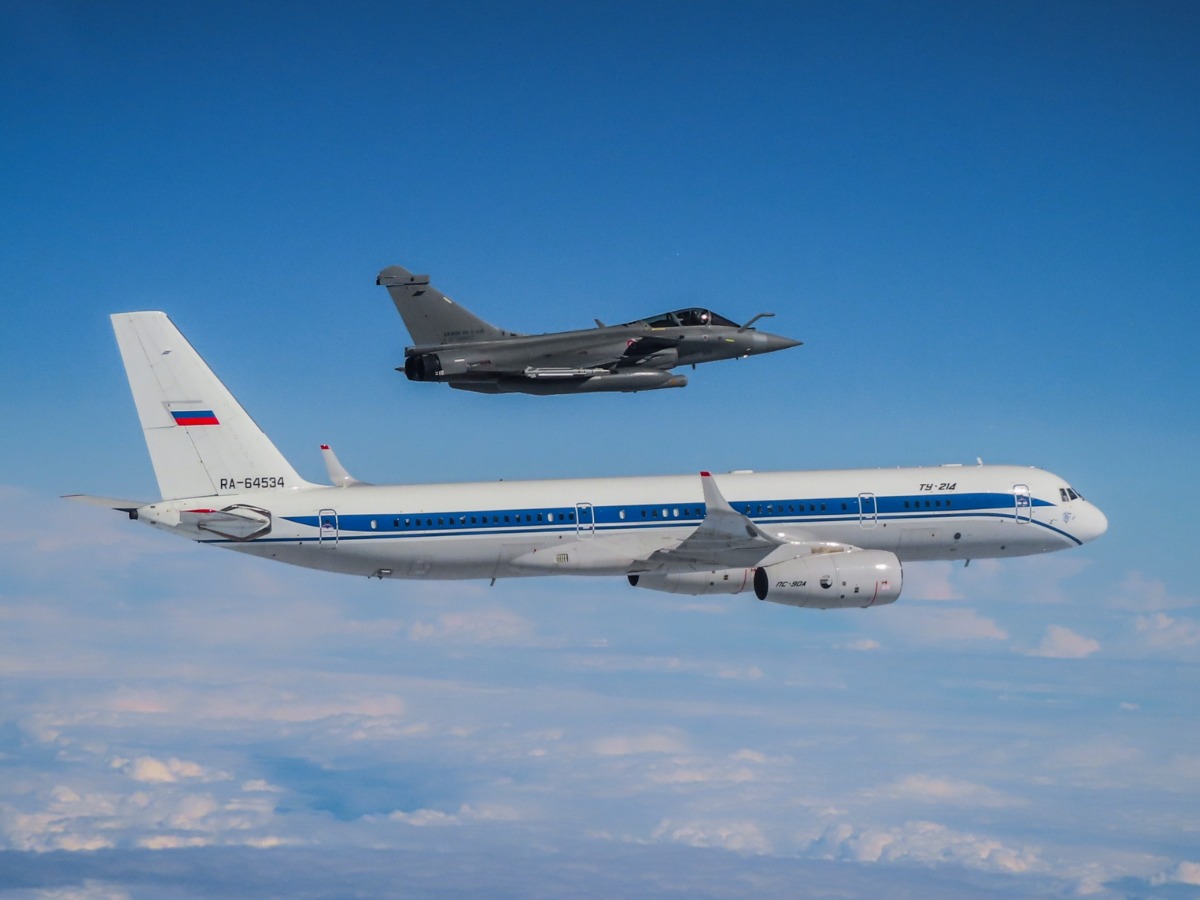
The Rafale is the material foundation of French strategic autonomy in airpower. A single national design covers air superiority, precision strike, reconnaissance, carrier aviation and the airborne leg of France's nuclear deterrent, freeing Paris from dependence on U.S. platforms and export-control regimes. Its 'omnirole' concept — switching mission sets within a single sortie — has proven attractive to air forces that cannot afford separate specialized fleets.
The export record has shifted from famine to surplus. After nearly two decades without a foreign sale, orders from Egypt, Qatar, India (36 aircraft plus 26 Rafale M for the navy in 2025), Greece, Croatia, the UAE's landmark 80-aircraft contract, Indonesia's 42 and Serbia's 12 have pushed the backlog past domestic production capacity, and Dassault has been raising output rates. For buyers, the Rafale offers near-top-tier capability with fewer political strings than U.S. aircraft, positioning it as the default Western alternative for non-aligned states.
The May 2025 India-Pakistan air battle is the type's most consequential combat data point, and the most contested. Pakistani claims of multiple Rafale kills by J-10C fighters firing PL-15 missiles, partially echoed in Reuters reporting of at least one loss (reported/contested), sparked debate about long-range missile engagements, kill-chain integration and pilot tactics rather than airframe quality per se; India attributes outcomes to employment constraints, and no independent full accounting exists. France's answer is the F4 rollout and the F5 standard with a stealthy loyal-wingman UCAV toward 2030 — an attempt to keep a 4.5-generation airframe combat-relevant against proliferating fifth-generation opposition, whose success remains to be demonstrated.