J-20A

🇨🇳China
Chengdu Aircraft Industry Group
2025 – Present
Spotlight

WS-15-powered J-20 upgrade reported to bring true supercruise to China's stealth fleet

"Game-Changer Engine": China's J-20A Gets WS-15 Thrust (VERTEX)

Watch on YouTube
Overview
J-20A
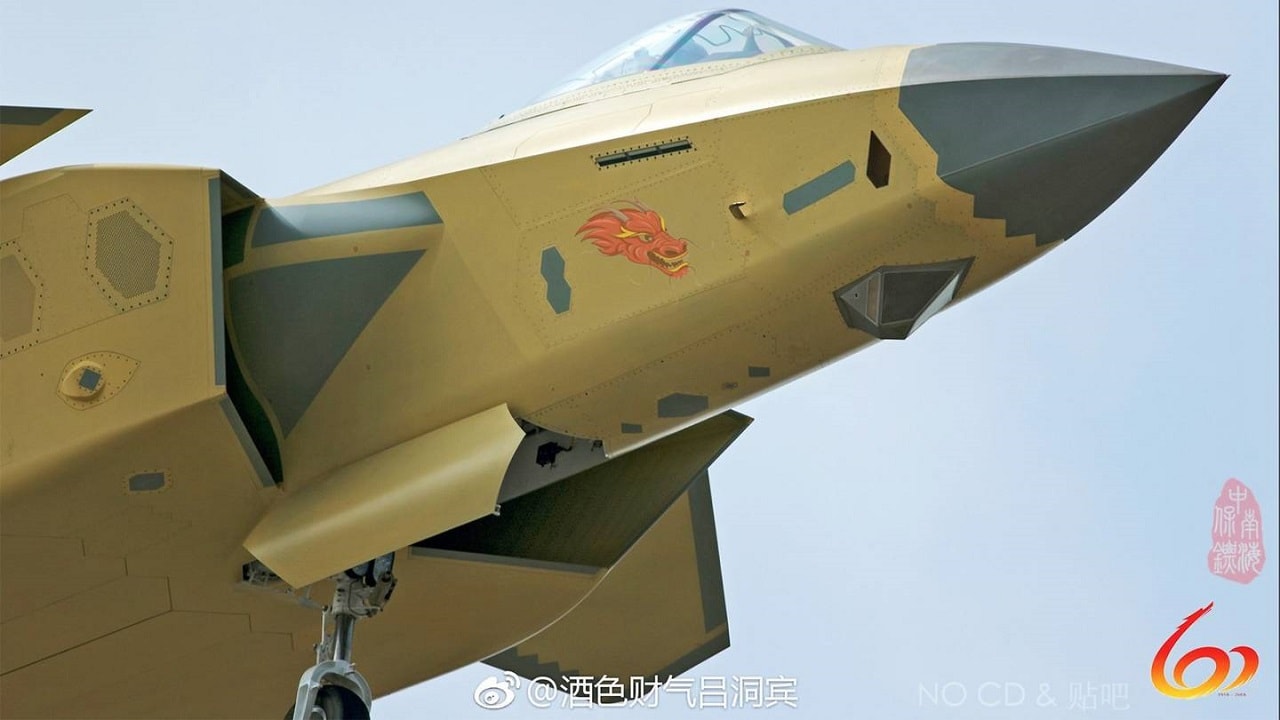
The J-20A is an upgraded variant of the J-20, featuring a raised cockpit, enlarged spine, reshaped nosecone, and modified engine intakes optimized for WS-15 engines. It includes comprehensive upgrades in software, avionics, and sensor suites, as well as improvements in airframe material and structures. The J-20A is a single-seat, multirole stealth fighter developed by China, known for its precision strike capability, situational awareness, and maneuverability.
Specifications

General

Crew1
RadarType 1475 (KLJ-5) AESA (reported)
Engines2
StealthYes
Thrust Kn161.86 kN
Ferry Range Km3,400 km
Max Speed Mach2 Mach
Combat Radius Km~2,000 (est.)
Service Ceiling M18,000 m

Other

Length~21.2 m (est.)
Wingspan~13.0 m (est.)
Powerplant2 × WS-15 afterburning turbofans, ~160+ kN class each (reported)
Supercruise~Mach 1.5+ without afterburner (reported)
Internal ArmamentPL-10 short-range and PL-15 long-range AAMs in internal bays (reported)
Max Takeoff Weight~37,000 kg (est.)
Latest Developments
Oct 15, 2026strong signal
The US Air Force F-35 Has a J-20 Stealth Fighter Math Problem It Might Not Be Able to Solve

Expert Harrison Kass reports estimates of about 520 Chengdu J-20 Mighty Dragons in PLAAF service.

Oct 11, 2026strong signal
China's J-20S and J-35A Make Stealth a Numbers Game in 2026

The J-20 is China's long-range stealth air-superiority platform.

Oct 8, 2026strong signal
China’s J-20 And J-35A Fighters Don’t Have To Beat US Military F-22 Raptors And F-35s. Beijing Is Building Enough That They Don’t Need To

Mitchell Institute supports 100 J-20s a year, RUSI 120, and 1,000 fifth-generation jets by 2030.

Oct 2, 2026strong signal
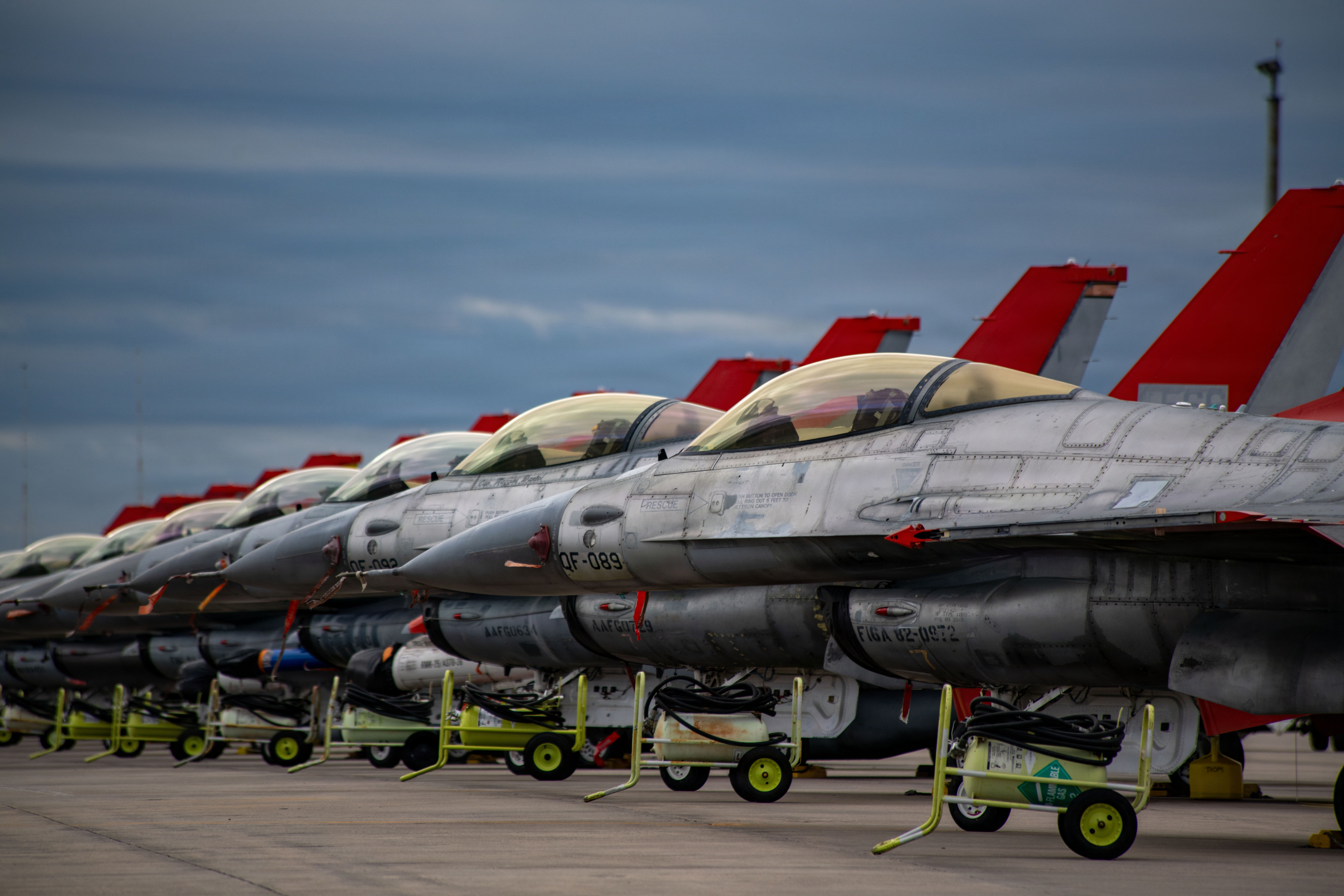
Taiwan’s first two F-16V fighter jets arrive to bolster defenses against China

Entity 'J-20' mentioned in report

Sep 27, 2026strong signal
The US Navy Has No Way to Get Close to China Without Being Showered by Thousands of Missiles and Drones

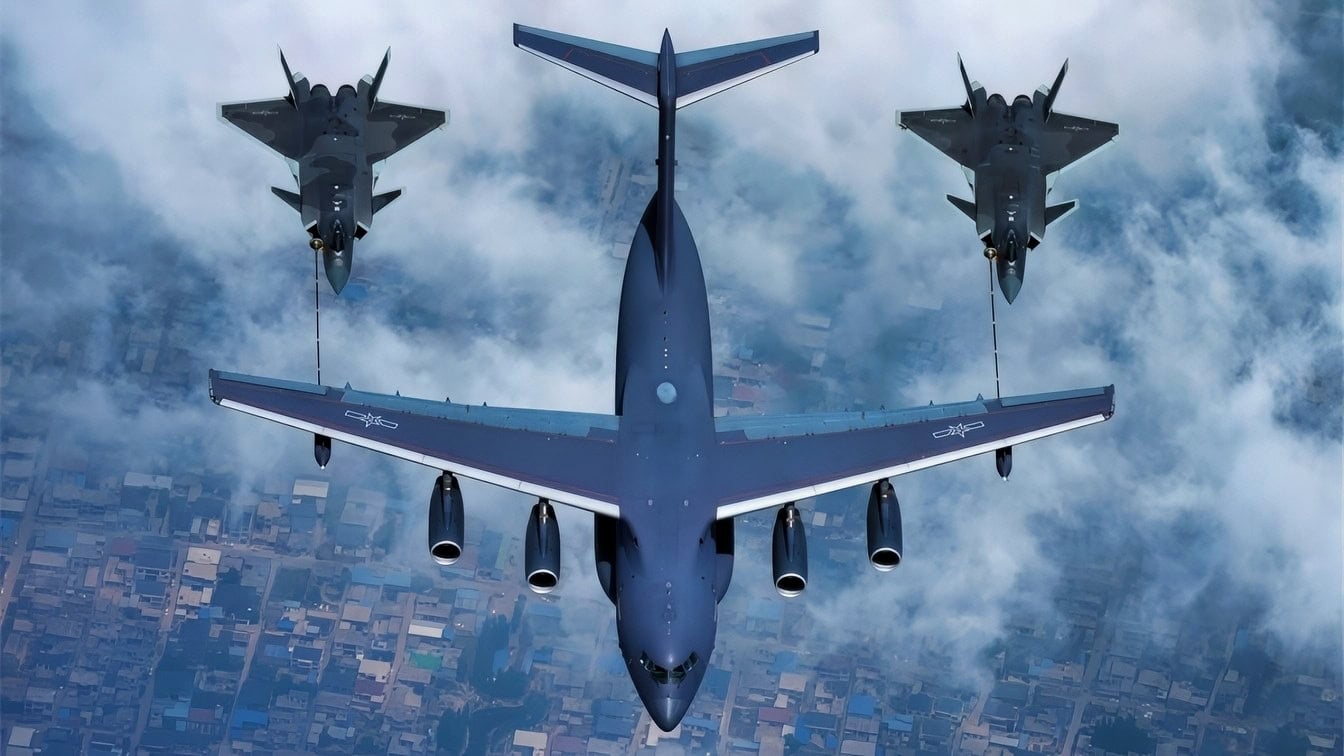
The Chinese have a massive fleet of Chengdu J-20 'Mighty Dragon' and Shenyang J-35 fifth-generation stealth warplanes that appear to be designed specifically to hunt down and destroy US systems such as midair refuelers.

Sep 26, 2026strong signal
F-22 Operations in the Philippines Expose America’s 2026 Forward Basing Gap

Entity 'J-20' mentioned in report

Featured Coverage
Research Notes

Operational J-20 evolution inside China's fifth-generation fighter force

medium

J-20A should be understood as part of China's continuing effort to mature the J-20 from a breakthrough design into a deployable fifth-generation force.

J-20A represents an operational evolution within China's J-20 stealth fighter family. The aircraft matters because it is tied to China's ambition to field a credible fifth-generation fighter force with stealth, sensors, long-range weapons, and networked operations.

CSIS describes the J-20 as China's first operational stealth fighter, while the U.S. Department of Defense places advanced combat aircraft inside the broader modernization of the PLA Air Force. Those sources support treating J-20A as a strategic air-power entry rather than a simple aircraft variant.

For HiWars, J-20A should be framed around force maturation: production scale, pilot training, engine development, sensor integration, and the way the fighter changes regional air-defense and counter-air planning.

Stealth, sensors, and long-range counter-air employment

medium

The aircraft's impact depends on how stealth shaping, sensor fusion, missiles, engines, and data links work together in real missions.

The J-20's influence is not only about radar cross-section. Modern fighter value comes from the interaction of stealth, radar and infrared sensors, electronic warfare, data links, missile reach, pilot training, and support from airborne early warning aircraft.

CSIS and aerospace references emphasize the J-20's stealth-fighter role and its comparison with other fifth-generation aircraft. A useful J-20A page should therefore avoid treating any single attribute as decisive.

The aircraft is most relevant in long-range counter-air, interception, and high-value target pressure scenarios. Its actual effect depends on mission planning, weapons, sensor data, command networks, and the ability to sustain sorties across a large theater.

Regional air-power signaling and deterrence

medium

J-20A contributes to China's ability to signal advanced air power and complicate opponent planning in the Western Pacific.

J-20A is also a political and strategic signal. A visible fleet of stealth fighters tells regional militaries that China is not only modernizing legacy aircraft, but trying to compete in advanced air combat and information-centric operations.

This has planning effects even when detailed performance remains uncertain. Opponents must consider stealth aircraft in air-base defense, tanker and airborne early-warning protection, long-range missile employment, and electronic warfare planning.

For HiWars, J-20A should be connected to PLA Air Force modernization, Western Pacific air-defense networks, Taiwan contingency planning, and the broader competition between sensors, stealth, missiles, and command systems.

Key parameters at a glance

medium

Chinese official specifications are unpublished; headline figures are open-source estimates unless stated.

Role
Single-seat multirole stealth fighter (upgraded J-20 variant)
Manufacturer
Chengdu Aircraft Industry Group (AVIC)
Powerplant
2 × WS-15 afterburning turbofans (reported)
Supercruise
~Mach 1.5+ without afterburner (reported)
Length
~21.2m (est.)
Wingspan
~13.0m (est.)
Max takeoff weight
~37,000kg (est.)
Combat radius
~2,000km (est.)
Radar
Type 1475 (KLJ-5) AESA (reported)
Airframe changes
Raised cockpit, enlarged spine, reshaped nose and intakes for WS-15

Program milestones

medium

Publicly reported milestones; China has not officially confirmed most dates.

2011-01J-20 family first flight

The baseline J-20 prototype flies for the first time at Chengdu, launching China's fifth-generation fighter program.

2023-06J-20A prototype flies with WS-15

A J-20A prototype (airframe '2052') reportedly makes its first flight powered by twin WS-15 engines, ending reliance on interim WS-10C powerplants.

2024-09First clear imagery of the J-20A

Clear photos of a J-20A prototype with WS-15 engines circulate, showing the raised cockpit, enlarged spine, and reshaped nose associated with the variant.

2025-09Public debut at V-Day parade

The J-20A debuts publicly at the September 3 parade in Beijing, flying alongside the J-20, twin-seat J-20S, and J-35 family.

2025-12Serial-production aircraft with WS-15 flies

Footage indicates the first batch of serial-production J-20As with WS-15 engines is complete; a production aircraft reportedly flew on December 27.

2026-01Official media detail the upgrade

Chinese official media publish details of the upgraded J-20A and J-20S around the 15th anniversary of the J-20's maiden flight.

Strategic significance

medium

The J-20A matters primarily because of its engine. The WS-15 is China's first clean-sheet, domestically developed high-thrust turbofan to reach a frontline fighter, closing the propulsion gap that forced earlier J-20s to fly with Russian AL-31s and interim WS-10Cs. If reported thrust figures in the 160+ kN class hold, the J-20A removes the last major foreign or stopgap dependency in China's fifth-generation fighter program and gives Chengdu an airframe designed around its intended powerplant for the first time.

Operationally, the most consequential claim is sustained supercruise. Cruising supersonically without afterburner would extend effective combat radius, compress an opponent's reaction time, and reduce infrared exposure during the transit and missile-employment phases. Combined with the variant's reported airframe refinements — raised cockpit, enlarged spine, reshaped nose and intakes — and upgraded sensors, the J-20A is a credible kinematic peer to the F-22 in some regimes, though its actual radar cross-section, sensor fusion quality, and engine reliability remain unverified by independent sources.

The broader signal is industrial. Footage from late 2025 suggests serial production of WS-15-powered aircraft has begun at high volume, and Chinese official media have grown notably more open about the variant. A large fleet of supercruising stealth fighters would complicate air-defense planning across the first island chain, but assessments should stay cautious: official specifications are unpublished, and most performance figures trace to imagery analysis and unconfirmed reporting rather than demonstrated capability.

Videos

Here's The Clearest Look at The J-20A, Now Equipped With The Latest WS-15 Engine (Spotlight Military)

Watch on YouTube

J-20A with WS-15 enters mass production: more thrust, higher fuel burn (Zhuwang Yunxiao)

Watch on Bilibili

CCTV 4K special: fighter echelon at the Sept 3 V-Day parade, incl. J-20A (CCTV rebroadcast)

Watch on Bilibili
Sources & References
Related Discussions

No discussions about J-20A yet

Start the first discussion