
Four NATO Jets for a Drone over Latvia — the Air Police Has No Regulations for Drone Warfare
 Dr. Klaus Weber
Four NATO Jets for a Drone over Latvia — the Air Police has no Rules for Drone Warfare
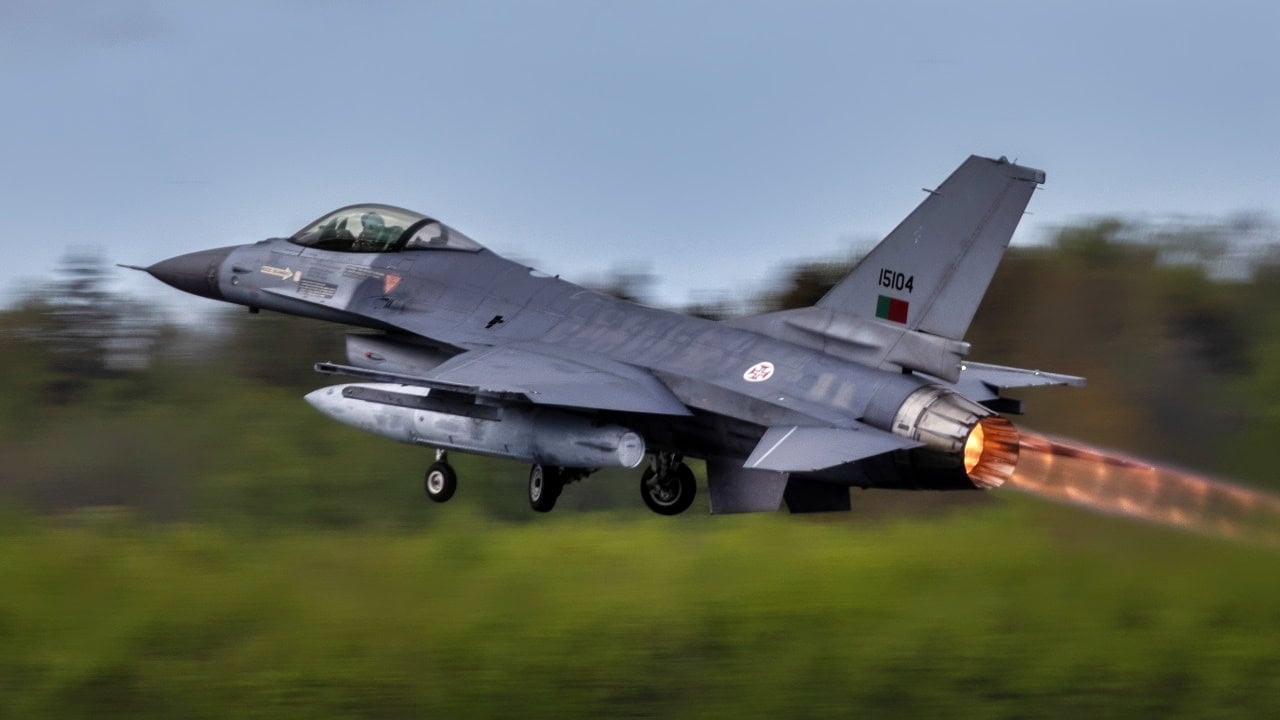
On Friday evening, four NATO fighter jets took off within minutes: two Italian Eurofighters from Šiauliai in Lithuania, two Turkish F-16s from Ämari in Estonia. Their target was not a Russian bomber — but a single drone that had entered Latvian airspace during Ukrainian attacks on Russian ports. A drone, the ownership of which no one could say for certain. The alliance has no answer for this. It only has jets.
What Happened on Friday
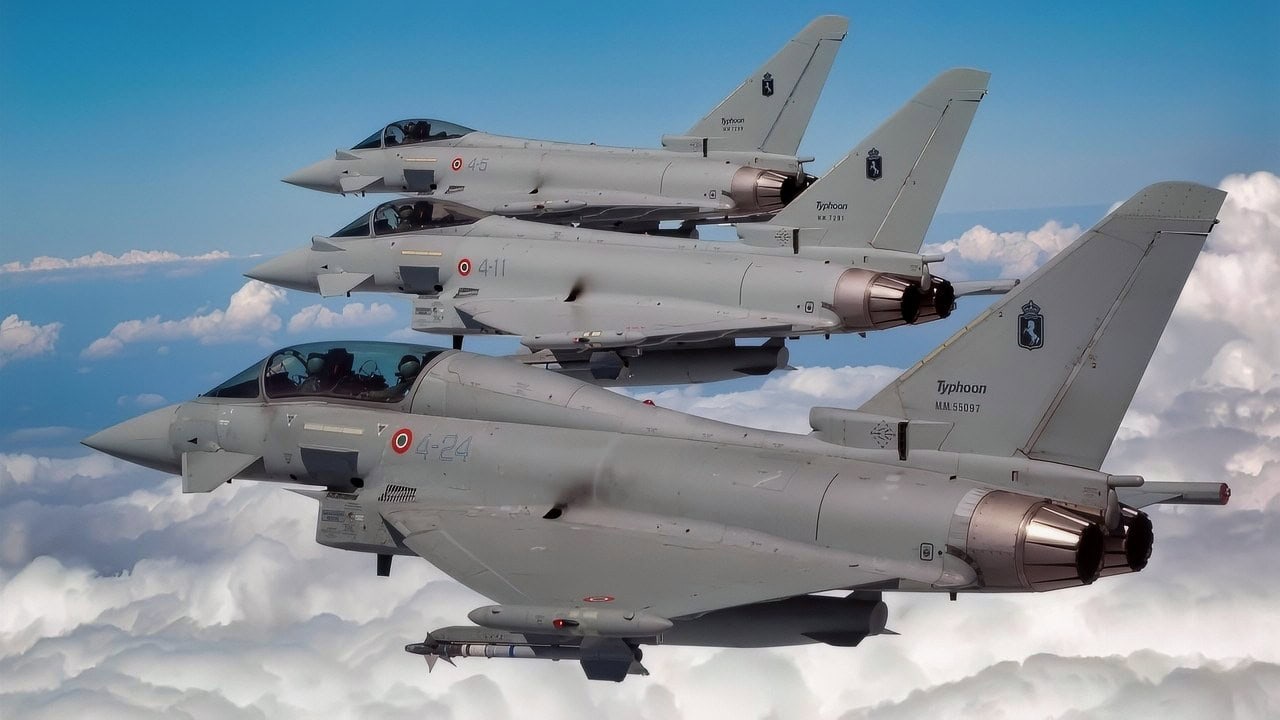
NATO spokesperson Allison Hart confirmed the deployment: Two Italian Eurofighters and two Turkish F-16s were alerted after a drone crossed the border into Latvia. The context was remarkable: Ukraine was carrying out deep strikes against Russian port and military targets that same night — including the oil terminal at Sheskharis on the Black Sea (around 700,000 barrels daily throughput), the missile and aerospace site in Samara (about 900 kilometers from the Ukrainian border), and the military airfield at Sawasleika, where MiG-31 interceptors armed with Kinzhal missiles are stationed. The drone over Latvia was very likely part of this Ukrainian wave of attacks — an ally whose weapon flew over NATO territory to strike a third country.
On the same night, Romania reported four separate incidents involving drone wreckage on its territory — debris from Russian attack drones that had drifted into Romanian airspace during attacks on Ukrainian port infrastructure. The Ministry of Defense in Bucharest emphasized that there was no increased danger to the population. Four wreckage finds in one day, four jets in one evening: The alliance's airspace has become the transit corridor of this war.
The Costs of the Sky — and Their Asymmetry
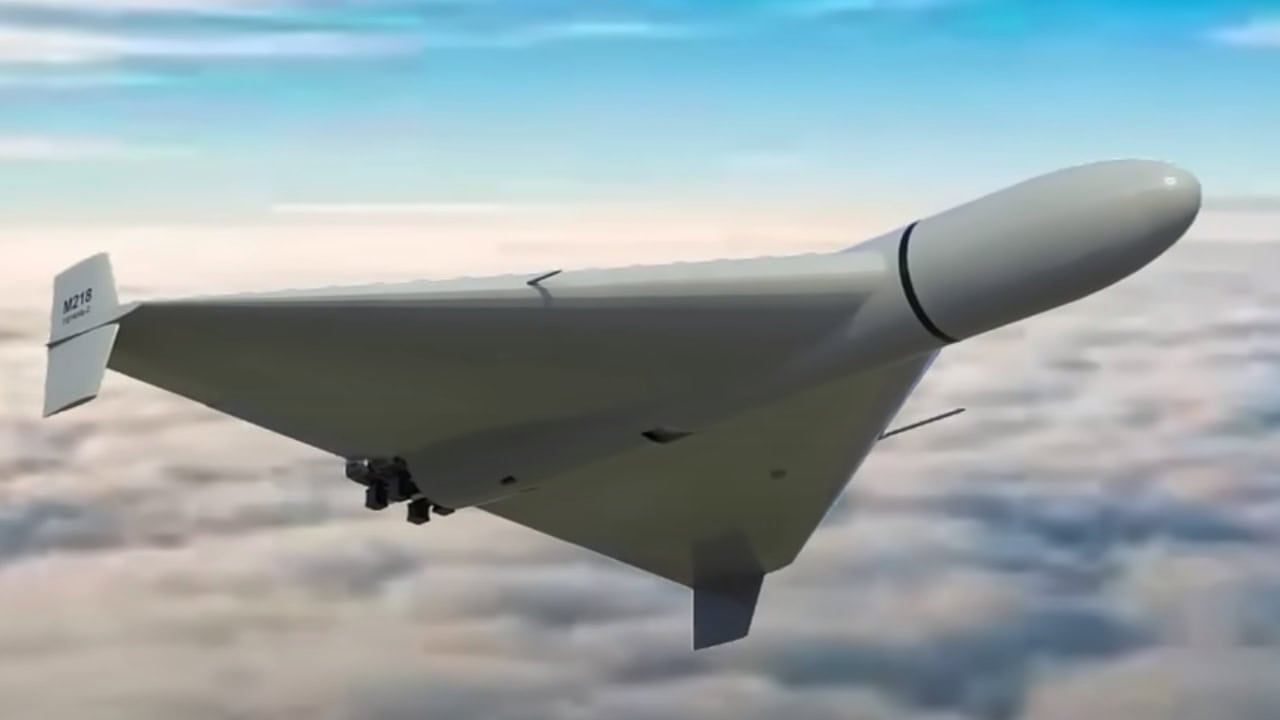
The military logic of the deployment is hard to defend. A QRA (Quick Reaction Alert) interception mission with two Eurofighters costs a six-figure sum per hour of operation; a Shahed drone, as used by Russia, costs between $20,000 and $50,000. Thus, NATO was hunting on Friday with the most expensive tool it possesses, the cheapest target of the war. This is not an indictment of the pilots — it is an indictment of the system. The alliance's airspace monitoring is a Cold War institution: built for a defined adversary, for the Russian bomber with a clear signature, clear route, and clear attribution. For a drone that is small, slow, cheap, and ambiguous, there is no operational doctrine.
The Attribution Problem
The crucial question after the deployment is not whether the jets fulfilled their mission — but what decision rule would have applied if the drone had been intercepted. Whose drone was it? If Ukrainian: the downing of an ally — politically impossible, legally tricky, a gift to Moscow's propaganda. If Russian: the downing of an aggressor — militarily legitimate, but an escalation that no one has authorized. For this question, NATO has no common answer. The rules of engagement for air policing are national, the command structures are divided, and attribution is left to the individual case. Whoever launches four jets without knowing what they are allowed to do with the target once they reach it has no strategy — they have a reflex.
A Framework for the Gray Area is Missing
This is precisely the gap that the American intelligence community described in its warning of a possible Russian NATO test between 2026 and 2029: The alliance has plans for the big war that no one wants to start — and none for the provocation that can come every day. The drone over Latvia is a textbook example: it costs almost nothing, it is conceivable, and it forces the alliance into a reaction that is either disproportionate or underwhelming. Any use of fighter jets against a $50,000 target is disproportionate; any non-reaction establishes a precedent that Moscow will capitalize on. In between lies the gray area where the alliance should be institutionally at home — and it is not.
What is Missing — and What Must Not Be Missing
The solution is not more Eurofighters. It is a common decision rule for drones in alliance airspace: clear attribution criteria, clear escalation thresholds, clear responsibilities — supplemented by a cost-efficient defense architecture of electronic warfare, laser weapons, and inexpensive interception systems instead of fighter jets against plastic drones. Some members already have such capabilities; no member has translated them into a common framework. The EU has stimulated production with its funds. But the decision rules governing the use of this production remain national.
“NATO has rules of engagement for the war that no one wants to start — and none for the drone that can come every day. As long as it does not decide whose drone over Riga is an attack, it will continue to launch four jets against a target that costs a hundredth of a jet.”
Conclusion
Friday evening over Latvia was not an incident — it was a status report. Ukraine is waging its war with drones, Russia its own with drones, and NATO is responding with fighter jets whose rules of engagement were written for an era that no longer exists. July was the deadliest month for Ukrainian civilians since the beginning of the invasion: 437 dead, more than 2,600 injured, including 17 children. On the night of Saturday, Russia launched 152 Shahed drones against Ukraine. The war has long been a drone war — only the alliance's air policing is not yet. Four jets for a drone are not the problem. The problem is that no one can say what the four jets should do if they reach their target.
Four NATO jets, including two Italian Eurofighters and two Turkish F-16s, were deployed to intercept a drone that entered Latvian airspace on Friday evening during Ukrainian attacks on Russian ports. The drone's ownership remains uncertain, but it is likely linked to Ukrainian operations. Romania reported multiple incidents of drone wreckage on its territory, indicating the broader implications of drone warfare in the region. NATO's response highlights a lack of clear operational guidelines for such scenarios.
- Four NATO jets were scrambled to intercept a drone over Latvia.
- The drone likely belonged to Ukraine, coinciding with attacks on Russian targets.
- Romania reported four incidents of drone wreckage on its territory.
- NATO lacks a clear operational doctrine for drone incursions.
- The use of expensive jets against low-cost drones raises strategic concerns.