
Military Time: What Kind of Army is Japan Building? The Expansion Ambitions Hidden Beneath Anime Covers
August 15, 1945, is the day of Japan's unconditional surrender. On that day, the Japanese Emperor announced the unconditional surrender through a broadcast of the "Imperial Rescript on the Termination of the War." What is the Japanese government doing 81 years later? Is it repenting for war crimes and apologizing to the victims? Unfortunately, it is not; instead, it is amending the pacifist constitution, increasing the defense budget, and deploying offensive weapons. What kind of military is Japan building? How offensive is the so-called "counterstrike capability"? From weapon imports to weapon exports, how far does Japan want to take the arms business?
Japan's defense budget hits a new high
Using anime covers to mask military expansion ambitions
According to a report by Kyodo News on August 7, in the preparation of the budget for the fiscal year 2027, the Japanese Ministry of Defense plans to request approximately 8.9 trillion yen from the Ministry of Finance, a record high. A senior Japanese government official stated that the final scale of Japan's defense budget for the fiscal year 2027 could reach 10 trillion yen.

On August 4, the Japanese government officially released the 2026 version of the "Defense White Paper," which deliberately distorts the surrounding security situation and exaggerates the so-called "external threats" to lay the groundwork for its military expansion.
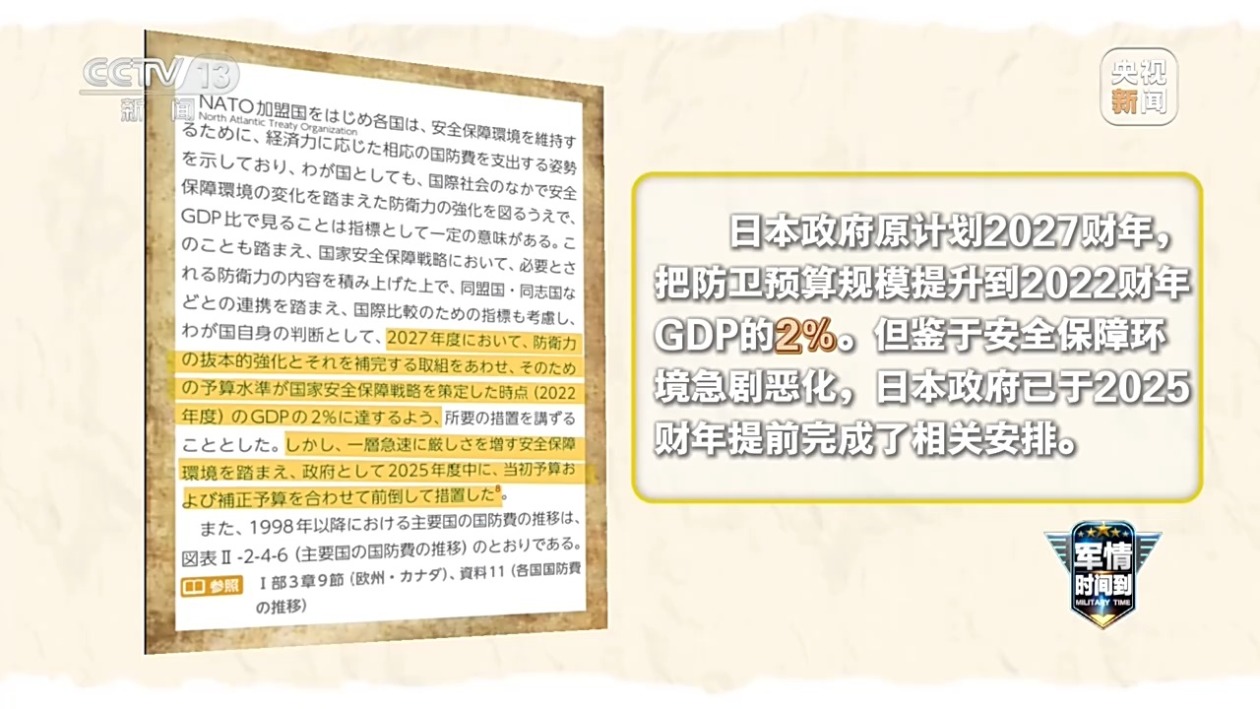
The new "Defense White Paper" states in the section on "Defense-related Expenses" that the Japanese government originally planned to raise the defense budget to 2% of the GDP for the fiscal year 2027. However, given the rapid deterioration of the security environment, the Japanese government has already completed the relevant arrangements ahead of schedule in the fiscal year 2025. The white paper also mentions that recent budget increases are focused on equipment procurement and cutting-edge technology research and development.
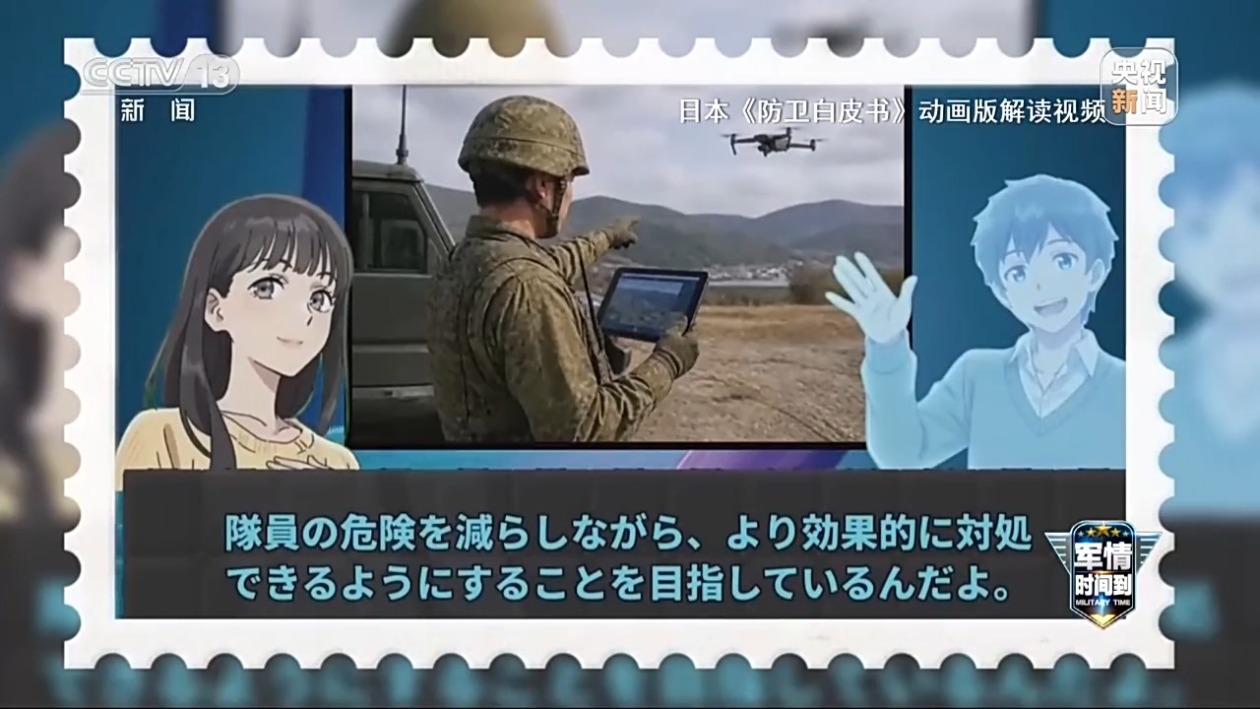
It is worth noting that the more Japan expands its military, the more it avoids and conceals this in its propaganda. The new version of the "Defense White Paper" downplays military attributes in its promotion, adopting a strategy that combines anime, internationalization, and youth appeal. In addition, the Japanese Ministry of Defense has also released anime promotional short films, produced interpretation videos in both Chinese and English, and continues to release a children's version of the "Defense White Paper" aimed at elementary school students nationwide.
Host: The new version of Japan's "Defense White Paper" begins by characterizing the current security environment as the most severe and complex since the war, stating that serious situations that could shake the foundations of the post-war order may occur in East Asia. Isn't this just a case of the thief crying "stop thief"? Why is the Japanese government now trying to exaggerate the crisis?
Military Observer Wei Dongxu: The host's description of the thief crying "stop thief" is indeed very accurate. Many Japanese citizens still have memories of the atomic bomb explosion. They understand what large-scale conflicts and wars mean, so they are very averse to such radical military strategies from politicians like Sanae Takaichi. Moreover, they also organize protests and demonstrations to express their dissatisfaction. So how does the government counter domestic pacifist sentiment and anti-war public opinion? The strategy chosen by the Takaichi government is to smear neighboring countries, create a narrative of a military threat from China, and create an atmosphere of war to intimidate the domestic populace into supporting Japan's provocative military expansion. The second, more dangerous goal can even be described as more sinister. In the new version of the "Defense White Paper," there is another keyword: preemptive strike. It is clear that there is an ambition and scheme to provoke conflict and war.
Host: One reason for the Takaichi government's exaggeration of the crisis is to gain public support, so that the public will willingly open their wallets to support military expansion. The new white paper includes a provision to impose a special defense income tax starting in January 2027, with a personal tax rate of 1%. Doesn't this add a burden to the lives of ordinary citizens?
Military Observer Wei Dongxu: That is indeed the case, because the Takaichi government wants to strengthen the offensive combat capabilities of the Self-Defense Forces, which will require a significant amount of money. Within the framework of the defense budget, there may still be a lack of funds, so what to do? They will have to take money from the pockets of ordinary citizens. Currently, there are still some economic issues in Japan. If taxes are increased on the Japanese populace, it will first convey a sense of widespread fear. These Japanese citizens will certainly have more worries about war in their hearts, and it will also increase the burden on ordinary Japanese people. Now it is 1%, but once Japan is truly prepared for war, it may not just be 1%.
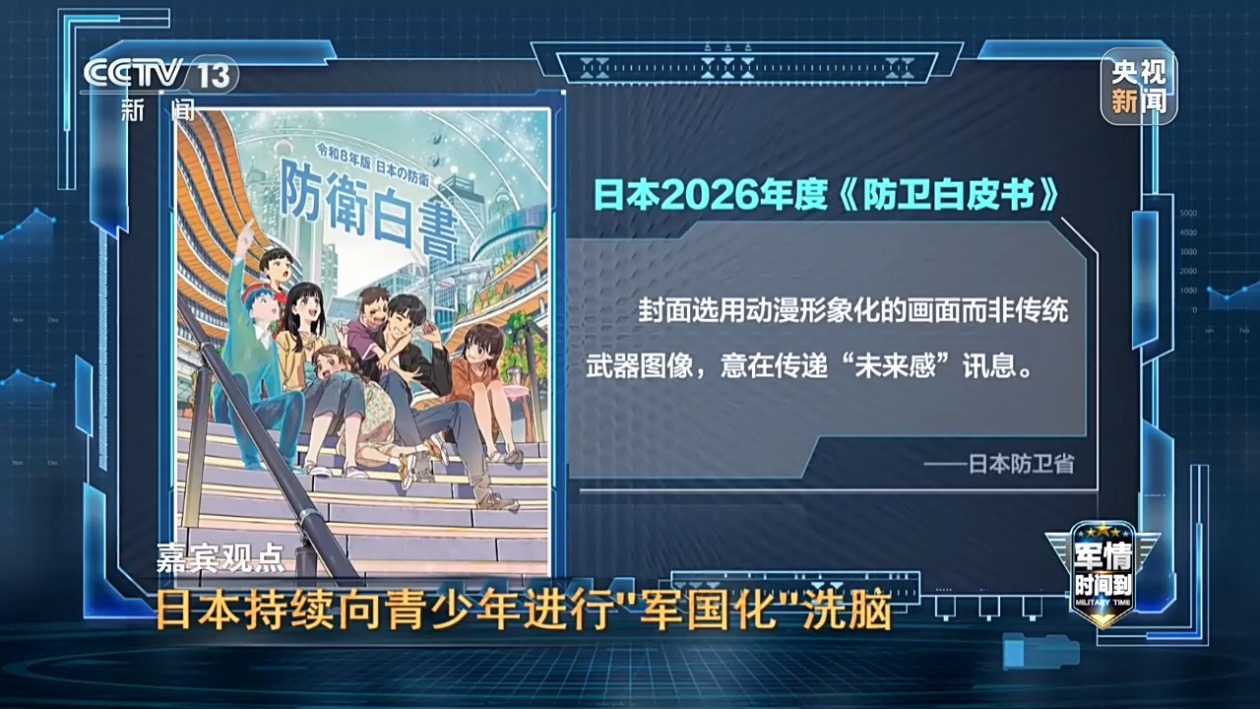
Host: If you look at the cover of the new version of the "Defense White Paper," it is indeed very deceptive. The comic style has no military color at all, and since 2021, the Japanese government has specifically prepared a children's version of the "Defense White Paper" to promote it to elementary school students nationwide. What kind of propaganda strategy is this?
Military Observer Wei Dongxu: This is a very sinister packaging, largely aimed at influencing the thoughts of these young people and students. It is a form of militaristic brainwashing. Previously, when Japan engaged in such operations, it sparked large-scale aggressive wars in the Asia-Pacific region. What is the ultimate goal of such operations? I believe many people already have a clear answer in their hearts. Many young people in Japan are unwilling to join the Self-Defense Forces because they know that the current foreign policy of the Japanese government has become very dangerous. These young people in Japan do not want to join the Self-Defense Forces; they want to stay away from war and conflict. After the appearance of this "Defense White Paper," the criticism within Japan should be increasing.
Pursuing "Enemy Base Attack Capability"
Massive deployment of offensive weapons
To fund military expansion, the Japanese government is not hesitating to impose taxes on its citizens. How will such a large sum of money be used? The new version of the "Defense White Paper" does not shy away from stating that it aims to turn the capability to attack enemy bases from a paper plan into actual weapon deployment.
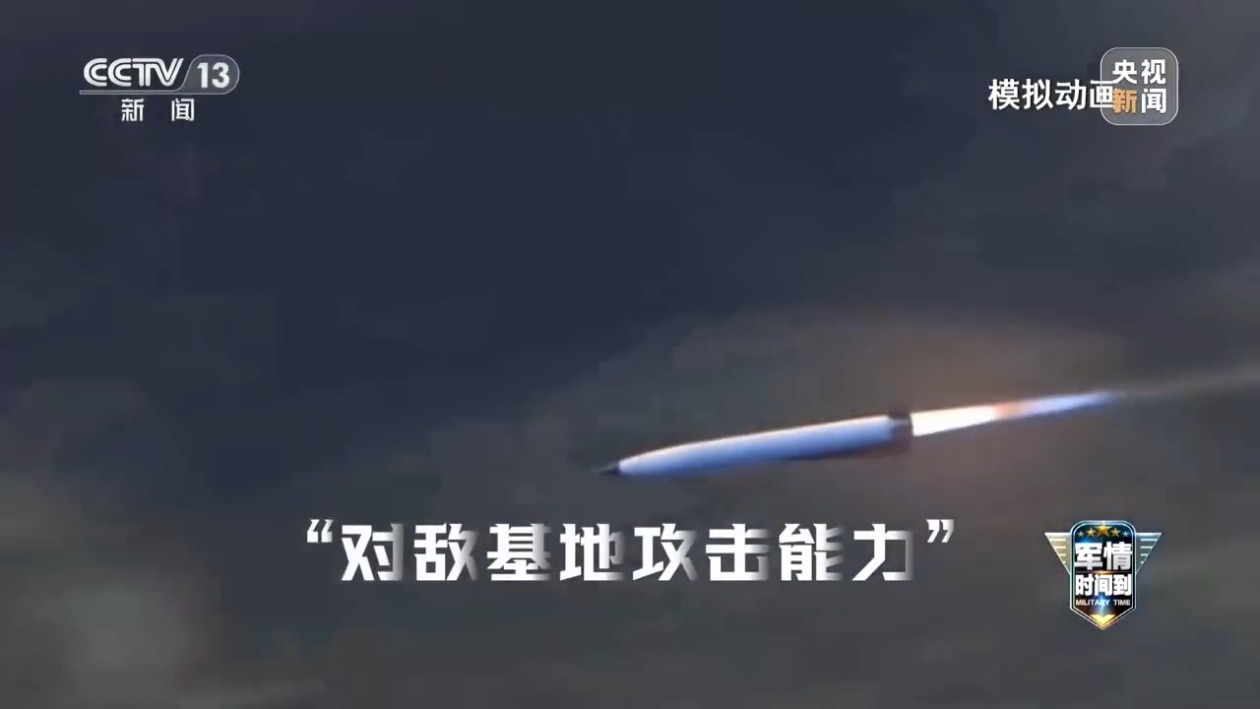
The new version of the "Defense White Paper" states: Japan must possess the capability to effectively retaliate against opponents through a missile defense network. Media reports from Kyodo News and others often use the more straightforward term "enemy base attack capability."
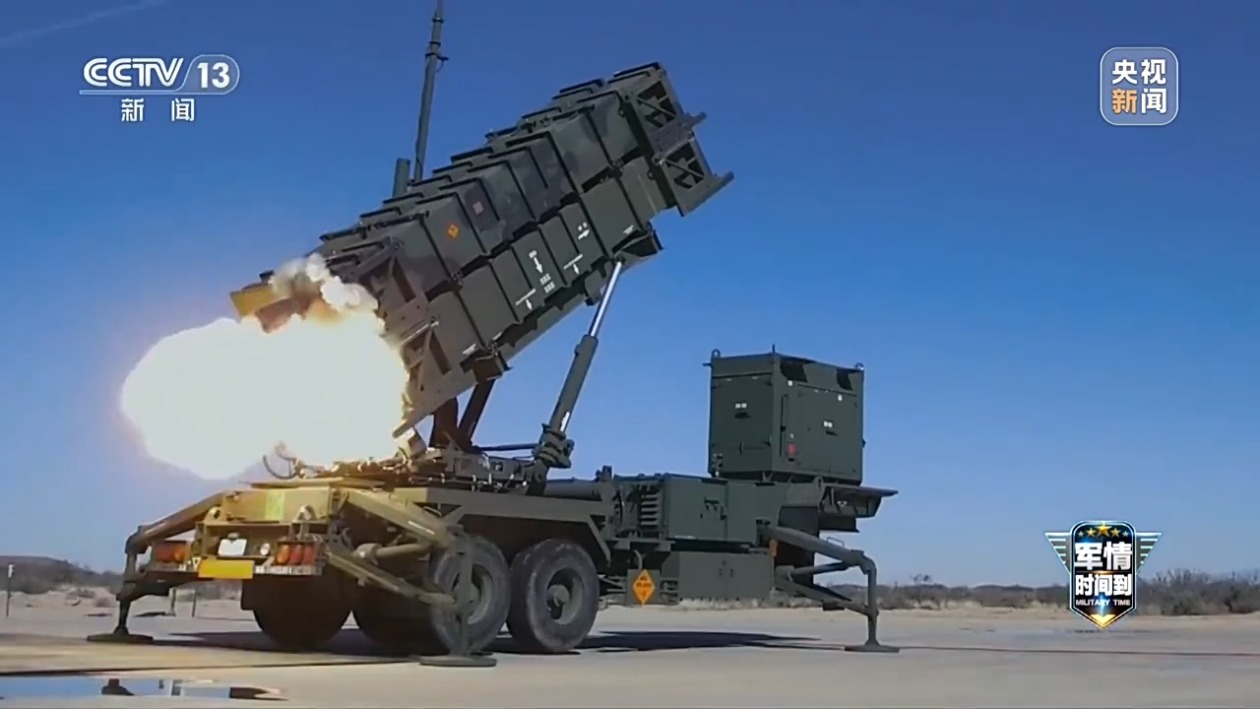
The new white paper frankly admits that to enhance its counterstrike capability, Japan will acquire foreign-made standoff missiles as soon as possible while accelerating the production and deployment of domestically produced standoff missiles.
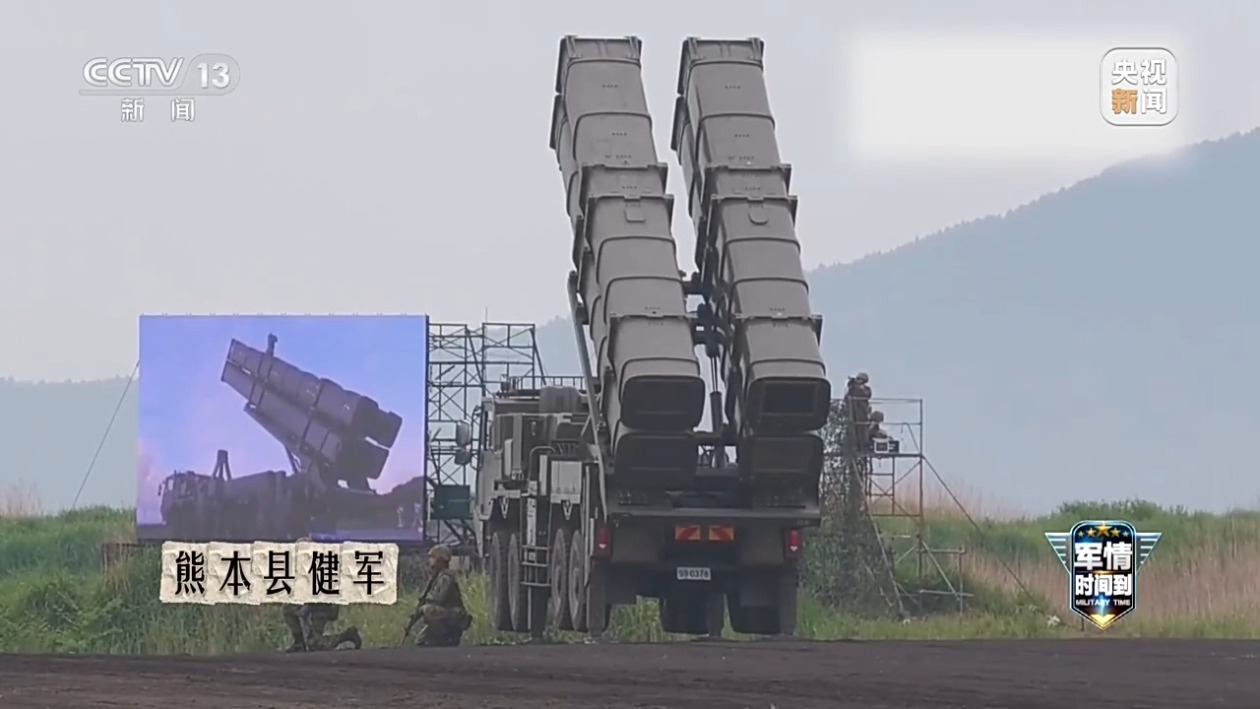
For example, Japan's self-developed "Type 25 Ground-based Anti-Ship Missile" was deployed to the Kengun garrison in Kumamoto Prefecture in March of this year. The "Type 25 High-Speed Glide Bomb," developed based on it, has also been deployed to the Fuji garrison in Shizuoka Prefecture, with plans to deploy it to the Kamifurano garrison in Hokkaido and the Ebino garrison in Miyazaki Prefecture by March next year. This is the first time Japan has deployed weapons with long-range ground strike potential since the war.
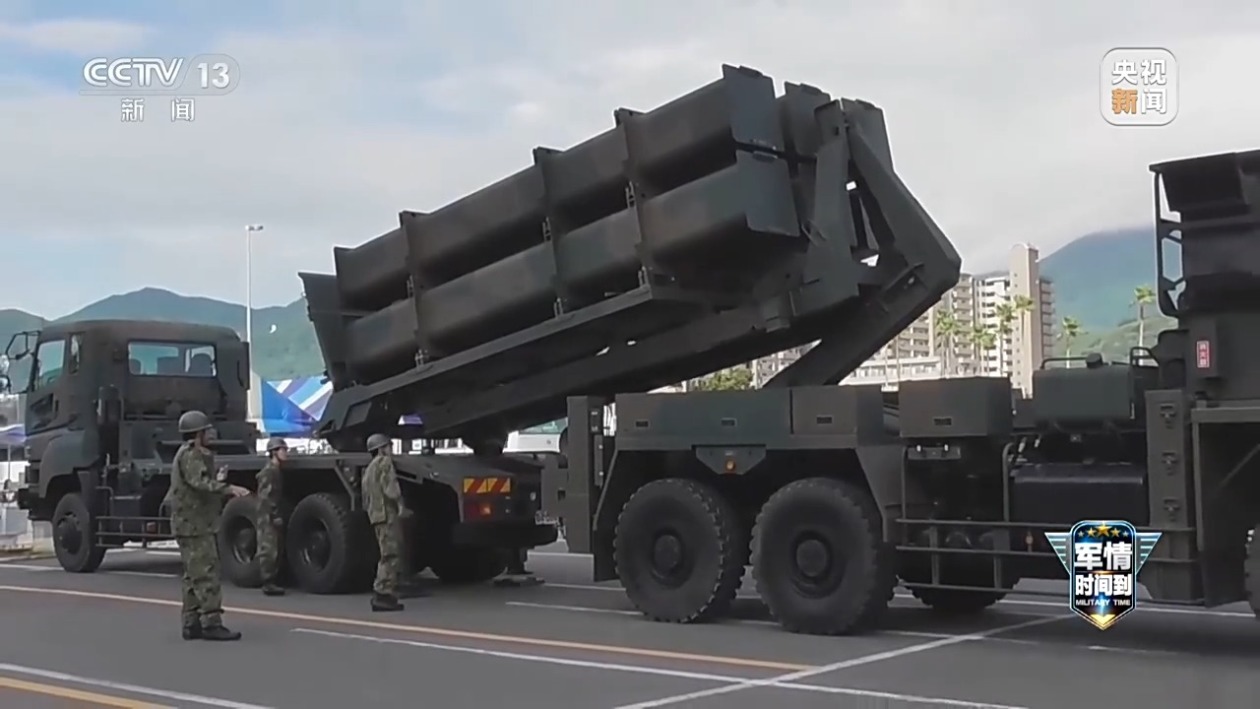
The "Type 25 Ground-based Anti-Ship Missile" is a land-based variant of the "Type 12 Anti-Ship Missile." According to Japanese media estimates, its initial range is about 1,000 kilometers, with plans to increase it to 1,500 kilometers while improving strike accuracy.
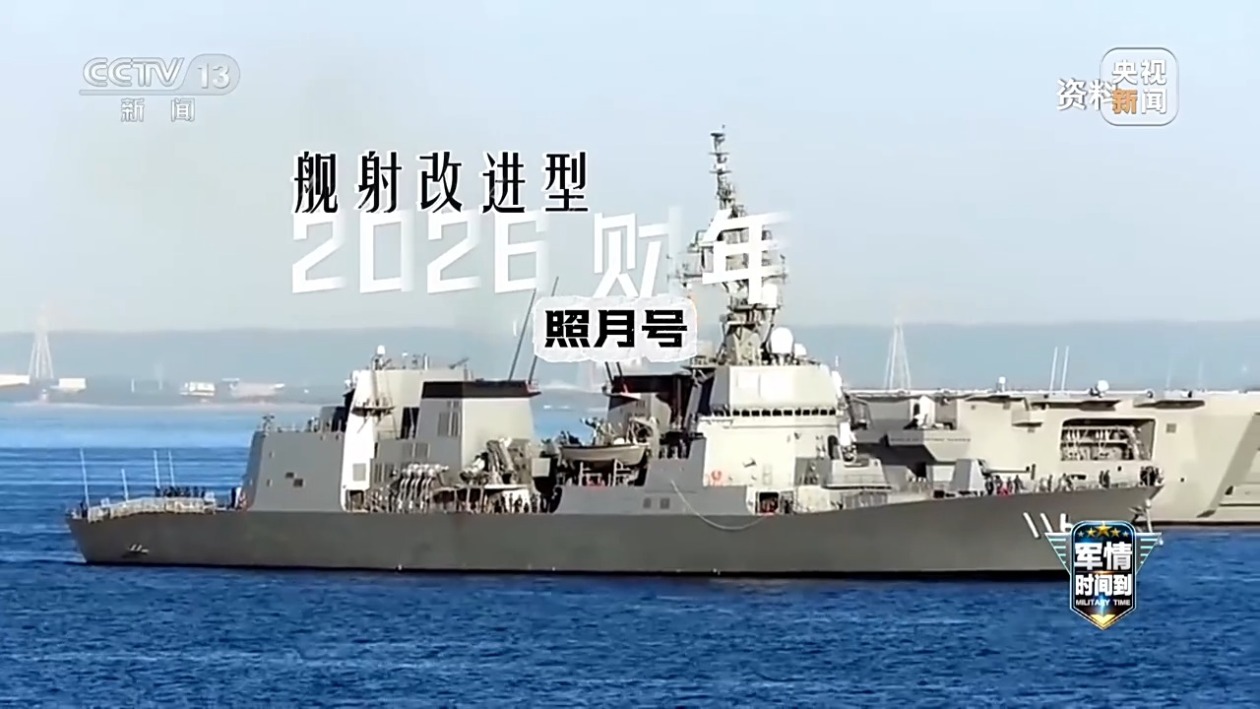
The "Type 12 Anti-Ship Missile" also has a ship-launched variant, which is planned to complete development in the fiscal year 2026 and will be deployed on the destroyer Shirakumo. Its air-launched variant is planned to complete development in the fiscal year 2027 and will be deployed on the modified F-2 fighter jets of the Japan Air Self-Defense Force.
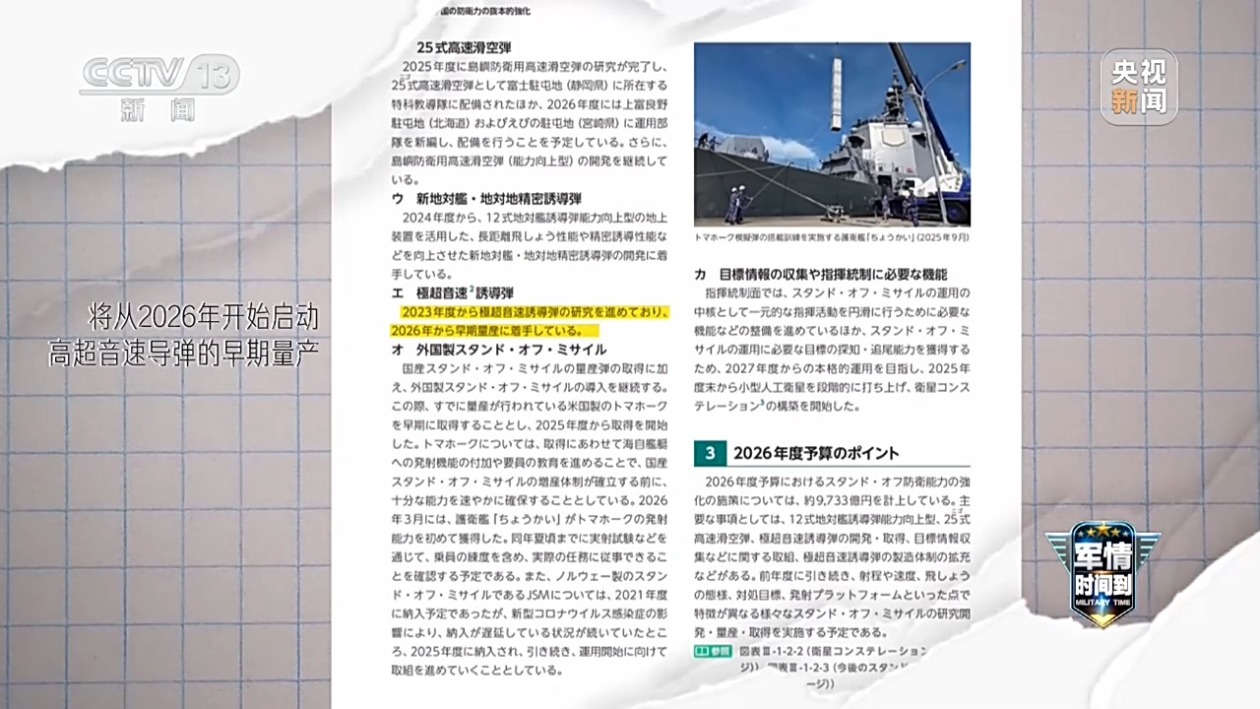
The new version of the "Defense White Paper" also states that Japan will start early production of hypersonic missiles from 2026. The hypersonic missile being developed by Japan is a scramjet-powered hypersonic cruise missile, adopting a "develop while early producing" model to compress the equipment cycle. However, by 2025, only ground tests of the scramjet engine and related basic technology verifications will be completed, and full missile live flight tests have not yet been conducted.
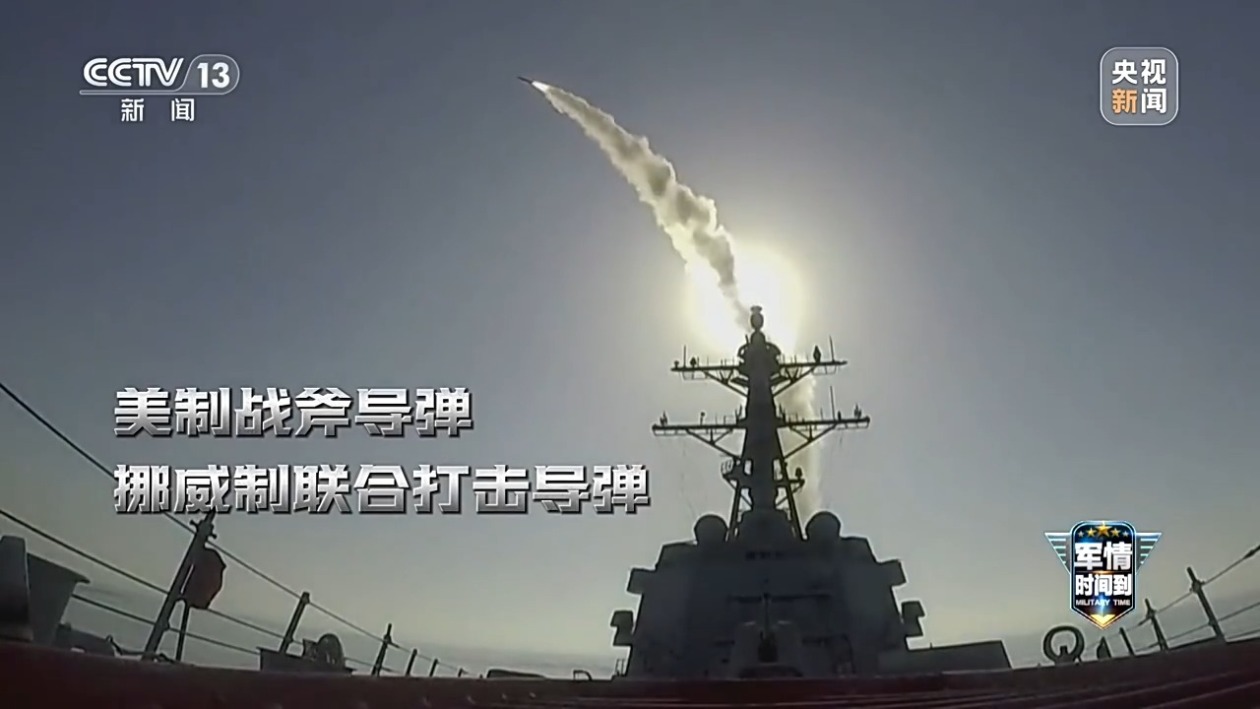
Meanwhile, Japan is also accelerating the introduction of U.S.-made Tomahawk missiles and Norwegian-made Joint Strike Missiles.
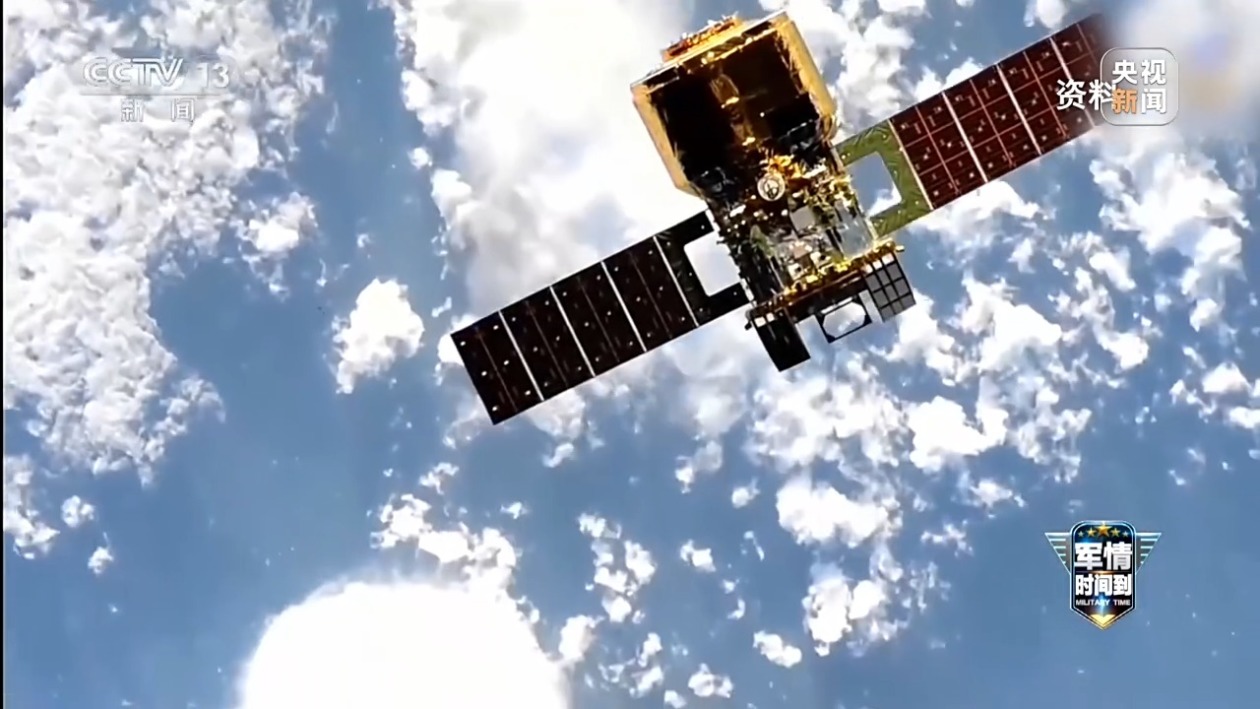
To acquire the target detection and tracking capabilities required for standoff missile operations, Japan will start satellite constellation construction work in March 2026—phased launches of small satellites are planned, with the goal of officially putting the satellite constellation into use by March 2028.
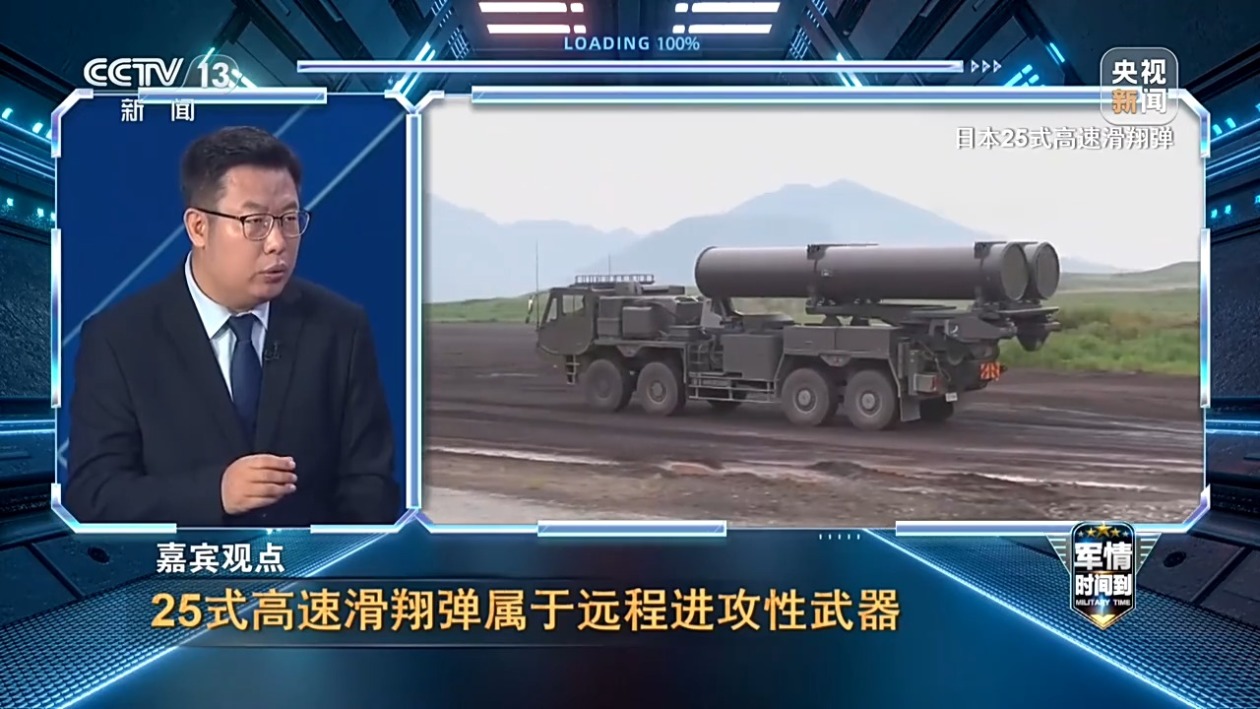
Host: The new version of Japan's "Defense White Paper" mentions several new types of weapons and systems. Let's first take a look at Japan's Type 25 High-Speed Glide Bomb, which it claims is for island defense. Is it really for defense?
Military Observer Wei Dongxu: Japan often packages its new weapons, especially offensive weapons, with so-called defensive attributes. If we look at the performance and operational mode of the Type 25 High-Speed Glide Bomb, we can understand that it is a typical, thoroughly offensive long-range fire strike system, executing offensive combat missions. The current Type 25 High-Speed Glide Bomb is the basic model, with a maximum range of about 600 to 800 kilometers. By around 2027, this Type 25 High-Speed Glide Bomb will be upgraded to BLOCK 2 technology level, at which point it will adopt a wave-rider warhead, with a final range exceeding 2,000 kilometers.
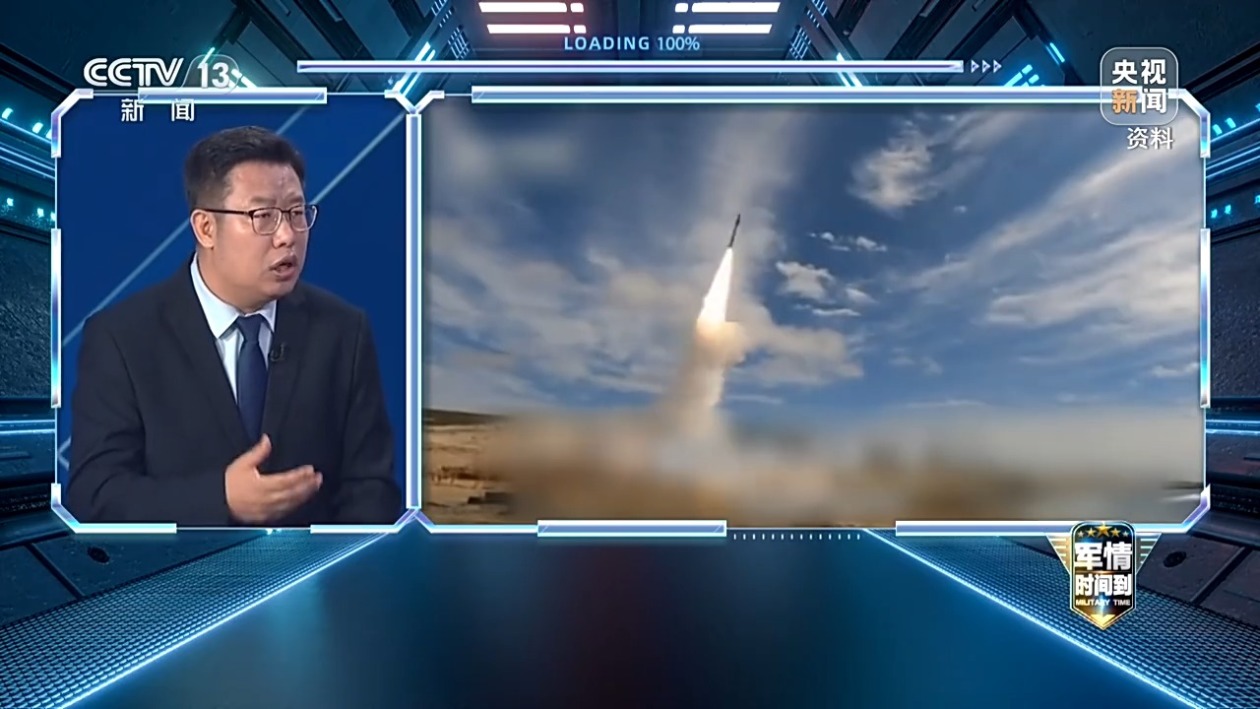
If it is for defending Japan's own islands, there is no need for a range of over 2,000 kilometers. Therefore, the Type 25 High-Speed Glide Bomb, including its improved versions, is a typical offensive weapon intended for preemptive strikes. Thus, the "Defense White Paper" should be seen as a declaration of war.
Host: It can now be said that Japan is rapidly enhancing its long-range fire strike capabilities. The Type 25 High-Speed Glide Bomb and the Type 25 Ground-based Anti-Ship Missile have already been deployed, and Japan has also test-fired the Tomahawk cruise missiles obtained from the United States. How strong is its so-called "counterstrike capability" in terms of offensiveness?
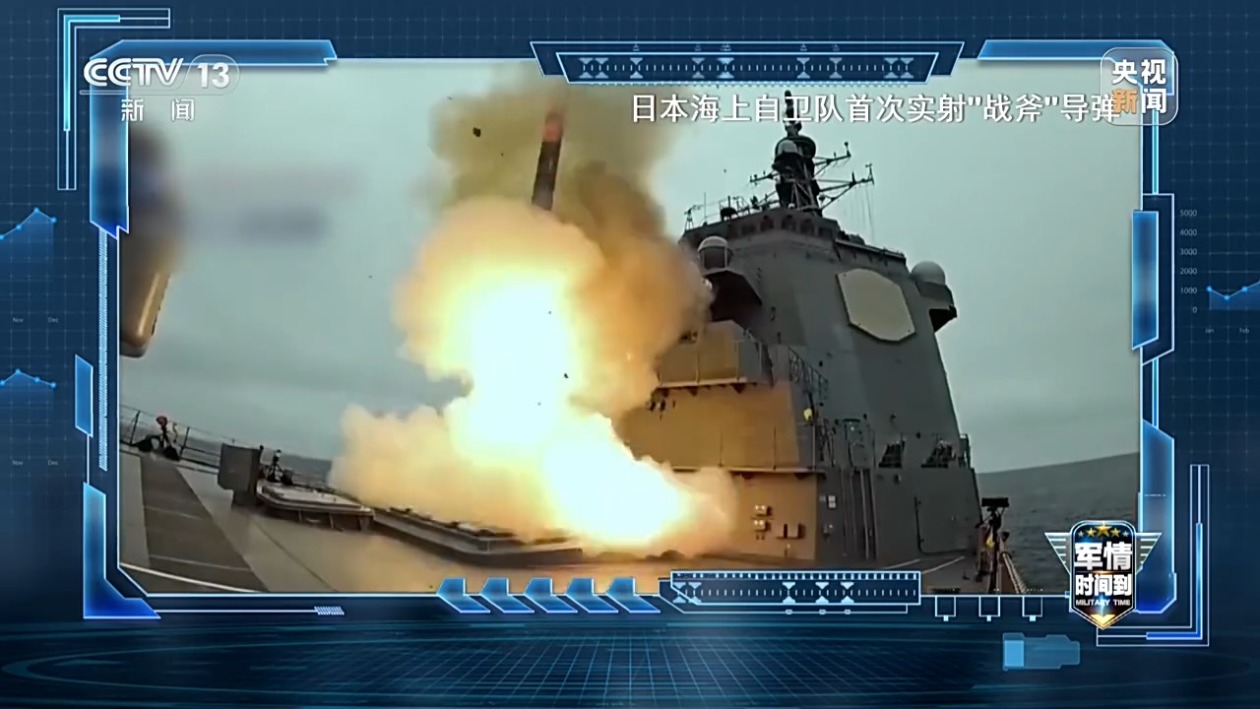
Military Observer Wei Dongxu: I believe Japan has actually formulated a three to five-year plan for enhancing its missile capabilities, walking on two legs. One leg is the domestically developed Type 25 Glide Bomb and Type 25 Anti-Ship Missile, which have just begun to be deployed, and their production capacity will take some time to increase. The other leg involves Japan purchasing hundreds of Tomahawk cruise missiles from the United States, primarily equipping them to the Maritime Self-Defense Force, thus combining domestic development and imports to quickly enhance its long-range fire strike capabilities. Therefore, Japan aims to conduct military interventions not only against neighboring countries and surrounding regions but also to extend its reach and execute military expansion actions in broader areas.
Host: The new version of the "Defense White Paper" also mentions hypersonic missiles, stating that Japan plans to start early production of hypersonic missiles from 2026. What is the current status of Japan's hypersonic missile development?
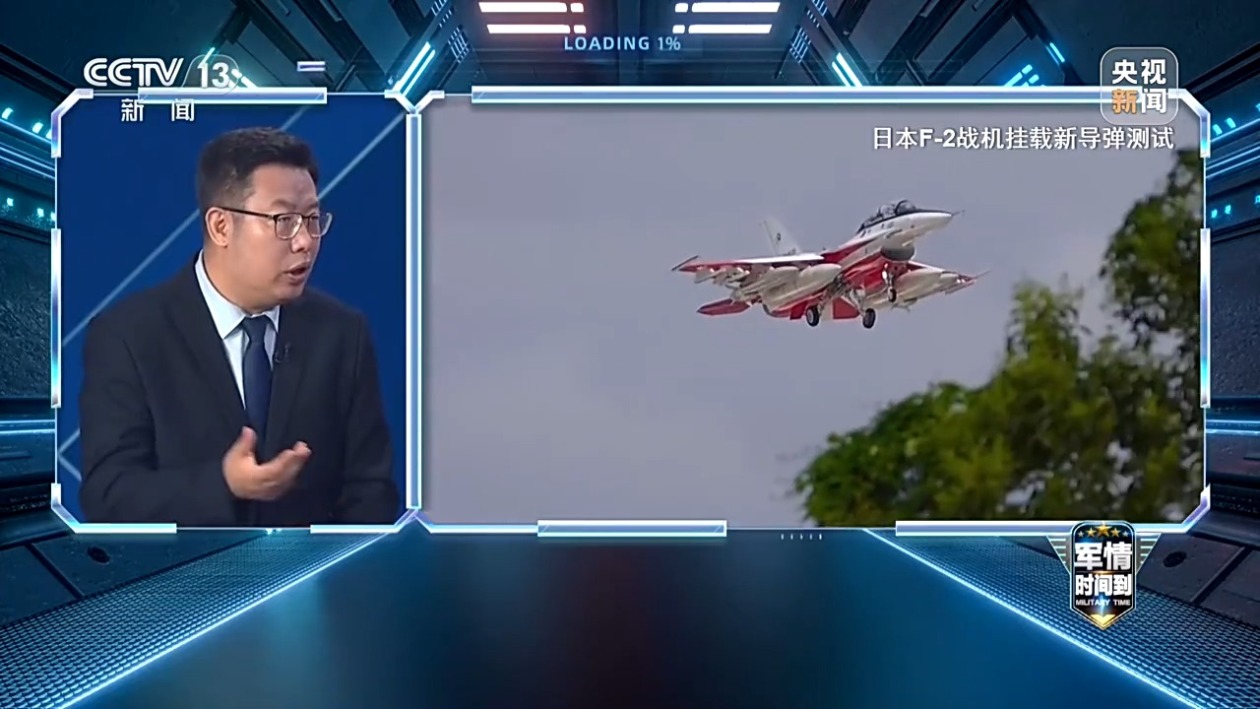
Military Observer Wei Dongxu: The Type 25 High-Speed Glide Bomb is a type of hypersonic missile, but it uses a rocket-assisted, gliding attack method. Japan believes that its technology is relatively simple, allowing for rapid development and large-scale deployment within the Japan Ground Self-Defense Force. The Air Self-Defense Force and Maritime Self-Defense Force will subsequently use hypersonic missiles, likely choosing hypersonic cruise missiles powered by scramjet engines, which are smaller in size and can be mounted on fighter jets or launched from vertical launch systems on large Aegis destroyers. Japan may be hiding the technology for these scramjet engines within some civilian research projects. When its hypersonic cruise missile program is ready to launch, it will quickly integrate the mature engines and missile projects. Then, it will claim to develop and produce simultaneously, ensuring that all three branches of the Self-Defense Forces have hypersonic missiles.
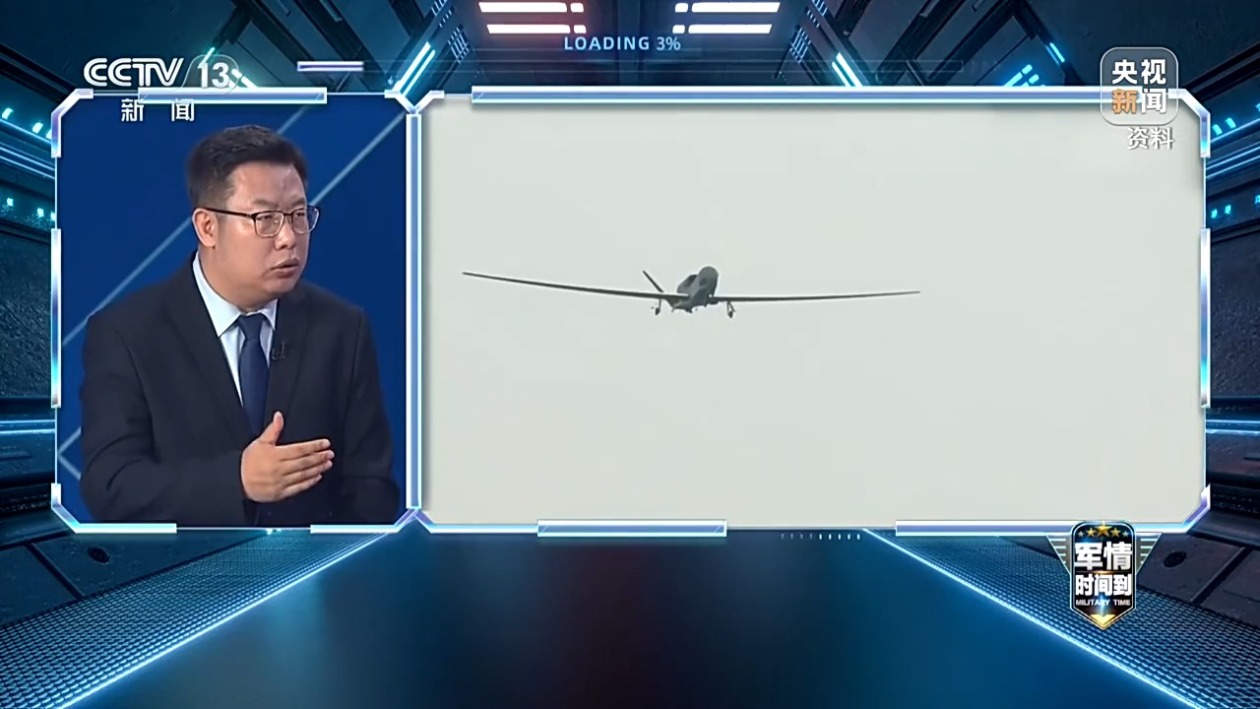
Host: Japan is also placing great emphasis on the development of space capabilities, with a timeline set to officially operate a small satellite constellation by the end of March 2028, claiming that the purpose is to provide target intelligence collection capabilities for its counterstrike capabilities. What kind of system is this aiming to create?
Military Observer Wei Dongxu: The farther missiles are fired, the greater the demand for information and intelligence. Japan is primarily strengthening its intelligence-gathering capabilities through two means. First, it is importing strategic-level drones and medium-altitude long-endurance reconnaissance drones from the United States, such as the Global Hawk and the Sea Guardian. However, to confirm targets in areas unreachable by drones, it needs to create a small spy satellite constellation system targeting the Asia-Pacific region. The number of satellites launched may not be large, but they will focus on reconnaissance and surveillance of neighboring countries and regions.
Host: To sustain this expensive long-range strike system and keep the military-industrial complex running, Japan has finally completely torn off the veil of not selling weapons. Let's take a look at how it has gradually reached this point.
Japan's military trade projects accelerate implementation
Opening up exports of lethal weapon products
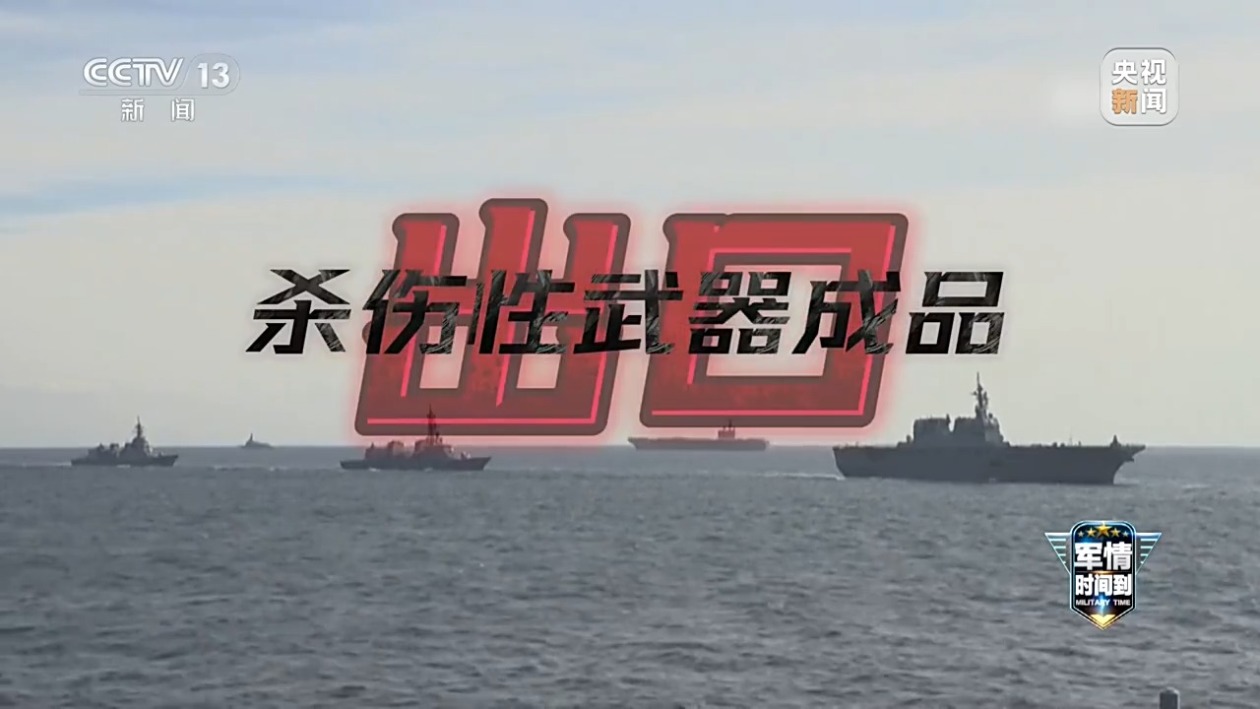
The significantly expanded defense industry content in the new version of the "Defense White Paper" clearly reflects the ongoing relaxation of Japan's arms export policy. For a long time, Japan adhered to a comprehensive ban on arms exports, only allowing the export of non-lethal logistical equipment such as helmets and tents; however, the policy began to gradually relax. In 2014, Japan introduced the "Three Principles on Transfer of Defense Equipment," which relaxed restrictions under the guise of "international transfer of equipment," achieving a key breakthrough in post-war military trade policy. In December 2023, Japan revised the three principles and operational guidelines again, essentially lifting the ban on the export of lethal weapon products, breaking the long-standing framework of military export restrictions adhered to since the war.
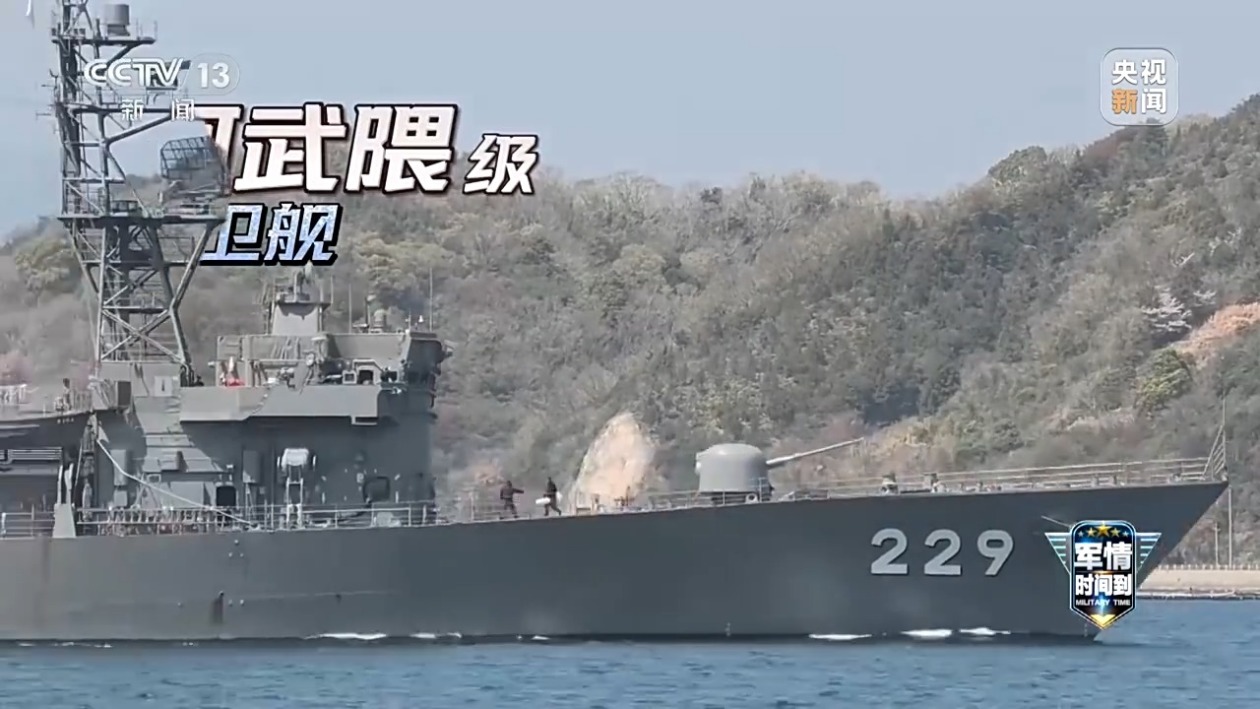
After the Takaichi cabinet took office, Japan's military trade projects accelerated implementation. Japan is promoting the export of "Aubukuma" class frigates to the Philippines, advancing cooperation on the export of "Mogami" class stealth frigates to Australia, and reselling "Patriot" air defense missiles to the United States to fill the inventory gap after U.S. consumption in the Middle East and the Russia-Ukraine battlefield. This series of actions not only boosts Japan's domestic military production capacity and technological upgrades but also continues to clear institutional obstacles, promoting the defense industry to transform into an outward-oriented model.
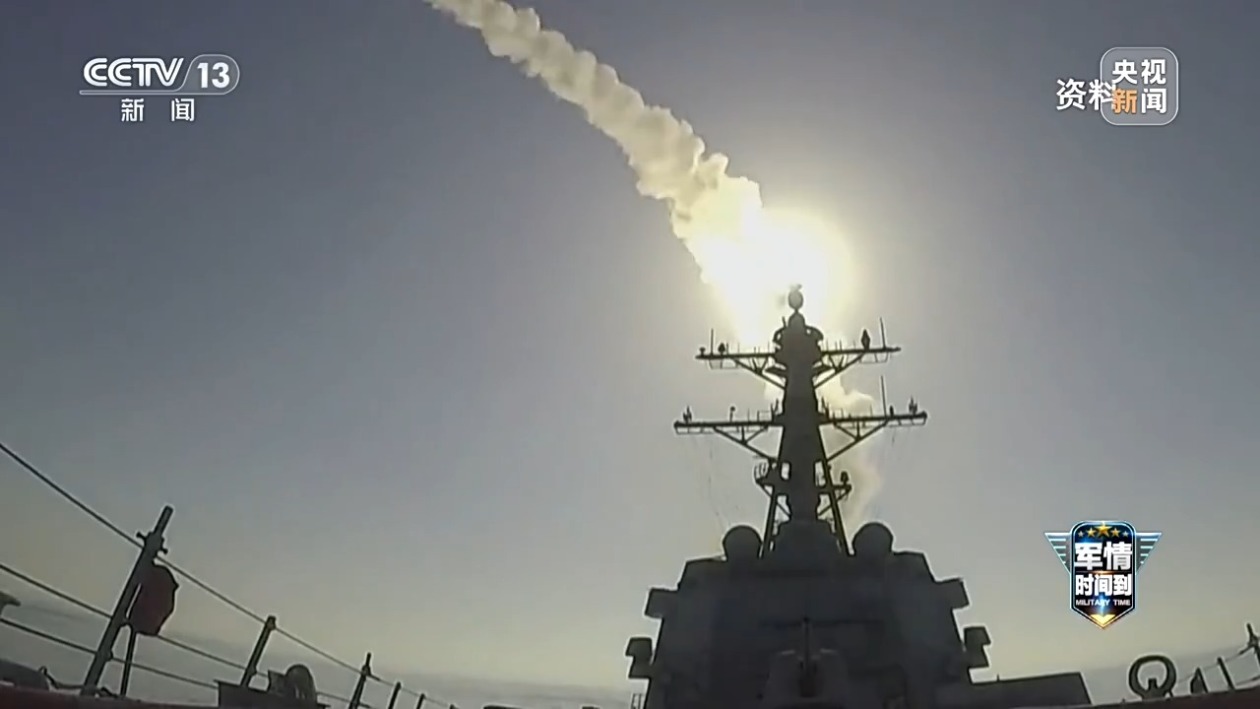
According to Kyodo News, on the morning of August 4, Japan's Defense Minister Nobuo Kishi reported to the cabinet on the 2026 version of the "Defense White Paper." He emphasized that it is crucial to strengthen the defense production and technological base to adapt to the new forms of warfare characterized by the widespread use of artificial intelligence and unmanned combat platforms. The U.S. Washington Post analyzed that Japan is drawing lessons from the Russia-Ukraine conflict and regional conflicts in the Middle East, prioritizing the independent development of unmanned combat platforms and planning to form combat capabilities in conjunction with medium- and long-range missiles.
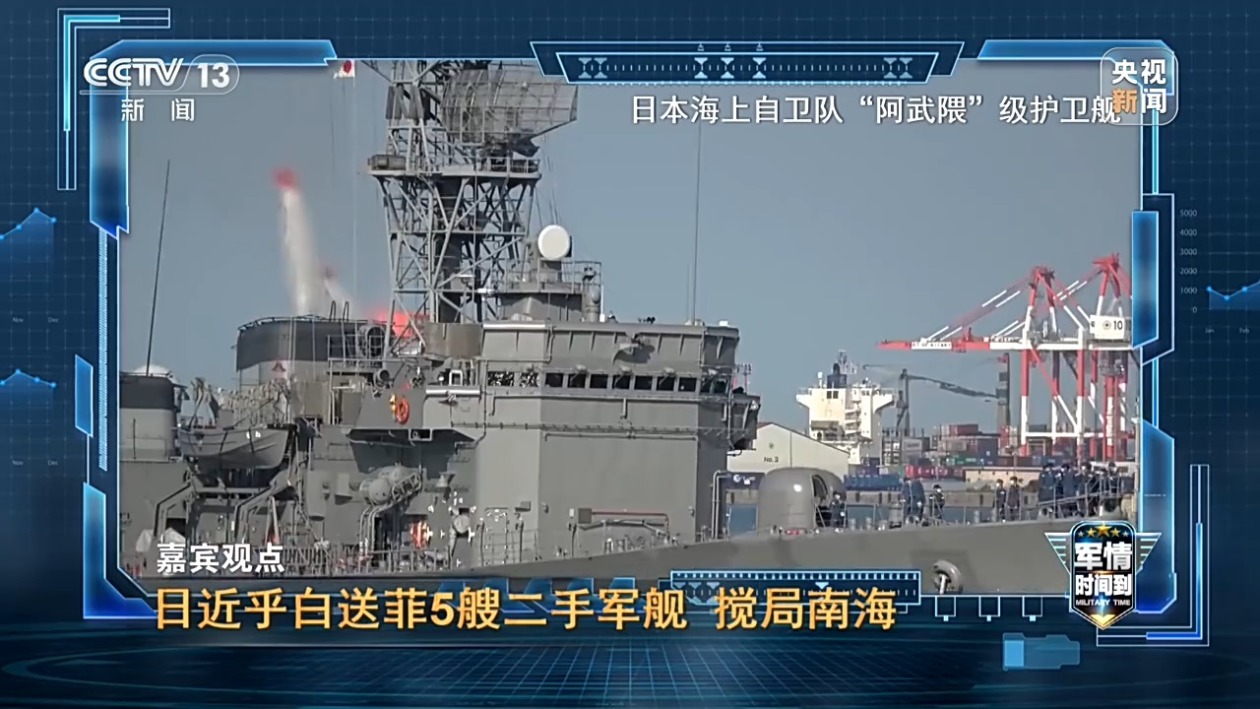
Host: Japan is not only exporting frigates to Australia but also plans to export five second-hand "Aubukuma" class frigates to the Philippines. What ulterior motives lie behind this single arms deal?
Military Observer Wei Dongxu: Japan is essentially giving away five "Aubukuma" class frigates to the Philippines. The "Aubukuma" class frigates have several characteristics that are suitable for stirring up trouble in the South China Sea. They have strong anti-ship firepower, are not very large in displacement, but are quite fast. This transfer or sale to the Philippines is not about making money for Japan; it is not an arms deal. Instead, it is providing Japan's old warships as a tool for provocation, handing them over to the Philippines to stir up trouble in the South China Sea and create problems for China.
Host: Japan is now also selling weapons to the United States, which may be unexpected for many. In 2025, Japan resold "Patriot-3" air defense missiles to the United States. What do you think of this reversal? Originally, the U.S. sold weapons to Japan, and now Japan is exporting weapons to the U.S.?
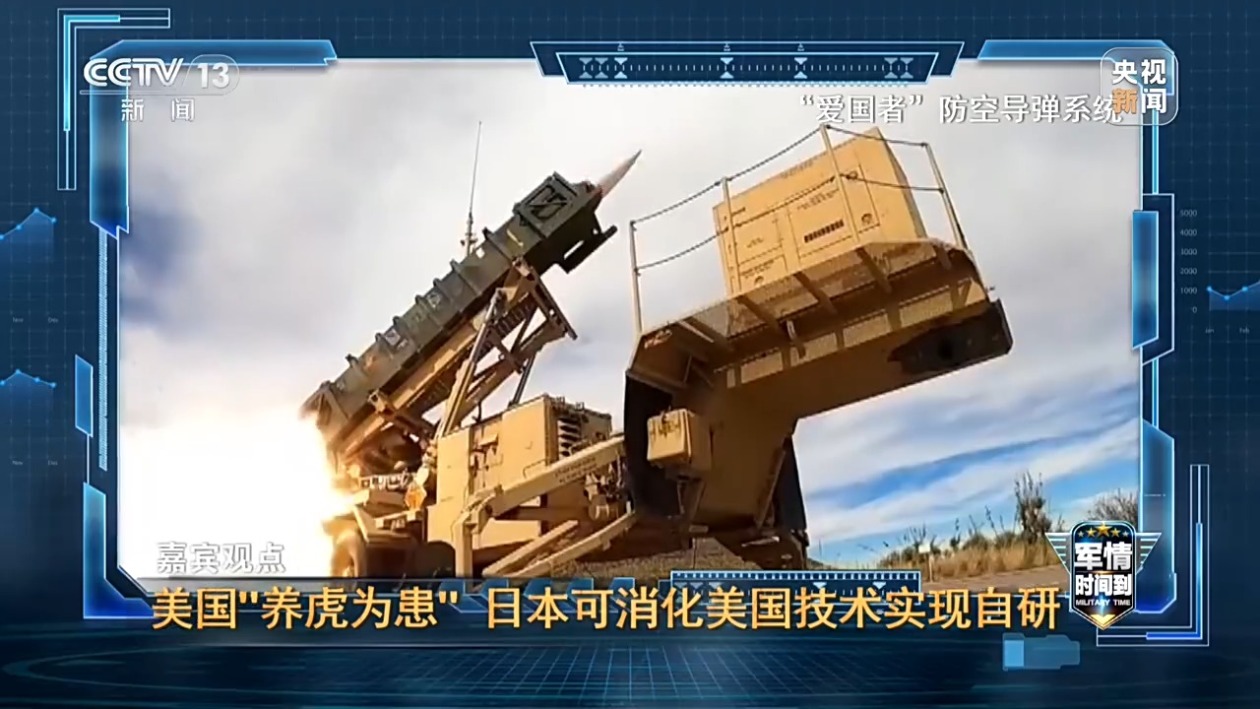
Military Observer Wei Dongxu: The U.S. provides advanced defense technology to Japan largely to "raise a tiger to trouble." In fact, Japan's missile development capabilities and its ability to digest technology and then reproduce it are quite strong. Since Japan has the capability to thoroughly understand and then introduce and convert the "Patriot" system for reproduction, it can apply a similar model to other technologies provided by the U.S. Therefore, Japan's utilization of its special ally relationship with the U.S., including comprehensive defense technology cooperation, may accelerate its re-militarization process, allowing the Self-Defense Forces to possess new offensive weapons that have longer ranges, greater power, and stronger penetration capabilities, all integrated with U.S. technology.
Host: The new version of the "Defense White Paper" also includes a chapter on new types of combat methods, stating that it will learn from the experiences of the Russia-Ukraine conflict and vigorously develop unmanned equipment and artificial intelligence. What kind of military is Japan trying to build?
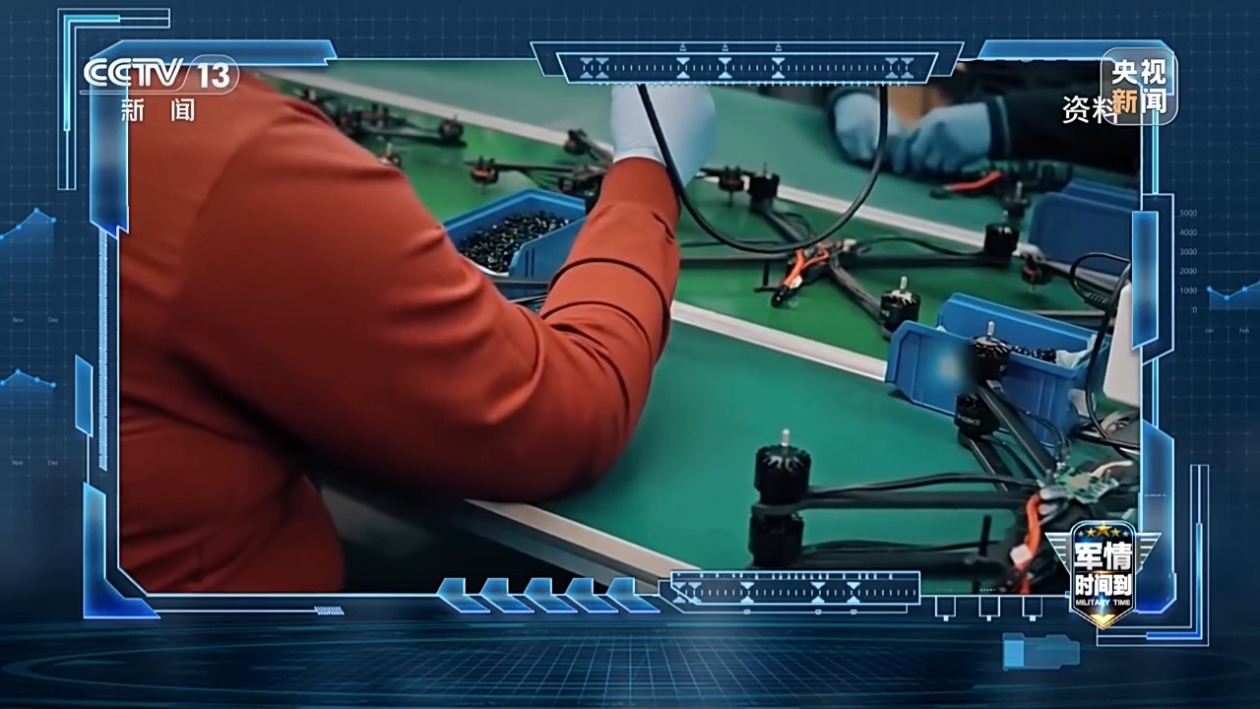
Military Observer Wei Dongxu: The Self-Defense Forces are now trying to build an unmanned, robotic offensive force, while still using the guise of defense to strengthen offensive capabilities. The Takaichi government has implemented a plan and scheme for Japanese companies to cooperate with Ukrainian companies to produce drones. Through technological cooperation and acquisition, Japan can directly obtain these combat drones that have been tested in actual combat in Ukraine, especially long-range suicide drones, and can immediately begin mass production using its own production lines.
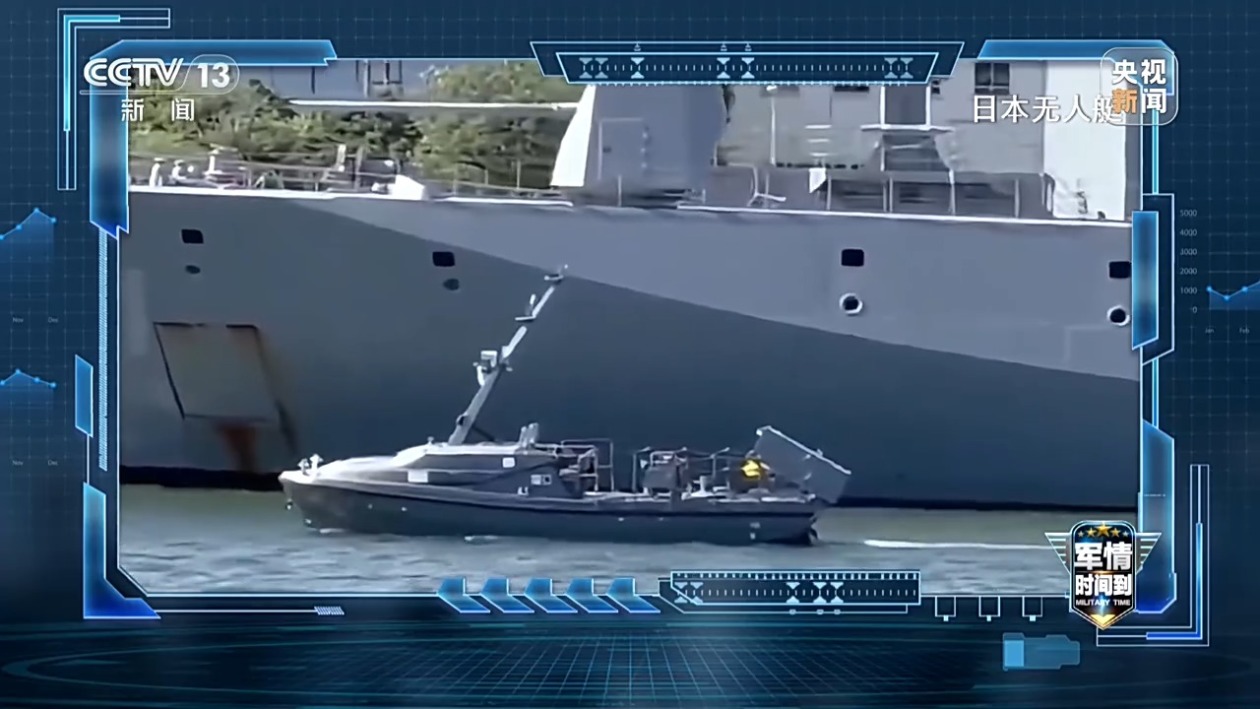
Including suicide unmanned boats, Japan is also referencing the use of suicide unmanned boats in the Black Sea region during the Russia-Ukraine conflict to create similar equipment. These suicide unmanned boats cannot be defensive weapons because they are meant for covert attacks, to use small forces to strike large ones, targeting other countries' large ships and warships for surprise attacks. Therefore, the so-called "defensive" unmanned combat platforms reflect the intention of planning offensively and preparing for war.
Host: Japan's current intentions and plans have almost reached a level that is known to everyone. What should the international community do?
Military Observer Wei Dongxu: More countries need to see clearly that Japan has not seriously reflected on its history. Moreover, militaristic forces are rising within Japan, and the "new militarism" has already taken shape, beginning to influence its foreign decision-making and the construction of its Self-Defense Forces. I believe this is the most dangerous situation. Once the thinking of "new militarism" completely controls the Ministry of Defense and the Self-Defense Forces, Japan may once again embark on the path of war, ultimately harming world peace and stability.
Host: From the 598-page "Defense White Paper" to the new record high defense budget; from offensive missiles with a range of 1,000 kilometers to the complete lifting of the ban on exporting weapons to various countries... these facts indicate that 81 years later, a complete offensive military system is taking shape in Japan.
Japan is set to increase its defense budget to 10 trillion yen by the 2027 fiscal year, focusing on developing offensive military capabilities. The new defense white paper highlights the need for enhanced missile systems, including hypersonic missiles. Additionally, Japan is loosening restrictions on arms exports and plans to implement a special defense tax to support its military expansion efforts.
- Japan plans to increase its defense budget to 10 trillion yen by 2027.
- The new defense white paper emphasizes the need for offensive capabilities.
- Japan is developing hypersonic missiles and enhancing its military technology.
- Japan is loosening restrictions on arms exports, including lethal weapons.
- The government is implementing a special defense tax to fund military expansion.