
Germany's €1.3 Billion Ukraine Pledge Tests Europe's War Endurance
 Alexandra Reeves
Germany's €1.3 Billion Ukraine Pledge Tests Europe's War Endurance
Europe keeps saying it is taking responsibility for Ukraine. Berlin now has to prove it can do so while Russia is actively trying to make responsibility unaffordable.
German Chancellor Friedrich Merz arrived in Kyiv under air-raid warnings and announced a new package of military and energy support. Reuters reported the military component at roughly €1 billion, while the Kyiv Post described a broader package worth €1.3 billion and up to €8.5 billion in defence-industrial agreements. The figures differ because they appear to count different parts of the announcement. The political message does not: Germany is trying to turn support for Ukraine from emergency charity into a long-term European security policy.
Berlin Is Buying Time, Not Victory
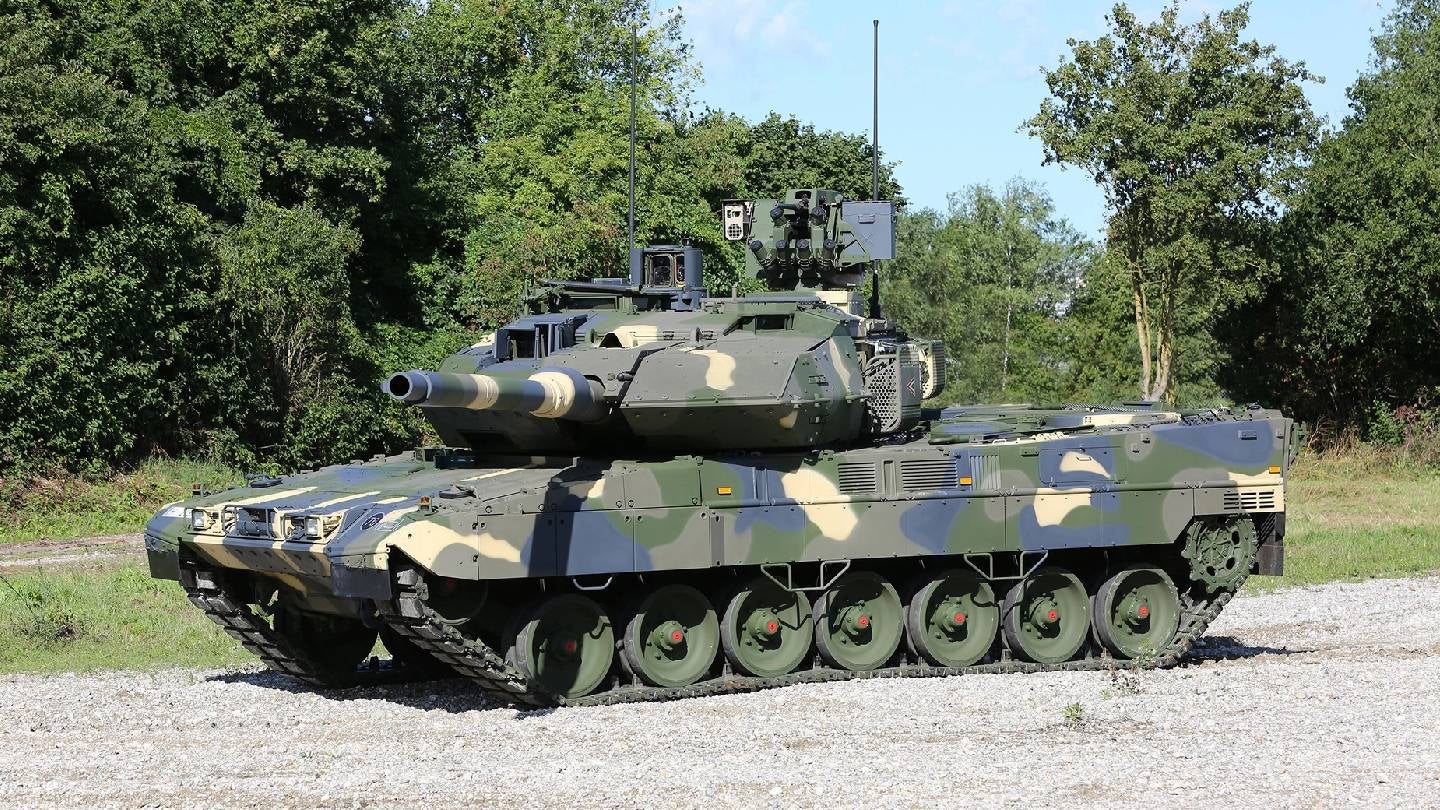
The immediate context matters. The Guardian reported that Russia was intensifying attacks on Ukrainian cities as Merz made his pledge. NPR separately described Russian drones targeting bridges in Kyiv. Those are not random targets. Bridges, substations, rail links and repair facilities are the connective tissue that allows Ukraine to move ammunition, rotate units and keep urban life functioning.
Germany's package therefore arrives at the point where air defence, drones, electronic warfare and energy resilience overlap. Berlin can provide equipment, money and industrial contracts, but it cannot instantly replace the interceptors Ukraine fires every night or rebuild every damaged transformer before winter. A promise made in Kyiv is useful. A delivery schedule is what matters.
That distinction has been Europe's recurring weakness since 2022. European governments announce impressive totals, then spread delivery over years, divide procurement among national industries and discover that the battlefield consumes equipment faster than budgets consume headlines.
The Industrial Deal Is the Real Test
The most consequential part of the announcement may not be the headline aid number. It is the effort to deepen German-Ukrainian defence ties. Ukraine has learned to build and adapt drones under wartime pressure; Germany has capital, engineering capacity and manufacturers that need a reliable production pipeline. Connecting those strengths could give Europe something it has lacked: a mechanism for producing weapons at the speed of a war rather than the speed of a peacetime procurement office.
But industrial cooperation is not automatically strategic capacity. A factory agreement does not equal ammunition on a Ukrainian front. It needs financing, export permissions, trained labour, components and political protection from sabotage. It also needs a European market large enough to keep production lines open after the current crisis. If Berlin funds Ukrainian capacity only as a temporary gesture, Moscow will simply wait for the contracts to expire.
There is another uncomfortable problem. Germany is trying to support Ukraine while rebuilding its own armed forces and meeting NATO obligations. Every air-defence system sent east exposes a domestic gap unless Berlin buys replacements quickly. That is why the €8.5 billion industrial figure, if implemented, matters more than another one-off transfer. It could allow Germany to expand production rather than merely empty existing stocks.
Russia Is Testing Europe's Political Clock
Russian pressure on Kyiv is designed to create a political timetable that favours Moscow. Strike civilian infrastructure, raise the cost of winter, and make European voters ask why their governments are paying for a war that seems to have no clean endpoint. The military objective is only part of the operation. The other part is to turn endurance into a domestic liability for Ukraine's supporters.
That is why Merz's visit under attack was more than symbolism. It was an attempt to demonstrate that German policy will not be dictated by the sound of incoming drones. The symbolism will mean little, however, if Germany cannot protect the systems it promises, replace them after use and persuade other European states to commit to the same production logic.
Alexandra's judgement is blunt: Europe has spent four years treating industrial mobilisation as a speech topic. Russia has treated it as a war plan. The gap is closing only because Ukraine is forcing Europe to look at its own empty shelves.
What Comes Next
The next indicators are concrete. Watch whether Berlin publishes a delivery timetable, whether the promised defence-industrial agreements produce Ukrainian-based manufacturing, and whether Germany accelerates replacement orders for its own air-defence and ammunition stocks. Also watch the winter campaign. If Russian strikes continue to focus on bridges, energy and urban logistics, Ukraine will need a layered package of interceptors, repair capacity and mobile systems, not a single prestige weapon.
Germany's new pledge is large enough to matter and vague enough to fail. It gives Europe a chance to turn money into sustained military capacity. But the uncomfortable conclusion is this: if Berlin still measures success by the size of its announcement instead of the number of systems delivered before winter, Russia will have won the more important argument.
Sources
- Reuters, “Merz unveils fresh military aid in Kyiv, says Germany won't be intimidated,” 4 October 2026.
- The Guardian, “Ukraine war briefing: Germany's Merz pledges €1bn in military aid to Kyiv as Russia ramps up attacks,” 5 October 2026.
- NPR, “Russia's attacks on Ukraine escalate as its drones target bridges in Kyiv,” 5 October 2026.
- Kyiv Post, “Merz Unveils €1.3B Ukraine Aid Package, €8.5B in Deals,” 5 October 2026.
Germany pledged a €1.3 billion aid package to Ukraine, including €1 billion for military support, during Chancellor Merz's visit to Kyiv amid intensified Russian attacks. The package aims to strengthen German-Ukrainian defense ties and includes industrial agreements worth up to €8.5 billion. However, Germany must address its own military needs while supporting Ukraine, as the ongoing conflict raises questions about European endurance and commitment.
- Germany announced a €1.3 billion aid package for Ukraine, including €1 billion for military support.
- Russian attacks on Ukrainian cities intensified during Chancellor Merz's visit.
- Germany aims to deepen defense ties with Ukraine through industrial agreements worth up to €8.5 billion.
- The aid package includes military equipment, energy resilience, and support for Ukrainian manufacturing.
- Germany faces challenges in replacing its own military equipment sent to Ukraine.