
Goïta spares the DGSE agent — 82 soldiers released, the Malian junta reaches out to Paris
 Marie Dubois
Goïta grants clemency to the DGSE agent — 82 soldiers released, the Malian junta reaches out to Paris
On August 13, in Bamako, Assimi Goïta signed the presidential pardon for Yann Vézilier, an agent of the DGSE who was sentenced in June to twenty years in prison for "endangering state security." The statement published on Facebook specifies that the pardon "does not call into question the facts established by a contradictory judgment" and that the individual must be "immediately removed from the national territory." On the same day, the Malian army announced the release of 82 soldiers who had been held since April by the JNIM and the Azawad Liberation Front (FLA). Two gestures, one signature.
One year of detention, a political conviction
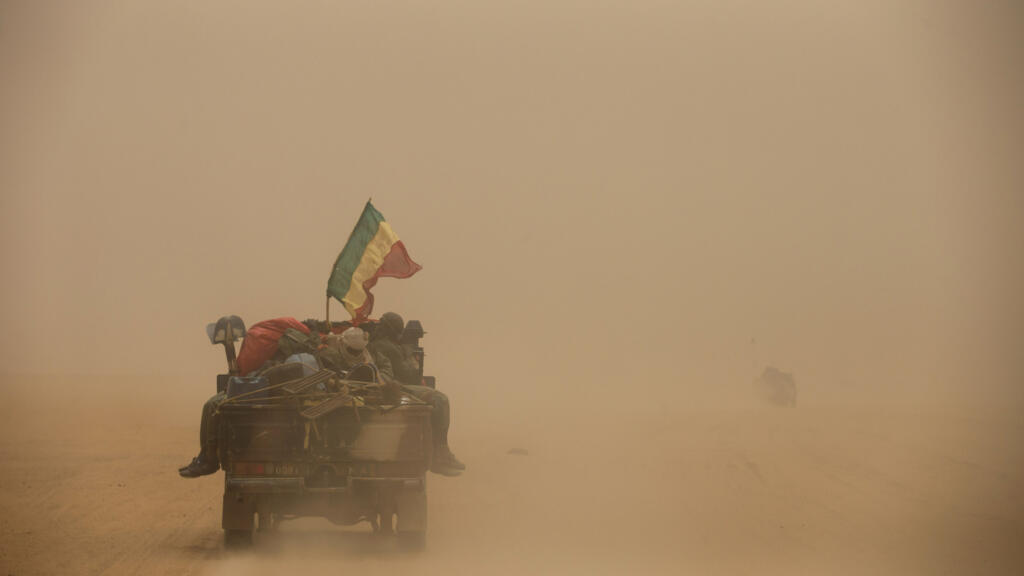
Vézilier was arrested on August 13, 2025 — exactly one year before his pardon — along with several Malian officers accused of preparing a coup against the junta. Paris has always described the accusations as "baseless." The agent was officially accredited to the Malian authorities as a French intelligence officer, on a "security cooperation mission." After his arrest, France suspended its counter-terrorism cooperation with Bamako and expelled two Malian diplomats. The June conviction further deteriorated relations that had already been severed since the departure of 2,400 French soldiers in 2022.
The cost of disengagement
The sequence says more than the gesture. The 82 released soldiers were freed through Algerian mediation, according to a source from the Malian Ministry of Foreign Affairs cited by AFP. The statement from Bamako refers to a "brother country" whose "good offices, exercised discreetly," contributed to obtaining the pardon. Le Monde, citing a Malian military source, mentions Morocco. Thus, Algiers and Rabat — the two rivals of the Maghreb — would have worked together or in parallel to pull the junta out of its isolation.
This rapprochement does not come out of nowhere. In July, Mali and Algeria announced the return of their ambassadors and the reopening of their airspace after more than a year of discord, triggered by the fall of Kidal and mutual accusations of supporting rebels. The release of the 82 soldiers is part of this same movement: Goïta is releasing prisoners to regain maneuvering room.
Why now
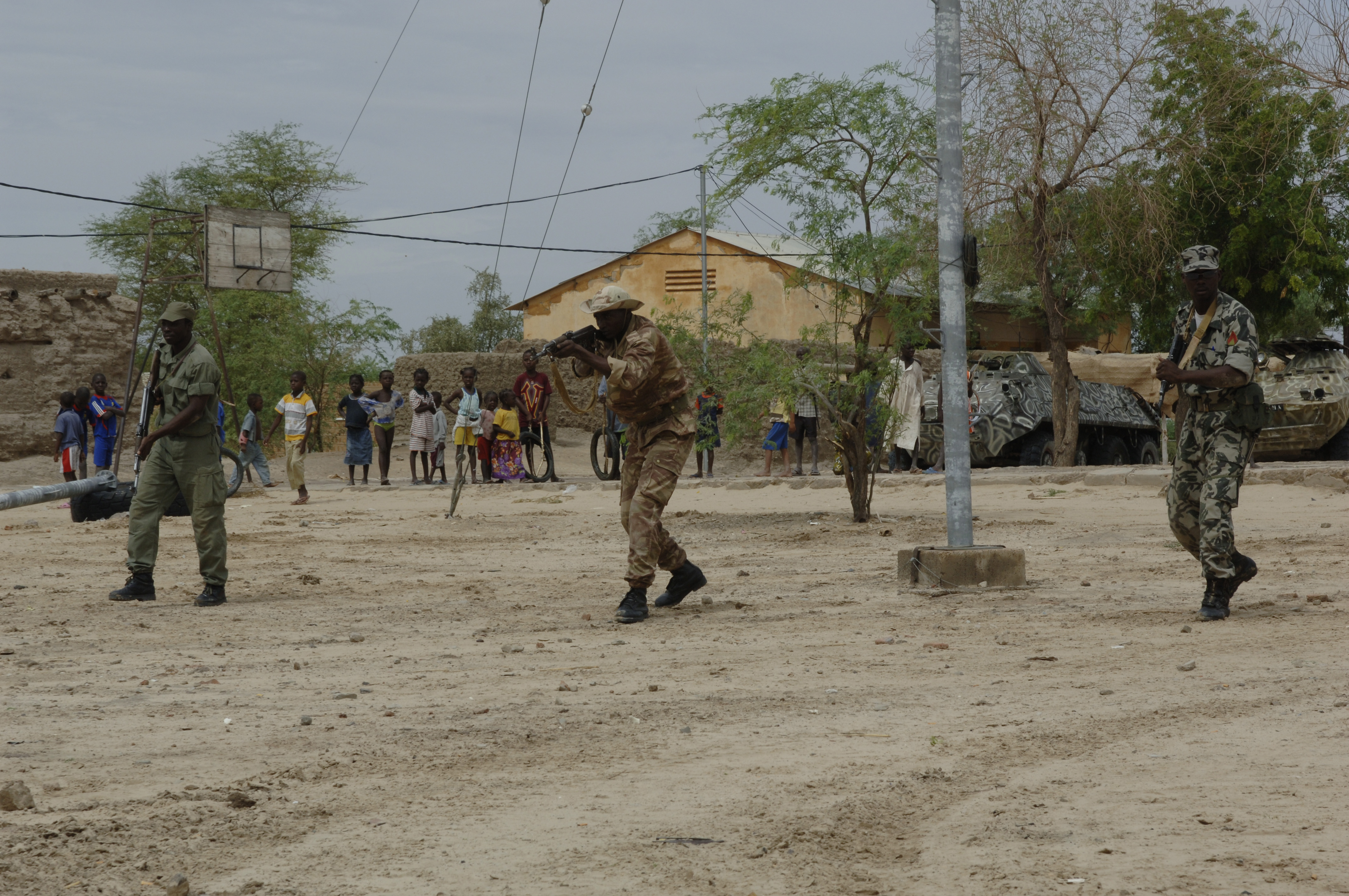
Since April, Mali has been living under the rhythm of the joint offensive by the FLA and the JNIM. The Minister of Defense was killed in a suicide attack on his residence near Bamako. Kidal has fallen into the hands of the rebels, and Anefis was briefly taken. The capital has experienced a partial blockade, while Ségou has faced a total blockade. The army's losses are heavy — the 82 prisoners from April are the most visible measure, and likely not the only one.
In this context, the Vézilier case was costing more than it was yielding. It had served as an anti-French showcase for a year. But a French agent in prison is also a permanent point of friction with Paris and an obstacle to any resumption of discreet channels. By pardoning the spy, Goïta is not reaching out to France: he is unblocking a file that burdens him. The "forgiveness" and the "ancestral values of generosity" invoked by the statement are communication, not a strategy.
What it changes on the ground
Not much, in the short term. France has not commented on the pardon. Its counter-terrorism cooperation with Bamako remains suspended, and nothing indicates that it will resume: Paris demands guarantees that the junta has no interest in providing. On the Russian side, the Africa Corps remains the main military partner of Bamako — and Moscow will not view favorably a client negotiating with Algiers and Rabat without informing it. The pardon does not change the balance of power on the ground.
- 82 soldiers released, but the officers arrested with Vézilier are still awaiting their trial. The question of their fate remains open.
- The JNIM and the FLA have not commented on the releases. No ceasefire is in sight on the Bamako-Ségou axis or around Kidal.
- The Algerian and Moroccan mediation creates a precedent: the Maghreb is entering the Sahelian resolution, while France watches from afar.
A junta that pardons a French spy and releases 82 soldiers on the same day does not send a message of strength. It sends a message of survival.
Signals to watch
First, the fate of the officers arrested with Vézilier: if they are released in turn, it means Bamako is emptying its prisons by calculation, not by forgiveness. Next, the behavior of the JNIM on the RN1 and the Bamako-Ségou axis: if attacks against convoys resume in the coming weeks, the diplomatic respite will have served no purpose. Finally, the reaction from Moscow — the Africa Corps does not appreciate arrangements made behind its back.
On the ground, the pardon has changed nothing: no truce, no easing of blockades. The JNIM controls the roads, and the roads are the lifeline of Bamako. Goïta has returned an agent to France and 82 soldiers to their families. What he cannot return is the ground lost since April. That is where the future is at stake — and the coming months will be decisive.
On August 13, 2025, Assimi Goïta pardoned Yann Vézilier, a French intelligence agent, while the Malian army announced the release of 82 soldiers held by JNIM and FLA. This dual action indicates a shift in Mali's diplomatic stance, facilitated by Algerian mediation, amidst ongoing military challenges and strained relations with France. The release of the soldiers and the pardon of the agent highlight the complexities of Mali's political and military landscape.
- Assimi Goïta granted a presidential pardon to Yann Vézilier, a French intelligence agent.
- 82 soldiers were released from captivity by the Malian army.
- The release was facilitated by Algerian mediation.
- The relationship between Mali and France remains strained after the agent's arrest.
- The situation reflects a broader diplomatic maneuvering in the region.