
Great Britain and Germany Integrate AI 2026 — Why Joint Algorithms Have Yet to Create a European Defense
 Dr. Klaus Weber
Britain and Germany Integrate AI 2026 — Why Joint Algorithms Have Yet to Create a European Defense
When Keir Starmer stated in Dublin on November 1 that Europe could no longer rely on American funding for its defense, it was not a new rhetorical twist. It was the political backdrop to a more concrete message from November 2: Britain and Germany want to integrate artificial intelligence into their military cooperation. The strategic question lies precisely in this aside. Can a bilateral AI project close Europe's capability gap, or will it only create another digital island?
The New Cooperation is Politically Correct but Institutionally Incomplete
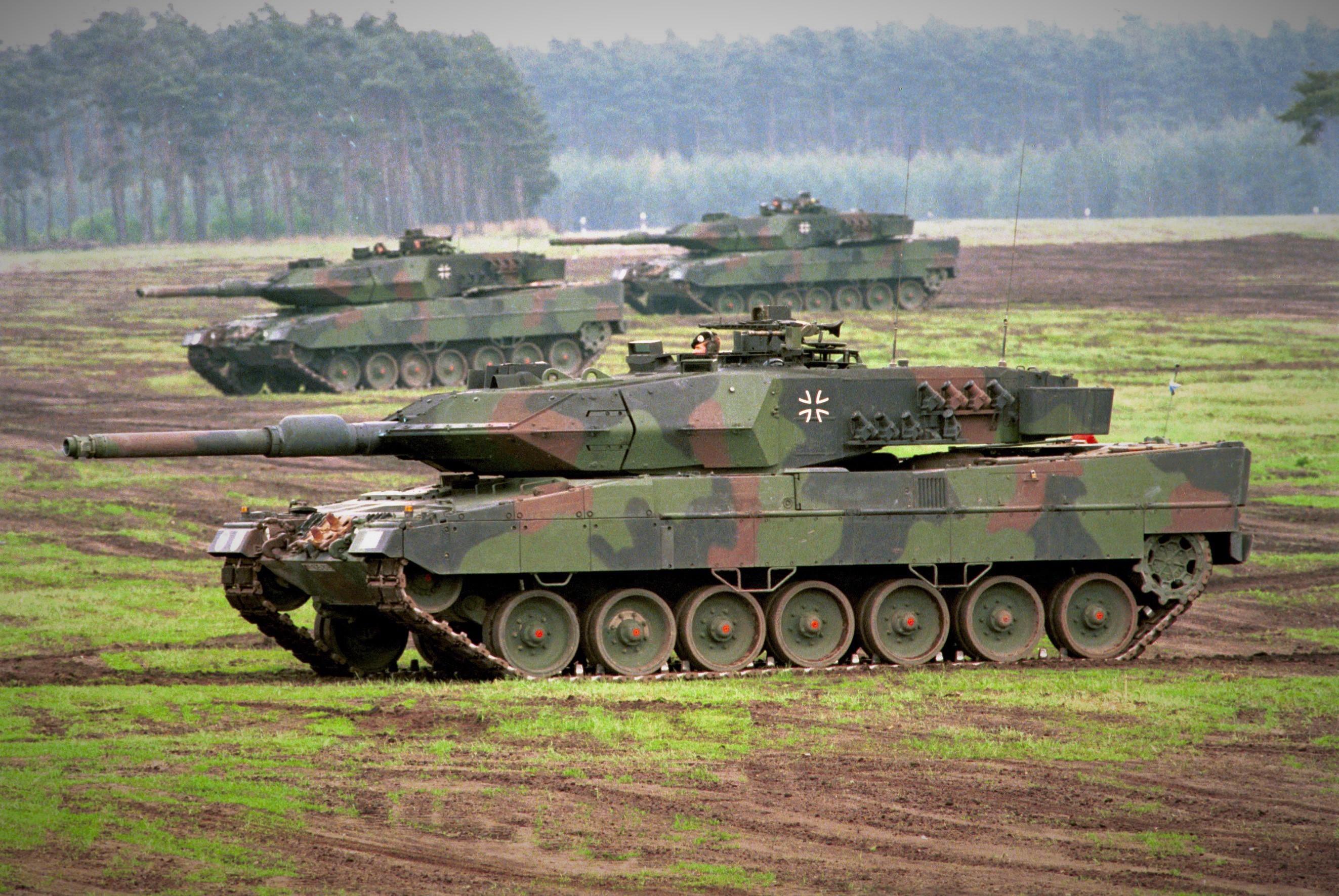
London and Berlin have a plausible starting point. Britain has extensive operational experience with expeditionary forces, intelligence gathering, and unmanned systems. Germany has industrial depth, a central position in European logistics, and political influence within the EU. Therefore, closer cooperation can achieve more than another non-binding European summit communiqué. It can define common requirements, standardize data formats, and accelerate the procurement of sensors, drones, and command systems.
However, cooperation is not yet integration. The crucial question is not whether British and German officers use the same software. It is who controls the data, who certifies the algorithm, and who is allowed to change the rules of engagement in a crisis. A joint demonstrator program is relatively simple. A joint system approved within NATO with robust cyber defense, secured data chains, and politically accepted final decision-making is another category.
From AI Promise to Military Capability
The term AI currently encompasses very different capabilities. These include the automatic evaluation of satellite and radar data, the detection of small drones, the prioritization of air defense targets, and predictive maintenance. Technically, these applications are not equally demanding. An image recognition model can quickly deliver usable results in a limited environment. A system that classifies targets in an electronically contested airspace and reports to an IRIS-T, Patriot, or Eurofighter chain must function even with disrupted data, deception, and loss of satellite connection.
The military specification therefore determines the value of the project. An operational system needs an end-to-end latency that is sufficient for the respective threat, redundant sensors, traceable training data, and a manual fallback mode. In drone defense, the cost issue is also central: if an expensive interceptor missile responds to a cheap micro-drone, the decision may be tactically understandable but industrially unsustainable. AI can improve selection, but it does not replace a tiered defense with jammers, guns, inexpensive interceptor drones, and conventional missiles.
Brexit Remains Visible in the Data Model
The British-German initiative faces a political contradiction. London wants to move closer to European security structures after Brexit but does not want to cede its national armament and data sovereignty to Brussels. Berlin, on the other hand, needs British capabilities but must mediate any cooperation with EU standards, the SAFE funding framework, and the interests of France and other member states. A bilateral project can be faster than an EU program. However, it can also further fragment the European market.
The problem is not academic. If Britain pursues its own data format, Germany a national procurement profile, and France a third certification logic, three incompatible levels of so-called European autonomy will emerge. Then, while states may buy more European technology, they will remain dependent on each other for maintenance, software updates, and operational approvals. More European manufacturers do not automatically mean more European sovereignty.
What Berlin and London Must Prove Now
- A Common Operational Need: not "AI for the armed forces," but a clearly defined application case such as the joint detection and combat of small drones on NATO's eastern flank.
- An Open Data and Interface Model: The system must be able to work with NATO command networks, German and British sensors, and existing air defense systems.
- A Joint Procurement and Export Rule: Otherwise, the algorithm will become the new dispute over national shares of work and technology transfer.
- A Test Under Real Conditions: Without electronic disruption, adverse weather conditions, decoy targets, and high data loads, the performance specification remains political advertising.
Starmer is right that Europe cannot permanently depend on American funding for its defense. However, the transition from American money to European capability does not go through buzzwords like AI. It goes through common requirements, robust production chains, and a decision about which sovereignty is actually to be shared. Germany and Britain can form a useful laboratory for this. However, they can also create another bilateral special solution that exists alongside SAFE, PESCO, and NATO.
The real test therefore begins after the political announcement. If London and Berlin demonstrate a visible system in 2027, that is not yet a strategic success. Success would only be achieved if such a system is interchangeable, affordable, and legally deployable in several European armed forces. Europe does not need more artificial intelligence as a symbol. It needs less institutional stupidity in procurement.
Sources
- POLITICO Europe, Report on British-German plans and their political conflicts of interest, November 1, 2026.
- Reuters, Reports on Keir Starmer's call for stronger European defense capabilities, November 1, 2026.
- Defence Industry Europe, Report on the integration of artificial intelligence into British-German military cooperation, November 2, 2026.
The United Kingdom and Germany announced plans to integrate artificial intelligence into their military cooperation by November 2026. This initiative aims to address defense capability gaps in Europe, although it faces political challenges regarding data control and algorithm certification. The success of this integration depends on establishing common operational needs and open data models.
- UK and Germany plan to integrate AI into military cooperation by 2026.
- The initiative aims to address Europe's defense capability gaps.
- Political tensions exist regarding data control and algorithm certification.
- A successful integration requires a common operational need and open data models.
- The project may fragment the European defense market further.