
Indonesia's PASSEX East of Taiwan Is a Precedent Beijing Will Use
 Marcus Chen
Indonesia's PASSEX East of Taiwan Is a Precedent Beijing Will Use
Wednesday morning, the Type 054A frigate Honghe and the Indonesian frigate KRI I Gusti Ngurah Rai-332 ran a passing exercise east of Taiwan. Maritime communications, formation maneuvering, replenishment at sea, signal flags between bridges. The PLA Eastern Theater Command called it a success. Nothing in the serials would have raised an eyebrow in any navy on earth — except where it happened.
This was the first time Beijing has publicly conducted a joint naval exercise with a foreign navy in the waters east of Taiwan. That is not a claim from Taipei or Washington. It comes from the Chinese Ministry of Defense itself, which announced the drill on August 11 and let the Eastern Theater Command confirm execution the next morning.
What Actually Happened
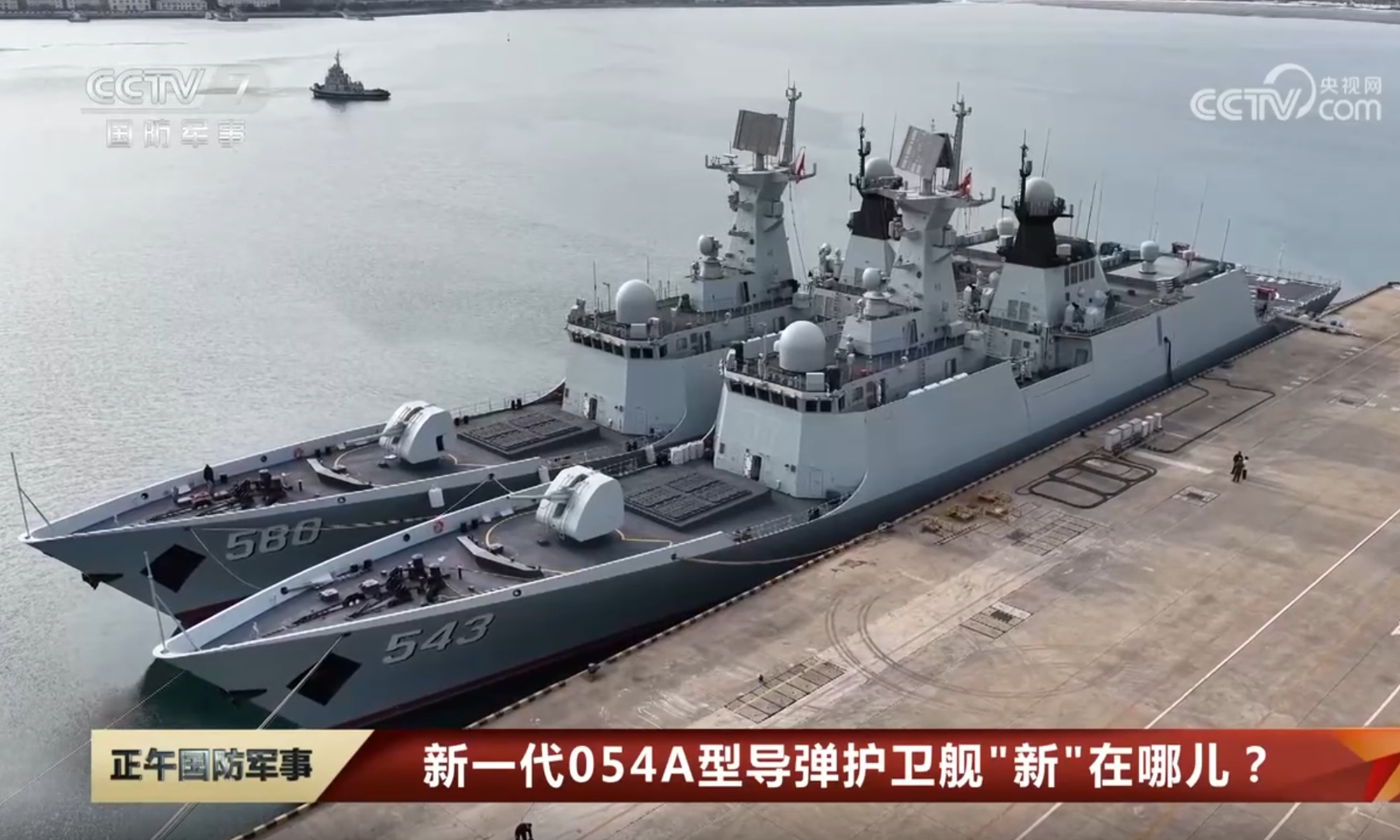
Two frigates, one from each side. The Honghe is a Type 054A, the workhorse of the PLAN surface fleet — the most numerous frigate class in Chinese service, and this hull joined the Eastern Theater Command in 2022. The I Gusti Ngurah Rai is a Martadinata-class frigate, Indonesia's most modern surface combatant, built around a SIGMA 10514 hull.
The announced serials were deliberately modest: communications checks, formation maneuvers, replenishment at sea, and a PASSEX conducted with tactical signals and flags. No weapons employment, no air-defense coordination, no anti-submarine work, no exchange of targeting data. The Indonesian side emphasized exactly that — its navy called the activity "passing exercises" that are "not war-fighting in nature," standard maritime diplomacy when warships pass through each other's operating areas.
Jakarta's Frame Is Conveniently True
Here is the detail that should shape how you read this: the I Gusti Ngurah Rai was on its way home from Vladivostok, where it had taken part in Exercise Orruda with the Russian Navy. On the same transit, according to Reuters, it was scheduled to conduct passing exercises with Japan and the US Navy's Seventh Fleet as well.
That is Indonesian foreign policy in one deployment: exercise with Russia, pass with China, pass with the Americans, all in a single voyage. Jakarta calls it a "free and active" policy, and it is exactly that — which is why this drill tells you more about Beijing than about Jakarta.
Why Beijing Pushed This

Location is the payload. Waters east of Taiwan are where the island keeps its maritime depth — the side away from the strait, where monitoring is thinner and the ocean is open. Beijing has been working this area for months, pressing claims after Tokyo and Manila announced talks over their own maritime disputes: coast guard deployments, government vessels from multiple ministries, and — a first — questioning foreign commercial boats.
The PASSEX is the next rung on that ladder. Chinese commentator Zhang Junshe framed it as Beijing exercising sovereign rights over its claimed exclusive economic zone and continental shelf east of Taiwan. Taiwan's Mainland Affairs Council called it a "military provocation" and "exercises in name, expansion in fact." MOFA demanded clarification from Jakarta. The State Department urged Beijing to stop its military pressure on Taiwan and called on other countries not to amplify Beijing's narratives.
"It's a small step, but one that carries a lot of symbolism," John Dotson of the Global Taiwan Institute told the Taipei Times, noting Beijing is pushing back against the growing Japan-Philippines quasi-alliance by cultivating its own regional partners.
The Math That Matters
Militarily, this changes nothing. Two frigates doing comms checks east of Taiwan do not shift the balance of anything. Anyone who has served on a destroyer knows a PASSEX is what you do when you want to be seen cooperating without actually committing — no data links, no logistics tie, no obligation. Indonesia gave Beijing presence, not partnership.
But the precedent is real, and precedents compound. Each "first" makes the next one cheaper. First foreign navy exercise east of Taiwan. If this becomes a port call, then a repeat exercise, then a "routine annual" — each step costs Beijing less than the last, and each one erodes the baseline that made these waters contested in the first place.
The uncomfortable part for Washington and Tokyo: Indonesia's marginal cost of saying yes is close to zero. A PASSEX costs Jakarta nothing, offends no one in Jakarta's domestic politics, and keeps every option open. Beijing understands this. It is why the announcement came from Beijing's side, not Jakarta's — China needed this "first" more than Indonesia did.
Bottom Line
Do not over-read one frigate, and do not dismiss it either. The question is not what happened Wednesday — it is what Jakarta says yes to next, and whether Washington, Tokyo, and Canberra start asking Jakarta hard questions about where the ladder ends. Right now, Beijing is betting the answer is nowhere — until it is.
The Type 054A frigate Honghe from the People's Liberation Army Navy and the Indonesian frigate KRI I Gusti Ngurah Rai-332 conducted a passing exercise east of Taiwan on Wednesday morning. This marks the first time China has publicly engaged in a joint naval exercise with a foreign navy in these waters. The exercise included communications checks and formation maneuvers, emphasizing maritime diplomacy without war-fighting elements. The event is viewed as a strategic move by Beijing to assert its maritime claims in the region.
- The Type 054A frigate Honghe and Indonesian frigate KRI I Gusti Ngurah Rai-332 conducted a passing exercise east of Taiwan.
- This is the first joint naval exercise publicly conducted by Beijing with a foreign navy in these waters.
- The exercise involved communications checks, formation maneuvers, and replenishment at sea, but no weapons employment or air-defense coordination.
- The Indonesian frigate was returning from a joint exercise with the Russian Navy before this PASSEX.
- The exercise is seen as a strategic move by Beijing to assert its claims in the region.