
ISWAP against Boko Haram in Borno — the theft of 40 million naira triggers the fall of Gazwa
 Marie Dubois
ISWAP against Boko Haram in Borno — the theft of 40 million naira triggers the fall of Gazwa
On August 7, at dawn, columns of ISWAP converged on Gazwa, in the Bama local government area, in eastern Borno. Within hours, the camp — one of the main strongholds of the JAS faction of Boko Haram along this axis — fell. The cause is not an offensive by the Nigerian army. It is a theft of 40 million naira, about 25,000 dollars, that ignited tensions between the two jihadist factions.
The account comes from security analyst Zagazola Makama, based on debriefings from JAS fighters recently surrendered to the authorities. The casualty figures are not independently confirmed. This is information to be taken with caution — but it is consistent with the sequence of ambushes and fighting observed in Borno over the past two weeks.
The theft that triggered everything
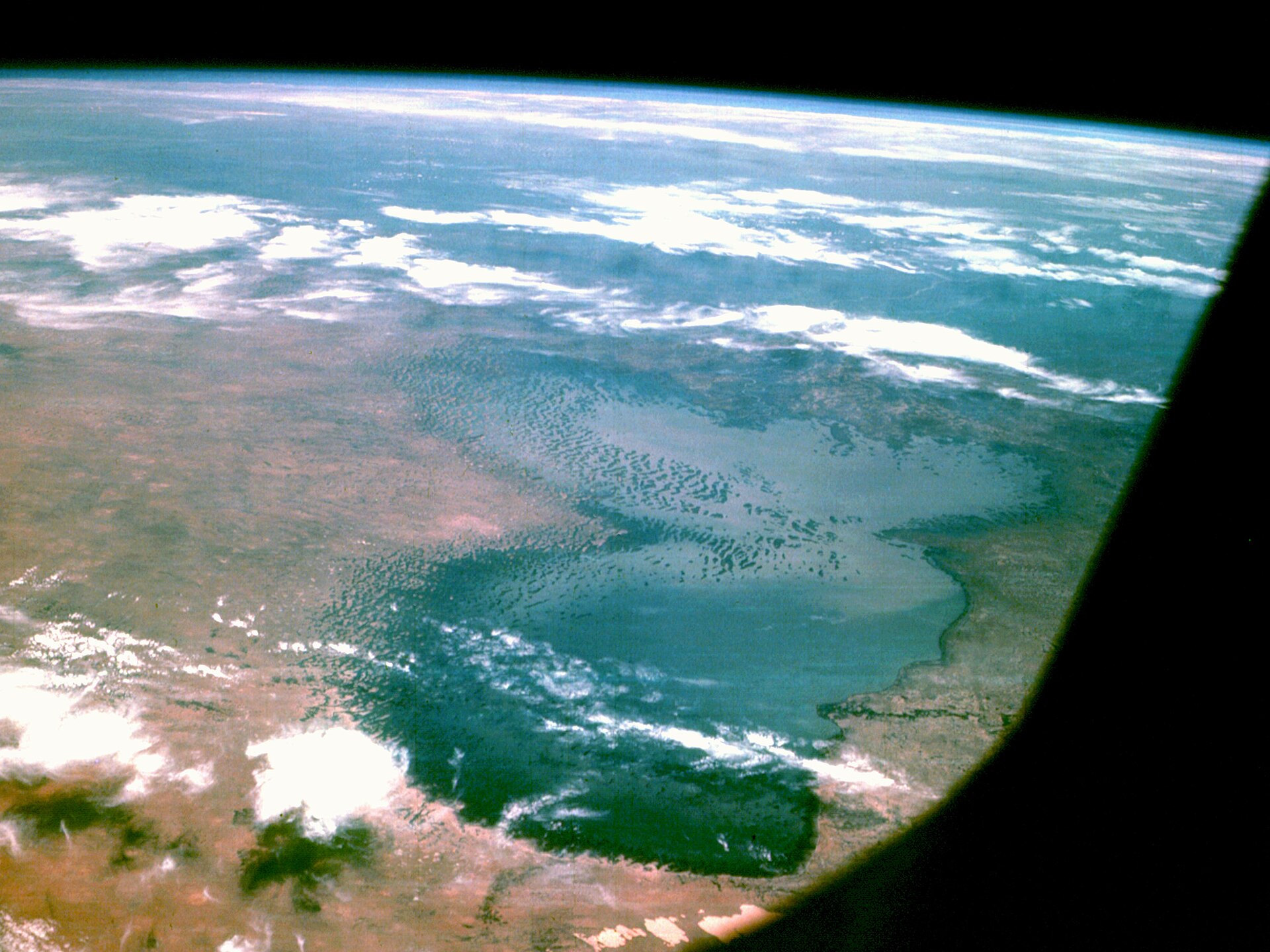
It all begins on the Gazwa-Kwaltafarji corridor, a track that connects the Bama plain to the foothills of the Mandara Mountains. At the end of July, a JAS commander identified as Munzir ambushed ISWAP logisticians transporting money and supplies. The result: one logistician killed, one AK-type rifle seized, approximately 40 million naira taken.
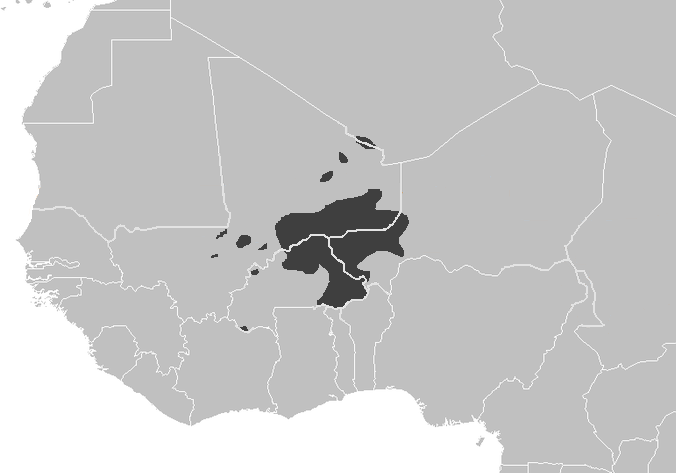
The sum is passed up the JAS chain. Initially entrusted to a commander in Gazwa, Baafu, it is transferred to Ali Ngulde, an operative who would be operating from the Mandara Mountains, at the Cameroonian border, and then shared among commanders and fighters. For ISWAP, this is not just a theft. It is an affront to its authority and its logistical network. A humiliation that the Islamic State province never lets go unpunished.
The fall of Gazwa
About ten days after the seizure, ISWAP mobilizes its men from Yuwe, the Sambisa forest, and Zangeri. The assault is launched at dawn. The fighting lasts several hours. The JAS defenders initially resist, but are then overwhelmed by reinforcements from Sambisa. The survivors abandon Gazwa, the faction's hub along the Bama axis, and retreat. According to sources cited by Makama, ISWAP now controls the camp — while fearing a counterattack.
A few days earlier, the ambush at Bula Murge, in the Gargash area, had already decimated the JAS leadership in the area. ISWAP fighters killed several senior commanders there: Abu Ubaida, Modu Kori, Alhaji Modu, Mure, Zarkawi, Sheriff, and Modu Maye. The camps at Bula Murge and Nguro Bafuye were set on fire. The families of the fighters began to move towards Bula Daloye.
“This is not a war of religion. It is a war of territory, money, and logistical routes.” — a security analyst from Maiduguri.
The army caught in crossfire
This internal war, however, does not protect Nigerian positions. On the night of August 15, at 2 a.m., ISWAP attacked the Mandaragirau forward base, in the Biu area, on two axes simultaneously. Soldiers from the 162nd amphibious battalion, alerted by advanced surveillance systems, repelled the assault. The official toll reports several terrorists neutralized, AK-47 rifles, an RPG launcher, and ammunition recovered, with no losses on the Nigerian side.
Mandaragirau. The same base had already been targeted in February, when both factions struck together at Cross Kauwa, Pulka, and Mandaragirau — I reported on it right here. The contrast says it all: six months ago, ISWAP and JAS were coalizing their efforts against the army. Today, they are killing each other on the Gazwa-Kwaltafarji corridor. The tactical alliance of convenience has collapsed.
Surveillance images from the August 15 attack show fleeing terrorists dragging their dead towards the “Timbuktu triangle,” south of the Sambisa forest. A sign: ISWAP retains solid regrouping areas, even under pressure.
A window for Operation Hadin Kai
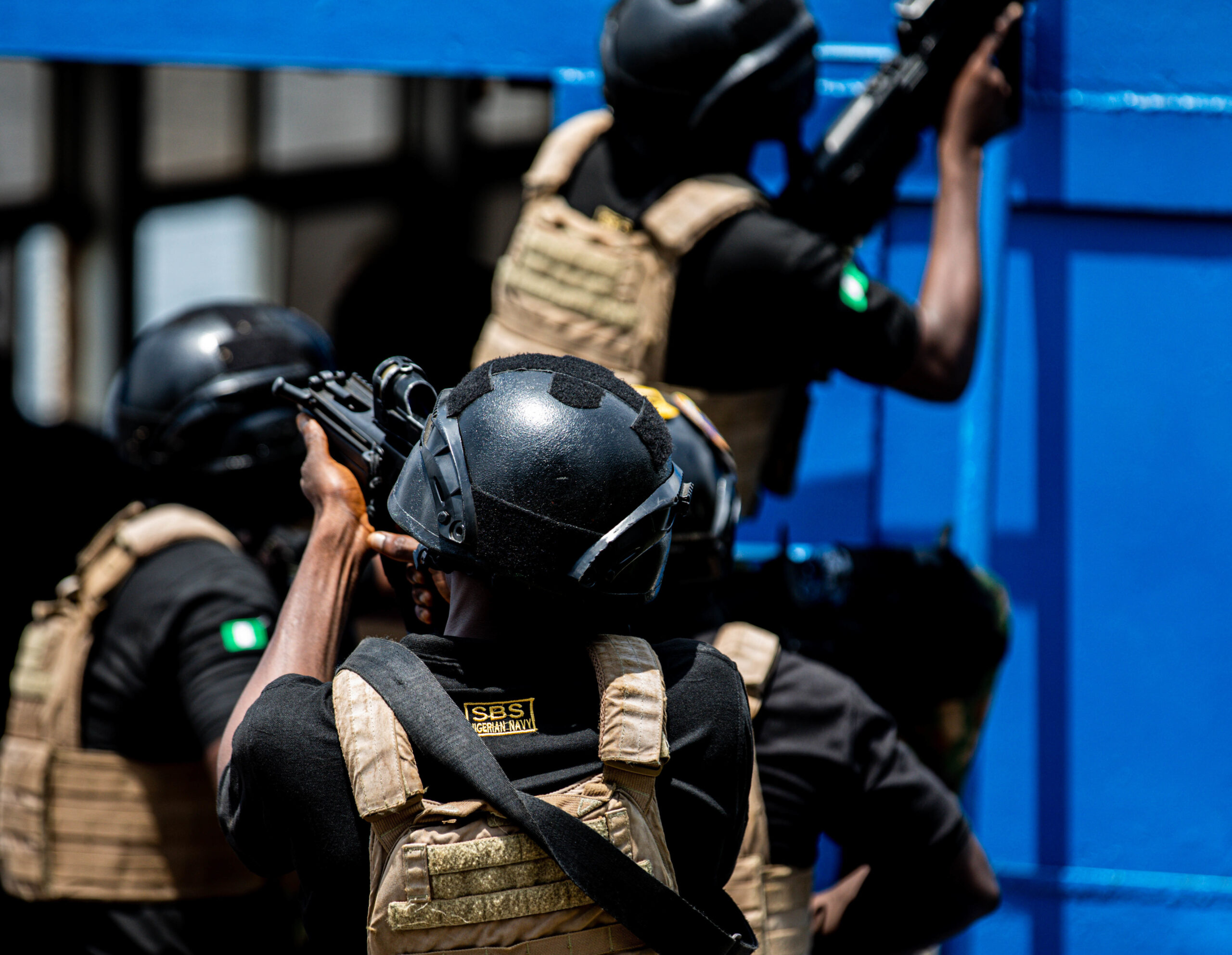
From the perspective of Maiduguri, this fratricidal war is an opportunity. Military sources cited by the Nigerian press are already urging Operation Hadin Kai units to exploit the rivalry by intensifying operations on the Gazwa-Kwaltafarji corridor and around the Mandara Mountains. When two factions fight over 40 million naira, they expose their routes, caches, and traitors.
But caution is advised. The Nigerian losses of the summer remind us of the price of this war: fourteen soldiers killed since July 22, including six in a direct assault by Boko Haram in Gwoza on August 6. This year, the front has already cost senior officers — Brigadier General Oseni Braimah, commander of the 29th brigade, fell in Benisheikh, in the Kaga area. The intelligence capabilities of the factions are not dead: they are simply being redirected.
What this changes on the ground
The main risk is a shift in violence. JAS fighters driven out of Gazwa and Bula Murge are retreating towards the Mandara Mountains and Bula Daloye, towards the Cameroonian border. The Mandara Mountains, where Ali Ngulde operates, are already a difficult-to-access sanctuary: narrow tracks, ravines, dry forest. That is where I would monitor in the coming weeks.
The second risk concerns civilians. The displaced persons camps in Pulka and Ngoshe, in the Gwoza area, are caught between the terror of the factions occupying the surrounding fields and hunger within the perimeters. The fighters control access to farmland; families no longer dare to cultivate. A war between jihadists is not resolved among themselves — it is first paid for in civilians.
Tactically, the window is real but short. ISWAP has shown in a week that it can strike Gazwa, Gajiram, and Mandaragirau; the Nigerian army has shown that it can hold its bases. The question is who will best exploit the confusion — and whether the Hadin Kai command will have the courage to strike hard in the Gazwa-Kwaltafarji corridor before the two factions piece their parts back together.
ISWAP launched an assault on Gazwa on August 7, capturing the area from Boko Haram after a conflict triggered by a theft of 40 million naira. The fighting resulted in significant casualties for Boko Haram, including the deaths of several senior commanders. ISWAP's control of Gazwa marks a shift in territorial power in the region, while the Nigerian military remains on alert for further attacks.
- ISWAP captured Gazwa from Boko Haram on August 7.
- The conflict was triggered by a theft of 40 million naira.
- Several senior Boko Haram commanders were killed in recent clashes.
- ISWAP has mobilized forces from multiple locations for the assault.
- The Nigerian military successfully repelled an attack on Mandaragirau.