
Italy's No to PURL and SAFE Reveals NATO's 5 Percent Problem 2026
 Dr. Klaus Weber
Italy's No to PURL and SAFE Highlights NATO's 5 Percent Problem 2026
Italy plans to announce at the NATO summit in July that it will raise its defense spending to 2.8 percent of GDP by 2026. At the same time, Defense Minister Guido Crosetto says no to the PURL mechanism, hesitates on SAFE loans of 14.9 billion euros, and counts domestic security expenditures towards the new NATO quota. This is not an Italian exception. It is an early test of whether the new 5 percent target measures military capability or merely rewards fiscal storytelling.
The Italian No Comes at the Wrong Time
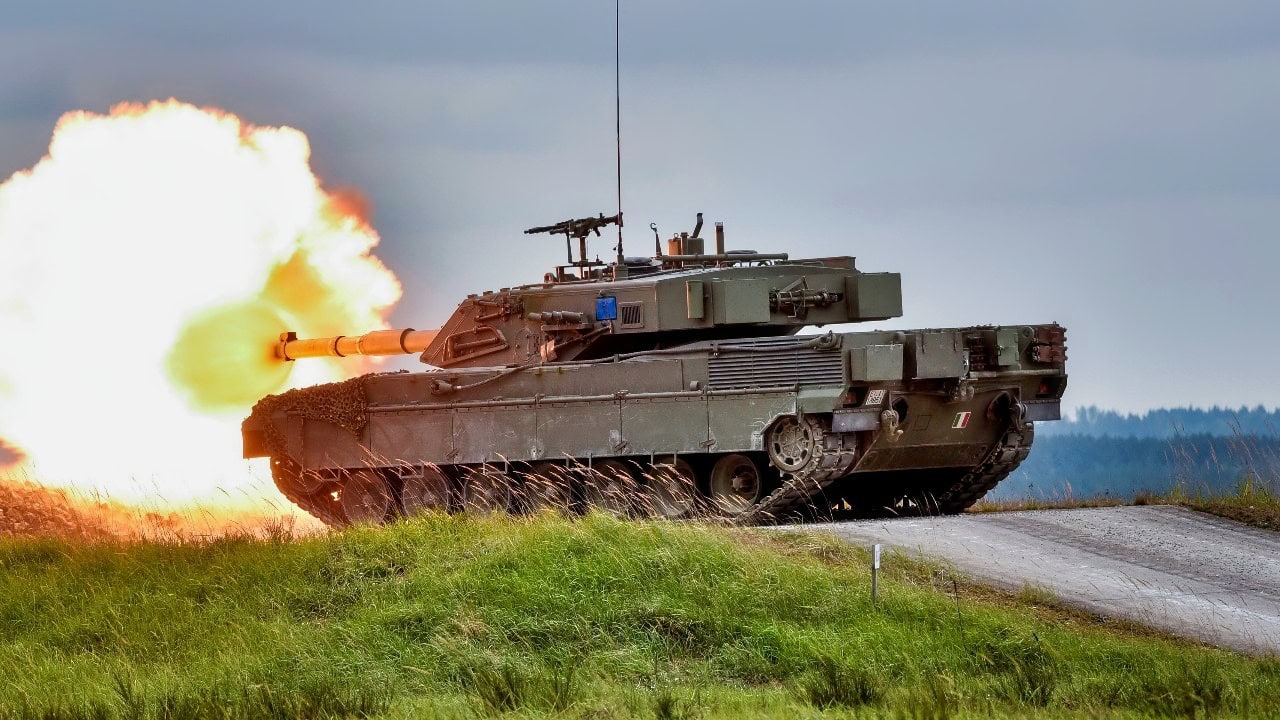
According to Defense News, Crosetto confirmed in the Italian Parliament that Rome would not finance the NATO mechanism Prioritised Ukraine Requirements List. His wording was notably harsh: Italy said no from the beginning, and it remains a no. PURL is institutionally simple but operationally important. European and other allies contribute to a mechanism through which American weapons are procured for Ukraine. According to NATO, nearly six billion dollars have now been pledged, primarily for air defense.
For this reason, the Italian no is politically heavier than its financial scope. According to NATO, PURL finances about 70 percent of the missiles for Ukrainian Patriot batteries and 90 percent of the ammunition for other air defense systems that go through this channel. Germany, Canada, the Netherlands, and Sweden are participating; Stockholm recently announced 543 million dollars. Italy, on the other hand, cites budget constraints, energy prices, and election campaigns. This is understandable from a domestic political perspective. From a security policy standpoint, it means: A large European NATO country commits to higher quotas but refuses the mechanism that supports the most urgent Ukrainian capability in the ongoing war.
PURL is Not Strategic Autonomy, but It Has Real Impact
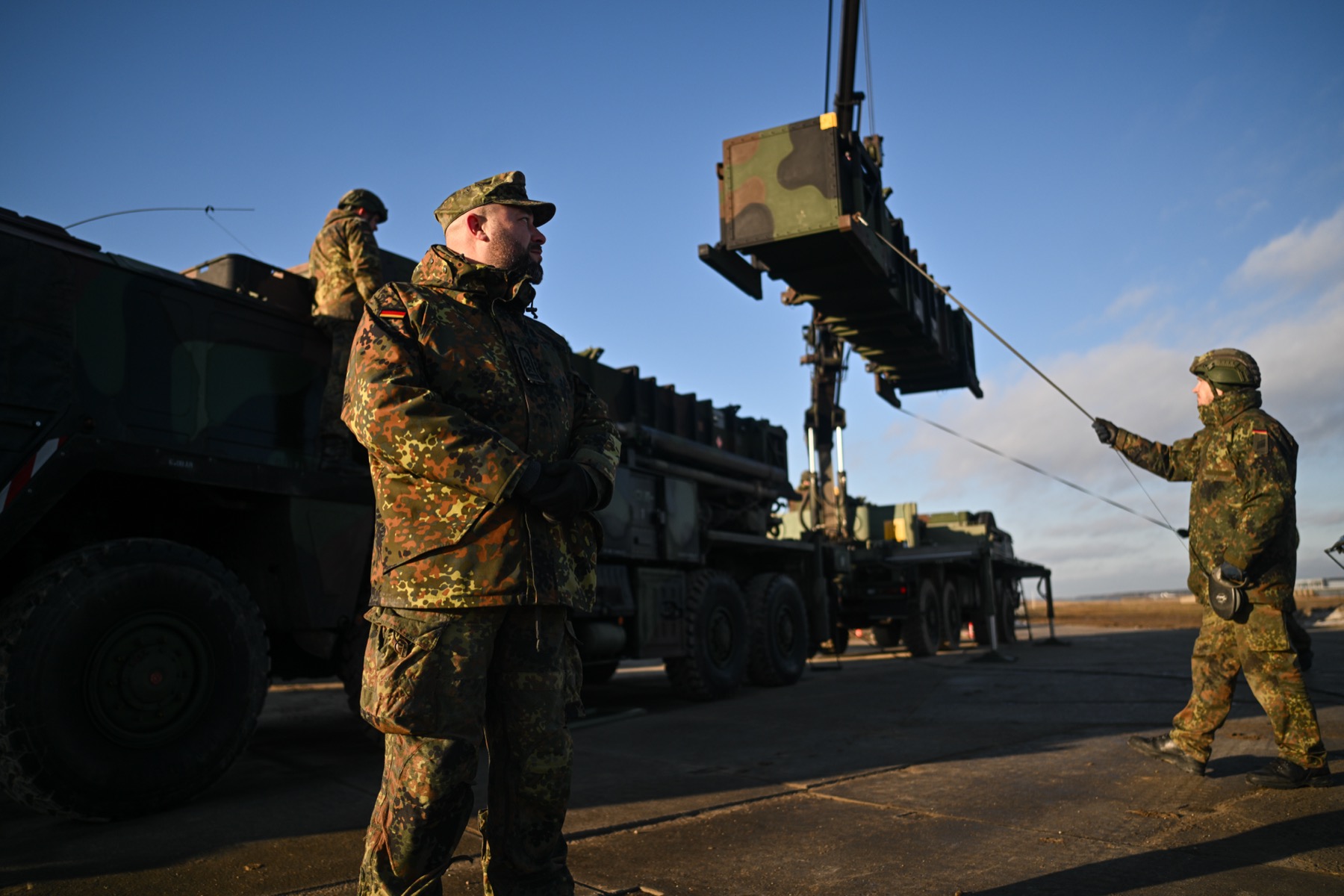
PURL should not be romanticized. The mechanism buys American weapons, thereby reinforcing American production lines and does not resolve Europe's structural dependence on Patriot, PAC-3, integrated air defense, and precision munitions. From the perspective of European defense autonomy, PURL is a necessary but uncomfortable detour: Europe pays, America delivers, and Ukraine survives the next wave of attacks somewhat better.
But this is precisely where the institutional truth lies, which is often overlooked in Rome. Defense capability does not arise from the morally purest form of procurement but from available impact in the right time window. When Russian missiles attack Ukrainian energy facilities, a European production line available in 2030 is less relevant than a Patriot missile delivered in 2026. Crosetto's no is therefore not a sovereignty argument. It is a prioritization argument: Italy wants political recognition for higher defense spending without participating in one of the most visible short-term burden-sharing instruments.
SAFE and the European Credit Illusion
The second Italian hesitation concerns SAFE, the EU credit instrument for joint defense procurement. According to Defense News, 14.9 billion euros in favorable loans are on the table for Italy. Crosetto himself is not considered an opponent of these funds; however, he pointed out that the decision lies with the Ministry of Finance. Giorgia Meloni, on the other hand, has signaled that Rome may avoid SAFE for fiscal and domestic political reasons.
This is also analytically revealing. SAFE was presented in Brussels as a response to Europe's procurement gap: a lot of money, low financing costs, European industry shares. However, loans are not grants. States with high debt treat new credit lines differently than states with fiscal leeway. Italy is precisely the case that shows that European defense instruments can fail due to national budget arithmetic. Brussels can create credit frameworks; it cannot force Rome to politically sell them as viable.
The 5 Percent Target Invites Redefinition
The new NATO formula, which amounts to 3.5 percent for classic defense spending and 1.5 percent for broader resilience and homeland security costs, was intended to increase European pressure. In practice, it creates a gray area. Italy had already achieved the jump from about 1.5 to 2 percent by 2025 to a significant extent by categorizing existing expenditures for Guardia di Finanza, Coast Guard, space, and cyber as defense spending. Meloni has now stated that the increase to 2.8 percent will primarily be secured through homeland defense, cyber, space, and dual-use technologies.
The problem is not that these areas are unimportant. Coast Guard, cyber defense, and space are part of the modern security architecture. The problem is the confusion of security policy breadth with military depth. A brigade needs artillery ammunition, spare parts, command resources, air defense, and trained soldiers. A NATO quota that generates the same political reward for tax police expenditures and for deployable combat units ultimately measures ministerial creativity rather than alliance capability.
Washington's Pressure Meets Europe's National Politics
U.S. Defense Secretary Pete Hegseth met with Crosetto in Washington and afterward spoke of the urgent need to increase NATO spending, expand industrial production, and provide combat-ready forces. In Brussels, he criticized wealthy allies a few days later for continuing to act as if the time for free-riding was not over. He did not name any countries. Italy, however, had to feel addressed.
From a Berlin perspective, this moment is uncomfortably familiar. Germany has poured the special fund too quickly into existing gaps and has generated too little structural reform in the process. Italy now shows the other variant of the same problem: It promises higher quotas but protects its domestic spending logic. Both paths lead to the same question. If Europe counts more money but procures less together, makes less ammunition available, and finances urgent Ukraine mechanisms only selectively, where does the additional deterrence come from?
The Real Test Is Not at 2.8 or 5 Percent
Italy's case should not be read as a moral indictment against Rome. Italy has real fiscal constraints, a politically sensitive population, and a government that cannot ignore energy prices. This is precisely why the case is so important. It shows that Europe's defense policy does not suffer from a lack of summit declarations but from the translation of commitments into binding procurement, production capacity, and military availability.
If Italy reports 2.8 percent in 2026 but rejects PURL, leaves SAFE open, and explains large parts of the increase through homeland security categories, then NATO has a measurement problem. The quota increases, but capability does not necessarily. Europe's dilemma remains stark: Without higher spending, there is no credible defense. But with higher spending alone, there are only better tables.
Sources and Context
- Defense News, June 19, 2026, report on Italy's rejection of the PURL mechanism and SAFE loans.
- NATO statements on the PURL mechanism, particularly regarding the financing of Ukrainian air defense.
- Italian parliamentary statements from Defense Minister Guido Crosetto and government statements on defense quotas 2026.
Italy announced plans to increase its defense spending to 2.8% of GDP by 2026 while firmly rejecting the NATO PURL mechanism for military aid to Ukraine. Defense Minister Guido Crosetto emphasized this decision in the Italian Parliament, highlighting budgetary constraints and political considerations. The hesitance regarding SAFE loans further complicates Italy's commitment to NATO's defense objectives, raising questions about the effectiveness of NATO's spending targets.
- Italy plans to raise defense spending to 2.8% of GDP by 2026.
- Italy rejects the PURL mechanism for military aid to Ukraine.
- Defense Minister Guido Crosetto stated Italy's firm opposition to PURL.
- Italy is hesitant about SAFE loans amounting to 14.9 billion euros.
- The situation reflects broader issues in NATO's defense spending and capability measurement.