
Japan's Easing of Weapon Export Restrictions Sparks Criticism from Various Sectors

According to Japanese sources, the Japanese government officially revised the "Three Principles on Transfer of Defense Equipment" and its operational guidelines at a cabinet meeting on the 21st, which in principle will allow the export of lethal weapons. This move has sparked criticism and ongoing protests from various sectors within Japan, with opponents pointing out that it undermines the pacifist constitution.
On April 13, representatives from three opposition parties—the "Nippon Ishin no Kai," the Constitutional Democratic Party, and the Komeito—met with Chief Cabinet Secretary Hirokazu Matsuno in the Japanese Diet and submitted a proposal calling for strengthened weapon export reviews. The proposal suggested that the export of highly lethal weapons should be decided by the cabinet meeting, with the government as a whole bearing responsibility; for export projects exceeding a certain amount, strict reviews should be conducted, such as prior notification to the Diet. Matsuno stated that if there are shortcomings in the current government plan, the above suggestions will be discussed.
Professor Hiroshi Shiratori from Hosei University recently stated that exporting lethal weapons without the need for Diet approval could make Japan a "country that exports war." Senior lawyer Kazuko Ito expressed that once the economy becomes dependent on the military-industrial complex and even war, it will be difficult to break free from that dependency.
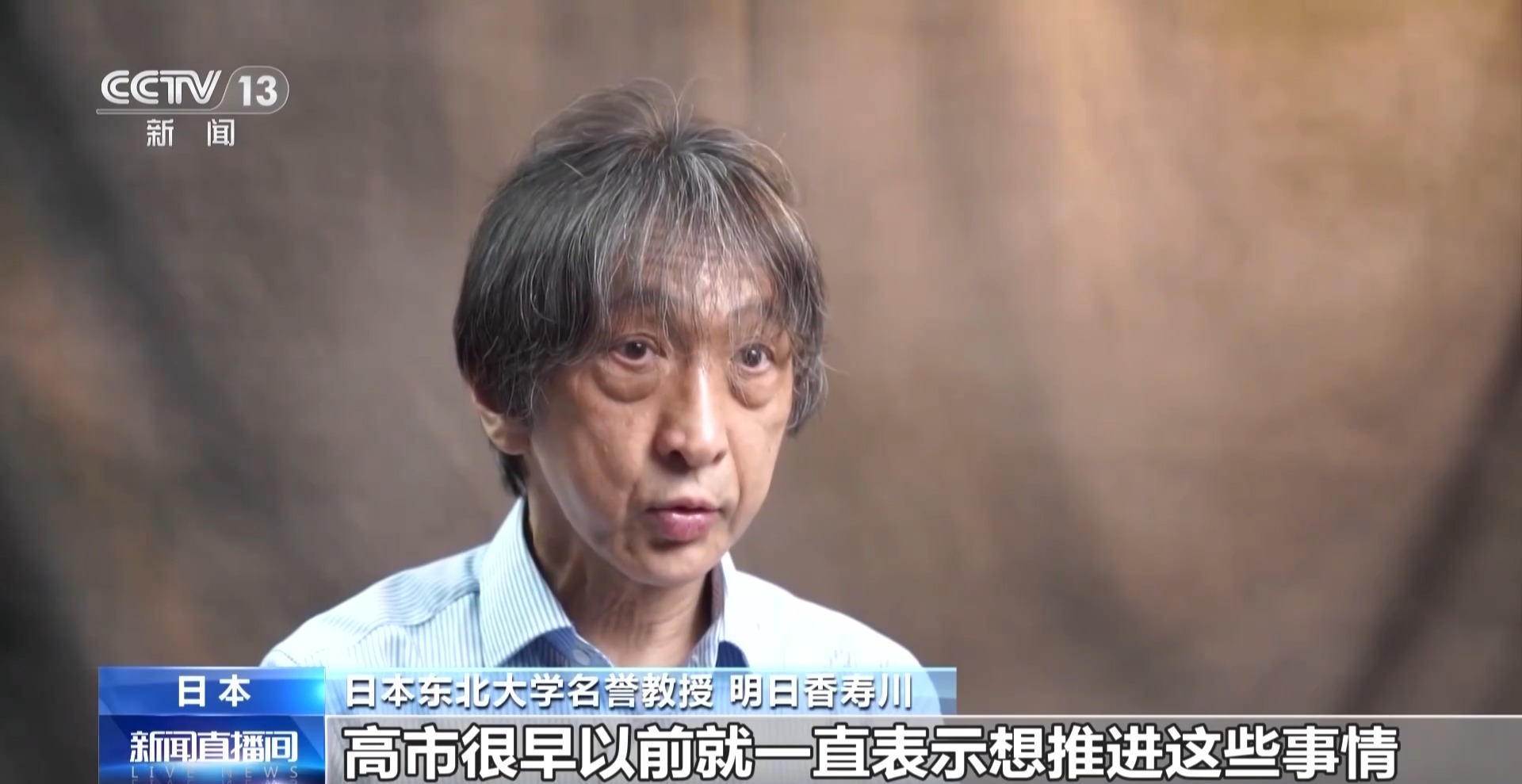
Emeritus Professor Asuka Toshikawa of Tohoku University: Takai has long expressed a desire to advance these matters, and now that he is in power, he is putting them into practice. I am, of course, opposed to this; ultimately, what kind of country does Japan want to become? A country that profits from selling weapons, or a country that attracts more visitors to understand Japanese culture?
The Japanese public has also held consecutive rallies protesting the Takai government's attempts to lift the ban on the export of lethal weapons and other moves that undermine the pacifist constitution.
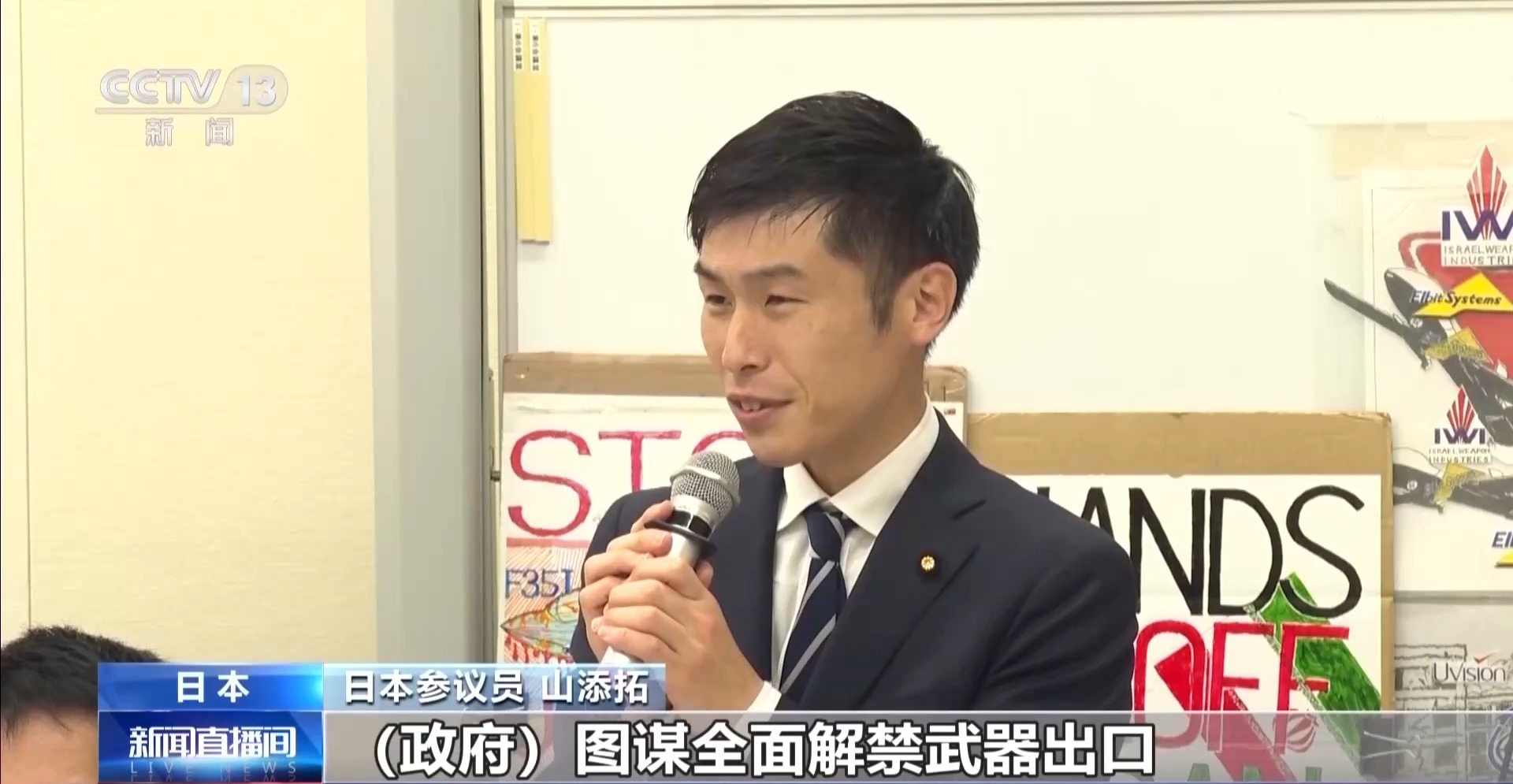
Japanese Senator Taku Yamazoe: The government's scheme to fully lift the ban on weapon exports and achieve economic growth through weapon sales is a very frightening thing.
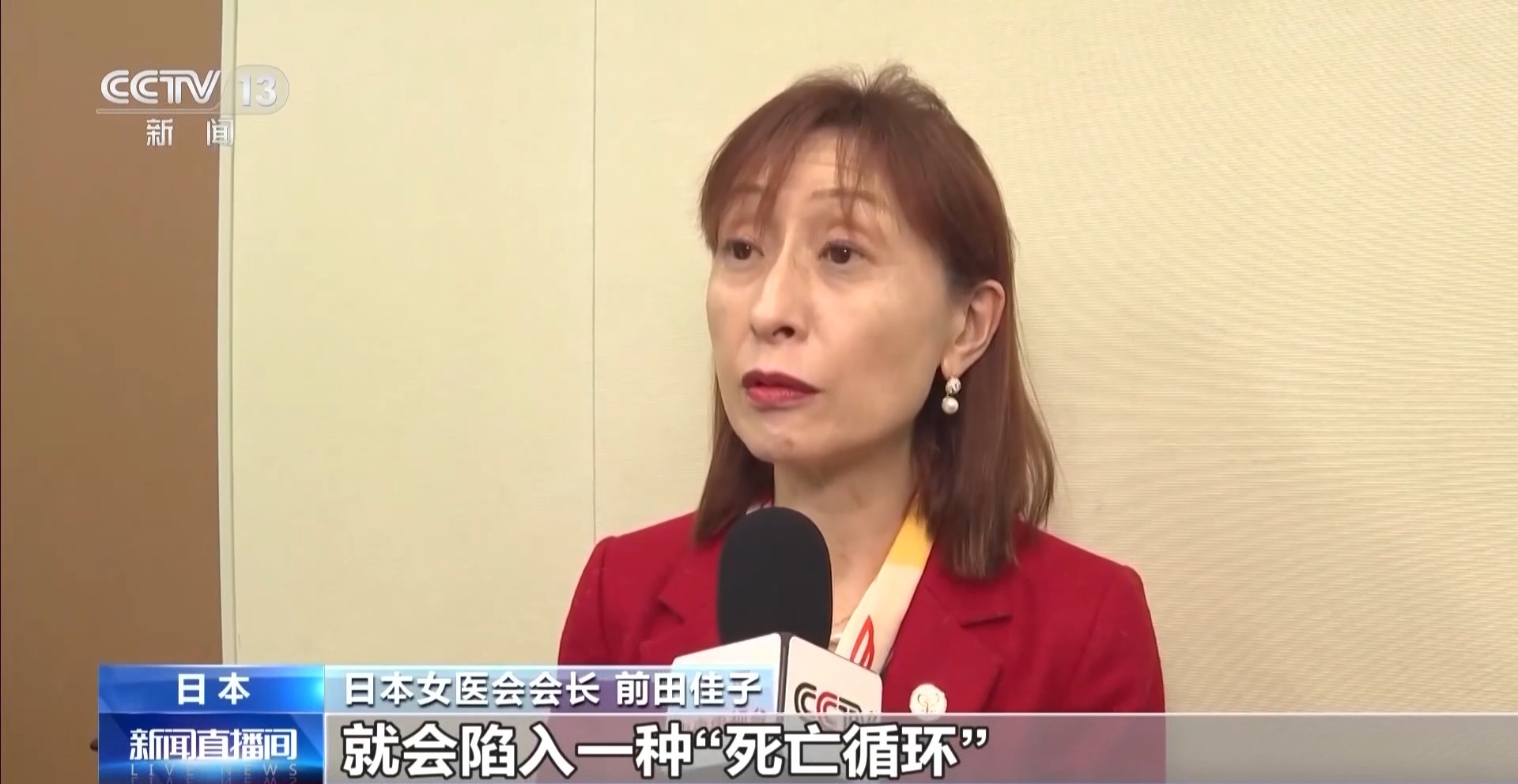
President of the Japan Medical Association Yoshiko Maeda: First of all, exporting weapons with lethal capabilities itself violates the constitution. Moreover, obtaining profits for the state or companies through this means and continuing to manufacture weapons will lead to a "death cycle," which I absolutely cannot accept. Whether possessing weapons or exporting them, I do not believe this can serve as a deterrent; rather, it may escalate tensions further.
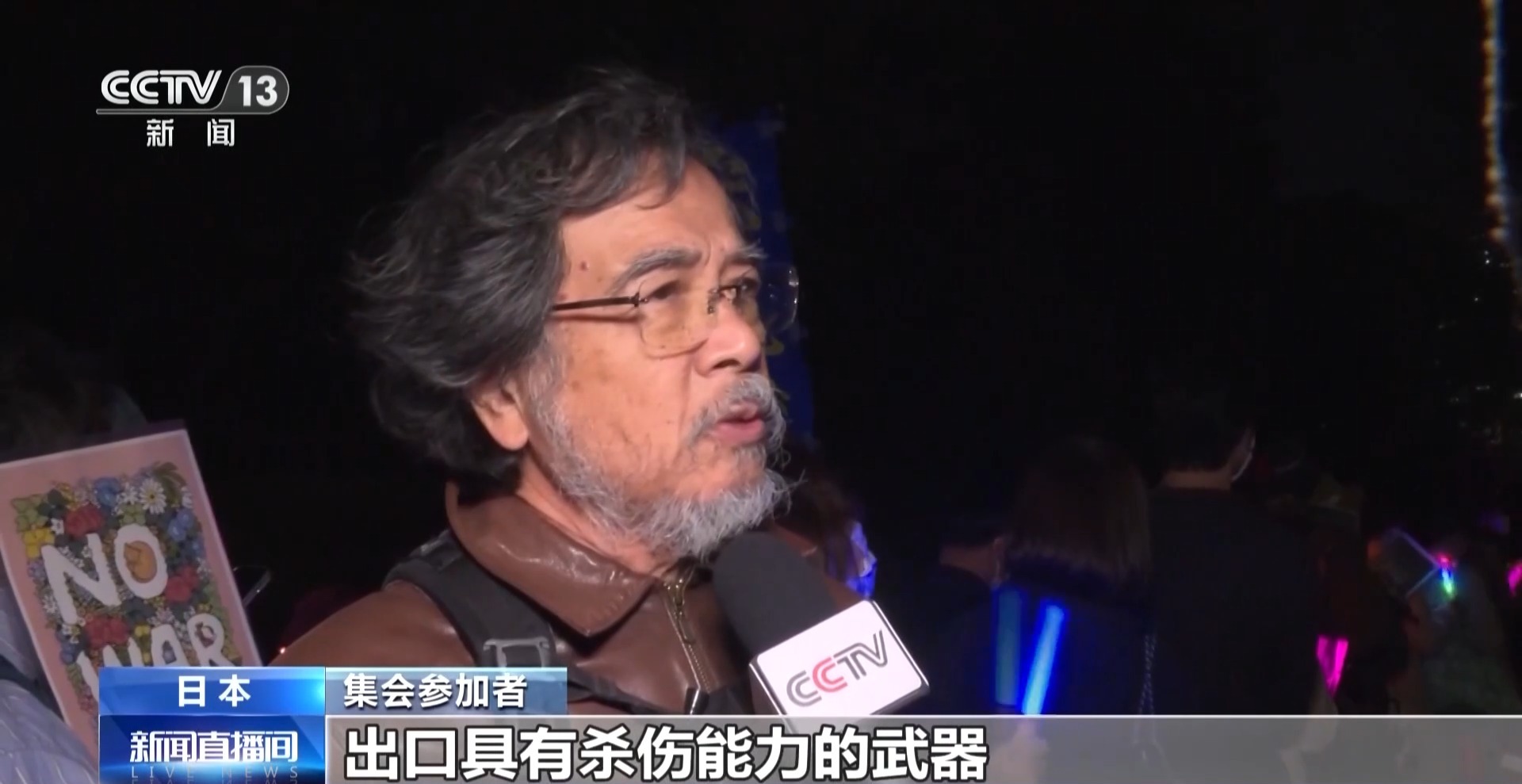
Rally participant: Previously, Japan could only export five categories of defense equipment for non-combat purposes, but now it is set to export lethal weapons without restrictions. Doing so means that the Japan Self-Defense Forces will no longer be purely defensive but will become a military capable of launching attacks abroad, which violates the Japanese constitution.
Japan's government modified its arms export policy on April 21 to allow the export of lethal weapons, prompting widespread criticism and protests from various political parties and citizens. Opponents argue that this change undermines Japan's peace constitution and could lead to Japan becoming a nation that exports war. Political representatives are advocating for stricter reviews of arms exports to ensure accountability.
- Japan's government modified its arms export policy on April 21 to allow the export of lethal weapons.
- This change has sparked widespread criticism and protests within Japan.
- Opponents argue that this move violates Japan's peace constitution.
- Political parties are calling for stricter reviews of arms exports.
- Concerns are raised about Japan potentially becoming a country that exports war.