
Japan's Maritime Self-Defense Force Discusses Nuclear Submarines: Challenges of the Japan-U.S. Alliance Highlighted by the Operation of the Soryu Class in 2026
 Tanaka Takashi
Japan's Maritime Self-Defense Force Discusses Nuclear Submarines: Challenges of the Japan-U.S. Alliance Indicated by the Operation of the Soryu Class in 2026
Defense Minister Shinjiro Koizumi has raised the discussion regarding the introduction of nuclear submarines. According to the Yomiuri Shimbun, this is not an immediate announcement to decide on construction, but a call for policy discussions considering changes in the maritime environment. However, from the perspective of the Japan Maritime Self-Defense Force (JMSDF), this statement is not merely about equipment selection. It questions how far Japan will incorporate underwater combat capabilities into the burden-sharing of the Japan-U.S. alliance.
Current Limitations Indicated by the Soryu Class
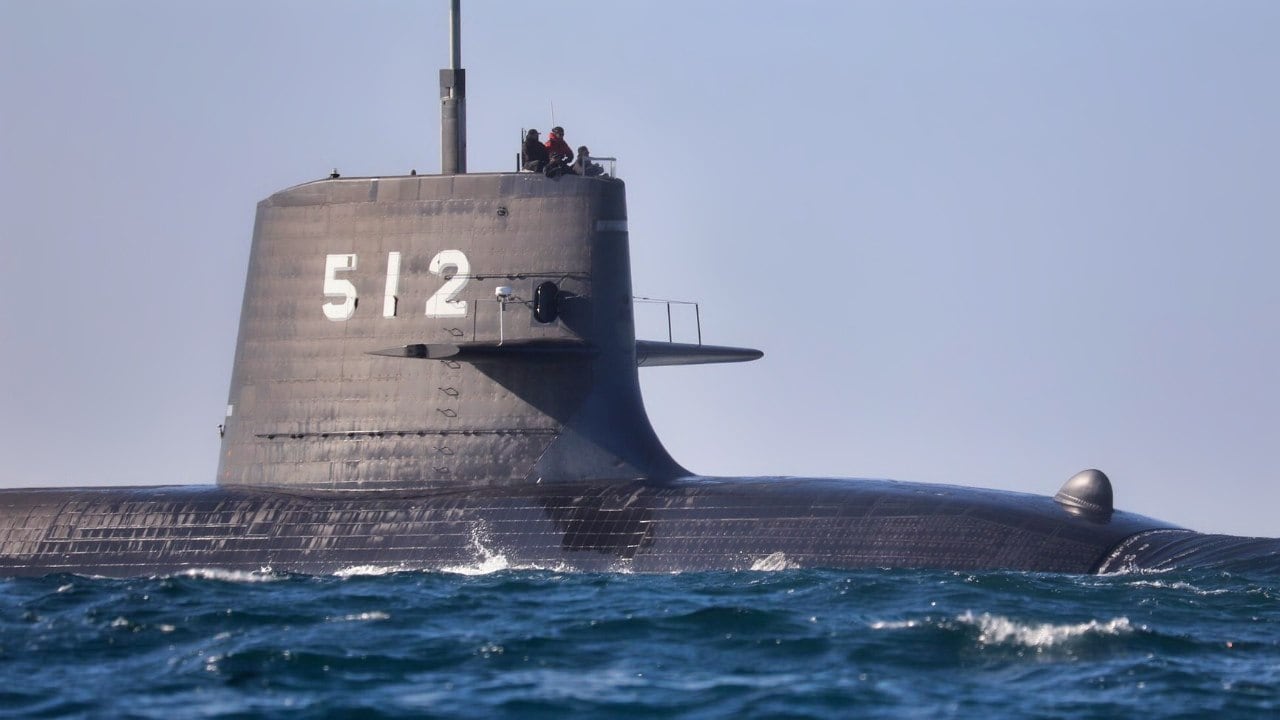
The conventional submarines of the JMSDF, including the Soryu class, excel in stealth and covert operations in shallow waters. They are a highly rational choice for monitoring straits and island chains. On the other hand, during long-term patrols, the need to recharge batteries and use snorkel operations constrains the rhythm of missions. In areas monitored by the Chinese Navy's submarines, drones, and satellites, the very time that can be spent submerged becomes operationally valuable.
What is Gained and Lost with Nuclearization
With a nuclear submarine, it is possible to remain submerged for long periods without reducing speed and to track distant SLOCs (Sea Lines of Communication). In joint operations with U.S. Navy attack submarines, the freedom for information gathering and maintaining contact would likely increase. However, the costs of establishing reactors, fuel, shipyards, and crew training from scratch cannot be measured solely by the hull price. Japan's narrow ports and existing supply systems would also require significant modifications.
Burden-Sharing in the Alliance Should Be Decided First
From the perspective of the Japan-U.S. alliance, Japan's possession of nuclear submarines does not automatically lighten the burden on the United States. Without determining command and control, management of nuclear materials, sharing of maintenance information, and responsibility sharing in the event of an accident, only the vessels will advance. Australia's AUKUS serves as a reference, but Japan has unique political conditions such as the Three Non-Nuclear Principles and the Basic Law on Nuclear Energy.
In my view, rather than immediately making a binary choice on the necessity of nuclear submarines, we should first verify long-term submerged training with the U.S. Navy, cooperation with unmanned underwater vehicles, and shortening the supply intervals for conventional submarines. The JMSDF's challenges are not limited to range. What is truly lacking is the personnel and maintenance capabilities to support operations for 30 years after acquisition. If the discussion on nuclear submarines obscures this, the debate on deterrence will end up being merely about the appearance of the fleet.
Reference Information
- Yomiuri Shimbun "Defense Minister Koizumi Calls for Debate on Introducing Nuclear-Powered Submarines to Japan's Self-Defense Forces"
- Kyodo News "Japan SDF to incorporate long-range missiles into drill with U.S. in Oct."
- JMSDF Official Announcement "Press Release"
Japan's Defense Minister Shinjiro Koizumi initiated discussions regarding the introduction of nuclear-powered submarines for the Japan Maritime Self-Defense Force, focusing on the implications for the US-Japan alliance. The Soryu-class submarines are recognized for their stealth, but the report emphasizes the need for careful consideration of command structures and infrastructure upgrades. The discussions are set against the backdrop of evolving maritime security challenges in the region.
- Japan's Defense Minister Shinjiro Koizumi initiated discussions on nuclear submarines.
- The Soryu-class submarines are noted for their stealth capabilities.
- The report highlights the challenges of integrating nuclear submarines into the US-Japan alliance.
- Japan's existing infrastructure may require significant upgrades for nuclear capabilities.
- The debate includes considerations of command and control, and nuclear material management.