
Mecca Joint Defense Agreement 2026: Saudi Arabia, Turkey, Pakistan Reshape Gulf Security After Iran War
 Ahmed Al-Rashid
The Mecca Joint Defense Agreement between Saudi Arabia, Turkey, and Pakistan 2026 Reshapes Gulf Security After the Iran War
On August 7, 2026, Saudi Crown Prince Mohammed bin Salman, Turkish President Recep Tayyip Erdoğan, and Pakistani Prime Minister Shahbaz Sharif signed the "Mecca Joint Defense Agreement" in Mecca. The text issued by the Pakistani Foreign Ministry and the Turkish presidency is identical in essence: any armed attack on any of the three countries is considered an attack on all, with the stated goal of "enhancing collective deterrence against any aggressive act." Three major Sunni countries, including the only nuclear power in the Islamic world, sign a joint defense agreement in the holiest city, while Washington has been bombing Iran since February and the Houthis are striking Saudi targets.
What Does the Agreement Actually Contain
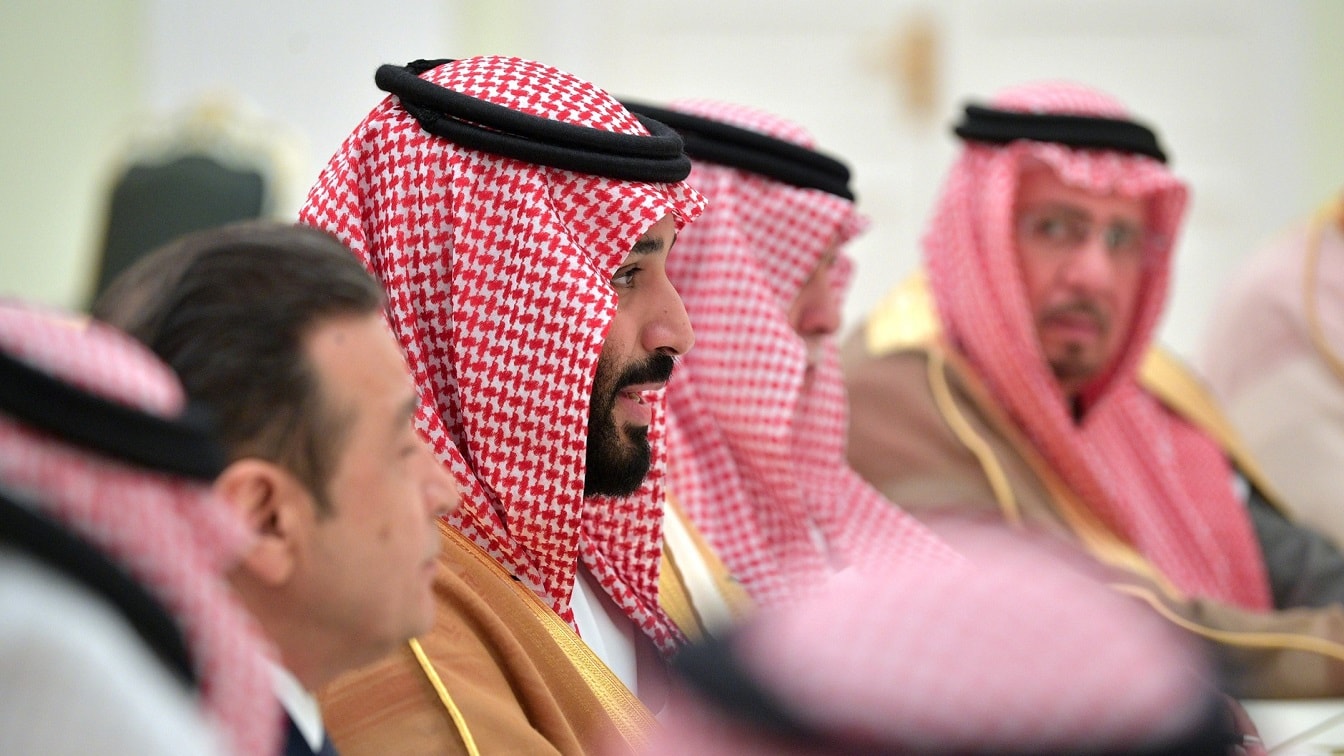
The agreement is more of a general framework than a detailed military alliance. In addition to the collective defense clause, it stipulates "enhancing all aspects of defense cooperation" among the three countries. Turkish reports speak of joint exercises, training, technology transfer, and intelligence sharing. A Turkish official described it as "purely defensive" and stated that it "is not directed against any specific party" and is open to other regional countries joining. A Saudi official denied that it is "a military axis or a sectarian bloc" or related to "any nuclear ambitions or arms race," emphasizing that it "focuses on building sustainable capabilities." The agreement does not annul existing bilateral agreements, including the Saudi-Pakistani joint defense agreement signed in September 2025.
Anyone reading the text of the agreement from a soldier's perspective, rather than a political analysis, will notice two things. First, the wording is deliberately vague: "any armed attack" without specifying the type of attack or the party, and "all aspects of defense cooperation" without a time frame or binding implementation mechanisms. Second, the absence of any mention of a specific party is less about diplomacy and more about an implicit acknowledgment that the potential enemy is known to all, but no one wants to name it in a document signed in Mecca. This balancing act between the need for deterrence and the desire to keep channels of de-escalation with Tehran open is at the heart of Saudi policy since the beginning of the war.
Why Now
Negotiations began after October 7, 2023, and accelerated with the U.S. and Israeli war on Iran. Riyadh, which hosts U.S. military assets, has been subjected to Iranian and Houthi strikes, Tehran has closed the Strait of Hormuz, and Washington has been unable to provide its Gulf partners with enough air defense munitions as most have gone to Israel. On March 19, 2026, the foreign ministers of the three countries met in Riyadh to discuss the agreement's framework, and prior to that, Islamabad and Riyadh had signed a bilateral agreement with the same collective defense clause in September 2025, following the Israeli strike on Doha.
The timing here is not coincidental. The signing came just days before the anniversary of October 7, and at the peak of a phase where Washington is discussing "negotiations" with Tehran over the Strait of Hormuz while the White House rejects any formula that allows Iran to impose fees on navigation. In other words, the three countries signed their agreement at a moment when the path to war remains as open as the path to settlement, which explains Riyadh's insistence on describing the agreement as "complementary" to existing agreements rather than a replacement, specifically regarding its relationship with Washington, which remains the backbone of Saudi security.
The New Triangle: Money, Industry, and Deterrence
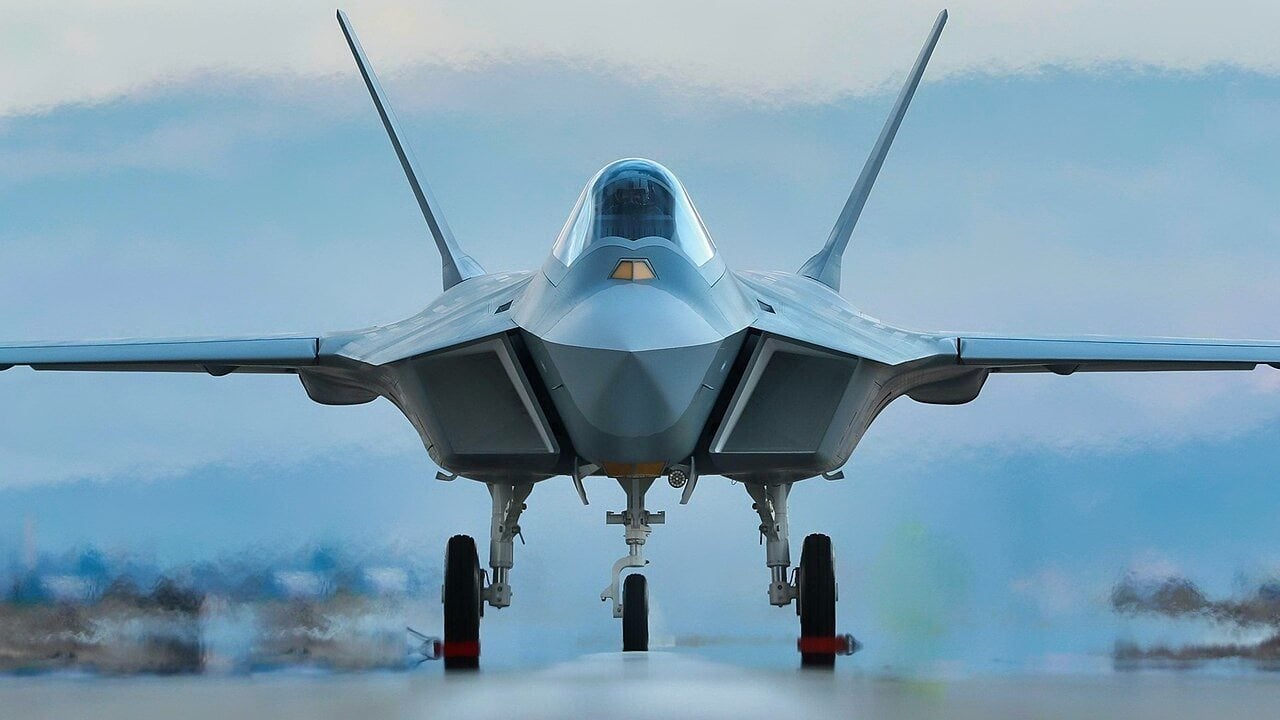
Practically, what does each party offer? Turkey has the second-largest army in NATO and a rapidly growing defense industry, from the KAAN stealth fighter to combat drones, but it is a NATO member and cannot convert the alliance's umbrella into an independent regional commitment. Pakistan offers military expertise and nuclear deterrence, but no one believes that nuclear deterrence extends to cover the skies over Riyadh. Saudi Arabia provides money and influence. This is a theoretically complementary triangle, but in the field, it remains more of a triangle of political signals than a triangle of ready combat capabilities.
What It Means for Real Deterrence
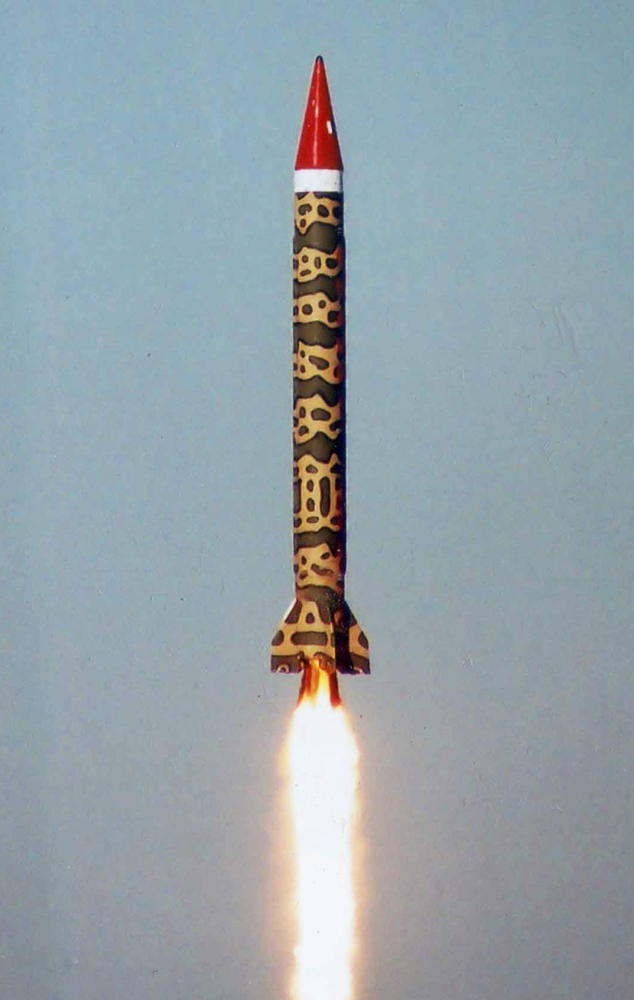
Any military personnel who has served in the region knows the difference between the text of an agreement and the ability to implement it. The clause "an attack on one is an attack on all" requires mechanisms: who decides? At what hour? What forces are ready to deploy? The agreement does not answer these questions. Joint exercises and training are good, but they do not fill the structural gap documented in recent weeks: Saudi Arabia has consumed about 65% of its Patriot missiles and 38% of its THAAD, and the Turkish and Pakistani alternatives are not yet ready. The agreement addresses political concerns but does not solve the problem of munitions and systems.
Here lies the paradox that official discourse avoids: the three countries are closer to each other in political stance than in their ability to militarily protect one another. Turkey and Pakistan have not been directly harmed by the Iran war so far, while Saudi Arabia is the one intercepting missiles and drones. In other words, the party most at risk is the one providing the money and infrastructure, while the others are offering what is further from the actual battlefield. This does not render the agreement worthless, but it defines its true nature: a mutual political security agreement, not a comprehensive military umbrella.
Iranian MP Ibrahim Rezaei: "A paper agreement with Turkey and Pakistan will not bring security to the Saudis, just as their unilateral reliance on the Americans did not bring them security."
Tehran and Tel Aviv
The Iranian reaction came swiftly from a parliament member, not from the leadership, which in itself is an indication that Tehran wants to keep the door open. MP Ibrahim Rezaei wrote that "a paper agreement with Turkey and Pakistan will not bring security to the Saudis, just as their unilateral reliance on the Americans did not bring them security." Israel has remained officially silent, but its former Prime Minister Naftali Bennett had previously described Turkey as "the new Iran" and accused it of building an "anti-Sunni axis" with Pakistan. Here I disagree with Bennett: this agreement is not an axis against Israel, but a safety net against the uncertainty created by the war. All three countries have been calling for de-escalation, not escalation, and Pakistan has played a mediating role between Washington and Tehran.
As for Washington, it has not yet commented officially, and this silence is likely intentional. The U.S. administration finds itself facing a difficult equation: on one hand, the agreement does not affect U.S. military superiority in the Gulf nor threaten arms sales that have reached about $41 billion to Gulf countries in just six months. On the other hand, it is a reminder that Washington's partners have begun to build parallel safety networks, just as Turkey itself did when it purchased the Russian S-400 system and then returned to NATO's embrace. History here may repeat itself in an Islamic form: diversification as a pressure policy on Washington, not as a departure from it.
Conclusion
The Mecca Agreement places Saudi Arabia at the heart of a new Islamic defense triangle and sends a clear message to Washington: the Gulf partner is seeking additional options, not a ready alternative. However, the structural contradiction remains: Riyadh wants strategic independence while still relying on the American umbrella for its actual protection, and the new agreement expands its political options without providing a ready operational alternative. Practically, Saudi Arabia has bought political time. The question that will remain open is: when will the Mecca paper turn into field capability, or will it remain, as Rezaei said, a paper distributed at conferences and not read in operations rooms?
Saudi Arabia, Turkey, and Pakistan signed a joint defense agreement in Mecca on August 7, 2026, establishing a collective security framework. The agreement stipulates that any armed attack on one of the nations will be viewed as an attack on all three. It aims to enhance defense cooperation and deterrence amid rising tensions in the region, particularly following the Iran conflict.
- Saudi Arabia, Turkey, and Pakistan signed a joint defense agreement in Mecca on August 7, 2026.
- The agreement states that an armed attack on one of the countries is considered an attack on all.
- The agreement aims to enhance collective deterrence against aggression.
- The agreement includes provisions for defense cooperation, joint exercises, and intelligence sharing.
- The timing of the agreement coincides with ongoing military tensions in the region.