
Mr. Putin's First Visit to the Northern Territories: Japan-Russia Conflict Reaches a Point of No Return
 Tanaka Takashi
President Putin's First Visit to the Northern Territories: Japan-Russia Conflict Reaches an Irreversible Stage
On August 13, Russian President Vladimir Putin visited the Northern Territories (Southern Kuril Islands). This marks his first visit as president. Prime Minister Sanae Takaichi stated the following day that it was "absolutely unacceptable" and formally protested through the Ministry of Foreign Affairs. The Japanese government is reportedly considering new sanctions against Russia.
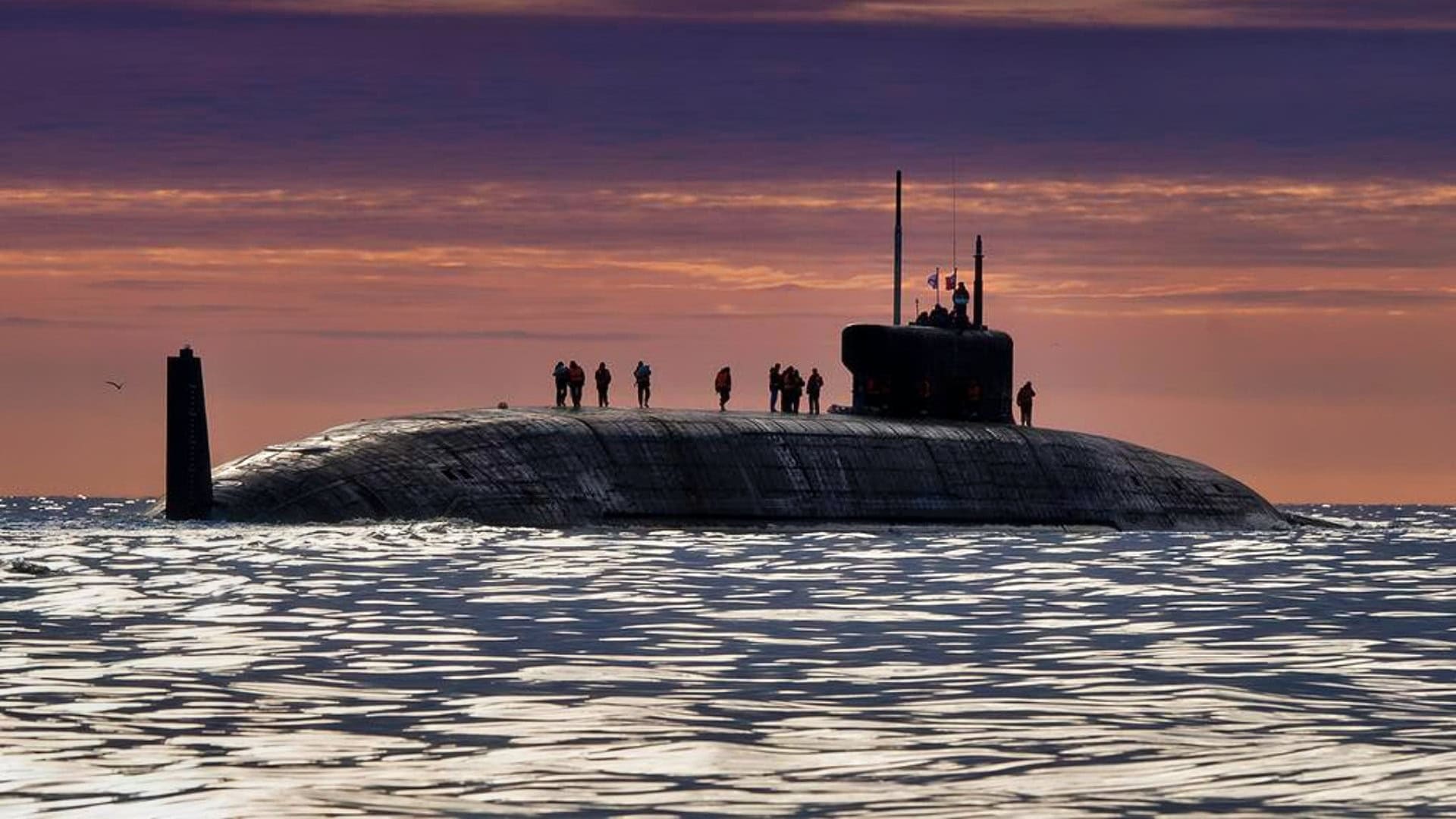
This visit is not a standalone diplomatic event. The Russian Ministry of Defense has been conducting large-scale exercises from August 5 to 29, including the waters surrounding the Northern Territories, the Sea of Japan, the Sea of Okhotsk, and the Northwest Pacific, with approximately 60 ships, around 30 aircraft, and over 13,000 personnel participating. Putin's visit took place in the midst of these exercises.
Two Layers of "Capability" and "Will"
The author believes that this visit should be understood in terms of two layers: "capability" and "will."
First, the layer of "will." The very act of stepping onto the Northern Territories is nothing less than a declaration that the territorial issue is off the table for negotiations for Russia. Since the invasion of Ukraine in 2022, negotiations for a Japan-Russia peace treaty have been stalled. The transfer of the Habomai Islands and Shikotan Island, promised in the 1956 Japan-Soviet Joint Declaration, has effectively become a dead letter. This visit can be seen as a physical demonstration of that fact.
Next, the layer of "capability." The visit itself has little military substance. The issue lies in the simultaneous deployment of a fleet exercise involving 60 ships. This serves both as a demonstration of the defense posture of the Northern Territories and as pressure on Japan's maritime transportation routes (SLOC) in the Sea of Japan and the Soya Strait.
A Perspective from the Sea of Okhotsk
For the author, who comes from the Japan Maritime Self-Defense Force, the Northern Territories are not merely a territorial issue. The island chain of Etorofu, Kunashiri, Shikotan, and the Habomai Islands is positioned to choke off access to the Sea of Okhotsk. The Sea of Okhotsk is a sanctuary for the Russian Pacific Fleet's strategic nuclear submarines (SSBNs) and also serves as a base for attack submarines like the Yasen class. For Russia, the Northern Territories represent a military terrain that protects the outer perimeter of this sanctuary.
In other words, Putin's visit is equivalent to a confirmation that Russia has redefined the Northern Territories from being a "subject of return" to a "permanent defense line."
Japan's Dead End
Japan's response, for now, remains limited to diplomatic protests and consideration of additional sanctions. This asymmetry may actually be the most serious issue.
In recent years, Japan has shifted the focus of its defense capabilities towards the southwestern islands. The 2026 Defense White Paper states that we are in the "most severe security environment since the war," and the urgent development of counterstrike capabilities (acquisition of 400 Tomahawks, extending the range of Type 12 and Type 25 missiles) has primarily been aimed at China. However, if Russia increases military pressure on the Northern front, Japan will have to respond simultaneously to threats from both the southwest and the north. During the Cold War, the greatest threat came from the north. That memory is now resurfacing in a different form.
The real challenge lies not in the speed of information sharing between Japan and Russia or the wording of sanctions. It is in the speed of political decision-making regarding how much of the military force that Japan has deployed in the southwest can be redirected to the north. Currently, Tokyo does not yet have an answer to that question.
On August 13, 2023, President Putin visited the Northern Territories, marking his first visit as president during a large-scale military exercise involving 60 ships and over 13,000 personnel. This visit is viewed as a declaration that the territorial dispute is not open for negotiation. In response, Japan's government lodged a formal protest and is contemplating additional sanctions against Russia, reflecting the escalating tensions between the two nations.
- Putin visited the Northern Territories for the first time as president on August 13, 2023.
- The visit coincided with a large-scale military exercise involving 60 ships and over 13,000 personnel.
- Japan's government protested the visit and is considering new sanctions against Russia.
- The military exercise is seen as a demonstration of Russia's defense posture in the Northern Territories.
- The geopolitical implications of the visit highlight the ongoing tensions between Japan and Russia.