
P-8A and the Submarine Cooperation of Japan, the U.S., and South Korea Testing the 2026 Western Pacific Supply Network
 Tanaka Takashi
P-8A and the Trilateral Submarine Cooperation of Japan, the U.S., and South Korea Testing the 2026 Western Pacific Supply Network
An analysis by the Pacific Forum published on October 8 pointed out that the cooperation among the U.S., South Korea, and Japan is evaluated not by the number of joint exercises but by wartime sustainability. This coincides with the training conducted in August, where submarines from the U.S. Navy, Japan's Maritime Self-Defense Force, and the South Korean Navy practiced mutual tracking and underwater space management, with the Australian Air Force's P-8A Poseidon joining in.
The Next Challenge for Submarine Cooperation
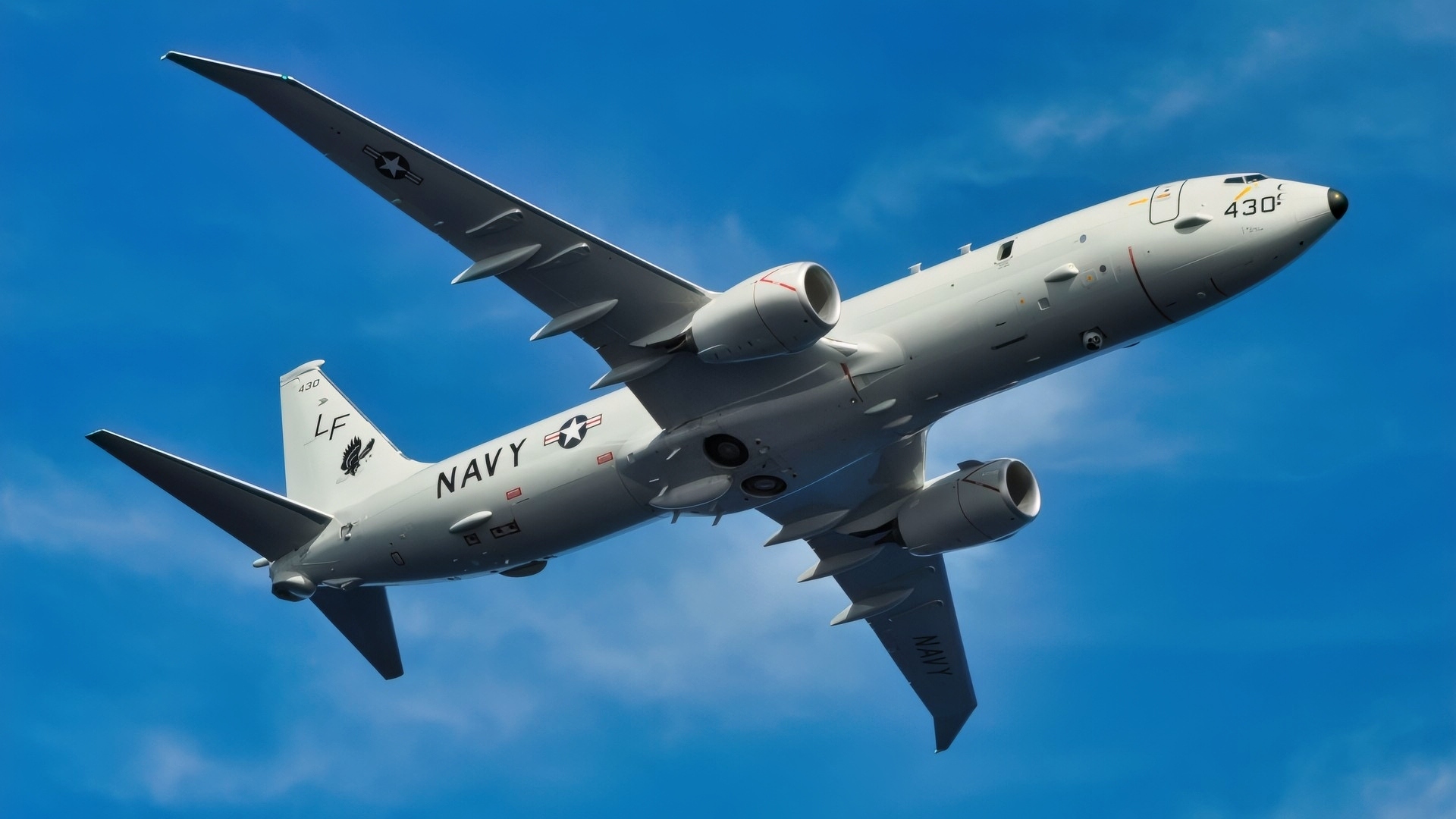
The P-8A can drop sonobuoys and process wide-area acoustic information. The combination of submarines conducting highly covert tracking and patrol aircraft quickly narrowing down areas of potential contact represents a realistic configuration for detecting Chinese Navy submarines outside the First Island Chain. However, detection capability and sustainability are not the same. If supply ships, fuel, spare parts, and maintenance bases come under attack or cyber disruption, even an excellent sensor network can be diminished within weeks.
Institutional Gaps Between Japan and South Korea
What the Pacific Forum and Asia Times emphasize in common is that while Japan and South Korea have a framework for mutual logistical support with the U.S., there is no direct agreement between the two countries. If ammunition, refueling, medical support, and repairs for damaged vessels are left to political decisions after a crisis occurs, operational tempo will be lost. South Korea prioritizes North Korea, while Japan focuses on the southwestern islands and the Taiwan Strait. This difference in priorities directly affects not only the operational areas for submarines but also which ports will be used as rear bases.
The "Second Month" That Determines Alliance Effectiveness
The challenges of trilateral cooperation discussed by CSIS have been information sharing and the institutionalization of exercises. What is now needed is a decentralized logistics system that goes beyond that. Rather than hastily creating a unified command or a single joint inventory, it would be more practical to pre-approve repair capabilities, parts, fuel, and limited ammunition transfers from peacetime, ensuring that bases in Yokosuka, Sasebo, and southern Korea can complement each other.
In the author's view, the first test of the deterrent capability of Japan, the U.S., and South Korea is not whether submarines can be detected, but how many days the forces can be kept in the same area after detection.
The true weakness lies not in a lack of capability, but in the moments when sovereignty and domestic politics halt the speed of supply.
Referenced Sources
The U.S. Navy, Japan Maritime Self-Defense Force, and South Korean Navy conducted joint submarine operations in the Western Pacific, utilizing P-8A Poseidon aircraft for anti-submarine warfare. The analysis highlights the need for improved logistical frameworks between Japan and South Korea to maintain operational tempo during crises. The report underscores that the true test of deterrence will be the ability to sustain forces in the same area after detection.
- The U.S., Japan, and South Korea are enhancing submarine cooperation in the Western Pacific.
- P-8A Poseidon aircraft are being used for anti-submarine warfare training.
- There is a lack of direct logistical agreements between Japan and South Korea.
- The effectiveness of the alliance depends on the ability to sustain operations in the face of political and logistical challenges.
- The report emphasizes the importance of pre-approved logistics for effective military operations.