
Philippine Trainer Aircraft Collision: 4 Pilots Dead, Why Does the Philippine Air Force Experience Frequent Accidents with This Aircraft Model?
Two SF-260 trainer aircraft of the Philippine Air Force recently collided mid-air and crashed during training at Fernando Air Base, resulting in the deaths of four pilots. The Philippine Air Force announced on the 24th that all SF-260 trainer aircraft would be temporarily grounded.
In the past three years, there have been three fatal accidents involving the same aircraft model, resulting in the loss of five trainer aircraft and the deaths of eight pilots. What caused the collision this time? Why does the Philippine Air Force experience frequent accidents?
Mechanical failure or loss of control?
Experts analyze the cause of the accident
A video recorded by a witness at the scene has circulated on social media, showing one trainer aircraft rapidly approaching another from a higher altitude without making any apparent evasive maneuvers, ultimately leading to the collision. This flight exercise was not a dual aircraft solo training; in addition to the two aircraft involved in the accident, several other planes were flying in the same area.
Military commentator Fu Qianshao: The two aircraft were in a relatively low flight state when they suddenly approached each other dangerously, ultimately resulting in the collision. What exactly happened to the aircraft that was rapidly approaching the other SF-260? Was it a mechanical failure that led to loss of control, or did the pilot fail to observe the surroundings carefully, resulting in the collision? Both possibilities exist.
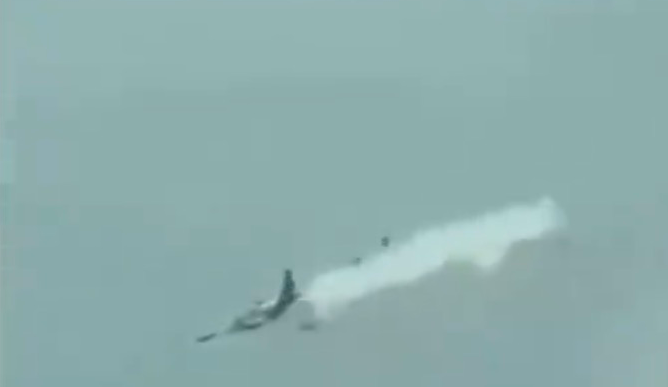
△ Social media exposes footage of the collision between the two trainer aircraft in the Philippines
Currently, the conclusion of the accident investigation has not been released. Since all four pilots died, and it is still unknown whether the SF-260, as a primary trainer aircraft, is equipped with a black box, the difficulty of the investigation has greatly increased. Zhang Xinmin, former deputy leader of the August First Aerobatic Team and a senior pilot, based on the available information, speculates that there are three main possibilities for this collision.
The first scenario is that during a turn or maneuver, the wingman did not control the altitude difference properly, obscuring the lead aircraft ahead, or some actions were frantic and speed control was improper, which could lead to a collision.
The second scenario is that while joining the flight path on the way back, improper coordination occurred within the airspace above the runway or even within the landing zone, and the commander did not notice the flight paths of the two aircraft within visual range, failing to make timely adjustments, which could also lead to a collision.
The third scenario is that during a maneuver, the pilot did not allocate attention properly and failed to maintain the prescribed flight altitude, which could also result in a collision.
Zhang Xinmin further points out that currently, the probability of military aircraft colliding during training worldwide is relatively low, but generally, human factors are the main cause of accidents.
Zhang Xinmin: This collision involved primary trainer aircraft, and it is possible that among the four pilots, two were flight students; the likelihood of all four being experienced pilots is low. The psychological state of flight students during the primary trainer aircraft phase is particularly important.
What type of aircraft is the SF-260?
Why does the Philippine Air Force experience frequent accidents?
The SF-260 is a single-engine subsonic trainer aircraft developed by the Italian company Aviamilano in the 1960s. It first took to the skies on July 15, 1964, and has since been primarily used as a primary trainer for pilot training.
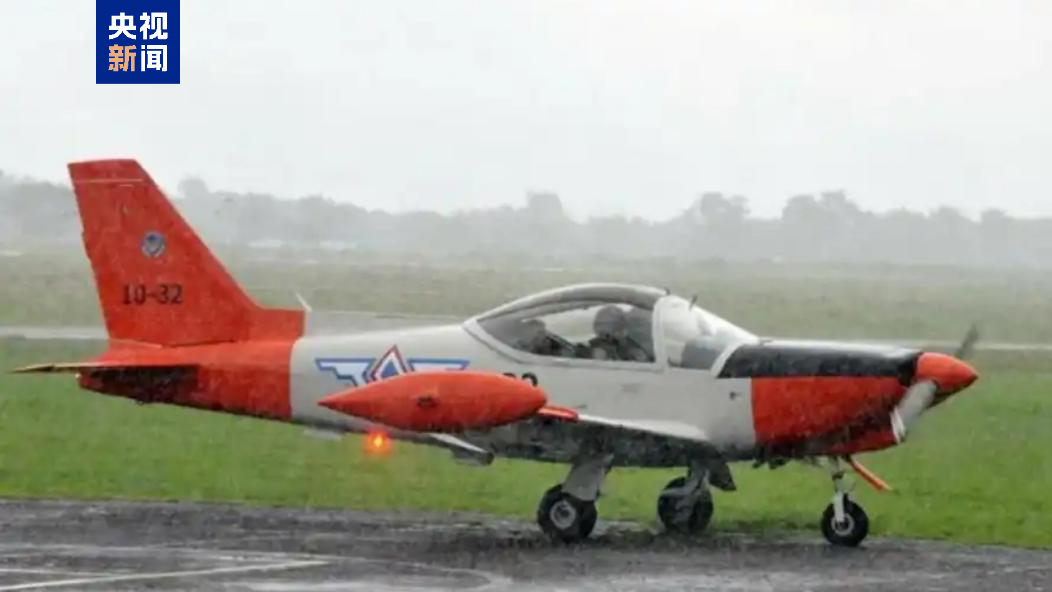
SF-260 reference image
Fu Qianshao: In the 1970s, the SF-260 was equipped with the Italian Air Force, and the early model used a piston engine. By the 1980s, the SF-260 was upgraded to a turboprop engine, which has greater power, higher flight speed, and better maneuverability.
It is worth noting that this collision is not the first incident involving the SF-260, nor is it the first time the Philippine Air Force has announced a grounding. In 2023, an SF-260 crashed during a training flight, resulting in the deaths of two pilots; just this year on May 20, an SF-260 crashed during training in Benguet Province on Luzon Island, killing two pilots. The Philippine Air Force grounded the remaining 16 aircraft of the same model, but the grounding order was lifted in early August, and the fleet resumed tactical flight training. Now, the same model has experienced a more severe incident, with a dual aircraft collision resulting in four fatalities. The recurrence of similar issues is certainly not coincidental, exposing problems such as funding shortages, aging aircraft, and training management within the Philippine Air Force.
Military commentator Song Xiaojun: The financial issues of the Philippine Air Force are indeed significant. Firstly, this leads to shorter flight times and insufficient experience for pilots; secondly, the maintenance and upkeep of the aircraft are inadequate, with a lack of spare parts or aging parts not being replaced in time.
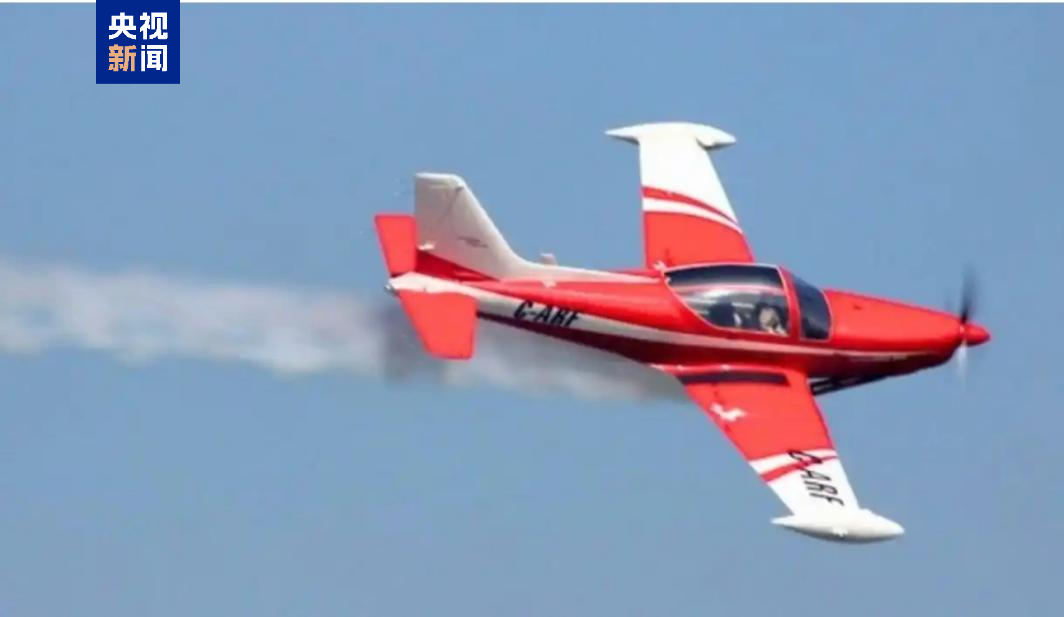
SF-260 reference image
Repeated incidents involving the same model, repeated groundings of the fleet, and repeated interruptions in training have continuously compressed the narrow pathway for pilots. In just over three years, the Philippine Air Force has lost a total of five trainer aircraft and eight pilots, which undoubtedly adds to the difficulties faced by the already limited Philippine Air Force. As Fu Qianshao stated, repeated accidents will have an extremely significant impact on the subsequent training and long-term development of pilots.
Fu Qianshao: The Philippine Air Force is already relatively weak, with very few trainer and combat aircraft, and the aircraft are old with high failure rates. With insufficient aircraft and frequent failures, the flight hours and training difficulty for pilots will be affected. If pilots' flying skills cannot be rapidly improved or remain at a low level, the likelihood of flight accidents will also increase.
Reporter丨Cai Zihan
Two SF-260 trainer aircraft from the Philippine Air Force collided during training at Fernando Air Base, resulting in the deaths of four pilots. This incident marks the third fatal accident involving the SF-260 model in over three years, prompting the Air Force to temporarily ground all such aircraft. An investigation is underway to determine the cause of the collision, with both mechanical failure and pilot error being considered.
- Two SF-260 trainer aircraft collided during training at Fernando Air Base, resulting in the deaths of four pilots.
- The Philippine Air Force has temporarily grounded all SF-260 aircraft following this incident.
- This is the third fatal accident involving the SF-260 model in over three years, with a total of five aircraft lost and eight pilots dead.
- The investigation into the cause of the collision is ongoing, with mechanical failure and pilot error being considered as potential factors.