
Post-00s Female Pilot Takes to the Skies in Y-20! Talent? She Says There's Never a Lack of Talent Here
She was the only female flight cadet admitted from the three northeastern provinces back then.
She graduated first in the comprehensive ranking of the primary training aircraft.
Upon graduation, she flew the Y-20.
Others say she is a "natural talent."
But she says,
here with us,
what we lack the least is talented people.
From 19 to 24 years old,
she only did one thing:
make herself worthy of the blue sky above.
Today, I recommend to you
Li Xueran, a pilot from a certain unit of the Air Force Aviation Corps,
a "post-2000" female pilot's journey of tempering.
↓↓↓
Standing under the enormous wings of the Y-20, I felt even more the weight of the phrase "heavy equipment of a great power." In 2025, I completed my stage training with the first comprehensive ranking in the primary training aircraft, and after several rounds of selection, I finally obtained the "ticket" to board it. I knew in my heart that from enlisting at 19 to sitting in the "Kunpeng" cockpit, these years of experience were just the prologue to a longer journey.
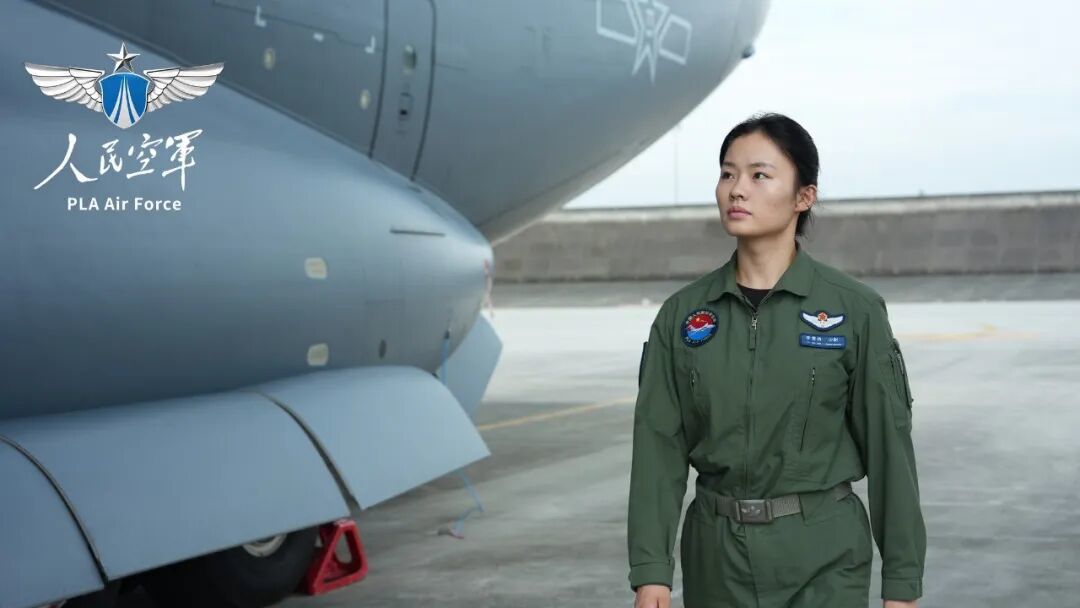
I wanted to be a soldier since I was young, but I never thought about becoming a pilot; it always felt too distant. In my senior year of high school, the Air Force recruitment team came to our school, and the teacher arranged for me and another girl to attend the presentation. She was excited after listening and decided to apply; I thought, "I'll accompany her and just go for the physical examination," so I signed up too. To my surprise, I passed through over 100 initial selection checks one by one. By the time of the re-selection, the application form had gone from a thick stack to a thin pile. At that moment, a thought popped into my mind: maybe I really can do this. In the end, I became the only female flight cadet admitted from the three northeastern provinces that year.
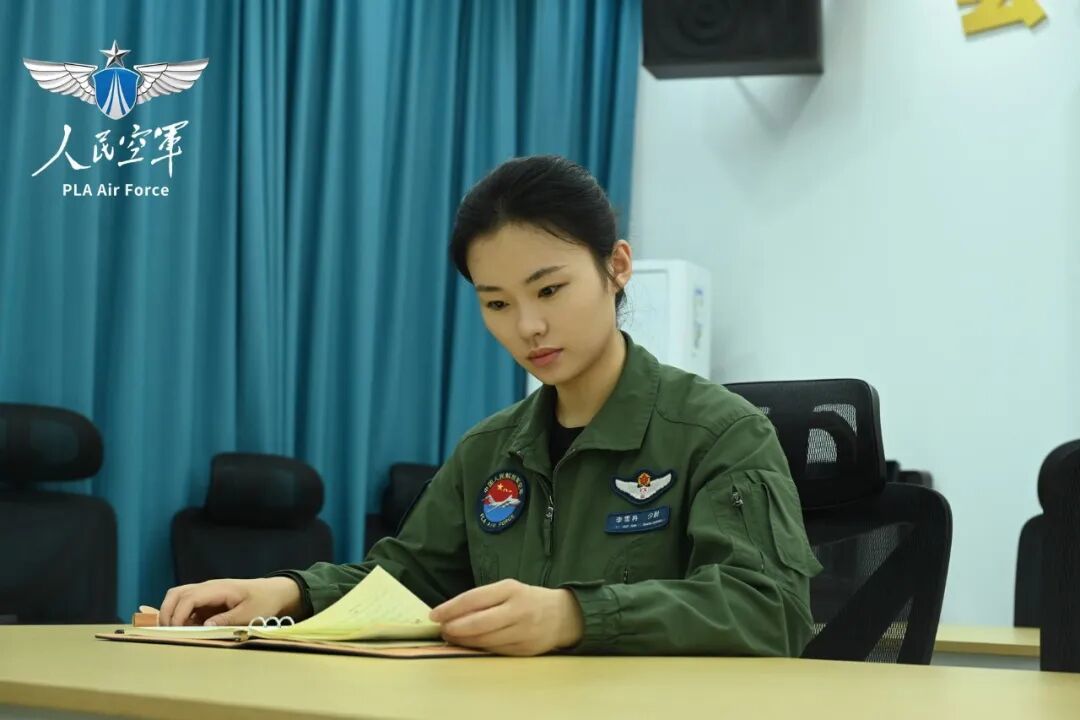
True growth began when I stepped into the military camp. Physical training, aviation theory, flight techniques—every day challenged the limits of my body and will. It was through this tempering that I realized one thing: since I am in my youth, why not dedicate myself to the country? This awakening is hard to pinpoint to a specific moment. Perhaps it was the resilience of the older generation of female pilots I felt in class, or perhaps it was the tearful eyes of the gray-haired aircraft designer when he spoke of "having our own aircraft." I slowly understood that this aerospace endeavor is supported by countless people.
Growth must come step by step. During the time I was learning aerobatics, the pressure was the greatest. I had to complete flips in the air, and the data on the instrument panel changed dramatically, causing a natural instinct to panic. The only way to cope was to repeatedly simulate the actions on the ground, practicing the connections between movements, throttle coordination, and gaze shifts until they became muscle memory. On the day of the assessment, when I actually performed the maneuvers, I felt calm instead. After landing, my palms were sweaty, but I felt a sense of stability I had never experienced before.
Thus, I gradually honed myself in the military. After graduating from the primary training aircraft, I transitioned to the Y-7 and, after passing several assessments, became a co-pilot of the Y-20.
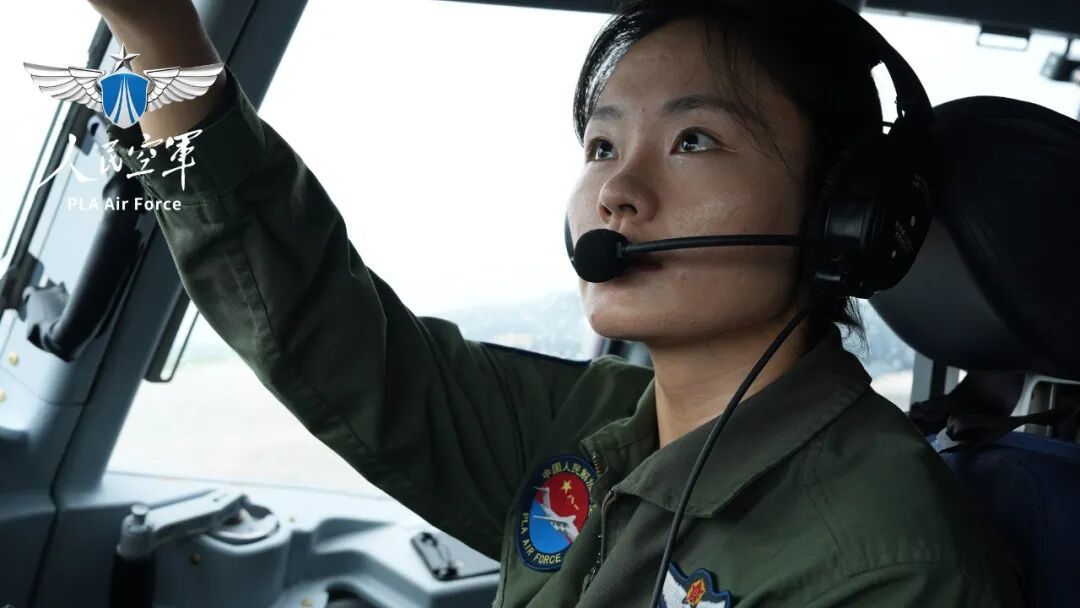
The first time I entered the Y-20 cockpit, the array of instruments and control sticks made me realize that everything had to be learned from scratch. Our group of female transport aircraft pilots has an average age of only 22. Youth is an asset, but it also means responsibility; standing under such iron wings, I must grow faster. Once, while landing at an unfamiliar airport, I encountered a strong crosswind. The instructor was flying, and I watched him calmly correct and adjust; the entire aircraft was under his control, ultimately landing smoothly. At that moment, I understood that I still had a long way to go to become a mature pilot.
Now, I have completed the required flight hours and am a level three co-pilot. After each flight, I review the process from the beginning, and if I encounter any uncertain parts, I continue to think about them while practicing my physical fitness. I found that when my body is in motion, my mind becomes clearer and it is easier to sort out the details of the operations.
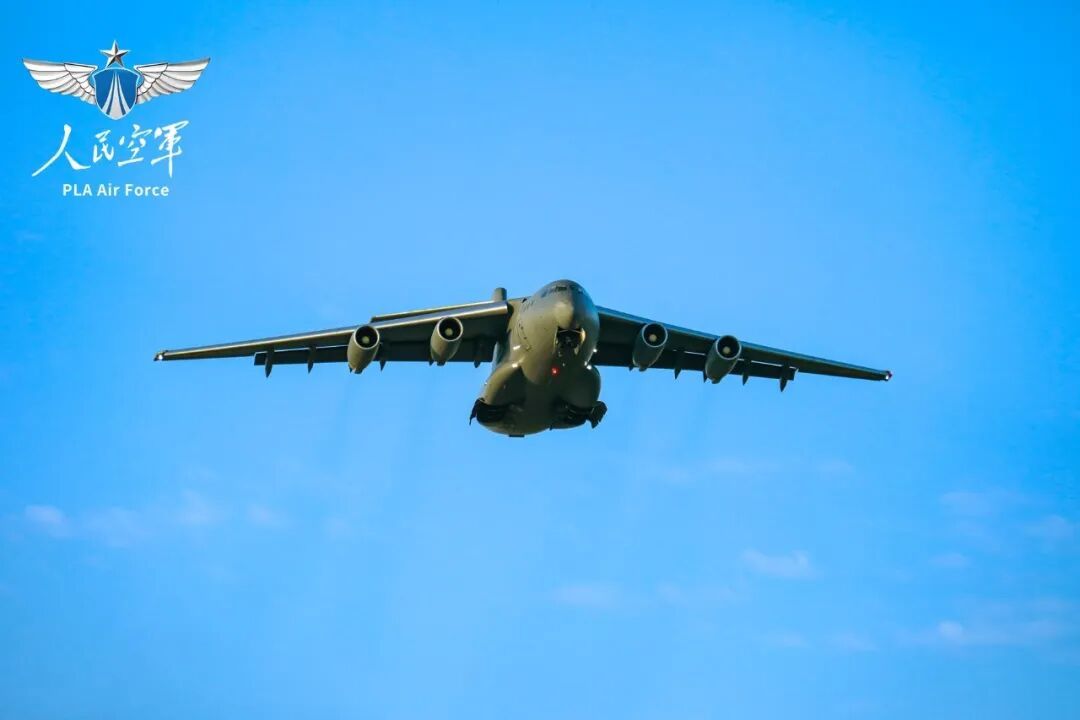
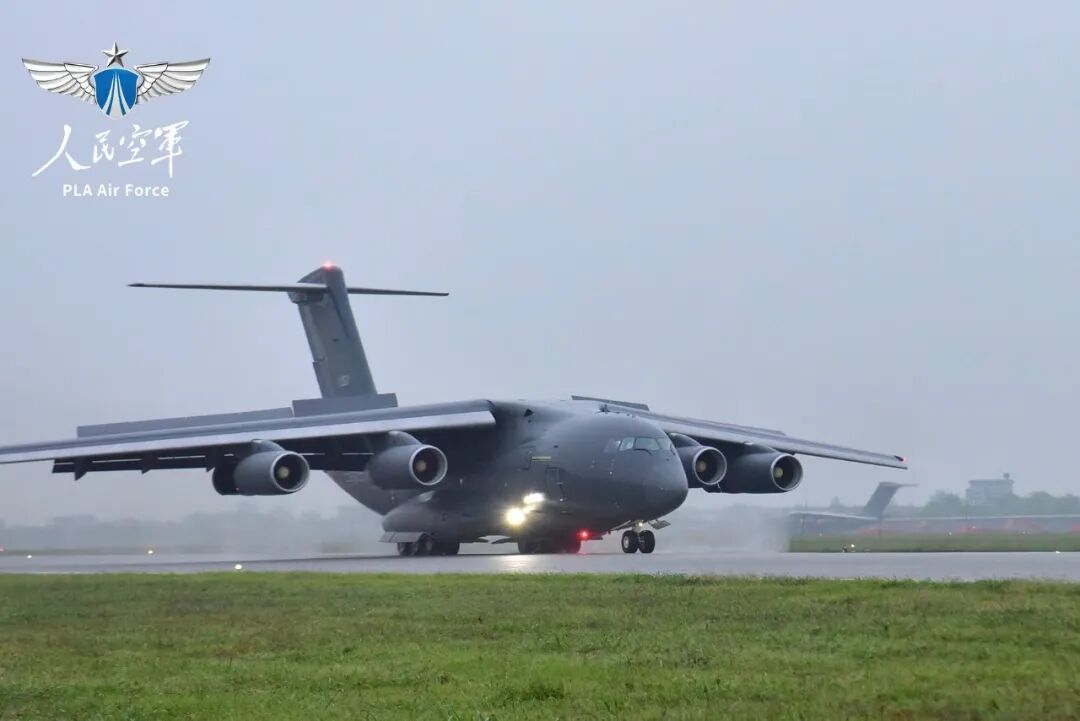
This year marks the tenth anniversary of the Y-20's official service. When the spotlight shines, we still train and stand guard in an orderly manner. For me, flying the Y-20 is a new starting point, a point from which I can lead the team to complete flight missions, a point from which I can better contribute to the country.
On the wall of our unit, there is a saying: "Fly to where the motherland needs us most." Every time I see this line, I remember the mountains and rivers I saw the first time I piloted alone. The sky is vast, and the land I need to protect is right beneath my wings.
This road is long, but I will keep flying.
Li Xueran, the only female flight student from Northeast China, graduated first in her class and became a co-pilot of the Y-20 aircraft. She underwent extensive training, facing physical and technical challenges, and now plays a crucial role in the Air Force. The Y-20, a significant military asset, marks a new beginning for her in contributing to national defense.
- Li Xueran is the only female flight student admitted from Northeast China.
- She graduated first in her class and became a co-pilot of the Y-20.
- The Y-20 aircraft is a significant military asset for China.
- Li Xueran's training involved rigorous physical and technical challenges.
- She emphasizes the importance of contributing to the country through her role as a pilot.