
Rheinmetall's Marder and Boxer Lift in Kassel Costs 260 Million Euros — and Highlights Europe's Order Problem
 Dr. Klaus Weber
Rheinmetall's Marder and Boxer Hub in Kassel Costs 260 Million Euros — and Highlights Europe's Organizational Problem
More than 260 million euros, more than 30,000 square meters of new space, more than 1,000 additional jobs in the pipeline: On paper, the North Hesse Defence Hub project looks like exactly the industrial turning point that Berlin has been promising for three years. Rheinmetall and the Hesse state government announced on August 27 in Calden their intention to expand the existing Kassel armaments cluster with a logistics and training center as well as drone testing capabilities. But is that enough? For Germany's defense industry, this is a sensible step. For Europe's defense capability, it is not yet a strategic breakthrough, but primarily evidence that the continent continues to build halls before clarifying the common procurement logic.
A logistical expansion for expected large orders
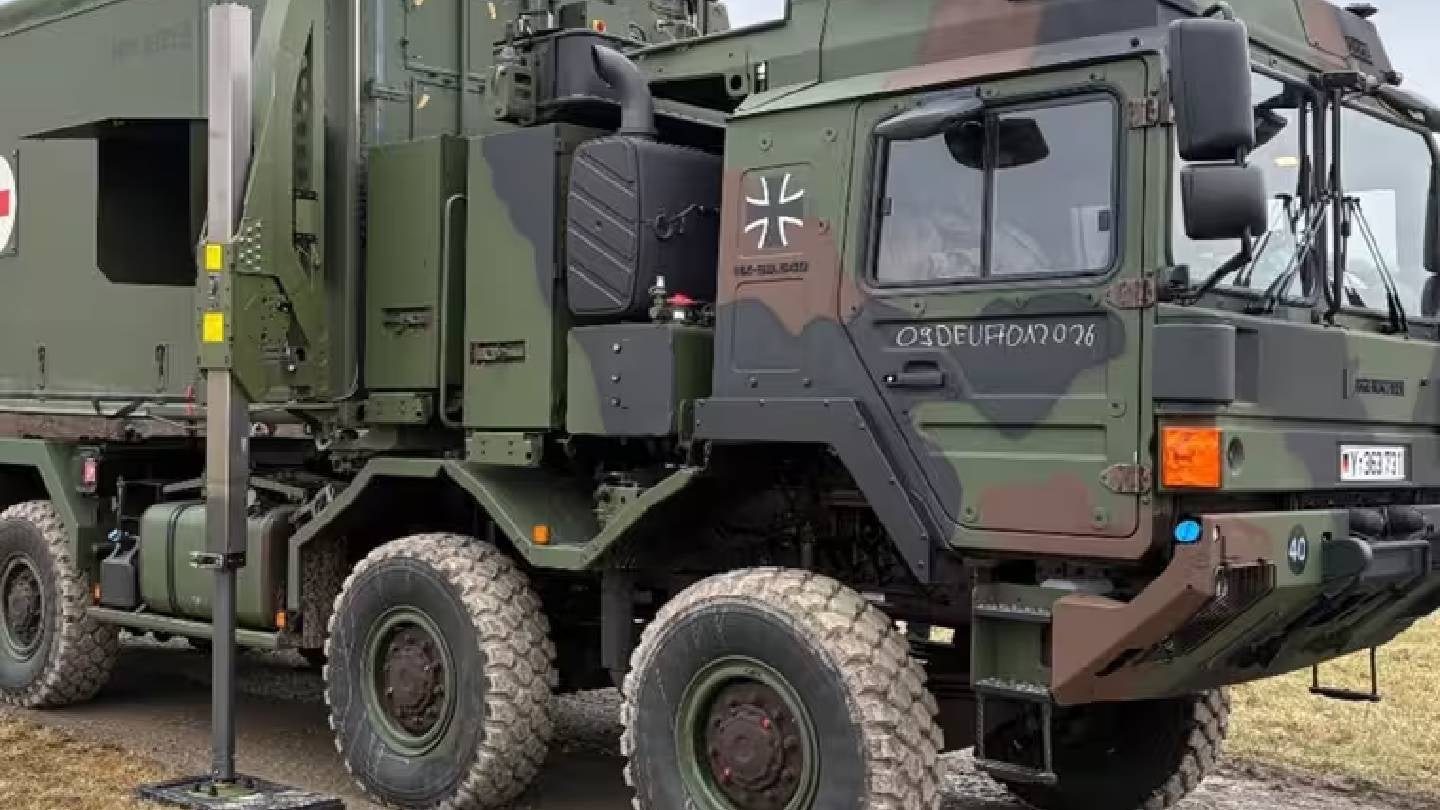
The known key data is remarkable. According to Defence Industry Europe, the new center is to be established at Kassel-Calden Airport, start operations by the end of 2027, shorten processing times for orders, streamline supply chains, and accelerate delivery to both German and international customers. A 1,200 square meter training facility is also planned, along with the relocation of part of the logistics from the current plant in Kassel's Mittelfeld. Around 2,200 employees are already working there on wheeled and tracked vehicles as well as their maintenance.
Market reports based on dpa-AFX specify the financial framework: Rheinmetall plans to invest more than 260 million euros in Kassel and Calden, with the state of Hesse contributing a double-digit million amount. Additionally, there is already an announced Hesse drone competence center amounting to another 8 million euros. The political message is clear: North Hesse is to become not only a production site but also a military infrastructure hub.
Why Kassel is important for Marder, Boxer, and future vehicles
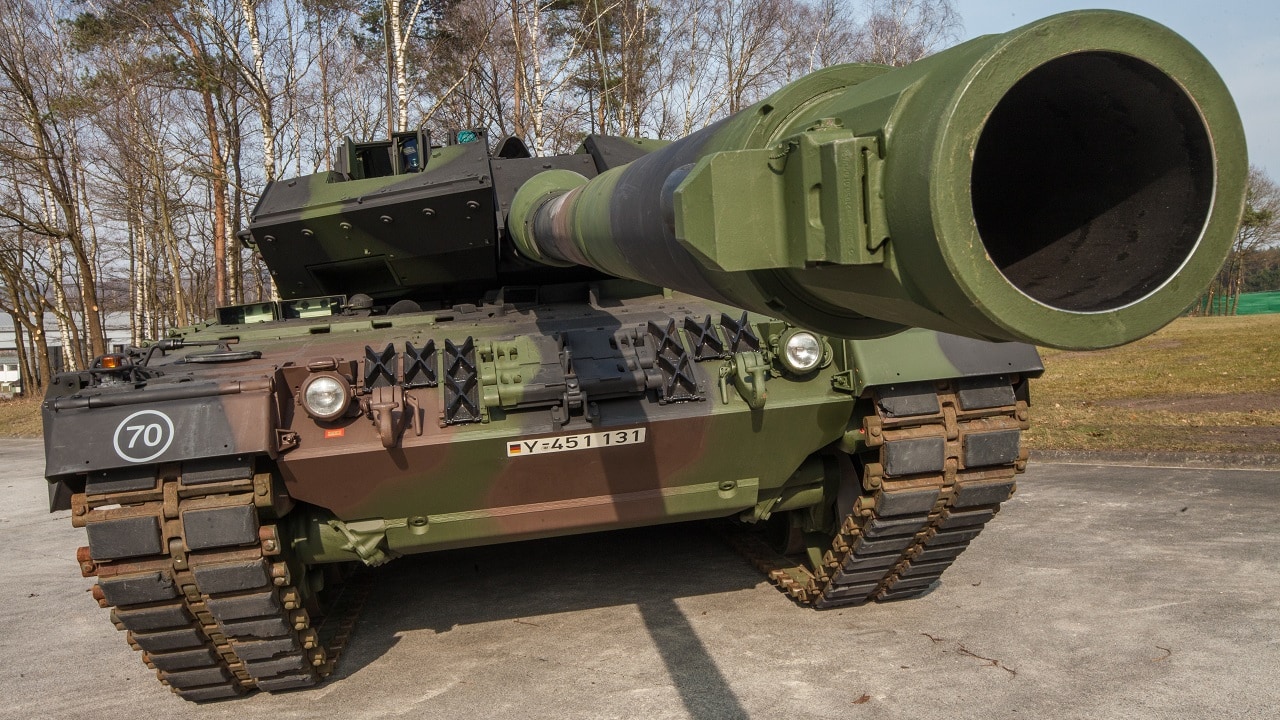
For a company like Rheinmetall, this is rational. Kassel has been a core location for German army mobility for years. Here, modernization, maintenance, system integration, and logistical preparation come together for those vehicle families that are once again significant in Europe's land warfare: Marder, Boxer, recovery and support vehicles, and prospectively new tactical platforms. That Papperger explicitly refers to "significant orders in the area of military vehicles" is therefore not just a PR statement, but an industrial political announcement. The Bundeswehr will need not less, but significantly more heavy and sustainable land mobility for NATO planning in the 2030s.
The strategic context is clear. Since the Ukraine war, Europe has learned that tanks do not fight in isolation. Crucial are spare parts cycles, workshop capacity, supply, training, the return of damaged systems, and rapid industrial recovery. In this sense, a logistics center is often more militarily relevant than another ceremonially presented prototype hall. Vehicles like the Boxer or modernized Marder gain their value only when they can be maintained in stock with high availability over the years.
Germany's strength remains nationally organized
And this is where the real problem begins. The expansion in Kassel improves Germany's industrial responsiveness, but it does not answer the core European question: Who actually orders with what priority system for which common capability plan? Europe does not produce too few announcements, but too many national procurement strands. If each country organizes its tank, ammunition, and drone logic separately, capable factory islands emerge without a truly integrated armed force.
This is the well-known European confusion of capacity and capability. 30,000 additional square meters are capacity. They only become capability when the Bundeswehr, partner armies, and NATO planners can access coordinated spare parts standards, maintenance rhythms, training profiles, and procurement sequences. Otherwise, Kassel remains an efficient German hub in an inefficient European network. More concrete does not solve an organizational problem.
Precisely for this reason, the political framing also appears ambiguous. Prime Minister Boris Rhein speaks of a military hub with research, test operations, and training flights. This sounds like strategic depth. In fact, it primarily shows how strongly the German turning point is now being regionalized: states, airports, industrial parks, and clusters are becoming carriers of defense policy. This can be economically sensible. But defense integration is thus rather territorially condensed than European unified.
Drone research as a complement, not a solution
The drone aspect deserves special attention. That Calden is to receive testing capabilities for unmanned systems alongside vehicle logistics is no coincidence. The Ukraine war forces even traditional tank manufacturers to think about land mobility and UAS defense together. Anyone planning military vehicles today also plans their visibility in the electromagnetic spectrum, their vulnerability to cheap drones, and the integration of countermeasures. In this respect, the connection between tank logistics and drone research is modern.
But here too, the Weberian caveat applies: research capacity is not yet an operational architecture. Europe is currently building test fields, competence centers, and demonstrators in many places. What is missing is a common transition from trial operation to series standard. If Calden tests drones, Berlin orders vehicles, The Hague integrates other variants, and Warsaw prioritizes different quantities, no unified capability space emerges, but rather a market with a military veneer.
Germany's industrial progress exposes Europe's strategic weakness
- Rheinmetall invests more than 260 million euros in Kassel and Calden.
- The new center is to encompass over 30,000 square meters and start operations by the end of 2027.
- Logistics, training, vehicle support, and drone testing operations are planned.
- More than 1,000 additional jobs are expected in the medium term.
All of this is important. And yet, the sobering conclusion remains: Germany is improving its armaments logistics faster than Europe is organizing its defense policy. Therefore, Kassel is not just an industrial project. It is a mirror of the European situation. The states have finally understood that heavy land warfare again requires industrial depth. However, they still have not created an institutional mechanism that translates this depth into a common priority.
Rheinmetall is therefore not building too early, but Europe is coordinating too late. This is precisely where the paradox of this 260-million-euro project lies. It shows progress because Germany is finally creating infrastructure for Marder, Boxer, and future vehicle orders. At the same time, it shows weakness because even a well-organized German hub does not replace a European tank strategy. Those who establish logistics centers for emergencies without harmonizing the political operational order produce more throughput — but not automatically more deterrence.
Rheinmetall is investing over 260 million euros to expand its logistics and training center in Kassel, set to open by the end of 2027. This project will create more than 1,000 jobs and enhance support for military vehicles like the Marder and Boxer, alongside drone testing capabilities. The expansion aims to streamline logistics and improve military readiness, highlighting Europe's ongoing challenges in defense integration.
- Rheinmetall is investing over 260 million euros in Kassel and Calden.
- The new center will cover over 30,000 square meters and create more than 1,000 jobs.
- The center aims to improve logistics and training for military vehicles and drones by 2027.
- Kassel is a key location for German military mobility and vehicle support.
- The project reflects Europe's ongoing challenges in defense integration.