
Russia Can Close the Suwalki Gap Without Seizing It
 Alexandra Reeves
Russia Can Close the Suwalki Gap Without Seizing It
For twenty years, the nightmare scenario went like this: Russian armor punches through the Suwalki corridor, severs the only land link between the Baltic states and the rest of NATO, and dares the alliance to do something about it. The International Institute for Strategic Studies has just published the more uncomfortable version. Russia no longer needs to take the corridor. It only needs to keep shooting at it.
The assessment, reported this week by the Ukrainian outlet Strana and drawn from IISS's Military Balance 2026 analysis of NATO's eastern flank, argues that the war in Ukraine has handed Moscow a cheaper way to make the gap useless, without ever crossing it.
The Corridor That Doesn't Need to Be Captured
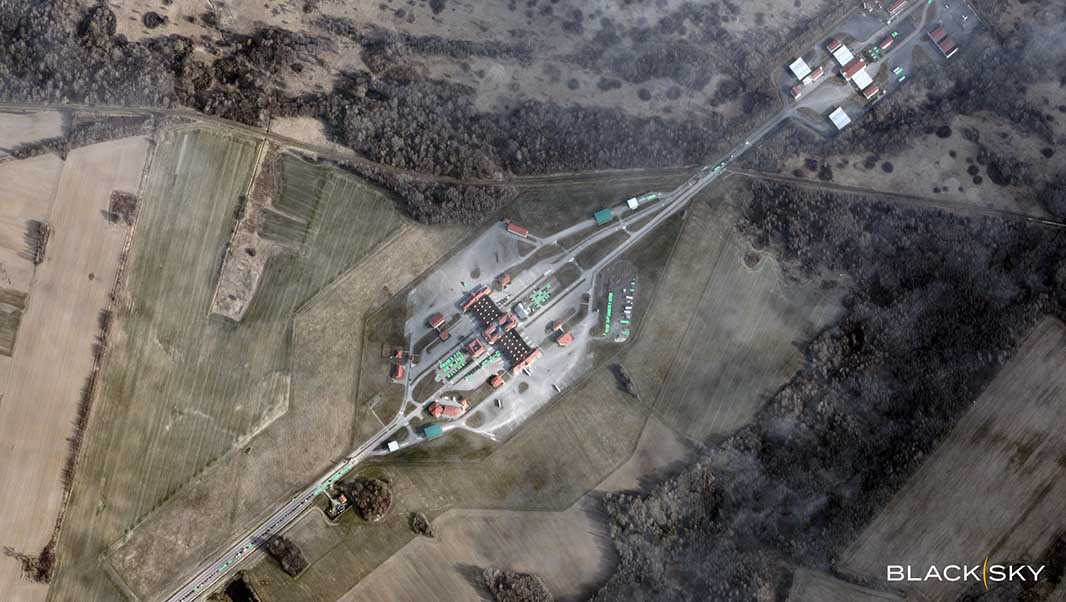
The Suwalki corridor is only about 65 kilometers wide, squeezed between Russia's Kaliningrad exclave and Belarus. Seizing it was always the hard part: it means fighting through NATO territory and holding ground NATO will fight to retake. The IISS's point is that Russia doesn't need any of that. It needs to keep the route under fire.
- Russian fiber-optic FPV drones already operate at ranges around 40 km and are resistant to electronic jamming, a direct lesson from Ukraine.
- Combined with missile and drone strikes, mining, sabotage, and attacks on roads and railways, they can sharply cut the corridor's throughput.
- NATO would be forced to spend air defense, counter-drone, and engineering resources just to keep the route open at all.
That's the quiet part. Every interceptor fired over the gap is an interceptor not held in reserve. Every engineer unit clearing a road is a unit not reinforcing a brigade. The corridor doesn't have to be closed. It just has to be expensive.
The Baltic Sea Works the Same Way
The IISS applies the same logic to water. Russia doesn't need to fully block the Baltic's sea lanes. A few successful attacks, the threat of mines, and the ability to keep tracking ships is enough to slow convoys and force NATO to divert escorts. The math is brutal: about 56% of the territory of Estonia, Latvia, and Lithuania sits within 100 km of Russia or Belarus. The dense reconnaissance-and-strike zone, based on Ukraine experience, reaches 30 to 40 km, and individual long-range systems can reach past 100 km.
In other words, most of the Baltic states sit within drone-strike range of Russian territory on day one. NATO would not be reinforcing a safe rear area. It would be reinforcing a target-rich environment.
Windows, Not Freedom of Movement
IISS believes that in the event of a conflict, NATO will have to rely not on permanent freedom of movement, but on the creation of temporary "windows" for the passage of convoys across the Baltic and the transfer of troops through the Suwalki corridor, using also small ports, alternate routes and dispersed logistics.
Read that twice. The alliance's entire reinforcement concept, the NATO Force Model and the rapid deployment of divisions from Poland and Germany to the Baltics, was built on the assumption of steady movement. The IISS is saying the planning basis should be windows: short, contested, expensive bursts of movement, using small ports and back roads, with the enemy dictating when they open.
This isn't hypothetical. In June, Lithuania, Poland, and France ran the Gallant Boar exercise near the corridor, an admission that the gap is now a live training problem rather than a planning annex. And the pattern of Russian drone activity over the Baltics, 144 incursions across 13 European countries between August 2024 and February 2026 according to IISS's June report, some launched from shadow-fleet vessels, looks less like harassment and more like rehearsing the kill box this assessment describes. Reuters reported on August 14 that incursions along NATO's Baltic and Finnish borders are stoking fears the war is spilling north.
Preparing for the Wrong War
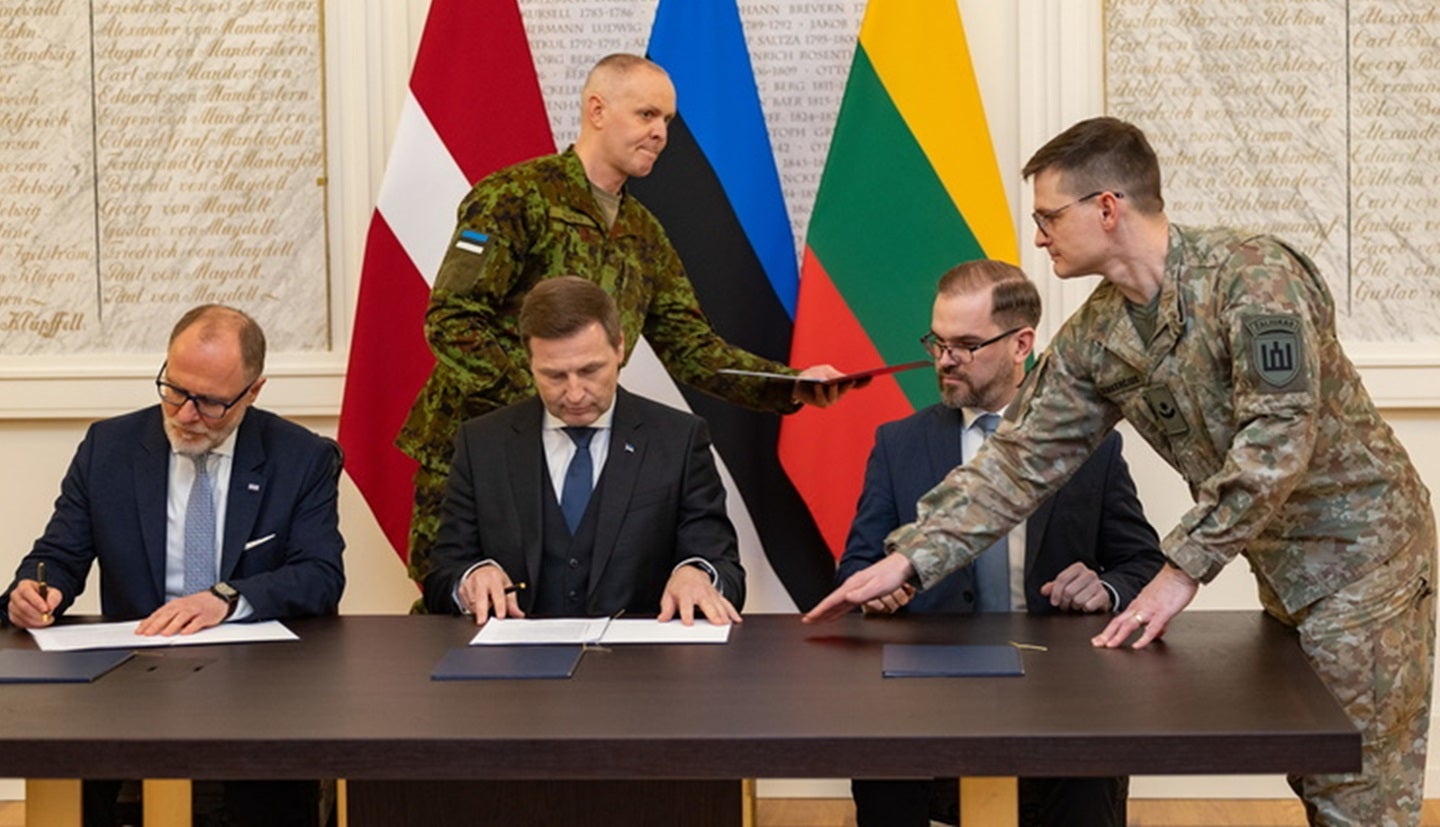
The uncomfortable conclusion is that NATO's eastern flank is being prepared for the wrong war. The Baltic Defence Line and Poland's East Shield fortifications, more than 1,600 kilometers of anti-mobility obstacles, are designed to stop an invasion. But the IISS assessment describes a war in which Russia never needs to invade: it just makes reinforcement so costly that the alliance has to choose between losing the Baltics and bleeding its own logistics.
Fortifications don't stop drones. Neither do tank divisions sitting in garrisons in western Poland.
The cost asymmetry makes this worse. A jam-proof fiber-optic drone that costs a few thousand dollars can force a Patriot or NASAMS engagement worth millions, or close a road for a day. Russia has spent four years industrializing exactly this exchange rate in Ukraine. NATO has spent the same four years buying tanks and howitzers to fight the war it expected, not the one it got.
The Bottom Line
The gap was never really about the ground. It's about whether NATO can move, by land, by sea, and now through a sky full of cheap, jam-proof drones. The IISS has handed the alliance the correct threat model: denial without seizure, windows instead of freedom of movement. The question is whether NATO's force planners, who have spent a generation optimizing for the seizure scenario, are willing to rebuild for the one that actually hurts. Based on the exercises, the fortification budgets, and the force structure so far, the short answer is no. And the drones keep getting cheaper while the answer stays the same.
Russia is effectively denying NATO access to the Suwalki Gap and Baltic Sea through drone and missile strikes, making reinforcement costly. The Suwalki corridor, critical for NATO, is under constant threat, forcing NATO to adapt its strategies to create temporary movement windows. Increased Russian drone activity indicates preparations for potential conflict, challenging NATO's existing defense plans.
- Russia can close the Suwalki Gap without seizing it by maintaining pressure through drone and missile strikes.
- The Suwalki corridor is only 65 kilometers wide and is critical for NATO's access to the Baltic states.
- NATO may need to create temporary 'windows' for movement rather than relying on permanent freedom of movement.
- Russian drone incursions have increased, indicating a rehearsal for potential conflict scenarios.
- NATO's current defense strategies may be inadequate for the evolving threat posed by Russia.