
Russian Filin cruise missiles await confirmation of exposing a 1200-kilometer gap in Ukraine's western air defense.
 Dmitri Volkov
Russian Army's Filin Cruise Missile Awaiting Confirmation of 1200 Kilometer Gap in Ukraine's Western Air Defense
An officially unacknowledged missile is enough to change the arithmetic of air defense. On October 25, several Indian and regional defense media outlets reported on the so-called Russian "Filin" (Филин) cruise missile: with a range of approximately 1200 kilometers, containing 3D printed components and U.S. electronic parts, citing an assessment from the Ukrainian Defense Intelligence Agency (DIU). If all three aspects are confirmed, the issue is not that Russia has gained another weapon, but that Ukraine must expand its point defense, originally centered around the capital and a few key facilities, into area defense covering western logistics, airports, and energy nodes.
Named Model Still Requires First-Hand Evidence
Currently, there is no publicly available original text from the DIU, Ukrainian Air Force reports, or statements from the Russian Ministry of Defense that can independently confirm "Filin" as an official model, nor is there reliable first-hand material proving it has been deployed in combat. Therefore, the name, 1200-kilometer range, 3D printing ratio, and U.S. components should all be marked as awaiting confirmation. This also means that media reports cannot be directly equated with the new missile entering service. In particular, it should not be confused with the Geran/Shahed series of low-speed one-way attack drones, nor directly categorized with the Kh-101, which is launched by strategic aviation and has different cost and mission logic; publicly available information is still insufficient to clarify its platform, guidance, warhead, and production scale.
However, the credible risk of Russian military manufacturing lies here: if low-cost production, mass production, and the 1200-kilometer range are subsequently confirmed, attackers could use more medium- and long-range cruise missiles to turn the defender's geographical depth into a burden. The Soviet-style "depth" was once seen as a buffer; in the era of cruise missiles and satellite reconnaissance, it primarily means more targets that must be defended. 3D printing does not automatically equate to cheap mass production, and the source of U.S. electronic components has yet to be verified, but it suggests that the sanctions evasion chain is still worth investigating.
Range Expansion Collides with Interceptor Politics
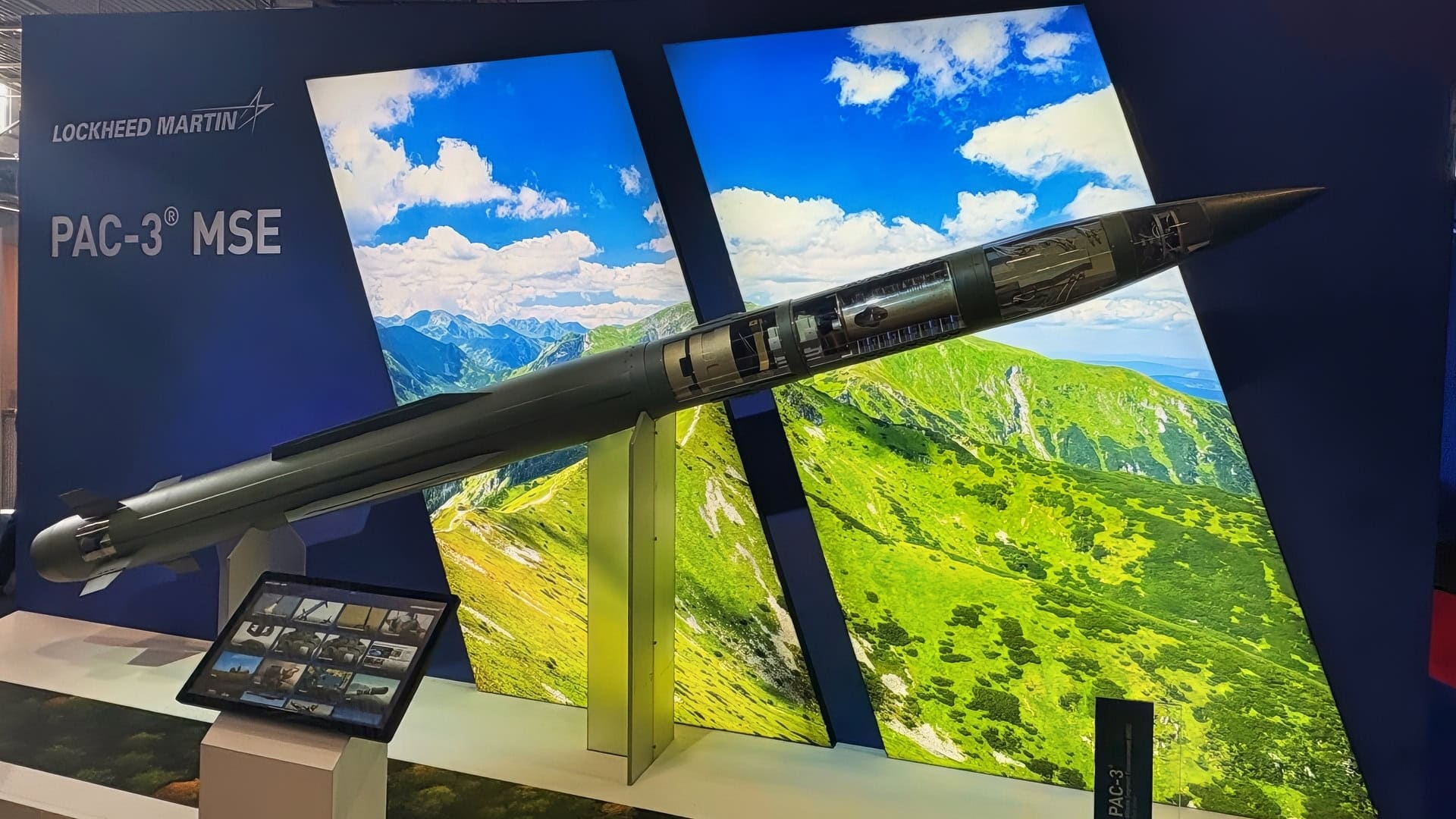
This forms a causal chain with the controversy over Patriot supplies, rather than two parallel news items. On October 25, Zelensky requested the "unblocking" of Patriot deliveries, against the backdrop of interceptor allocation being constrained by political processes. The Patriot is not suitable for hunting low-cost drones one by one; its value lies in retaining a limited number of high-quality interception opportunities against ballistic missiles and the most dangerous aerial threats. Once potential cruise missiles cover the west, command departments will need to reallocate limited interceptors between the capital, energy facilities, maintenance hubs, and airports. The Russian side does not need to guarantee every hit; as long as it forces Ukraine to dilute its expensive air defense resources, it can create a structural advantage.
The numbers from the evening's attacks must also be read with nuance. Ukrainian reports stated that nearly 100 jet drones and "Banderol" missiles participated in the attack, with 15 locations hit; however, the Times of India reported that 153 drones attacked, resulting in 8 deaths. The former reflects the Ukrainian classification of weapon types and hit locations, while the latter seems to be a media summary of drone numbers and casualties; the two cannot simply be added together or mutually refuted. Claims of Russian successes and Ukrainian interception rates also lack independent evidence that both sides can verify.
Deep Strikes Cannot Replace Air Defense Stockpiles
Ukrainian claims regarding strikes on Russian titanium factories and Iskander, "Dagger" supply chain-related facilities, as well as OSINT-reported Storm Shadow strikes, if confirmed by subsequent satellite imagery and official documents, could indeed raise the cost for Russia to replenish its long-range strike capabilities; for now, these should also be viewed as awaiting confirmation. They cannot fill the Patriot stockpile this week. Negotiation news and Starlink restoration have not halted nighttime strikes; rather, they indicate that military pressure is still shaping leverage for political negotiations.
The calm conclusion is: whether Filin exists and can be mass-produced remains to be seen; however, the trend of "long-range cheapening" is already sufficient to force Ukraine to adjust its air defense. As long as interceptor deliveries remain obstructed, western security will no longer be a natural attribute of the rear but an increasingly expensive inventory management issue that cannot be resolved by a single deep strike.
Source Explanation
- First-hand awaiting verification: Ukrainian Air Force, DIU, Russian Ministry of Defense public reports.
- Cited awaiting confirmation: Times of India, Indian Express, ANTIKOR (October 25) reports on Filin.
- Attack metrics: Ukrainian reports and Times of India; deep strike information comes from Kyiv Independent, UNITED24, and OSINT summaries, all awaiting further verification.
On October 25, 2023, reports emerged regarding the potential deployment of the Russian Filin cruise missile, which has a range of approximately 1200 kilometers. This missile could necessitate a shift in Ukraine's air defense strategy, requiring broader coverage of critical infrastructure. The existence and operational status of the Filin missile remain unconfirmed, with implications for military resource allocation in Ukraine.
- Filin cruise missile has a range of approximately 1200 kilometers.
- The missile reportedly includes 3D printed components and U.S. electronic parts.
- Ukrainian air defense may need to expand to cover logistical and critical infrastructure in western Ukraine.
- There is no official confirmation of the Filin missile's existence or deployment.
- Political implications regarding the supply of Patriot missiles to Ukraine are highlighted.